Brian Donahue - Böcker
Visar alla böcker från författaren Brian Donahue. Handla med fri frakt och snabb leverans.
4 produkter
4 produkter
538 kr
Skickas inom 5-8 vardagar
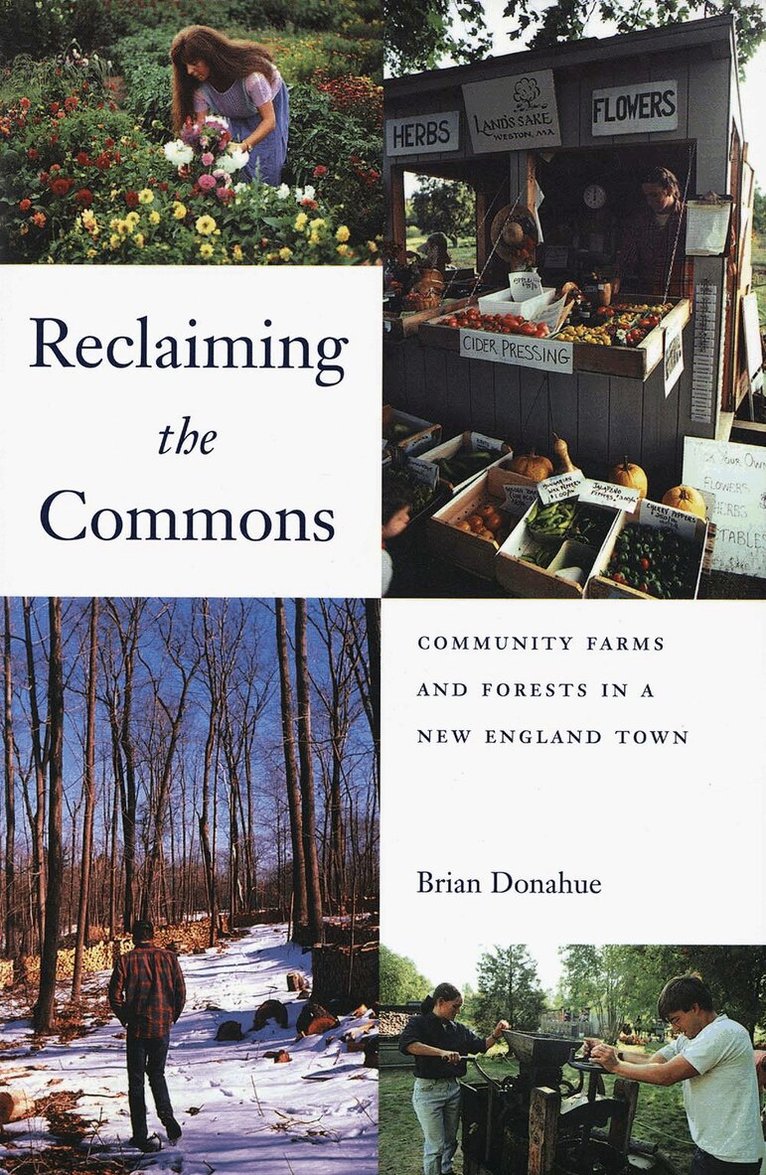
This book is a lively account of a community working to combat suburban sprawl, to protect a large part of the landscape as common land, and to enjoy the land productively in an ecologically sustainable way. Based on the practical experience of one New England town, the book urges suburban environmentalists to go beyond preserving open space to actively engaging people with the places where they live.Brian Donahue, an environmental historian, in 1980 was a founder of Land’s Sake, a community farm in Weston, Massachusetts. Working with the town’s Conservation Commission, Land’s Sake cultivates a twenty-five-acre organic fruit, flower, and vegetable farm, makes apple cider and maple syrup, maintains a sixty-five-mile trail system, harvests firewood and timber from fifteen hundred acres of town forest, and has kept draft horses and sheep. Donahue recounts the joys and sorrows of farming the suburbs. But beneath the light hearted tales of sheep straying into tennis courts and middle-school students tapping sugar maples in the town cemetery runs an incisive ecological history of New England and a penetrating analysis of how to live responsibly with this difficult but rewarding land. Donahue concludes with a call for all places to protect common land and establish community farms—especially in the suburbs, where most Americans live and where, like it or not, environmentalists may make their most lasting mark on the world.
262 kr
Tillfälligt slut
661 kr
Skickas inom 5-8 vardagar
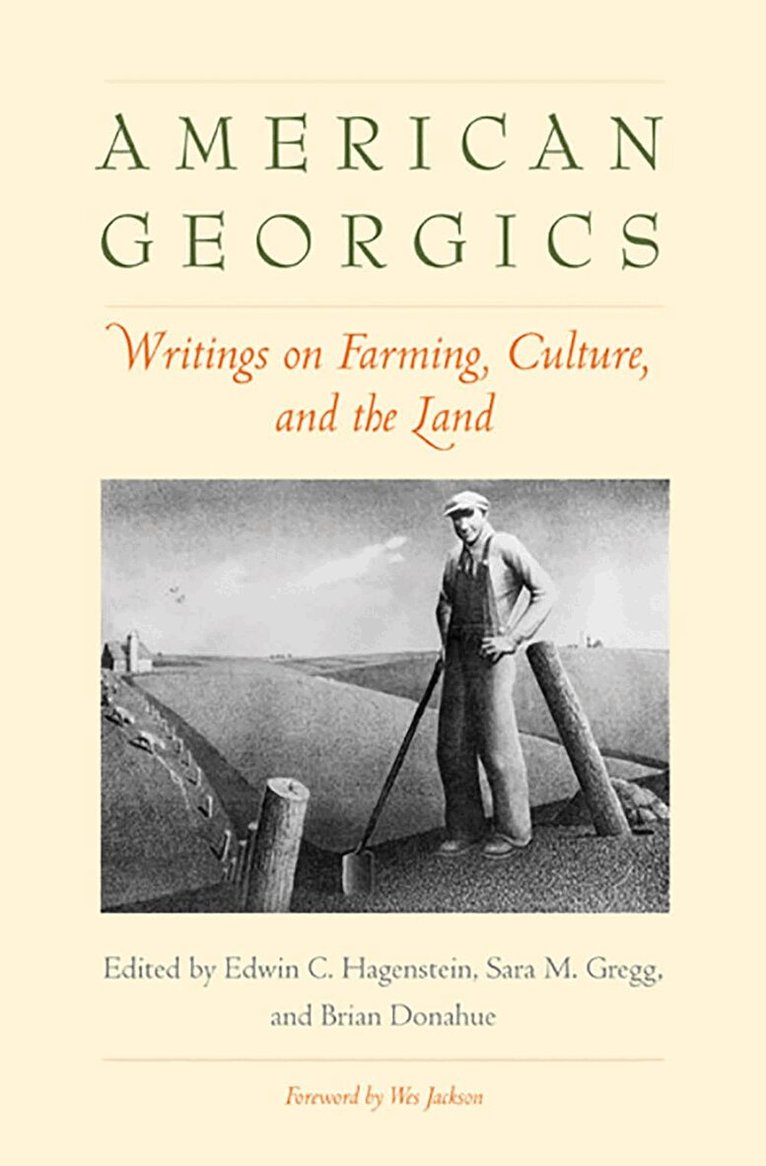
A rich and evocative collection of agrarian writing from the past two centuries, reflecting how shifting views on agriculture have shaped American society, from the first European settlers to the modern organic movement. From Thomas Jefferson's Monticello to Michelle Obama's White House organic garden, the image of America as a nation of farmers has persisted from the beginnings of the American experiment. In this rich and evocative collection of agrarian writing from the past two centuries, writers from Hector St. Jean de Crevecoeur to Wendell Berry reveal not only the great reach and durability of the American agrarian ideal, but also the ways in which society has contested and confronted its relationship to agriculture over the course of generations.Drawing inspiration from Virgil's agrarian epic poem, Georgics, this collection presents a complex historical portrait of the American character through its relationship to the land. From the first European settlers eager to cultivate new soil, to the Transcendentalist, utopian, and religious thinkers of the nineteenth century, American society has drawn upon the vision of a pure rural life for inspiration. Back-to-the-land movements have surged and retreated in the past centuries yet provided the agrarian roots for the environmental movement of the past forty years. Interpretative essays and a sprinkling of illustrations accompany excerpts from each of these periods of American agrarian thought, providing a framework for understanding the sweeping changes that have confronted the nation's landscape.
275 kr
Skickas inom 7-10 vardagar
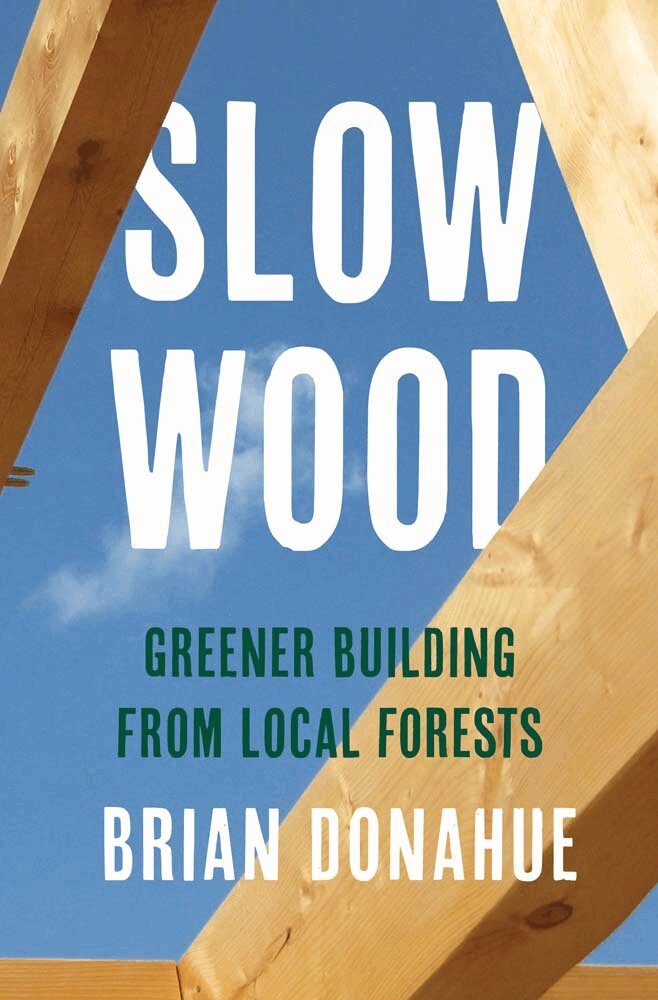
A radical proposal for healing the relationship between humans and forests through responsible, sustainable use of local and regional wood in home building American homes are typically made of lumber and plywood delivered by a global system of ruthless extraction, or of concrete and steel, which are even worse for the planet. Wood is often the most sustainable material for building, but we need to protect diverse forests as much as we desperately need more houses. Brian Donahue addresses this modern conundrum by documenting his experiences building a timber frame home from the wood growing on his family farm, practicing “worst first” forestry. Through the stories of the trees he used (sugar maple, black cherry, black birch, and hemlock), and some he didn’t (white pine and red oak), the book also explores the history of Americans’ relationship with their forests. Donahue provides a new interpretation of the connection between American houses and local woodlands. He delves into how this bond was broken by the rise of a market economy of industrial resource extraction and addresses the challenge of restoring a more enduring relationship. Ultimately, this book provides a blueprint and a stewardship plan for how to live more responsibly with the woods, offering a sustainable approach to both forestry and building centered on tightly connected ecological and social values.