Brian Hare – författare
Visar alla böcker från författaren Brian Hare. Handla med fri frakt och snabb leverans.
13 produkter
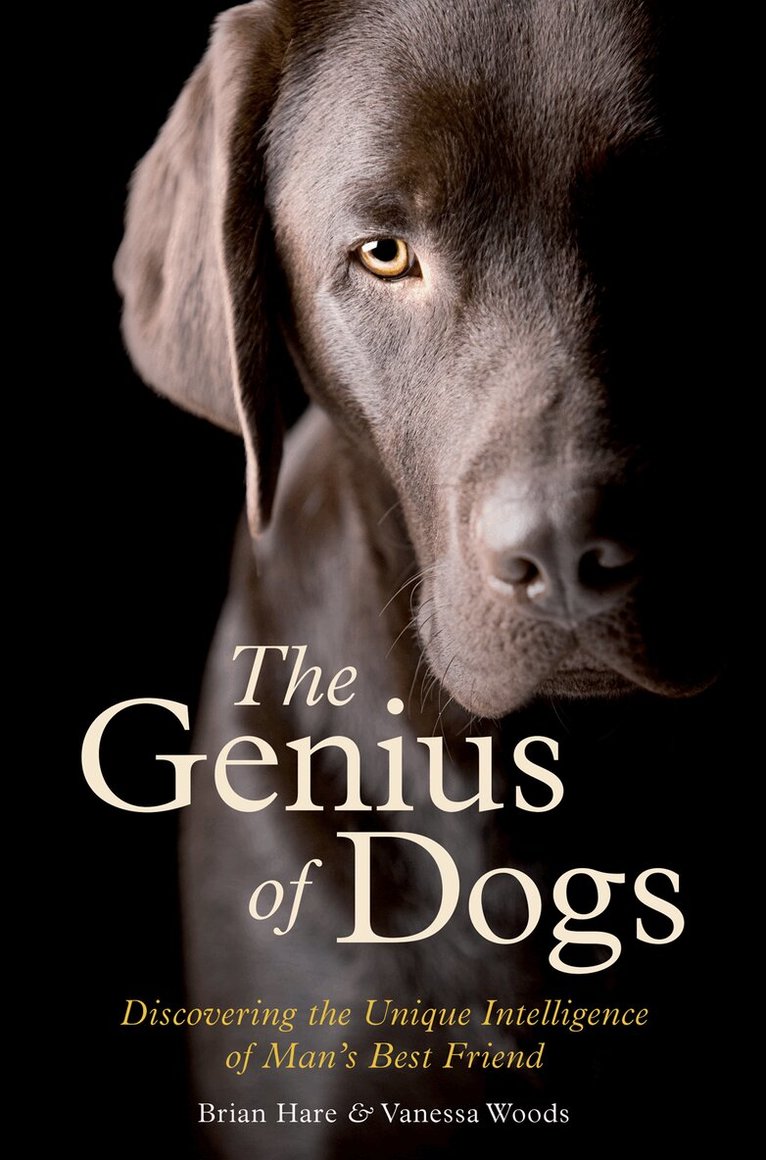
Genius of Dogs
Discovering the Unique Intelligence of Man's Best Friend
Häftad, 2014
142 kr
Lägg i varukorg
The award-winning scientist who revolutionised our understanding of dog intelligence offers amazing new insights into the interior lives of our best – and smartest – animal friends'Entertaining, fast-moving, and filled with gee-whiz insights.' John Grogan, author of Marley & MeThe journey began …
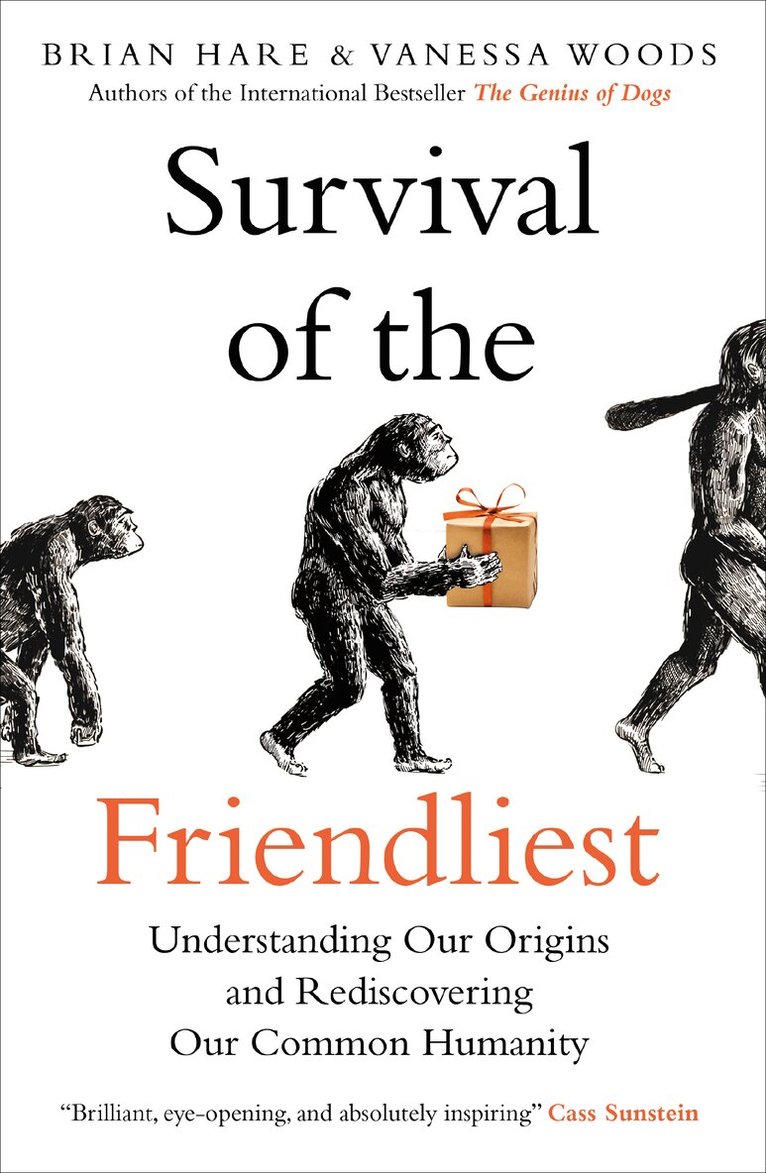
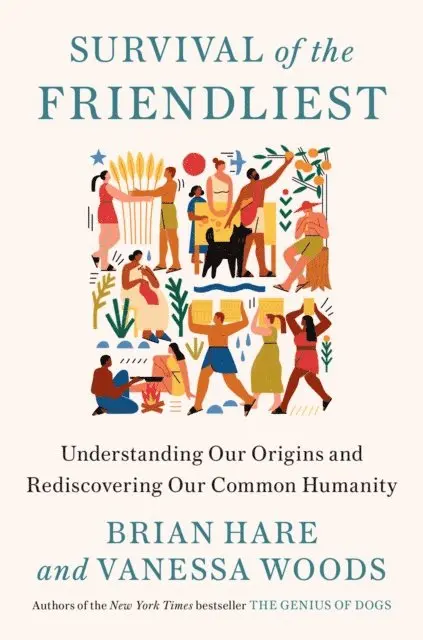
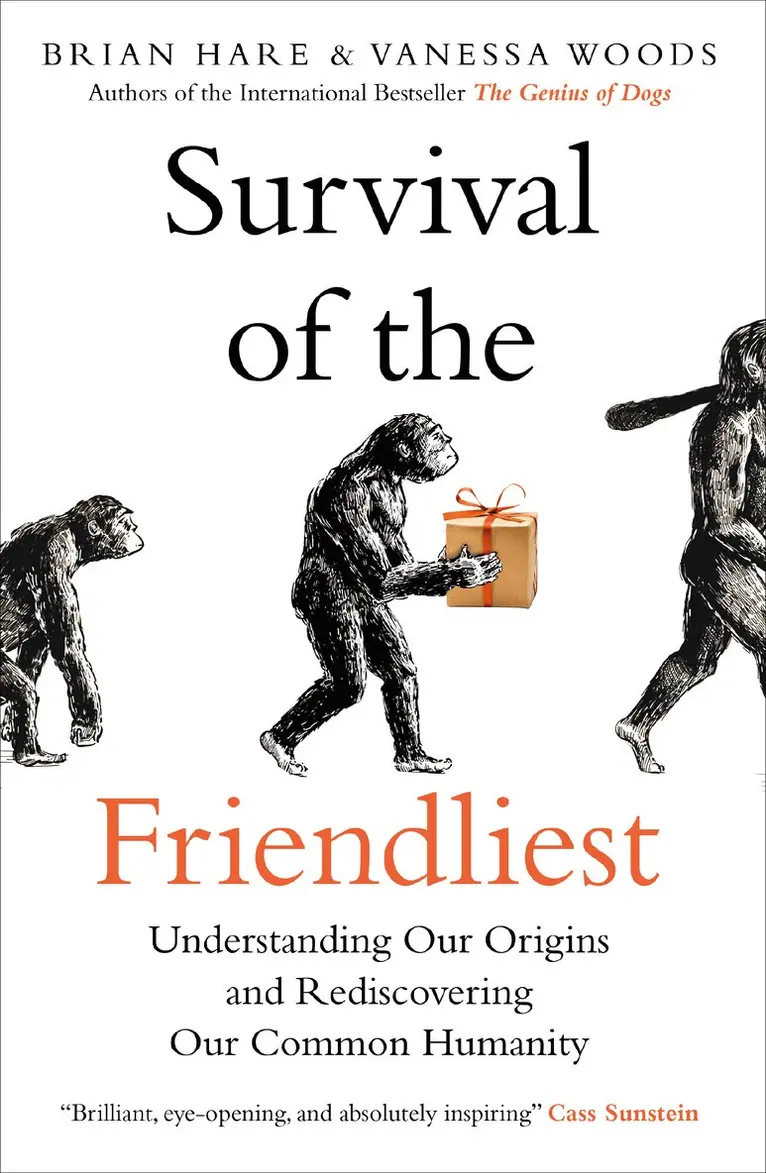
Survival of the Friendliest
Understanding Our Origins and Rediscovering Our Common Humanity
Häftad, 2021
139 kr
Lägg i varukorg
‘Brilliant, eye-opening, and absolutely inspiring – and a riveting read.’ Cass Sunstein, author of How Change Happens and co-author of NudgeWhat is the secret to humanity’s evolutionary success? Could it be our strength, our intellect… or something much nicer? From the authors of New York Times …
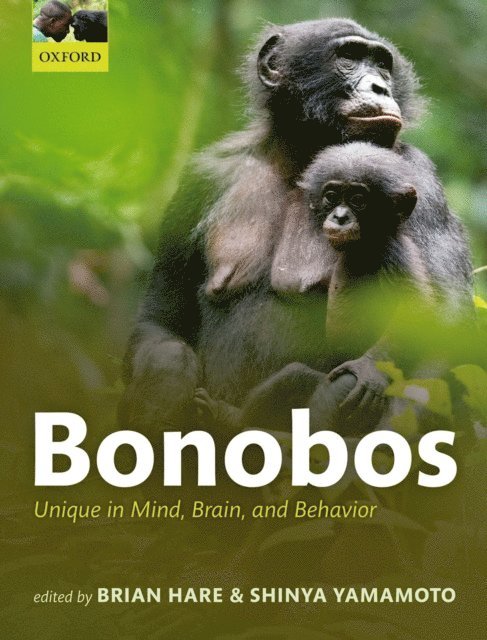
Bonobos
Unique in Mind, Brain, and Behavior
Av Shinya Yamamoto, Brian Hare
E-bok, 2017
897 kr
Lägg i varukorg
The bonobo, along with the chimpanzee, is one of our two closest living relatives. Their relatively narrow geographic range (south of the Congo River in the Democratic Republic of Congo) combined with the history of political instability in the region, has made their scientific study extremely …
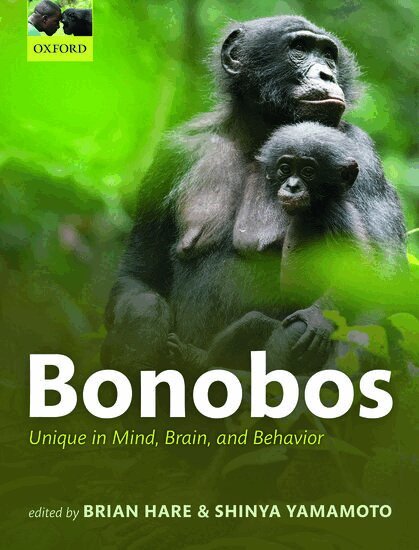
Bonobos
Unique in Mind, Brain, and Behavior
Av Brian Hare, Shinya Yamamoto
Inbunden, 2017
2655 kr
Lägg i varukorg
The bonobo, along with the chimpanzee, is one of our two closest living relatives. Their relatively narrow geographic range (south of the Congo River in the Democratic Republic of Congo) combined with the history of political instability in the region, has made their scientific study extremely …
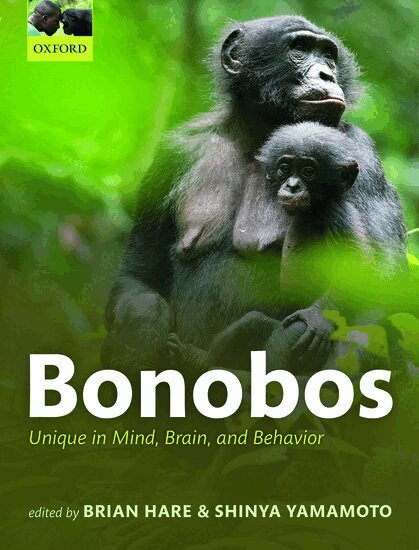
Bonobos
Unique in Mind, Brain, and Behavior
Av Brian Hare, Shinya Yamamoto
Häftad, 2017
1080 kr
Lägg i varukorg
The bonobo, along with the chimpanzee, is one of our two closest living relatives. Their relatively narrow geographic range (south of the Congo River in the Democratic Republic of Congo) combined with the history of political instability in the region, has made their scientific study extremely …
Survival of the Friendliest
E-bok, 2020
158 kr
Lägg i varukorg
A powerful, counterintuitive new theory of human nature arguing that our evolutionary success depends on our ability to be friendly--from a pair of trailblazing scientists and New York Times bestselling authors. For most of the approximately 200,000 years that our species has existed, we shared the …
Survival of the Friendliest
Understanding Our Origins and Rediscovering Our Common Humanity
Häftad, 2021
211 kr
Lägg i varukorg
A powerful new theory of human nature suggests that our secret to success as a species is our unique friendliness “Brilliant, eye-opening, and absolutely inspiring—and a riveting read. Hare and Woods have written the perfect book for our time.”—Cass R. Sunstein, author of How Change Happens and …
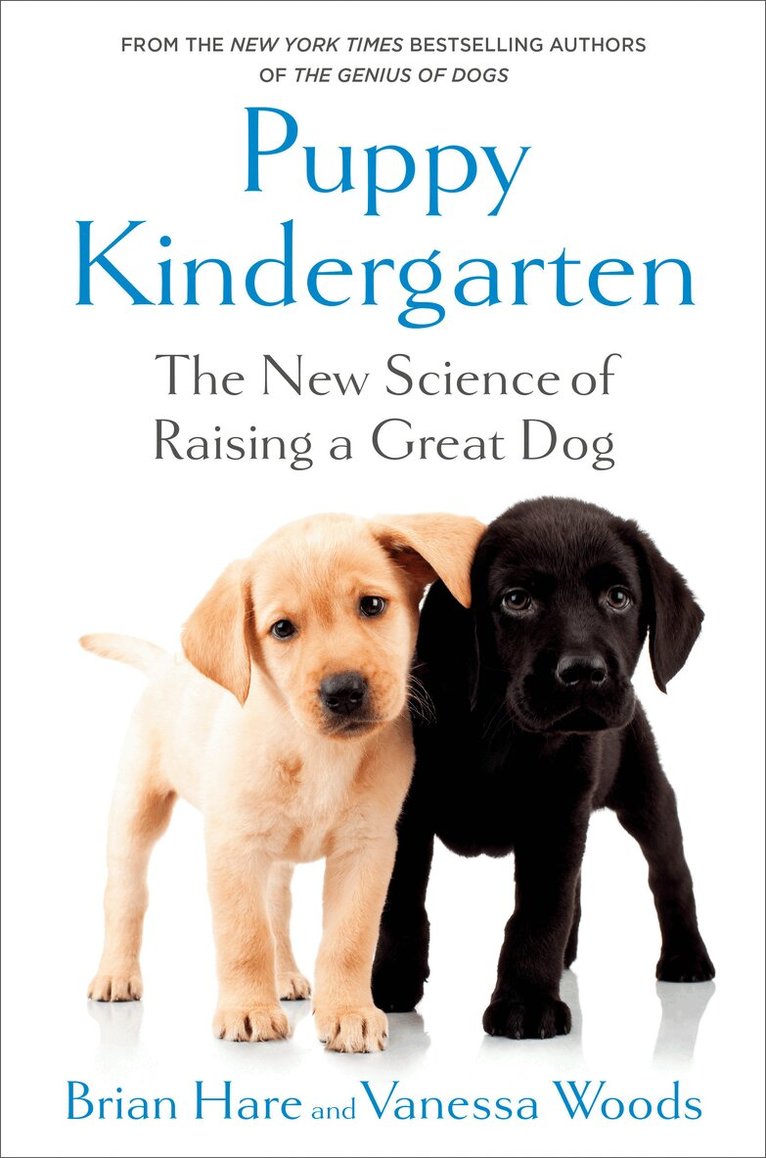
Puppy Kindergarten
The New Science of Raising a Great Dog
Inbunden, 2024
266 kr
Lägg i varukorg
The New York Times bestselling authors of The Genius of Dogs take us into their “Puppy Kindergarten” at Duke University, a center to study how puppies develop, to show us what goes in to raising a great dog. Don’t miss Brian Hare and Vanessa Woods in Netflix’s film Inside the Mind of a Dog ! “A …
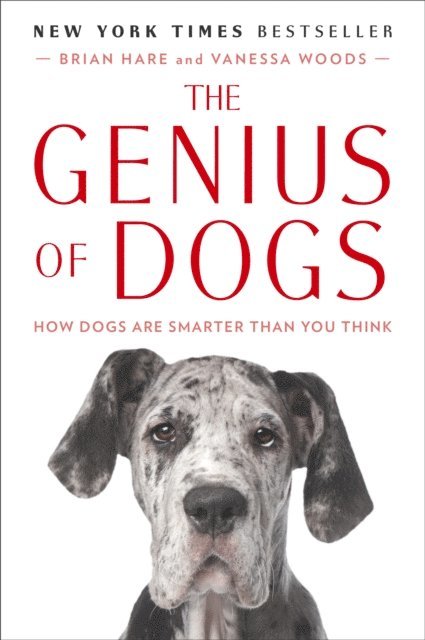
Genius of Dogs
How Dogs Are Smarter Than You Think
E-bok, 2013
128 kr
Lägg i varukorg
For readers of Inside of a Dog by Alexandra Horowitz, this New York Times bestseller offers mesmerizing insights into the interior lives of our smartest pets In the past decade, we have learned more about how dogs think than in the last century. Breakthroughs in cognitive science, pioneered by …
Genius of Dogs
Discovering the Unique Intelligence of Man's Best Friend
E-bok, 2013
106 kr
Lägg i varukorg
The award-winning scientist who revolutionised our understanding of dog intelligence offers amazing new insights into the interior lives of our best – and smartest – animal friends'Entertaining, fast-moving, and filled with gee-whiz insights.' John Grogan, author of Marley & MeThe journey began …
Survival of the Friendliest
Understanding Our Origins and Rediscovering Our Common Humanity
E-bok, 2020
130 kr
Lägg i varukorg
‘Brilliant, eye-opening, and absolutely inspiring – and a riveting read.’ Cass Sunstein, author of How Change Happens and co-author of NudgeWhat is the secret to humanity’s evolutionary success? Could it be our strength, our intellect… or something much nicer? From the authors of New York Times …
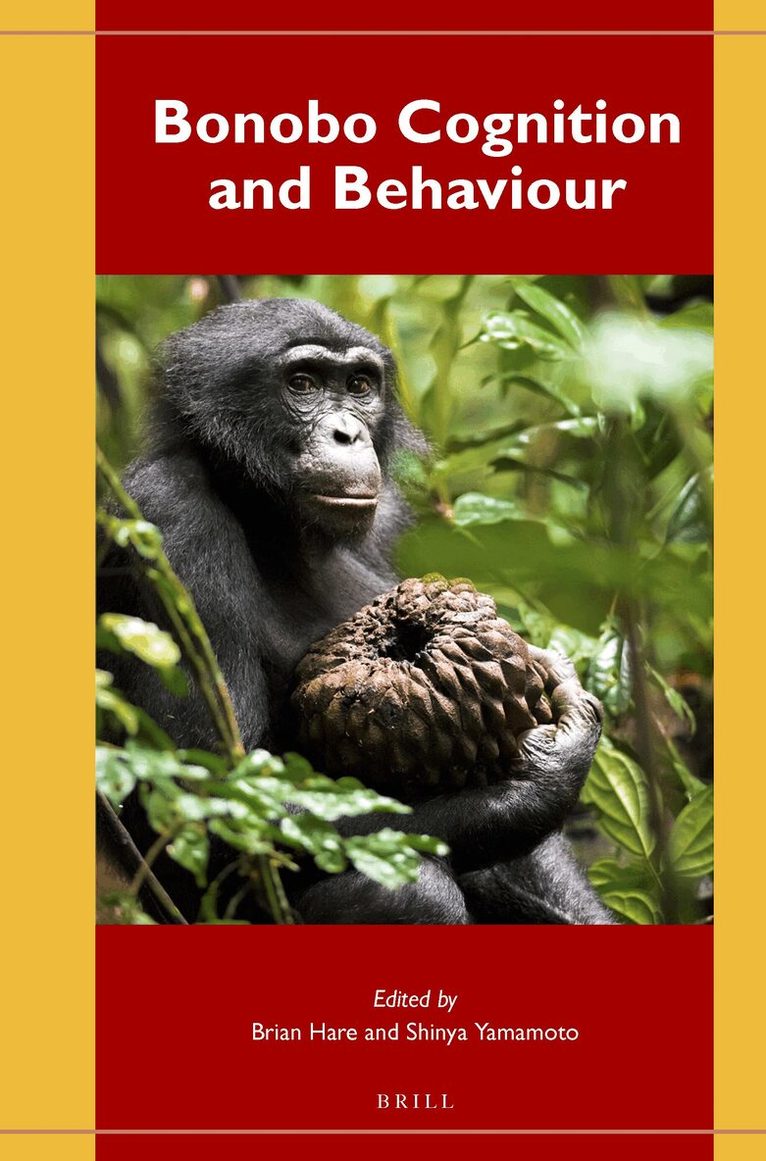
Bonobo Cognition and Behaviour
Av Brian Hare, Shinya Yamamoto
Inbunden, 2015
2479 kr
Lägg i varukorg
This volume includes twelve novel empirical papers focusing on the behaviour and cognition of both captive and wild bonobos (Pan paniscus). As our species less known closest relative, the bonobo has gone from being little studied to increasingly popular as a species of focus over the past decade. …