Brian Lightbody – författare
Visar alla böcker från författaren Brian Lightbody. Handla med fri frakt och snabb leverans.
13 produkter
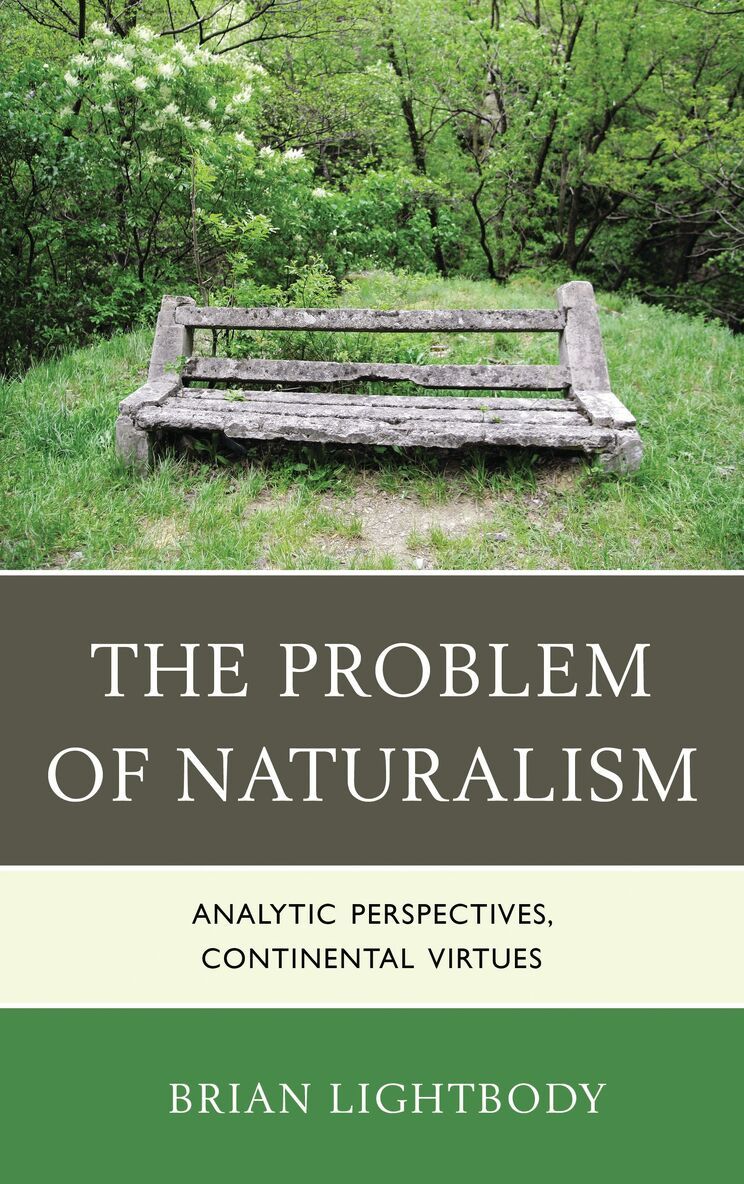
Problem of Naturalism
Analytic Perspectives, Continental Virtues
Inbunden, 2013
996 kr
Lägg i varukorg
Philosophers often use the term “naturalism’ in order to describe their work. It is commonplace to see a metaphysical, epistemological and/or ethical position self-described and described by others as one that is “naturalized.” But what, if anything, does the term naturalized add--or subtract---to …
Philosophical Genealogy- Volume I
An Epistemological Reconstruction of Nietzsche and Foucault’s Genealogical Method
Inbunden, 2010
1016 kr
Lägg i varukorg
Philosophical Genealogy Volume I: An Epistemological Reconstruction of Nietzsche and Foucault’s Genealogical Method is a rigorous examination of the philosophical investigatory practice known as «genealogy». This critique of the philosophical tradition leads to the creation of new values. Both …
Philosophical Genealogy- Volume II
An Epistemological Reconstruction of Nietzsche and Foucault’s Genealogical Method
Inbunden, 2011
896 kr
Lägg i varukorg
Philosophical genealogy is a distinct method of historical and philosophical inquiry that was developed by the nineteenth-century philosopher, Friedrich Nietzsche, and subsequently adopted and extended by the twentieth-century philosopher, Michel Foucault. In brief, genealogies critically examine …
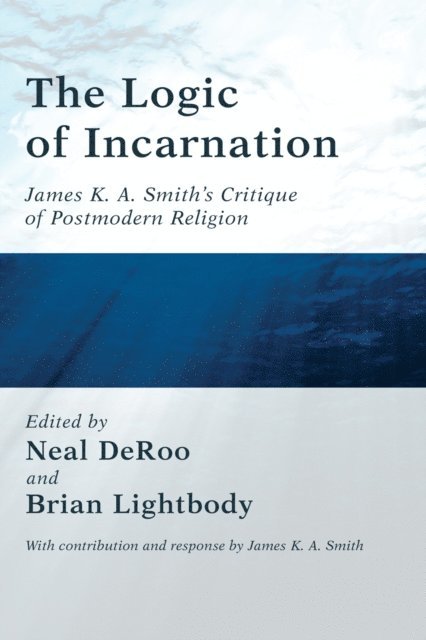
Logic of Incarnation
James K. A. Smith's Critique of Postmodern Religion
Av Neal Deroo, Brian Lightbody
Inbunden, 2009
487 kr
Lägg i varukorg
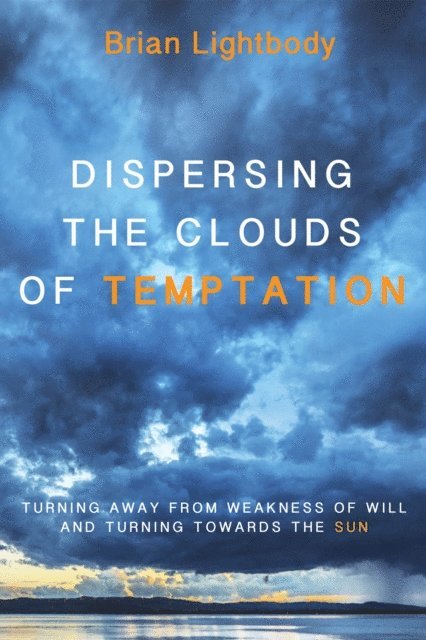
Dispersing the Clouds of Temptation
Turning Away from Weakness of Will and Turning towards the Sun
E-bok, 2015
364 kr
Lägg i varukorg
In Romans 7:14-25, Paul declares, "For I do not do the good I want, but the evil I do not want, is what I do" (KJV). St. Paul''s statement is a universal truth for all human beings; humans--whether Christians, Jews, Muslims, Buddhists, Hindus, or atheists--are prone to committing free actions that …
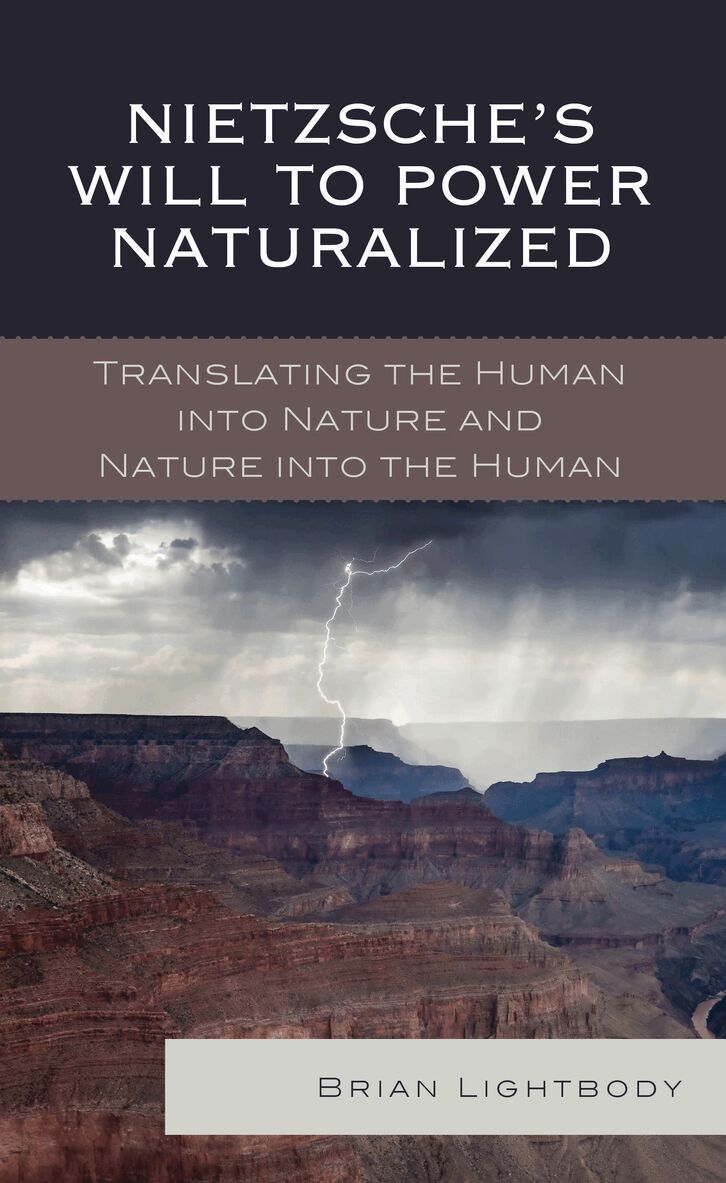
Nietzsche's Will to Power Naturalized
Translating the Human into Nature and Nature into the Human
Inbunden, 2017
1354 kr
Lägg i varukorg
“The world viewed from the inside, the world defined and determined according to its “intelligible character”––it would be “will to power” and nothing else.” Cryptic passages like this one from section 36 of Beyond Good and Evil have been the source of much intrigue, speculation, and puzzlement in …
Logic of Incarnation
James K. A. Smith's Critique of Postmodern Religion
Av Neal Deroo, Brian Lightbody
Häftad, 2009
333 kr
Lägg i varukorg
Dispersing the Clouds of Temptation
Turning Away from Weakness of Will and Turning Towards the Sun
Häftad, 2015
284 kr
Lägg i varukorg
Logic of Incarnation
James K. A. Smith''s Critique of Postmodern Religion
Av Brian Lightbody, Neal DeRoo
E-bok, 2009
509 kr
Lägg i varukorg
With his Logic of Incarnation, James K. A. Smith has provided a compelling critique of the universalizing tendencies in some strands of postmodern philosophy of religion. A truly postmodern account of religion must take seriously the preference for particularity first evidenced in the Christian …
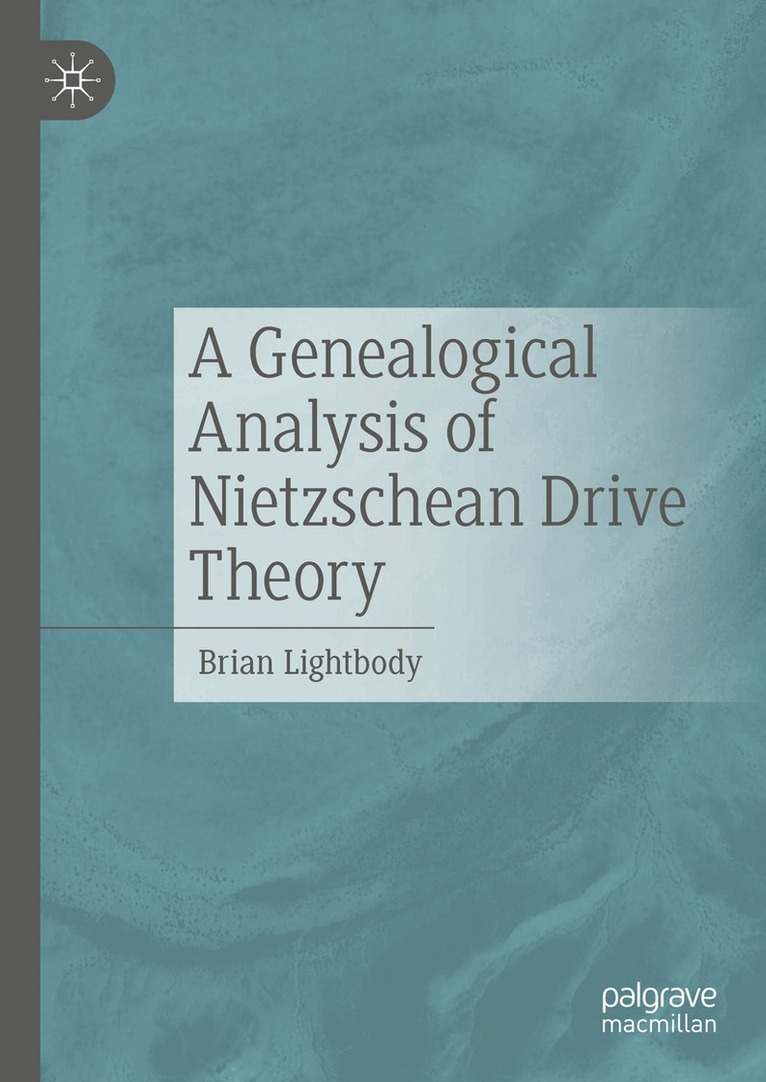
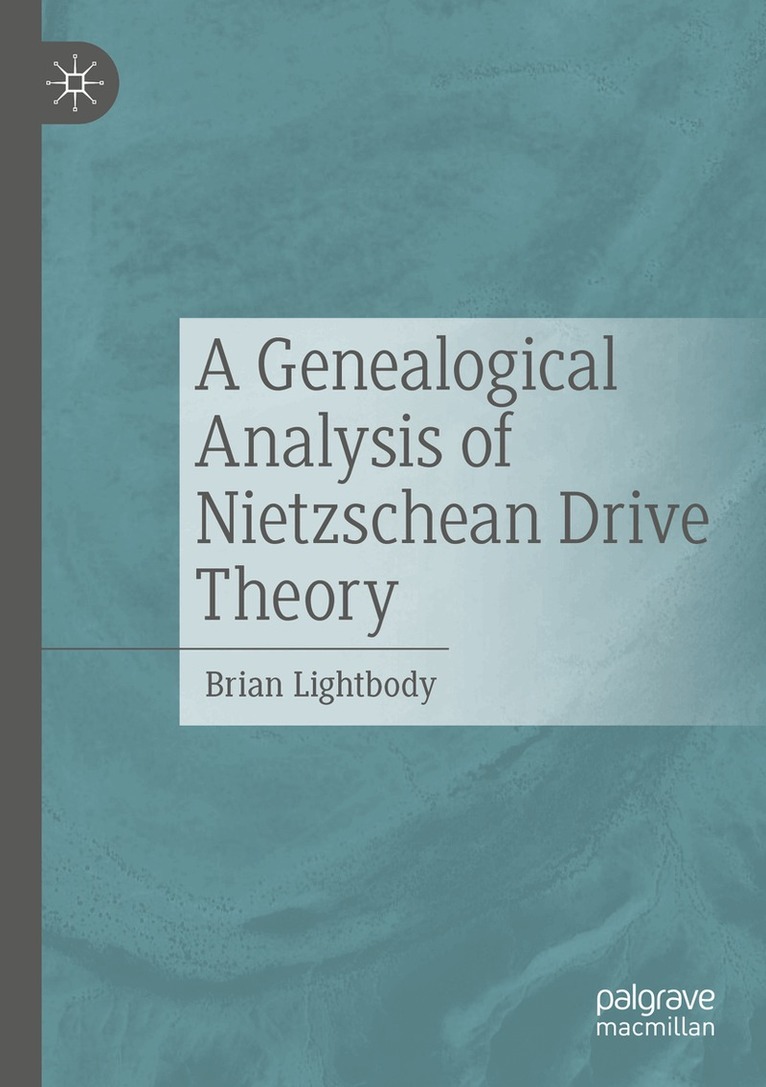
Genealogical Analysis of Nietzschean Drive Theory
Inbunden, 2023
1323 kr
Lägg i varukorg
Nietzsche’s “drive theory”, as it is referred to in the secondary literature, is a rich, unique and fascinating articulation of the human condition. In broad brushstrokes, Nietzsche appears to contend that all human psychology is either directly reducible to animal drives (e.g. sex, aggression) or …
Genealogical Analysis of Nietzschean Drive Theory
E-bok, 2023
1793 kr
Lägg i varukorg
Nietzsche’s “drive theory”, as it is referred to in the secondary literature, is a rich, unique and fascinating articulation of the human condition. In broad brushstrokes, Nietzsche appears to contend that all human psychology is either directly reducible to animal drives (e.g. sex, aggression) or …
Genealogical Analysis of Nietzschean Drive Theory
Häftad, 2024
1321 kr
Lägg i varukorg
Nietzsche’s “drive theory”, as it is referred to in the secondary literature, is a rich, unique and fascinating articulation of the human condition. In broad brushstrokes, Nietzsche appears to contend that all human psychology is either directly reducible to animal drives (e.g. sex, aggression) or …