Brian P. Farrell – författare
Visar alla böcker från författaren Brian P. Farrell. Handla med fri frakt och snabb leverans.
11 produkter
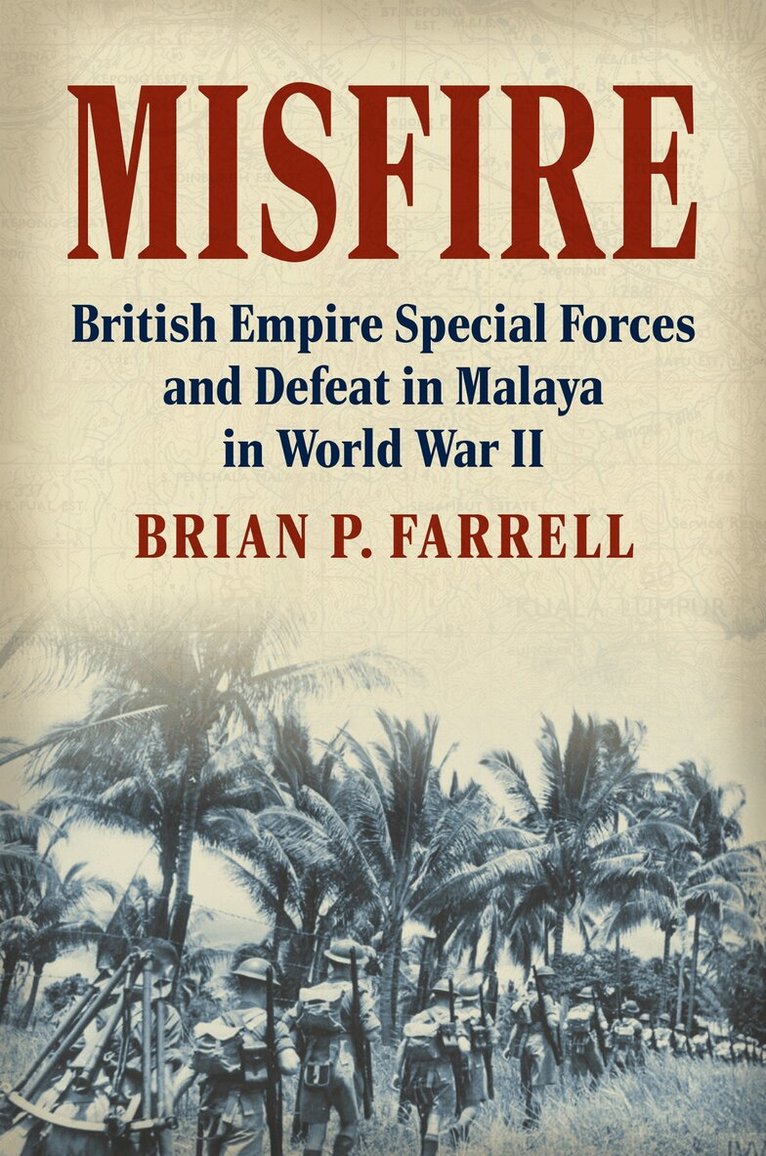
Misfire
British Empire Special Forces and Defeat in Malaya in World War II
Inbunden, 2025
649 kr
Lägg i varukorg
Of all the Allied strategic defensive campaigns in the first half of World War II, the fight to defend Malaya and Singapore provided perhaps the best chance to use special forces to wider effect.In December 1941 the issue in the East during World War II was whether or not the Japanese could drive …
Misfire
British Empire Special Forces and Defeat in Malaya in World War II
E-bok, 2025
323 kr
Lägg i varukorg
Second Runner Up: Templer MedalOf all the Allied strategic defensive campaigns in the first half of World War II, the fight to defend Malaya and Singapore provided perhaps the best chance to use special forces to wider effect.In December 1941, the issue in the East during World War II was whether …
Misfire
British Empire Special Forces and Defeat in Malaya in World War II
E-bok, 2025
323 kr
Lägg i varukorg
Second Runner Up: Templer MedalOf all the Allied strategic defensive campaigns in the first half of World War II, the fight to defend Malaya and Singapore provided perhaps the best chance to use special forces to wider effect.In December 1941, the issue in the East during World War II was whether …
Great Powers and Reordering the Asia Pacific, 1900-1991
Chasing Dragons
Av Brian P. Farrell, Andrea Benvenuti m. fl.
2027
3076 kr
Kommande
This landmark two-volume set comprehensively examines the role, influence and contributions of American and European military power and statecraft in shaping the state system and regional order in modern Asia across the 20th century. From the Boxer Rebellion of 1900 to the close of the 1970s, …
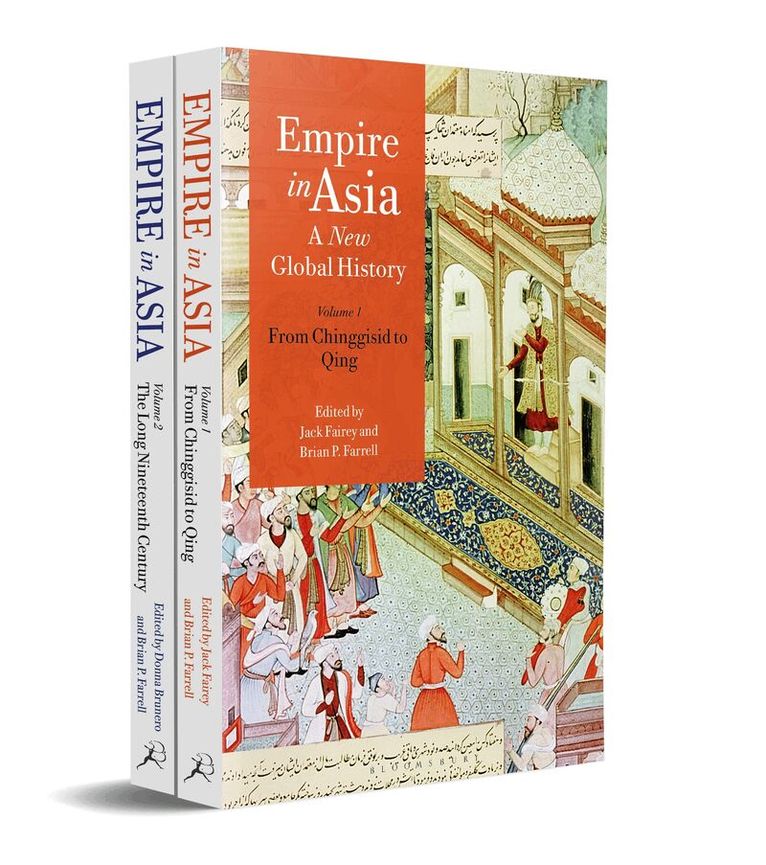
Empire in Asia
A New Global History
2021
2224 kr
Lägg i varukorg
Asia was the principle focus of empire-builders from Alexander and Akbar to Chinggis Khan and Qianlong and yet, until now, there has been no attempt to provide a comprehensive history of empire in the region. Empire in Asia is the first thorough survey of the topicVolume I traces the evolution of a …
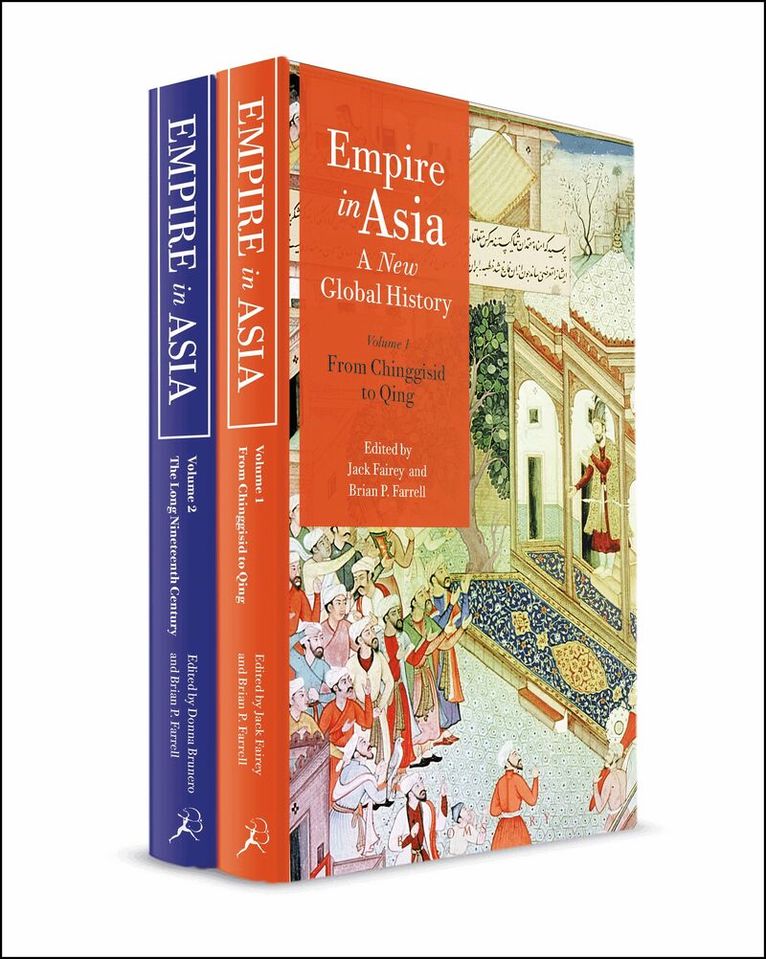
Empire in Asia
A New Global History
2018
4695 kr
Lägg i varukorg
Asia was the principle focus of empire-builders from Alexander and Akbar to Chinggis Khan and Qianlong and yet, until now, there has been no attempt to provide a comprehensive history of empire in the region. Empire in Asia is the first thorough survey of the topicVolume I traces the evolution of a …
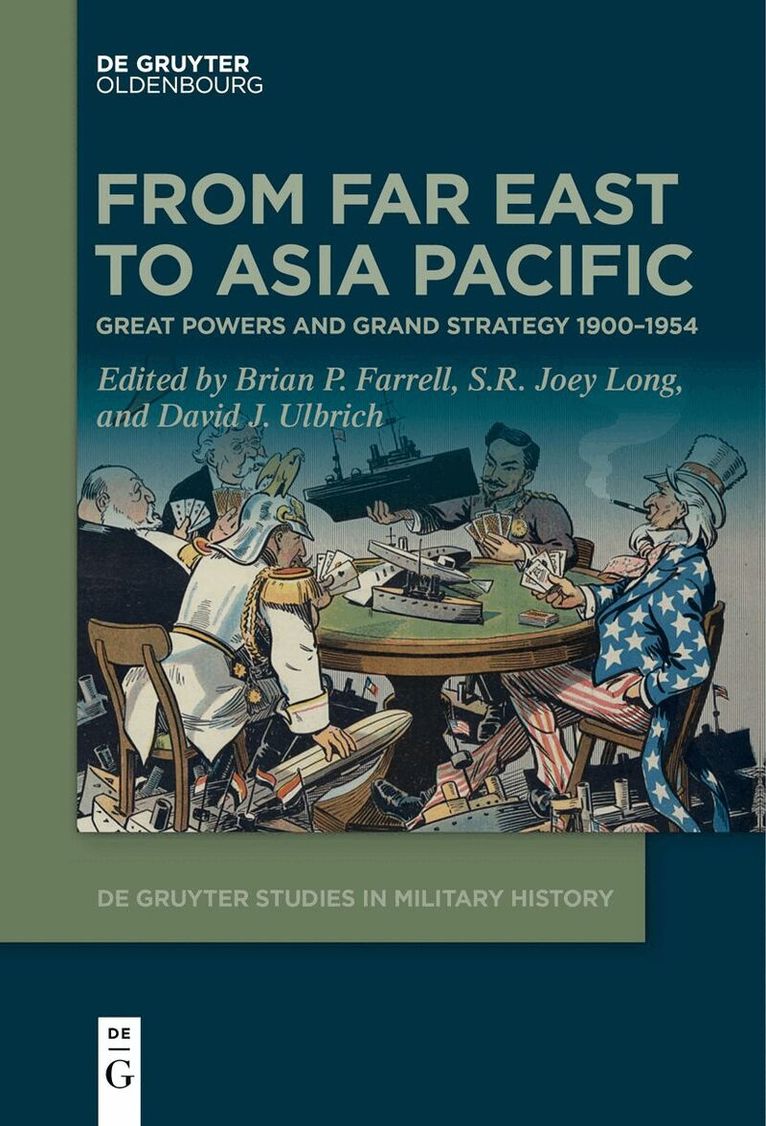
From Far East to Asia Pacific
Great Powers and Grand Strategy 1900–1954
Av Brian P. Farrell, S.R. Joey Long m. fl.
Inbunden, 2022
1450 kr
Lägg i varukorg
The years 1900 to 1954 marked the transformation from an exotic, colonized "Far East" to a more autonomous, prominent "Asia Pacific". This anthology examines the grand strategies of great powers as they vied for influence and ultimately hegemony in the region. At the turn of the twentieth century, …
From Far East to Asia Pacific
Great Powers and Grand Strategy 1900–1954
Av David Ulbrich, S.R. Joey Long m. fl.
E-bok, 2022
1388 kr
Lägg i varukorg
The years 1900 to 1954 marked the transformation from an exotic, colonized "Far East" to a more autonomous, prominent "Asia Pacific". This anthology examines the grand strategies of great powers as they vied for influence and ultimately hegemony in the region. At the turn of the twentieth century, …
From Far East to Asia Pacific
Great Powers and Grand Strategy 1900–1954
Av David Ulbrich, S.R. Joey Long m. fl.
E-bok, 2022
1388 kr
Lägg i varukorg
The years 1900 to 1954 marked the transformation from an exotic, colonized "Far East" to a more autonomous, prominent "Asia Pacific". This anthology examines the grand strategies of great powers as they vied for influence and ultimately hegemony in the region. At the turn of the twentieth century, …
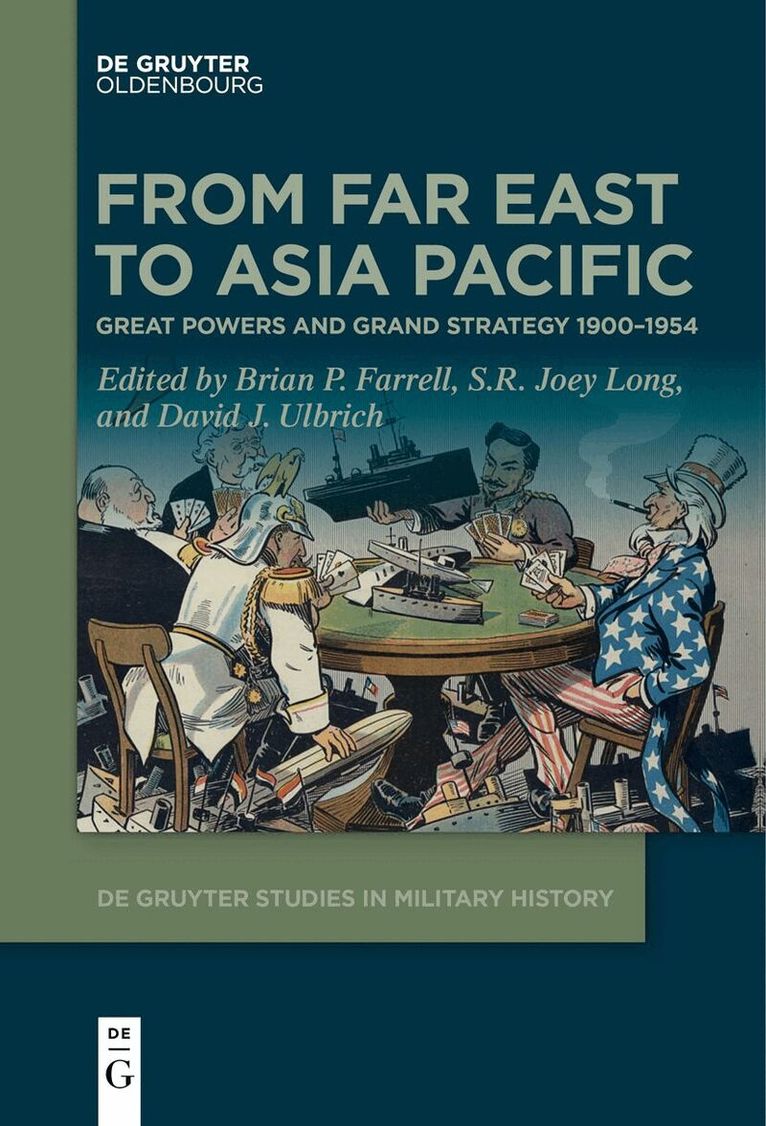
From Far East to Asia Pacific
Great Powers and Grand Strategy 1900–1954
Av Brian P. Farrell, S.R. Joey Long m. fl.
Häftad, 2024
318 kr
Lägg i varukorg
The years 1900 to 1954 marked the transformation from an exotic, colonized "Far East" to a more autonomous, prominent "Asia Pacific". This anthology examines the grand strategies of great powers as they vied for influence and ultimately hegemony in the region. At the turn of the twentieth century, …
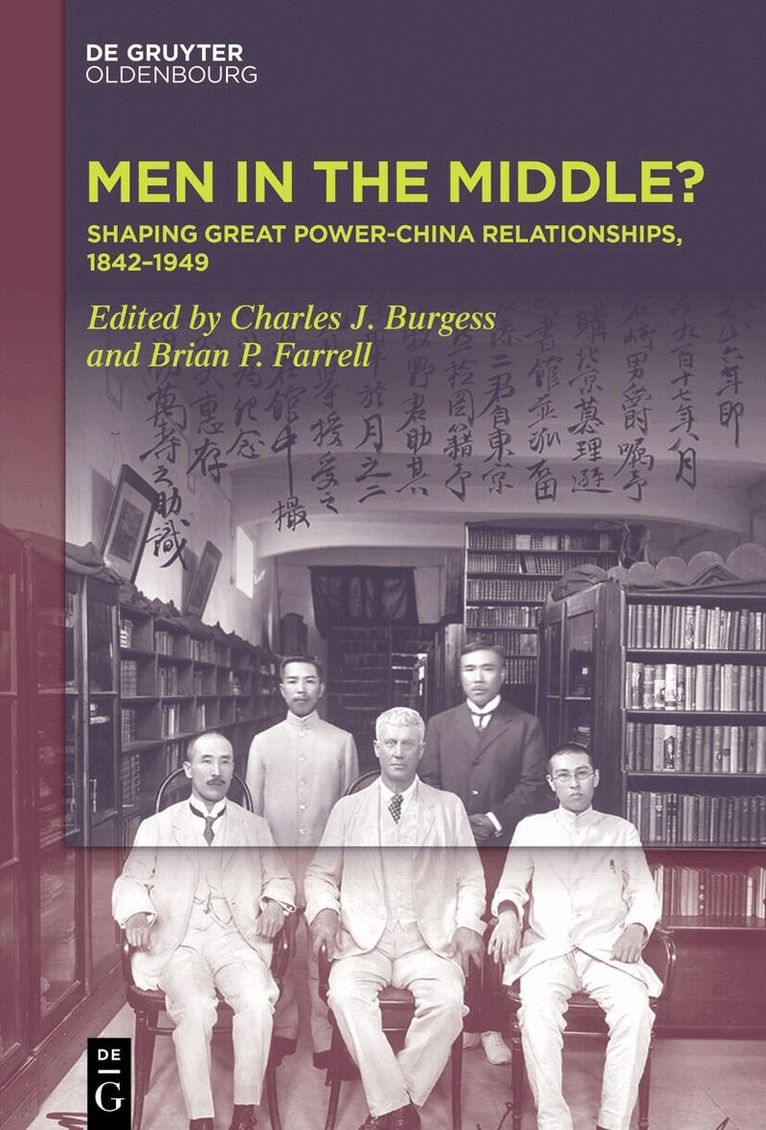
Men in the Middle
Shaping Great Power-China Relationships, 1842–1949
Av Charles J. Burgess, Brian P. Farrell
Inbunden, 2025
1633 kr
Lägg i varukorg
There is no time period or theme that promotes more engagement, by both Chinese historians and historians of China, than what the Peoples Republic of China describes as "the century of humiliation," the period of the "unequal treaties," in which first Qing and then Republican China found themselves …