Brian Q. Cannon - Böcker
Visar alla böcker från författaren Brian Q. Cannon. Handla med fri frakt och snabb leverans.
7 produkter
7 produkter
666 kr
Skickas inom 10-15 vardagar
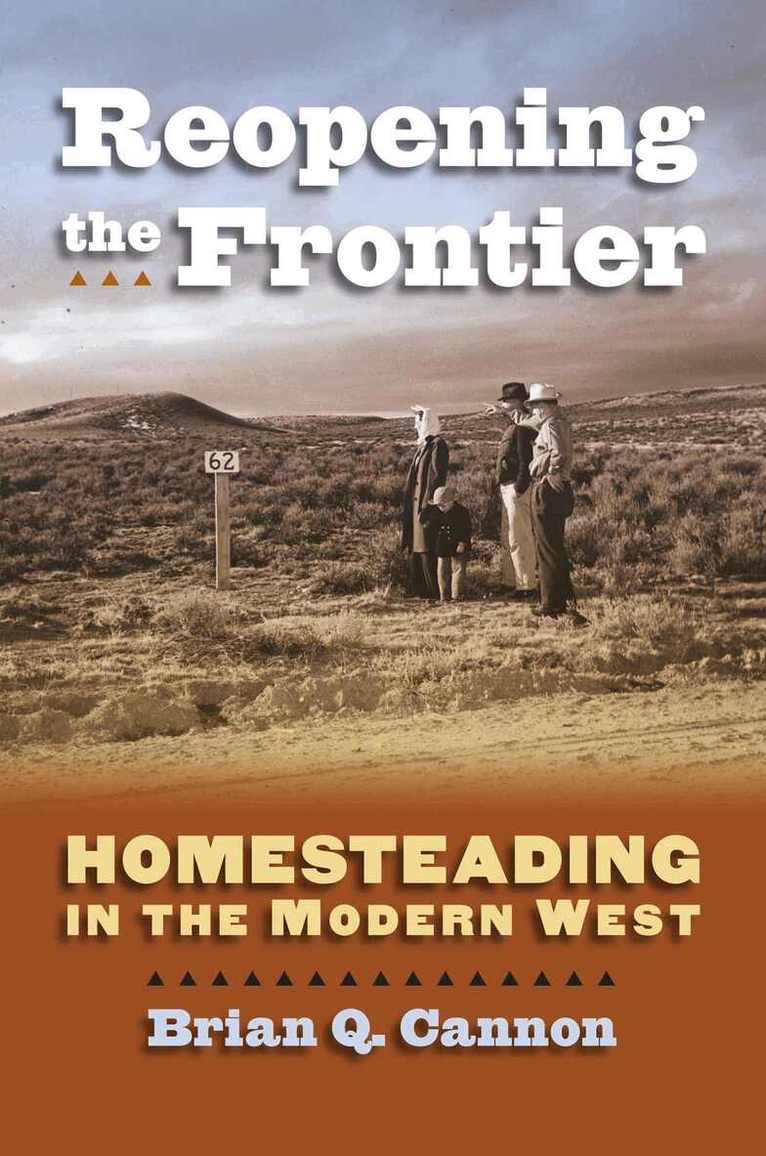
The offer of free farmland after World War II may not have sparked the same stampede that it did in frontier days, but, as Brian Cannon shows in this path-breaking study, postwar homesteading continued to shape the modern West in important ways. Between 1946 and 1966, the Bureau of Reclamation opened up over 3,000 farms on irrigated public lands in the West to returning servicemen. Although involving fewer people than those flocking to western cities, this mini - land rush represents an important continuity in western tradition through the cultivation of values - hard work, security, independence, family stability - long associated with frontier life. Cannon examines these new agricultural settlements and the values they reflected and reinforced, following them through the end of the twentieth century and exploring specific key homesteading and federal reclamation projects. Cannon describes how the Bureau of Reclamation used lotteries to make available free land that had previously been part of Indian reservations, used for Japanese internment, or abandoned by unsuccessful settlers. He then traces the new homesteaders' experiences in establishing a farm, 'proving up,' and gaining title to the land, contrasting the realities of modern homesteading with iconic views of the frontier. Combining archival research with oral history, Cannon opens up genuinely human vistas in the homesteading process. He chronicles the hard life that many of the settlers faced and details wrangling over water policy - which both influenced and was influenced by westerners' shifting perception of the frontier - as well as the impact of shifting values and priorities on agricultural communities. Examining a number of homesteading efforts, he focuses particularly on the failed Riverton Project in central Wyoming, where after fifteen years a group of settlers petitioned Congress for restitution; and the Klamath Project in northern California, where attempts to open new homesteads aroused nationwide opposition from wildlife and sportsmen's organizations. Cannon concludes by examining the continued appeal of homesteading even in the twenty-first century, as individuals seeking to reorient their lives - and local governments seeking to repopulate their districts - have reinvented homesteading. ""Reopening the Frontier"" opens up a little-studied aspect of modern western history to show that the pioneer spirit lives on.
380 kr
Skickas inom 5-8 vardagar
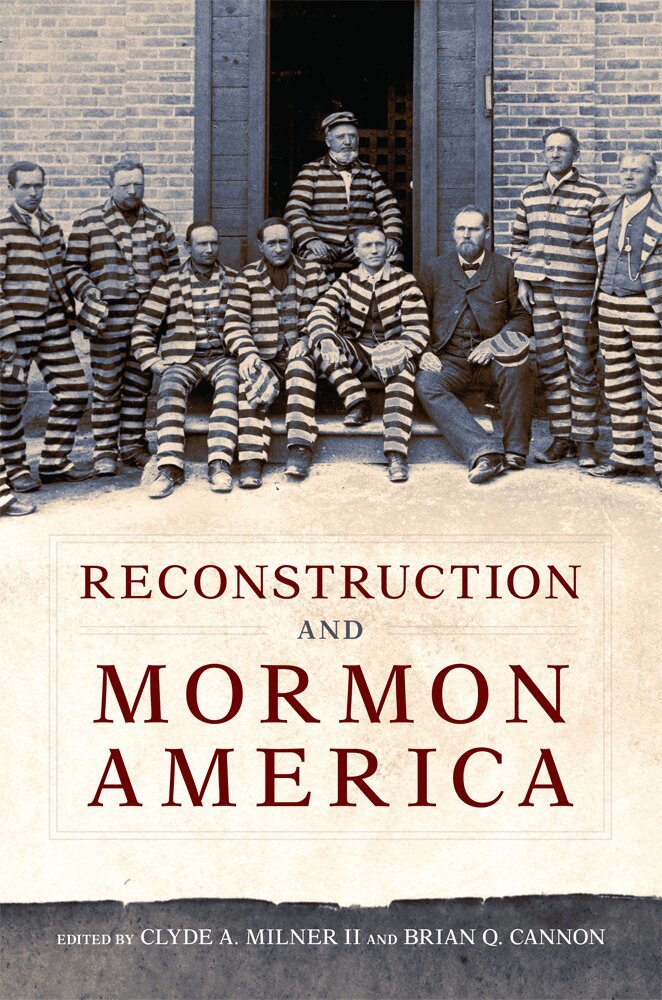
The South has been the standard focus of Reconstruction, but reconstruction following the Civil War was not a distinctly Southern experience. In the post-Civil War West, American Indians also experienced reconstruction through removal to reservations and assimilation to Christianity, and Latter-day Saints - Mormons - saw government actions to force the end of polygamy under threat of disestablishing the church. These efforts to bring nonconformist Mormons into the American mainstream figure in the more familiar scheme of the federal government's reconstruction - aimed at rebellious white Southerners and uncontrolled American Indians. In this volume, more than a dozen contributors look anew at the scope of the reconstruction narrative and offer a unique perspective on the history of the Latter-day Saints.Marshaled by editors Clyde A. Milner II and Brian Q. Cannon, these writers explore why the federal government wanted to reconstruct Latter-day Saints, when such efforts began, and how the initiatives compare with what happened with white Southerners and American Indians. Other contributions examine the effect of the government's policies on Mormon identity and sense of history. Why, for example, do Latter-day Saints not have a Lost Cause? Do they share a resentment with American Indians over the loss of sovereignty? And were nineteenth-century Mormons considered to be on the ""wrong"" side of a religious line, but not a ""race line""? The authors consider these and other vital questions and topics here. Together, and in dialogue with one another, their work suggests a new way of understanding the regional, racial, and religious dynamics of reconstruction - and, within this framework, a new way of thinking about the creation of a Mormon historical identity.
234 kr
Skickas inom 10-15 vardagar
The South has been the standard focus of Reconstruction, but reconstruction following the Civil War was not a distinctly Southern experience. In the post–Civil War West, American Indians also experienced reconstruction through removal to reservations and assimilation to Christianity, and Latter-day Saints—Mormons—saw government actions to force the end of polygamy under threat of disestablishing the church. These efforts to bring nonconformist Mormons into the American mainstream figure in the more familiar scheme of the federal government’s reconstruction—aimed at rebellious white Southerners and uncontrolled American Indians. In this volume, more than a dozen contributors look anew at the scope of the reconstruction narrative and offer a unique perspective on the history of the Latter-day Saints.Marshaled by editors Clyde A. Milner II and Brian Q. Cannon, these writers explore why the federal government wanted to reconstruct Latter-day Saints, when such efforts began, and how the initiatives compare with what happened with white Southerners and American Indians. Other contributions examine the effect of the government’s policies on Mormon identity and sense of history. Why, for example, do Latter-day Saints not have a Lost Cause? Do they share a resentment with American Indians over the loss of sovereignty? And were nineteenth-century Mormons considered to be on the “wrong” side of a religious line, but not a “race line”? The authors consider these and other vital questions and topics here. Together, and in dialogue with one another, their work suggests a new way of understanding the regional, racial, and religious dynamics of reconstruction—and, within this framework, a new way of thinking about the creation of a Mormon historical identity.
469 kr
Tillfälligt slut
292 kr
Skickas inom 11-20 vardagar
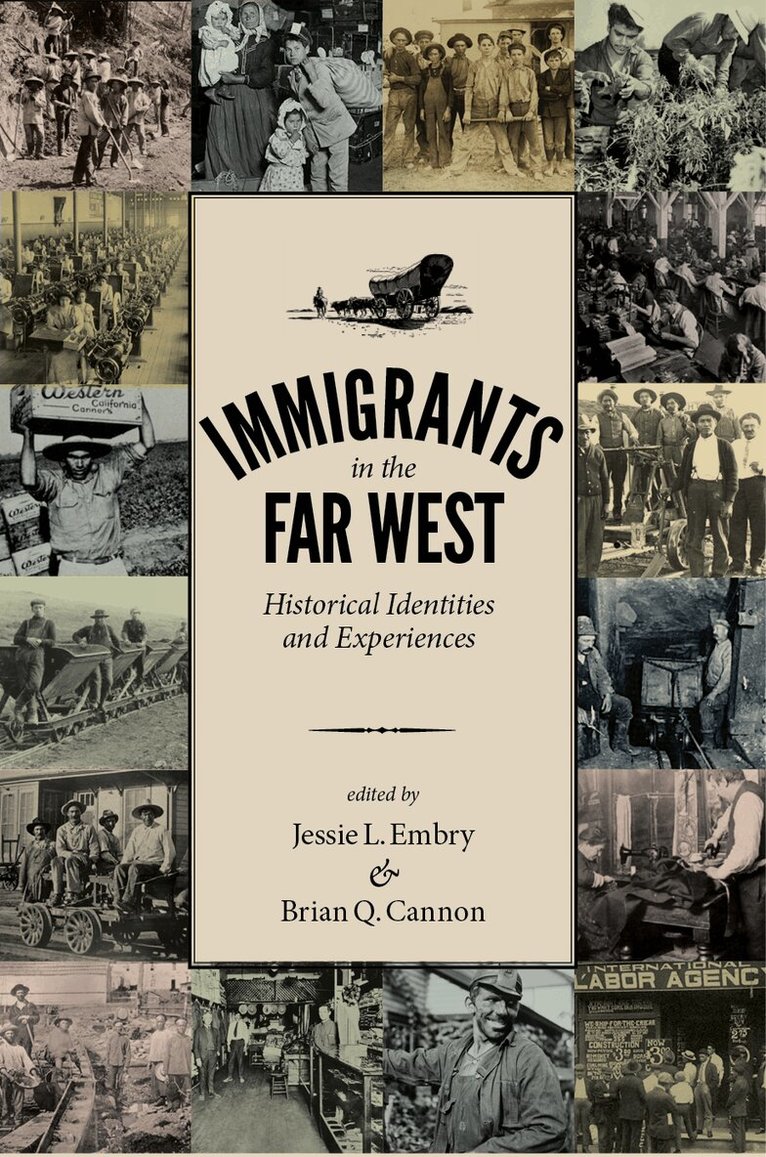
This collection showcases the cutting-edge research and innovative approaches that a new generation of scholars is bringing to the study of immigration in the American West. Often overlooked in general studies of immigration, the western United States has been and remains an important destination. The unique combination of ethnicities and races in the West, combined with political and economic peculiarities, has given the region an immigration narrative that departs significantly from those of the East and Midwest. This volume explores facets of this narrative with case studies that reveal how immigration in the American West has influenced the region’s development culturally, economically, socially, and politically. Contributors illuminate factors that have galvanized immigration and the ways that agency, cultural resources, institutions, and societal attitudes have shaped immigrant experiences. The book’s interdisciplinary framework will make it of broad interest.
305 kr
Skickas inom 11-20 vardagar
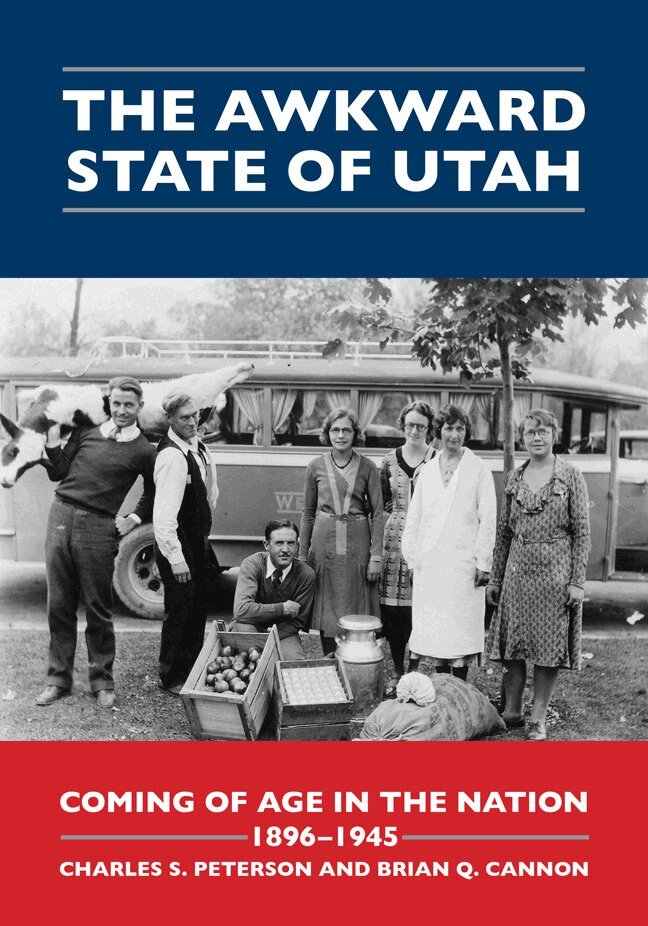
The half century between statehood in 1896 and the end of World War II in 1945 was a period of transformation and transition for Utah. This book interprets those profound changes, revealing sweeping impacts on both institutions and ordinary people. Drawing upon expertise honed over decades of teaching, researching, and writing about Utah’s history, the authors incorporate fresh archival sources, new oral histories, and hundreds of scholarly articles and books as they narrate the little-known story of the crucial formative years when Utah came of age.During its sometimes awkward years of adolescence and maturation, Utah was gradually incorporated into the American political, social, and economic mainstream. Urban and industrial influences supplanted agrarian traditions, displacing people socially, draining the countryside of population, and galvanizing a critical crisis in values and self-identification. National corporations and mass labor movements took root in the state as commerce expanded. Involvement in world events such as the Spanish-American War, two world wars, and the Great Depression further set the stage for entry into the modern, globalized world as Utahns immersed themselves in national politics and became part of the democratic, corporate culture of twentieth-century America.
343 kr
Skickas inom 3-6 vardagar