
Brian R. Dott – författare
Visar alla böcker från författaren Brian R. Dott. Handla med fri frakt och snabb leverans.
3 produkter
3 produkter
1 077 kr
Skickas inom 5-8 vardagar
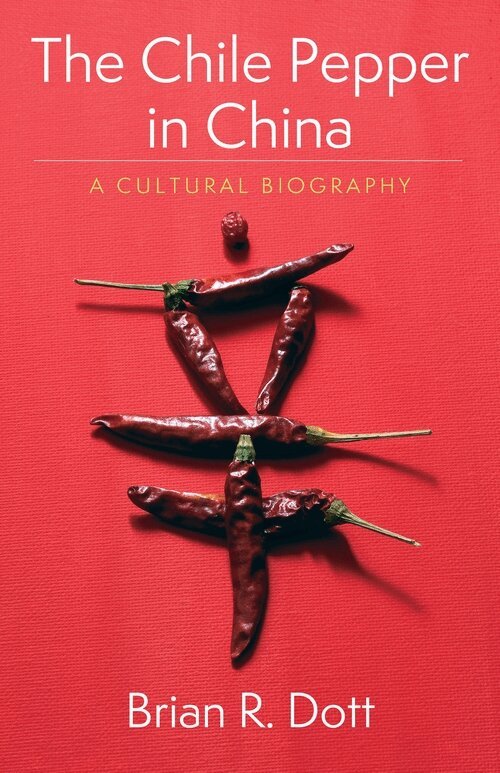
Chinese cuisine without chile peppers seems unimaginable. Entranced by the fiery taste, diners worldwide have fallen for Chinese cooking. In China, chiles are everywhere, from dried peppers hanging from eaves to Mao’s boast that revolution would be impossible without chiles, from the eighteenth-century novel Dream of the Red Chamber to contemporary music videos. Indeed, they are so common that many Chinese assume they are native. Yet there were no chiles anywhere in China prior to the 1570s, when they were introduced from the Americas.Brian R. Dott explores how the nonnative chile went from obscurity to ubiquity in China, influencing not just cuisine but also medicine, language, and cultural identity. He details how its versatility became essential to a variety of regional cuisines and swayed both elite and popular medical and healing practices. Dott tracks the cultural meaning of the chile across a wide swath of literary texts and artworks, revealing how the spread of chiles fundamentally altered the meaning of the term spicy. He emphasizes the intersection between food and gender, tracing the chile as a symbol for both male virility and female passion. Integrating food studies, the history of medicine, and Chinese cultural history, The Chile Pepper in China sheds new light on the piquant cultural impact of a potent plant and raises broader questions regarding notions of authenticity in cuisine.
271 kr
Skickas inom 5-8 vardagar
Chinese cuisine without chile peppers seems unimaginable. Entranced by the fiery taste, diners worldwide have fallen for Chinese cooking. In China, chiles are everywhere, from dried peppers hanging from eaves to Mao’s boast that revolution would be impossible without chiles, from the eighteenth-century novel Dream of the Red Chamber to contemporary music videos. Indeed, they are so common that many Chinese assume they are native. Yet there were no chiles anywhere in China prior to the 1570s, when they were introduced from the Americas.Brian R. Dott explores how the nonnative chile went from obscurity to ubiquity in China, influencing not just cuisine but also medicine, language, and cultural identity. He details how its versatility became essential to a variety of regional cuisines and swayed both elite and popular medical and healing practices. Dott tracks the cultural meaning of the chile across a wide swath of literary texts and artworks, revealing how the spread of chiles fundamentally altered the meaning of the term spicy. He emphasizes the intersection between food and gender, tracing the chile as a symbol for both male virility and female passion. Integrating food studies, the history of medicine, and Chinese cultural history, The Chile Pepper in China sheds new light on the piquant cultural impact of a potent plant and raises broader questions regarding notions of authenticity in cuisine.
Del 244 - Harvard East Asian Monographs
Identity Reflections
Pilgrimages to Mount Tai in Late Imperial China
Inbunden, Engelska, 2005
407 kr
Skickas inom 5-8 vardagar
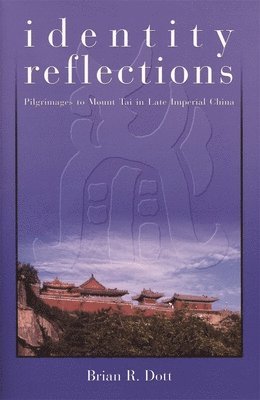
Mount Tai in northeastern China has long been a sacred site. Indeed, it epitomizes China’s religious and social diversity. Throughout history, it has been a magnet for both women and men from all classes—emperors, aristocrats, officials, literati, and villagers. For much of the past millennium, however, the vast majority of pilgrims were illiterate peasants who came to pray for their deceased ancestors, as well as for sons, good fortune, and health.Each of these social groups approached Mount Tai with different expectations. Each group’s or individual’s view of the world, interpersonal relationships, and ultimate goals or dreams—in a word, its identity—was reflected in its interactions with this sacred site. This book examines the behavior of those who made the pilgrimage to Mount Tai and their interpretations of its sacrality and history, as a means of better understanding their identities and mentalities. It is the first to trace the social landscape of Mount Tai, to examine the mindsets not just of prosperous, male literati but also of women and illiterate pilgrims, and to combine evidence from fiction, poetry, travel literature, and official records with the findings of studies of material culture and anthropology.