Brian W. Breed – författare
Visar alla böcker från författaren Brian W. Breed. Handla med fri frakt och snabb leverans.
4 produkter
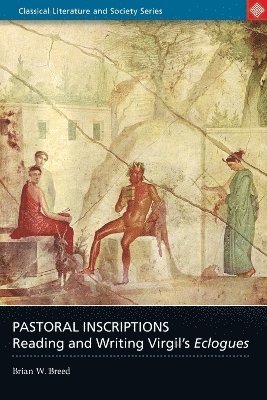
Pastoral Inscriptions
Reading and Writing Virgil's Eclogues
Häftad, 2006
592 kr
Lägg i varukorg
Virgil's "Eclogues" represent the introduction of a new genre, pastoral, to Latin literature. Generic markers of pastoral in the "Eclogues" include not only the representation of the singing and speaking of shepherd characters, but also the learned density of the text itself. Here, Brian W. Breed …
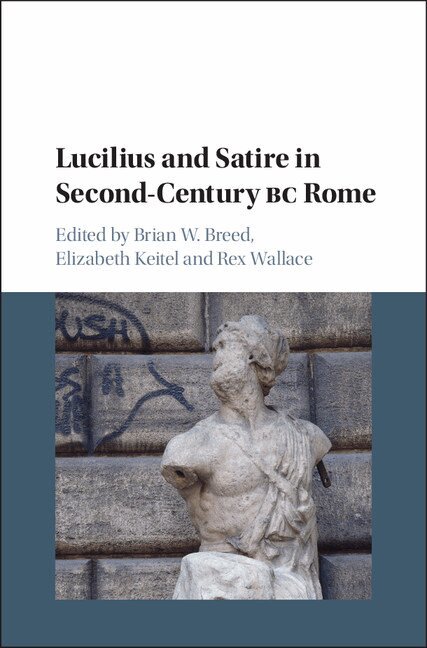
Lucilius and Satire in Second-Century BC Rome
Av Brian W. Breed, Elizabeth Keitel m. fl.
Inbunden, 2018
1872 kr
Lägg i varukorg
This volume considers linguistic, cultural, and literary trends that fed into the creation of Roman satire in second-century BC Rome. Combining approaches drawn from linguistics, Roman history, and Latin literature, the chapters share a common purpose of attempting to assess how Lucilius' satires …
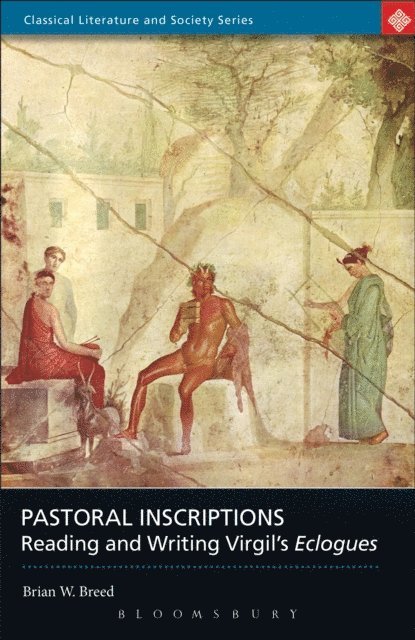
Pastoral Inscriptions
Reading and Writing Virgil's Eclogues
E-bok, 2013
645 kr
Lägg i varukorg
Virgil''s "Eclogues" represent the introduction of a new genre, pastoral, to Latin literature. Generic markers of pastoral in the "Eclogues" include not only the representation of the singing and speaking of shepherd characters, but also the learned density of the text itself. Here, Brian W. Breed …
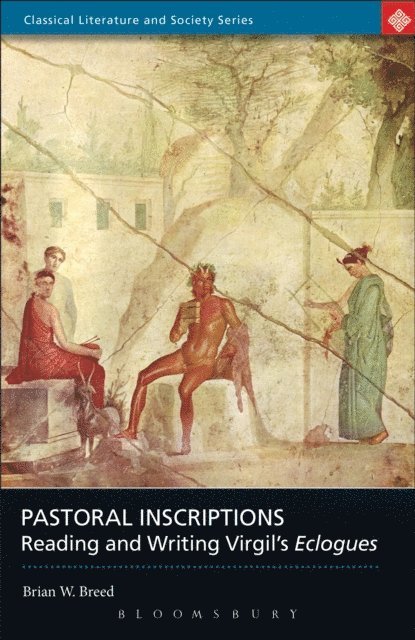
Pastoral Inscriptions
Reading and Writing Virgil's Eclogues
E-bok, 2013
645 kr
Lägg i varukorg
Virgil''s "Eclogues" represent the introduction of a new genre, pastoral, to Latin literature. Generic markers of pastoral in the "Eclogues" include not only the representation of the singing and speaking of shepherd characters, but also the learned density of the text itself. Here, Brian W. Breed …