Brigid O'Keeffe – författare
Visar alla böcker från författaren Brigid O'Keeffe. Handla med fri frakt och snabb leverans.
13 produkter
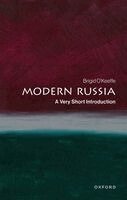
Modern Russia
A Very Short Introduction
Häftad, 2027
116 kr
Kommande
Very Short Introductions: Brilliant, Sharp, Inspiring Russia's modern history spans the era of reform following the Crimean War to the uncertainties of 21st century aggression. Modern Russia: A Very Short Introduction by Brigid O'Keeffe provides an overview of the major figures, events, and ideas …
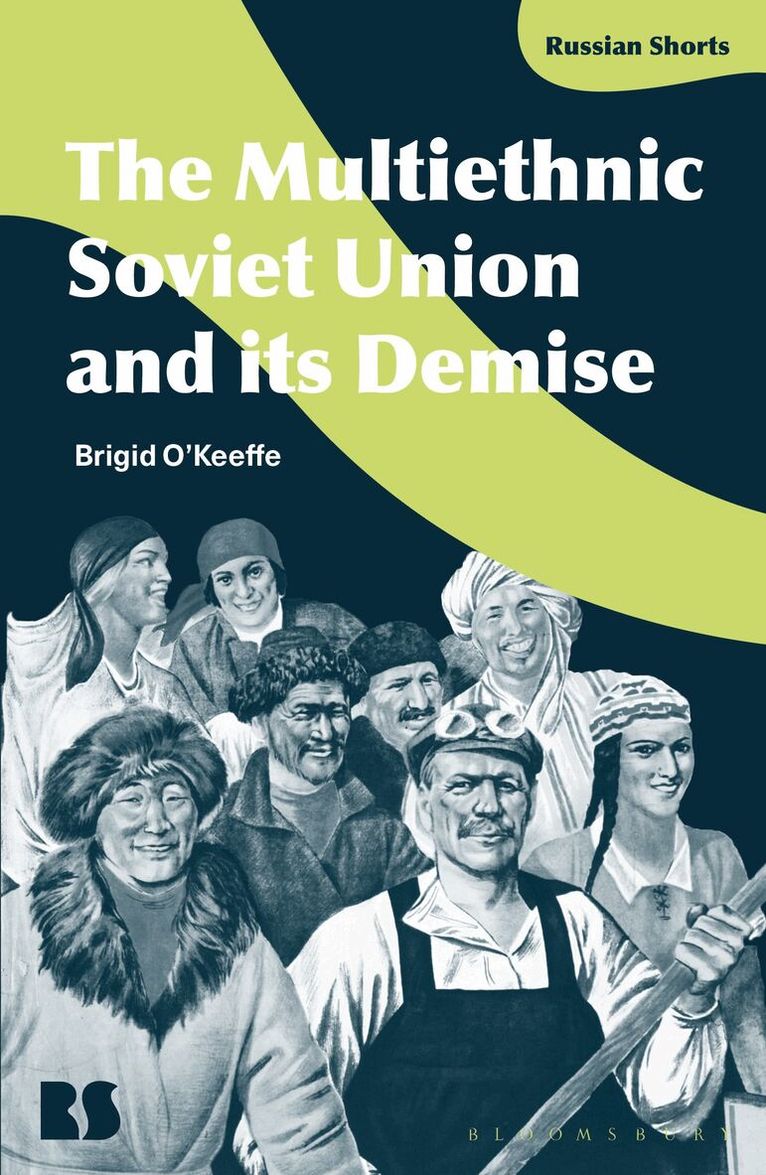
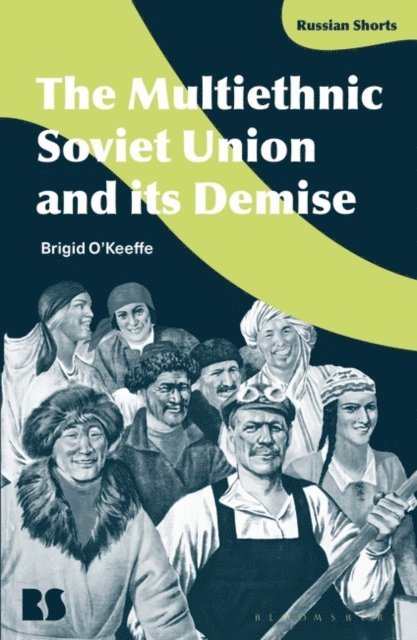
Multiethnic Soviet Union and its Demise
Av Brigid O'Keeffe, Stephen M. Norris m. fl.
Häftad, 2022
207 kr
Lägg i varukorg
This book is the first to offer a concise, accessible overview of the evolution of the Soviet Union as a multiethnic empire. It reflects on how the Soviet Union was home to many ethnic minorities, and how their fates, and that of the USSR itself, were bound to the question of how the Soviet state …
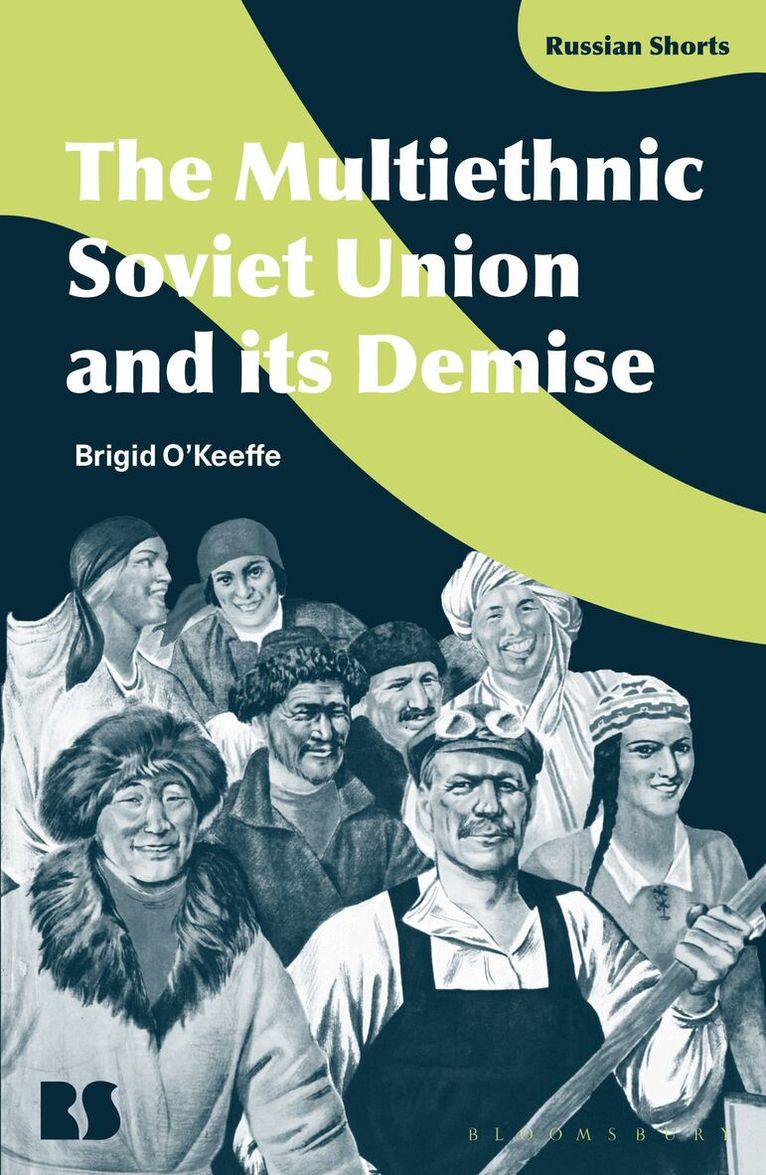
Multiethnic Soviet Union and its Demise
Av Brigid O'Keeffe, Eugene M. Avrutin
Inbunden, 2022
807 kr
Lägg i varukorg
This book is the first to offer a concise, accessible overview of the evolution of the Soviet Union as a multiethnic empire. It reflects on how the Soviet Union was home to many ethnic minorities, and how their fates, and that of the USSR itself, were bound to the question of how the Soviet state …
Multiethnic Soviet Union and its Demise
E-bok, 2022
241 kr
Lägg i varukorg
This book is the first to offer a concise, accessible overview of the evolution of the Soviet Union as a multiethnic empire. It reflects on how the Soviet Union was home to many ethnic minorities, and how their fates, and that of the USSR itself, were bound to the question of how the Soviet state …
Multiethnic Soviet Union and its Demise
E-bok, 2022
236 kr
Lägg i varukorg
This book is the first to offer a concise, accessible overview of the evolution of the Soviet Union as a multiethnic empire. It reflects on how the Soviet Union was home to many ethnic minorities, and how their fates, and that of the USSR itself, were bound to the question of how the Soviet state …
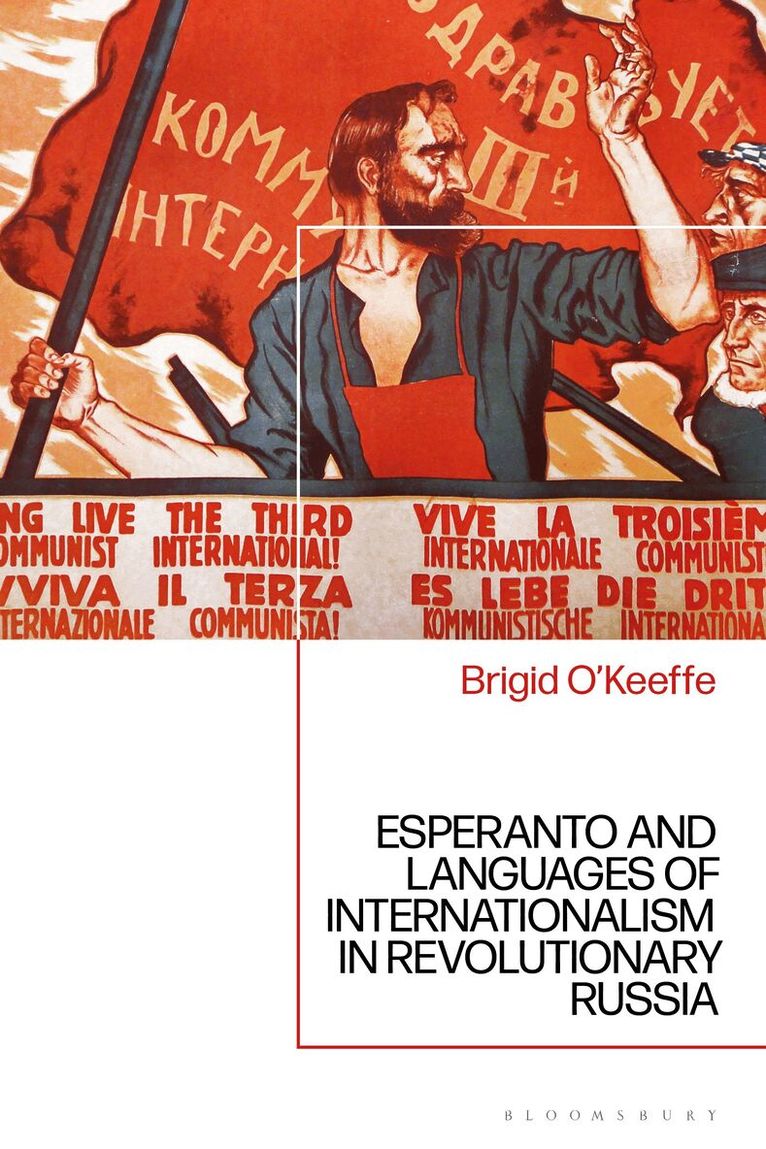
Esperanto and Languages of Internationalism in Revolutionary Russia
Inbunden, 2021
1462 kr
Lägg i varukorg
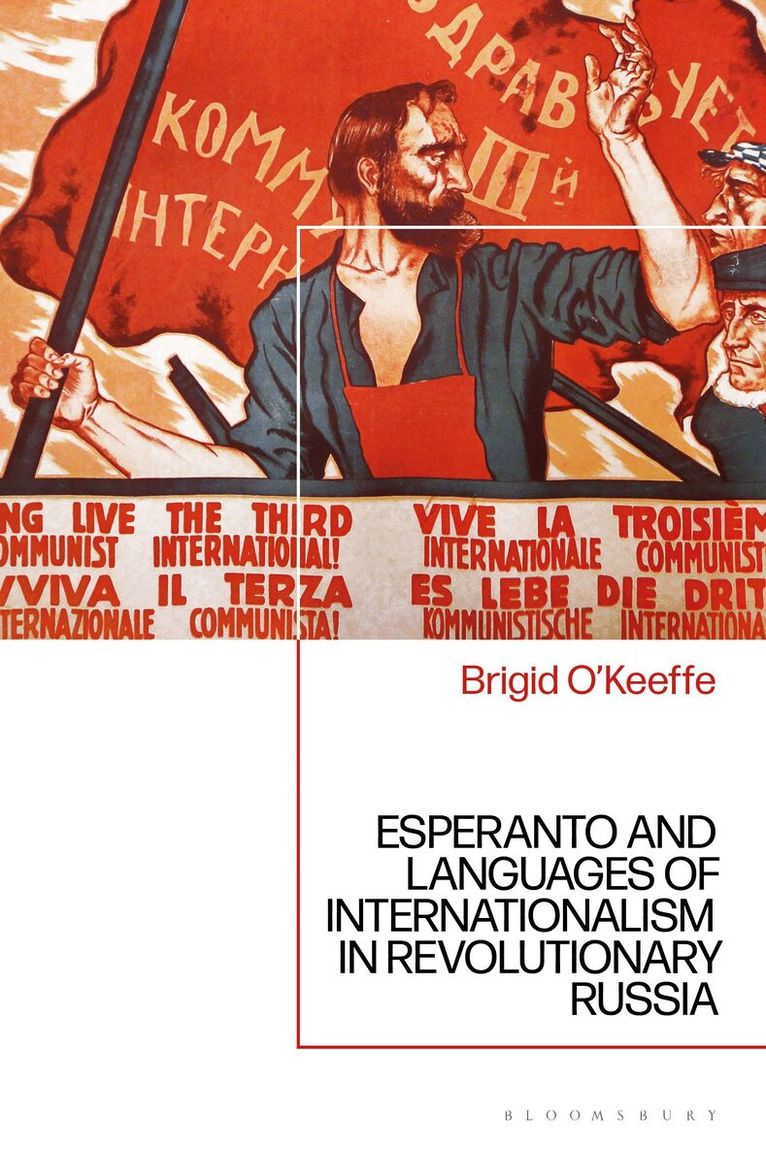
Winner of the 2022 Ab Imperio Award Hoping to unite all of humankind and revolutionize the world, Ludwik Zamenhof launched a new international language called Esperanto from late imperial Russia in 1887. Ordinary men and women in Russia and all over the world soon transformed Esperanto into a …
Esperanto and Languages of Internationalism in Revolutionary Russia
E-bok, 2021
514 kr
Lägg i varukorg
Winner of the 2022 Ab Imperio Award Hoping to unite all of humankind and revolutionize the world, Ludwik Zamenhof launched a new international language called Esperanto from late imperial Russia in 1887. Ordinary men and women in Russia and all over the world soon transformed Esperanto into a …
Esperanto and Languages of Internationalism in Revolutionary Russia
E-bok, 2021
514 kr
Lägg i varukorg
Winner of the 2022 Ab Imperio Award Hoping to unite all of humankind and revolutionize the world, Ludwik Zamenhof launched a new international language called Esperanto from late imperial Russia in 1887. Ordinary men and women in Russia and all over the world soon transformed Esperanto into a …
Esperanto and Languages of Internationalism in Revolutionary Russia
Häftad, 2022
473 kr
Lägg i varukorg
Winner of the 2022 Ab Imperio Award Hoping to unite all of humankind and revolutionize the world, Ludwik Zamenhof launched a new international language called Esperanto from late imperial Russia in 1887. Ordinary men and women in Russia and all over the world soon transformed Esperanto into a …
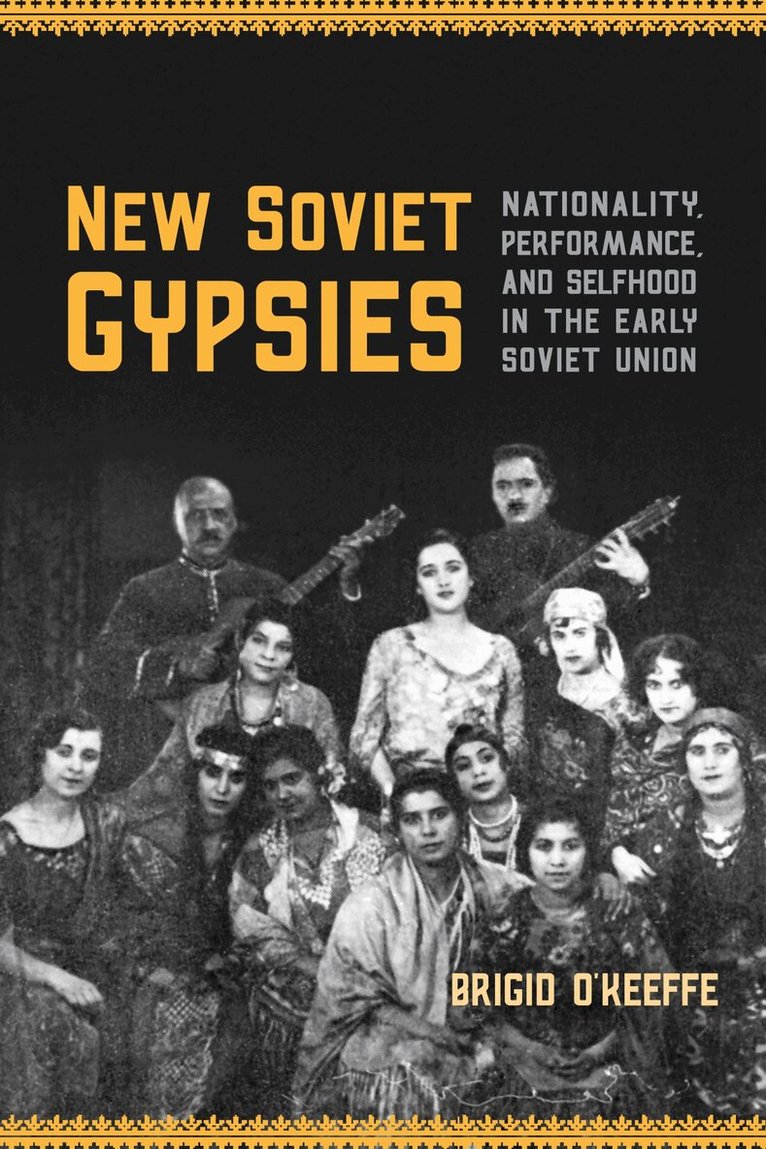
New Soviet Gypsies
Nationality, Performance, and Selfhood in the Early Soviet Union
Inbunden, 2013
668 kr
Lägg i varukorg
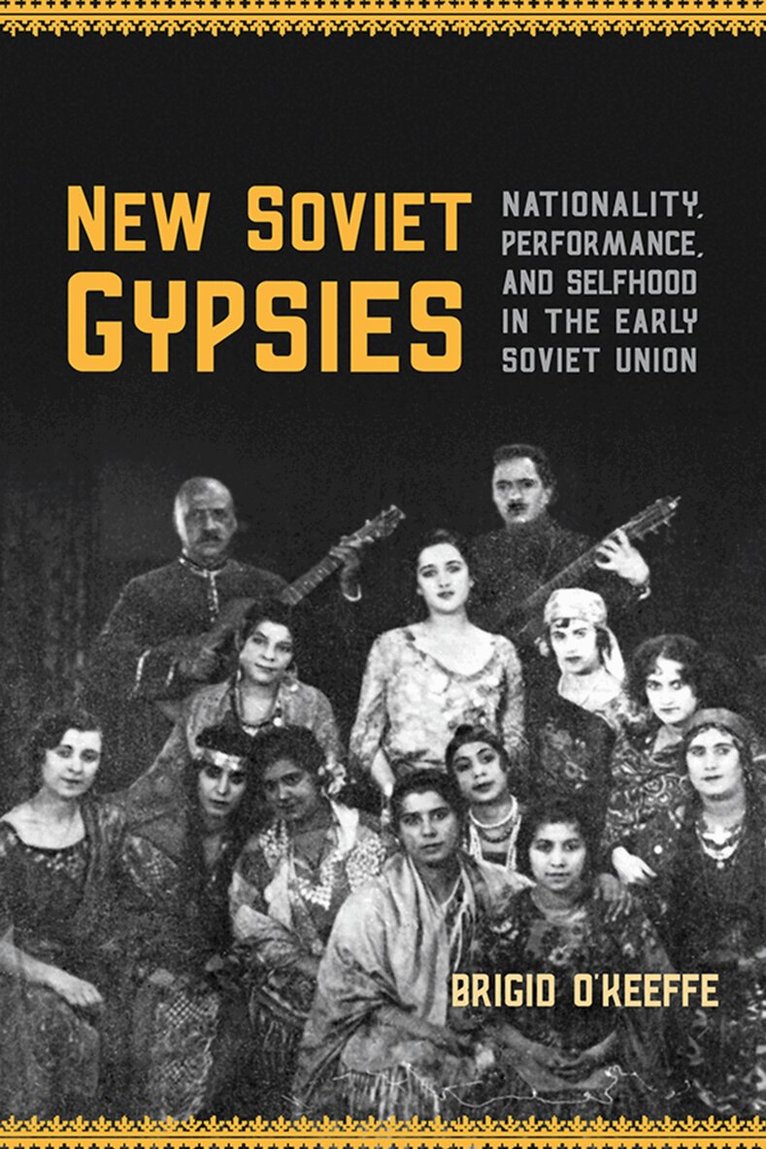
As perceived icons of indifferent marginality, disorder, indolence, and parasitism, “Gypsies” threatened the Bolsheviks’ ideal of New Soviet Men and Women. The early Soviet state feared that its Romani population suffered from an extraordinary and potentially insurmountable cultural “backwardness,” …
New Soviet Gypsies
Nationality, Performance, and Selfhood in the Early Soviet Union
E-bok, 2013
509 kr
Lägg i varukorg
As perceived icons of indifferent marginality, disorder, indolence, and parasitism, “Gypsies” threatened the Bolsheviks’ ideal of New Soviet Men and Women. The early Soviet state feared that its Romani population suffered from an extraordinary and potentially insurmountable cultural “backwardness,” …
New Soviet Gypsies
Nationality, Performance, and Selfhood in the Early Soviet Union
E-bok, 2013
521 kr
Lägg i varukorg
As perceived icons of indifferent marginality, disorder, indolence, and parasitism, “Gypsies” threatened the Bolsheviks’ ideal of New Soviet Men and Women. The early Soviet state feared that its Romani population suffered from an extraordinary and potentially insurmountable cultural “backwardness,” …
New Soviet Gypsies
Nationality, Performance, and Selfhood in the Early Soviet Union
Häftad, 2020
366 kr
Lägg i varukorg
As perceived icons of indifferent marginality, disorder, indolence, and parasitism, “Gypsies” threatened the Bolsheviks’ ideal of New Soviet Men and Women. The early Soviet state feared that its Romani population suffered from an extraordinary and potentially insurmountable cultural “backwardness,” …