Brigt Dale - Böcker
Visar alla böcker från författaren Brigt Dale. Handla med fri frakt och snabb leverans.
3 produkter
3 produkter
534 kr
Skickas inom 10-15 vardagar
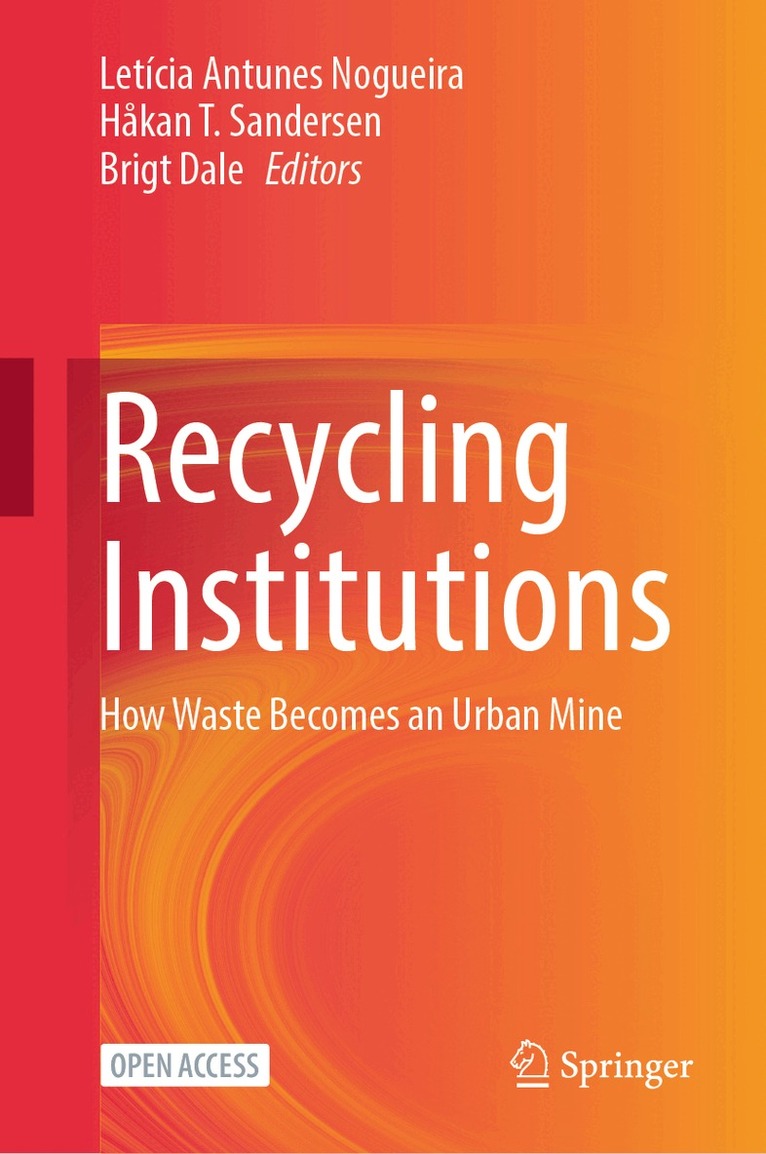
This open access book investigates the phenomenon of recycling institutions in urban mining using social sciences lenses on the empirical context of waste from electrical and electronic equipment (WEEE), landfills as a potential resource pool and the recycling of building materials in Norway.There is a dual meaning to the term ‘recycling institutions’, and this book has the ambition to explore both. The first refers to institutions that recycle, i.e., the institutional infrastructure that facilitates material recycling. From household attitudes and practices to the laws and regulations that govern waste management, there is an institutional apparatus that recycling relies upon, which gains increased importance as the sustainability agenda develops. The second meaning refers to the recycling of institutions, in the sense that the institutional setup itself is being repurposed and transformed. This more metaphorical meaning points to the way in which emerging societal ambitions (such as the circular economy) stretch and bend existing institutions by imposing new functions upon them. Institutions are conservative and backward-looking and tend to resist rapid and radical changes that are incompatible with the ideas and practices they are built on. So, whereas the first is about designing new institutions for circularity, the second is about modifying and “recycling” existing institutions to meet the challenges circularity may entail.The central premise is that relevant, supportive and well-functioning institutional environments are crucial in the transition to a greener society that encourages industries, businesses, households and citizens to act in more sustainable ways, and it identify both possibilities and obstacles in the emergence of institutions that support urban mining. This book integrates a range of disciplines in the social sciences to investigate the phenomenon of recycling institutions. By examining the case of urban mining in Norway, with a special focus on how existing structures developed for waste management can be repurposed to facilitate this new function, the book provides insight into a scenario where material sourcing from anthropogenic sources is dissociated from natural resource scarcity and is instead linked to political ambitions and an attempt to stay at the forefront of sustainability transitions.
1 272 kr
Skickas inom 10-15 vardagar
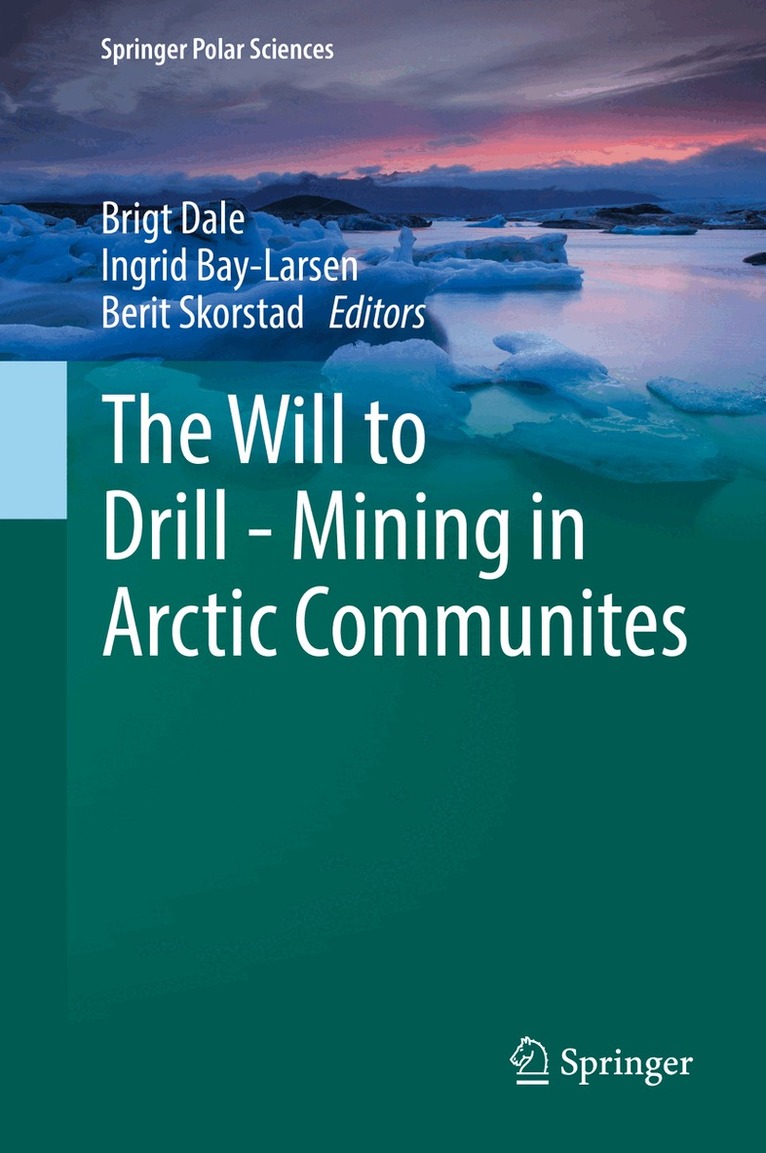
This book focuses on the connections between mining activities, knowledge politics and the valuation of landscape in selected case sites in Russia, Greenland and Norway, whilst considering the interrelated aspects of industrialized, natural resource based development and environmental concerns in the Arctic. The case studies in these three different countries reveals that there are indeed multiple ‘Arctics’ – not least concerning the way extractive industries are received and perceived – and that national legislation, public awareness and economic alternatives are amongst the variables that influence to what extent environmental ramifications of mining are accepted.Through analysis of political discourses, legal documents, grey literature, discussions in local and national media and empirical material from in-site fieldwork, the authors seek to understand how debates about mining reveal more general conflicts and concerns about how to define sustainability.The book contributes to the overall debates on both extractive industries and development trends in the Arctic, and will as such be of interest for both established scholars and students – as well as policy makers and the public. The compilation of cases and variety of analytical perspectives will further stimulate the ongoing debates concerning the impacts of extractive industries on communities – both in the Arctic and beyond.
1 272 kr
Skickas inom 10-15 vardagar
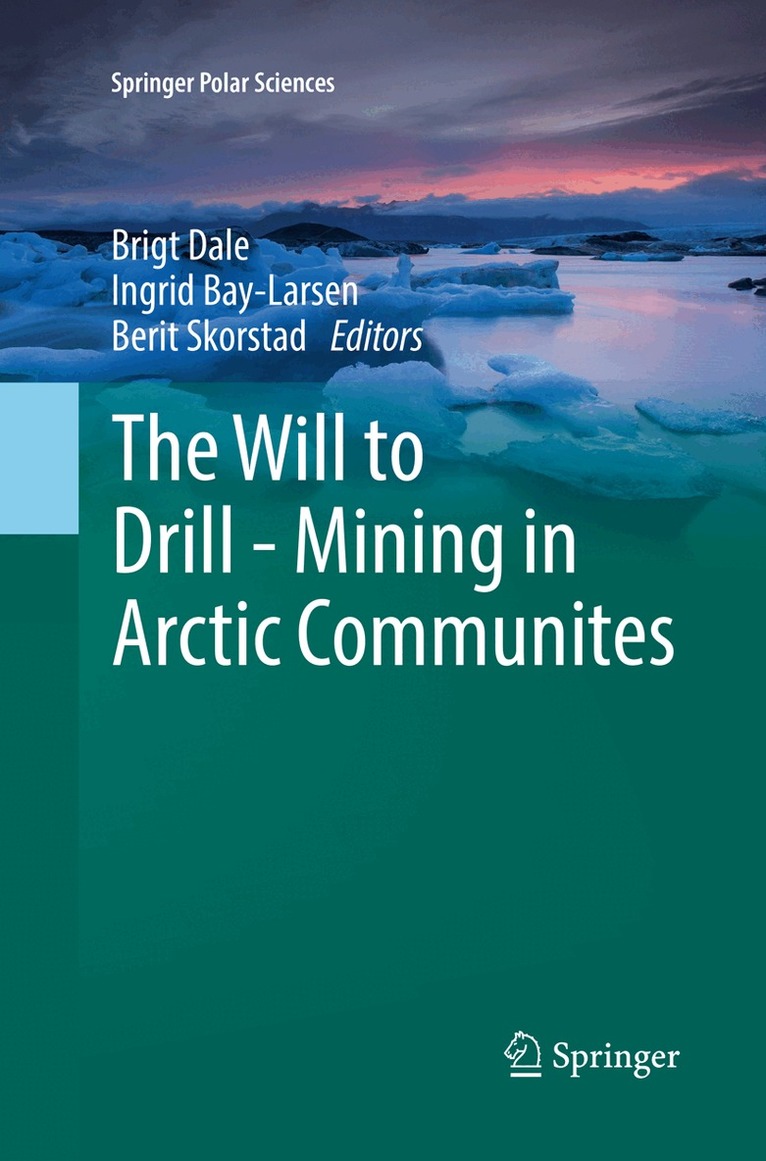
This book focuses on the connections between mining activities, knowledge politics and the valuation of landscape in selected case sites in Russia, Greenland and Norway, whilst considering the interrelated aspects of industrialized, natural resource based development and environmental concerns in the Arctic. The case studies in these three different countries reveals that there are indeed multiple ‘Arctics’ – not least concerning the way extractive industries are received and perceived – and that national legislation, public awareness and economic alternatives are amongst the variables that influence to what extent environmental ramifications of mining are accepted.Through analysis of political discourses, legal documents, grey literature, discussions in local and national media and empirical material from in-site fieldwork, the authors seek to understand how debates about mining reveal more general conflicts and concerns about how to define sustainability.The book contributes to the overall debates on both extractive industries and development trends in the Arctic, and will as such be of interest for both established scholars and students – as well as policy makers and the public. The compilation of cases and variety of analytical perspectives will further stimulate the ongoing debates concerning the impacts of extractive industries on communities – both in the Arctic and beyond.