Brinsley Samaroo - Böcker
Visar alla böcker från författaren Brinsley Samaroo. Handla med fri frakt och snabb leverans.
5 produkter
5 produkter
2 176 kr
Skickas inom 10-15 vardagar
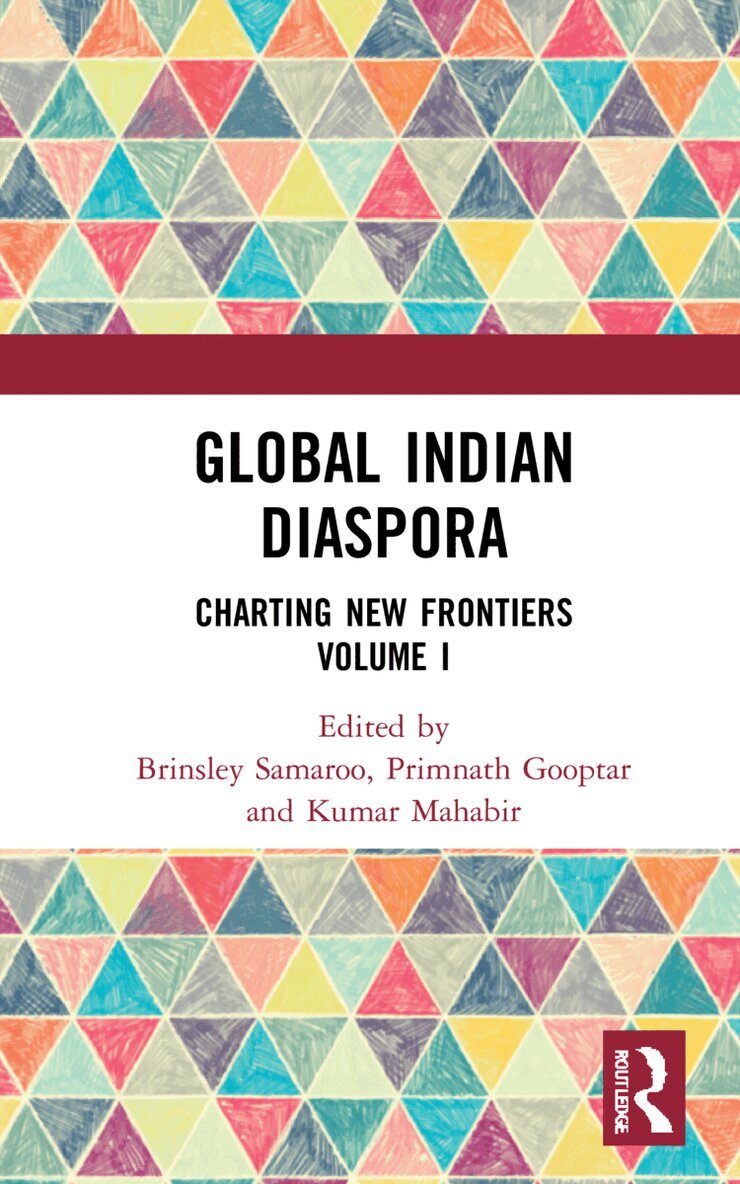
Indian Diaspora World Convention was held in Trinidad in 2017 to commemorate the 1917 decision of the Indian Legislature to end further recruitment of Indians for overseas indentured service.This part is volume I of the two volume work Global Indian Diaspora. It is a significant addition to current research on India’s cultural expansion into the Atlantic and Pacific worlds. In this volume, the former indentured Empire speaks back, giving its side of the narrative, not in an apologetic accounting but rather on the positive side in diverse ways. The Girmitiyas (lit. agreement signers) maintained their core values using these to gain anchorage in the new places. At the same time, they prudently took advantage of agencies, such as the Canadian Mission to gain admission to the wider westernized community. They maintained ties with India through frequent visits of Indian scholars and missionaries. They equally preserved their cultural observances derived from Indian antiquity adding diversity to the colonial society. All of these elements combine to give a refreshing perspective on the globalization of the world, which started long before all the time.Please note: Taylor & Francis does not sell or distribute the Hardback in India, Pakistan, Nepal, Bhutan, Bangladesh and Sri Lanka.
198 kr
Skickas inom 11-20 vardagar
355 kr
Skickas
111 kr
Skickas inom 7-10 vardagar
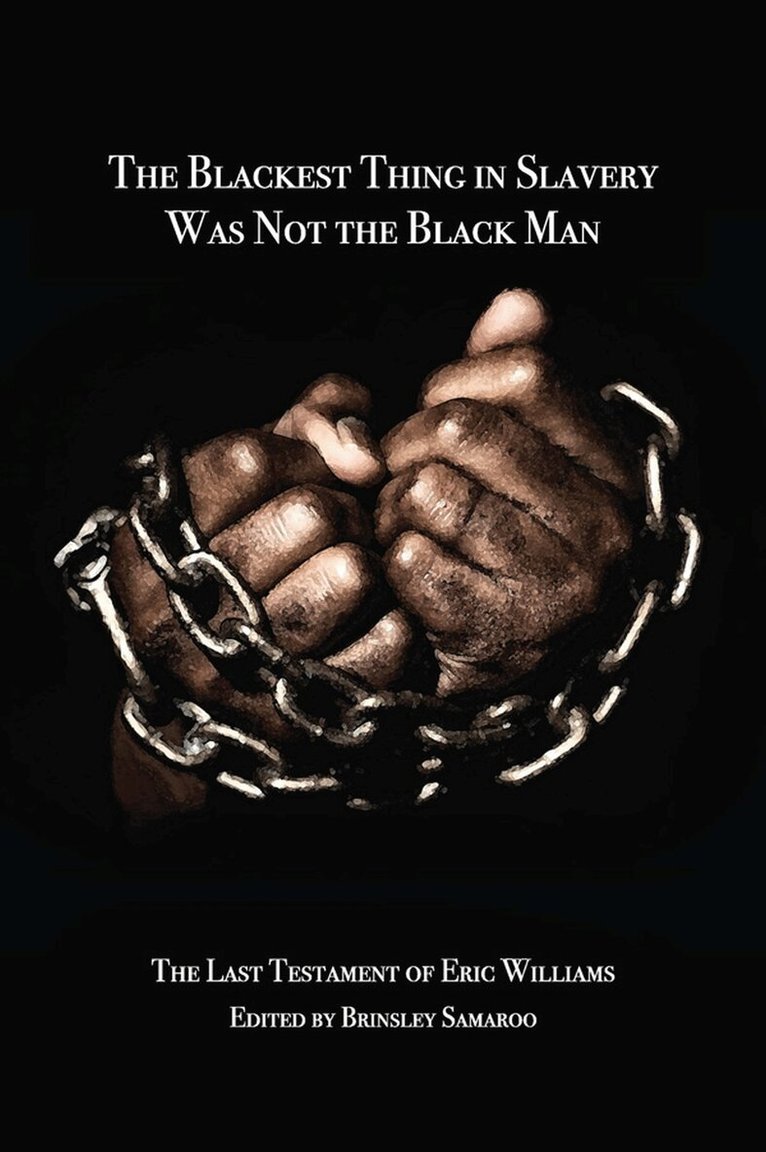
Blackest Thing in Slavery Was not the Black Man
The Last Testament of Eric Williams
Häftad, Engelska, 2022
489 kr
Skickas inom 10-15 vardagar
This book represents the final instalment of research and analysis by one of the Caribbean's foremost historians. In this volume, Eric Williams reflects on the institution of slavery from the ancient period in Europe down to New World African Slavery. The book also includes other forms of bondage which followed slavery, including Japanese, Chinese, Indians and Pacific peoples in many locations worldwide. The book points ways in which this bondage led to European and American prosperity and the manner in which bonded peoples created their own spaces. This they did through the preservation and revival of the transported culture to the new locations. The book makes a significant contribution in that it moves beyond African slavery. It continues the narrative after abolition by showing how the capitalist impulse enabled Europe and the United States to devise other (non-slavery) ways of further exploitation of non-African people in third world countries. These nations fought this further exploitation in banding together to create the south-to-south nonaligned movement which gave mutual assistance in a number of areas. Most other works tend to separate these issues or deal with them on a regional basis. Eric Williams offers a comprehensive view, tying up many themes in a vast compendium.