Brittany Pheiffer Noble – författare
Visar alla böcker från författaren Brittany Pheiffer Noble. Handla med fri frakt och snabb leverans.
14 produkter
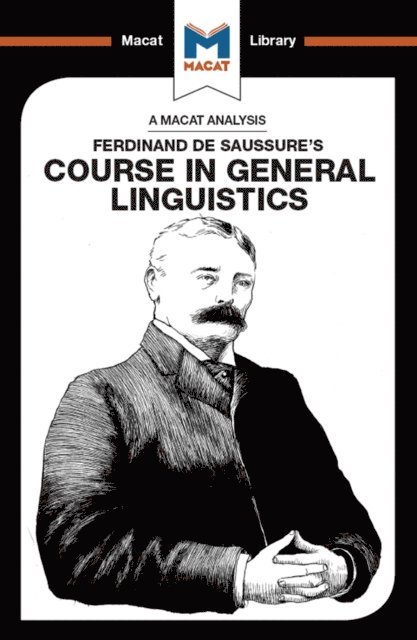
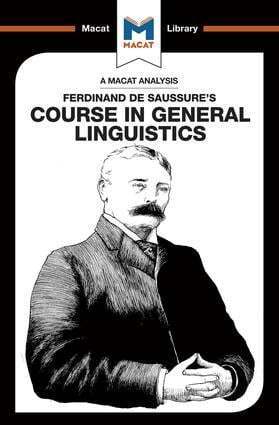
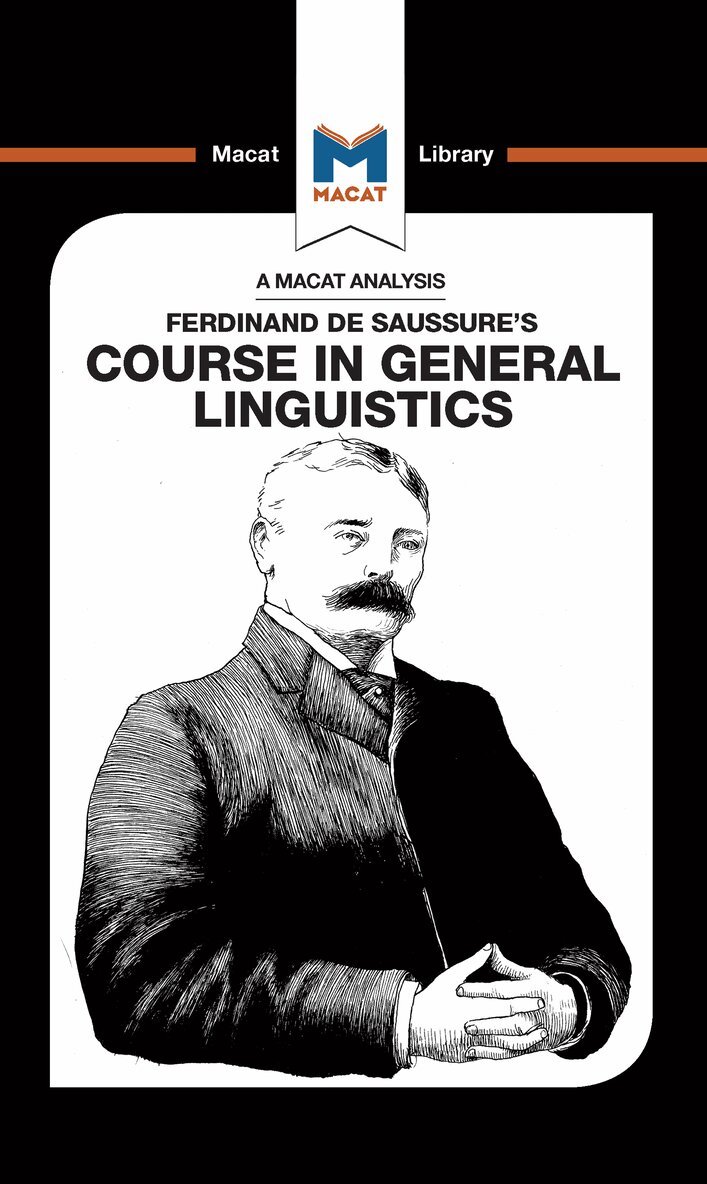
Analysis of Ferdinand de Saussure's Course in General Linguistics
Av Brittany Pheiffer Noble, Laura Key
E-bok, 2017
140 kr
Lägg i varukorg
Ferdinand de Saussure’s Course in General Linguistics is one of the most influential texts of the 20th-century – an astonishing feat for what is, at heart, a series of deeply technical lectures about the structure of human languages. What the Course’s vast influence shows, fundamentally, is the …
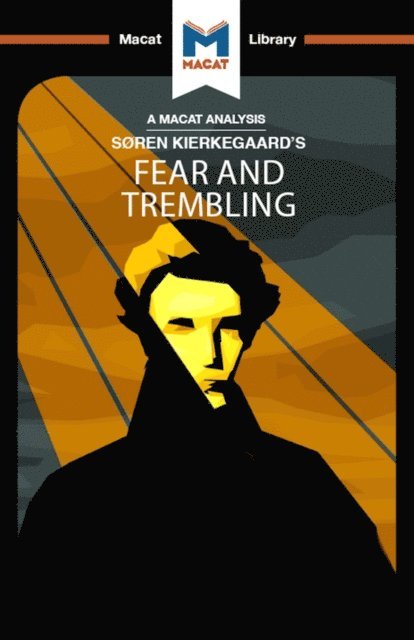
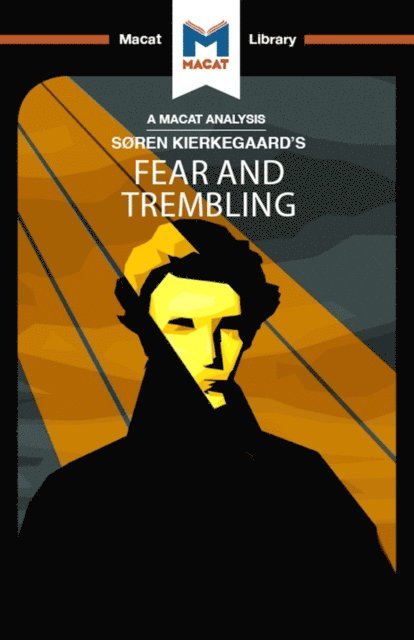
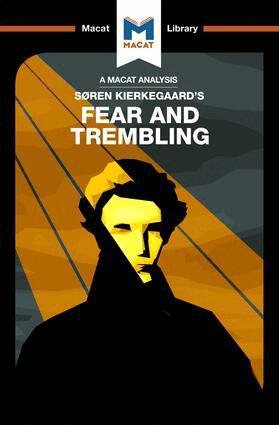
Analysis of Soren Kierkegaard's Fear and Trembling
E-bok, 2017
140 kr
Lägg i varukorg
Danish philosopher Søren Kierkegaard’s 1843 book Fear and Trembling shows precisely why he is regarded as one of the most significant and creative philosophers of the nineteenth century. Creative thinkers can be many things, but one of their common attributes is an ability to redefine, reframe and …
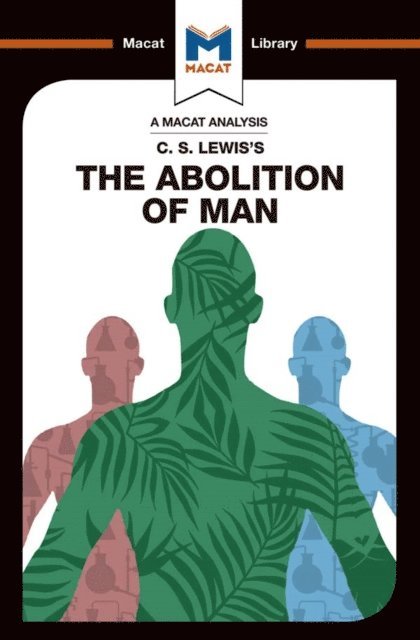
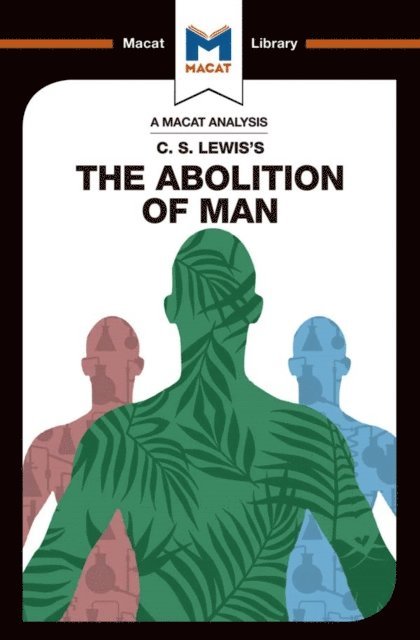
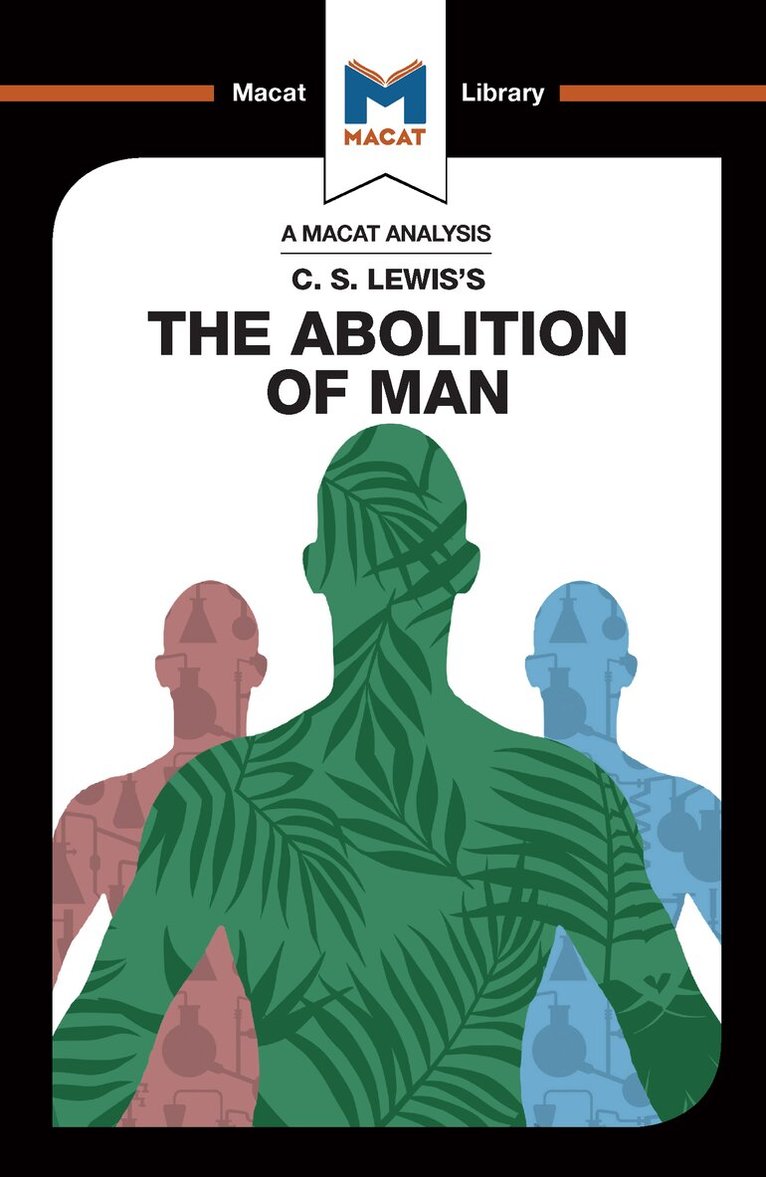
Analysis of C.S. Lewis's The Abolition of Man
Av Brittany Pheiffer Noble, Ruth Jackson
E-bok, 2017
137 kr
Lägg i varukorg
C.S. Lewis’s 1943 The Abolition of Man is a set of three essays that encapsulate some of the most important elements of good critical thinking. Lewis considers a weighty topic, moral philosophy – and more precisely how we teach it, and where morality comes from. As critics and enthusiasts for …
Analysis of Ferdinand de Saussure's Course in General Linguistics
Av Brittany Pheiffer Noble, Laura Key
E-bok, 2017
140 kr
Lägg i varukorg
Ferdinand de Saussure’s Course in General Linguistics is one of the most influential texts of the 20th-century – an astonishing feat for what is, at heart, a series of deeply technical lectures about the structure of human languages. What the Course’s vast influence shows, fundamentally, is the …
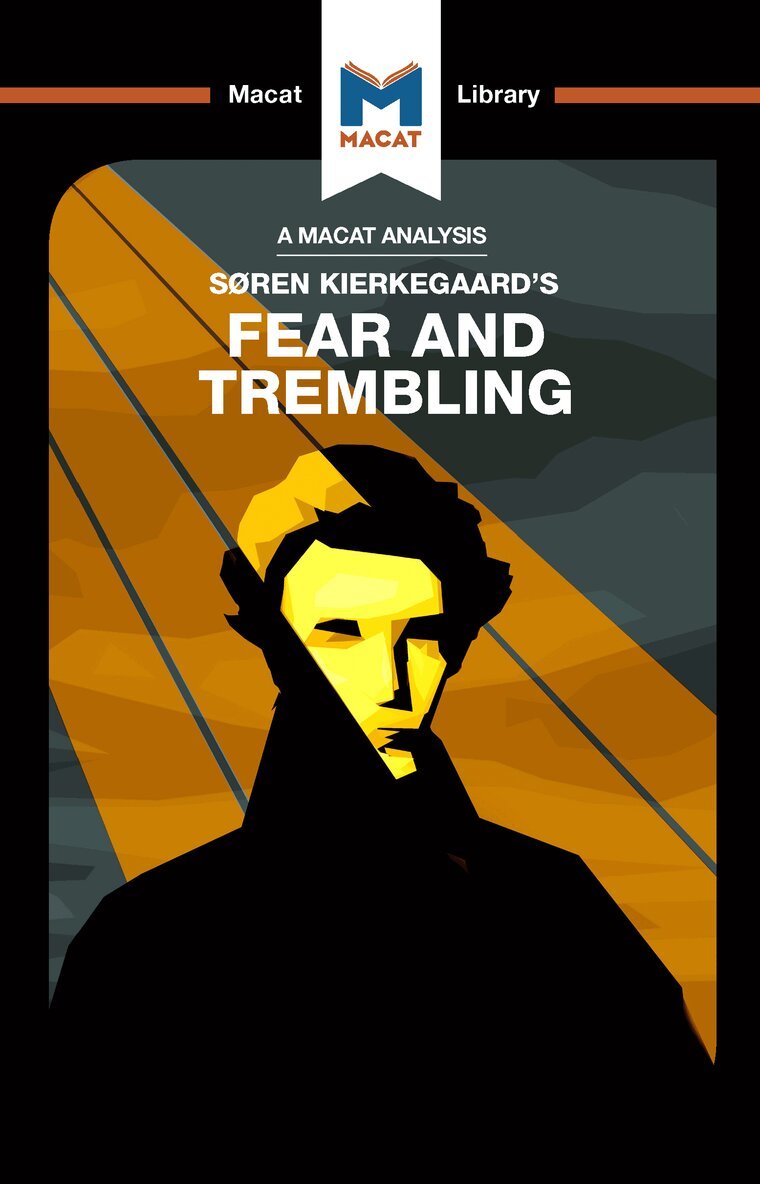
Analysis of Soren Kierkegaard's Fear and Trembling
E-bok, 2017
526 kr
Lägg i varukorg
Danish philosopher Søren Kierkegaard’s 1843 book Fear and Trembling shows precisely why he is regarded as one of the most significant and creative philosophers of the nineteenth century. Creative thinkers can be many things, but one of their common attributes is an ability to redefine, reframe and …
Analysis of C.S. Lewis's The Abolition of Man
Av Brittany Pheiffer Noble, Ruth Jackson
E-bok, 2017
140 kr
Lägg i varukorg
C.S. Lewis’s 1943 The Abolition of Man is a set of three essays that encapsulate some of the most important elements of good critical thinking. Lewis considers a weighty topic, moral philosophy – and more precisely how we teach it, and where morality comes from. As critics and enthusiasts for …
Analysis of C.S. Lewis's The Abolition of Man
Av Ruth Jackson, Brittany Pheiffer Noble
Häftad, 2017
115 kr
Lägg i varukorg
C.S. Lewis’s 1943 The Abolition of Man is a set of three essays that encapsulate some of the most important elements of good critical thinking. Lewis considers a weighty topic, moral philosophy – and more precisely how we teach it, and where morality comes from. As critics and enthusiasts for …
Analysis of Ferdinand de Saussure's Course in General Linguistics
Av Laura Key, Brittany Pheiffer Noble
Häftad, 2017
117 kr
Lägg i varukorg
Ferdinand de Saussure’s Course in General Linguistics is one of the most influential texts of the 20th-century – an astonishing feat for what is, at heart, a series of deeply technical lectures about the structure of human languages. What the Course’s vast influence shows, fundamentally, is the …
Analysis of Soren Kierkegaard's Fear and Trembling
Häftad, 2017
117 kr
Lägg i varukorg
Danish philosopher Søren Kierkegaard’s 1843 book Fear and Trembling shows precisely why he is regarded as one of the most significant and creative philosophers of the nineteenth century. Creative thinkers can be many things, but one of their common attributes is an ability to redefine, reframe and …
Analysis of Ferdinand de Saussure's Course in General Linguistics
Av Laura Key, Brittany Pheiffer Noble
Inbunden, 2017
306 kr
Lägg i varukorg
Ferdinand de Saussure’s Course in General Linguistics is one of the most influential texts of the 20th-century – an astonishing feat for what is, at heart, a series of deeply technical lectures about the structure of human languages. What the Course’s vast influence shows, fundamentally, is the …
Fear and Trembling
Inbunden, 2017
297 kr
Lägg i varukorg
Danish philosopher Søren Kierkegaard’s 1843 book Fear and Trembling shows precisely why he is regarded as one of the most significant and creative philosophers of the nineteenth century. Creative thinkers can be many things, but one of their common attributes is an ability to redefine, reframe and …
Analysis of C.S. Lewis's The Abolition of Man
Av Ruth Jackson, Brittany Pheiffer Noble
Inbunden, 2017
342 kr
Lägg i varukorg
C.S. Lewis’s 1943 The Abolition of Man is a set of three essays that encapsulate some of the most important elements of good critical thinking. Lewis considers a weighty topic, moral philosophy – and more precisely how we teach it, and where morality comes from. As critics and enthusiasts for …
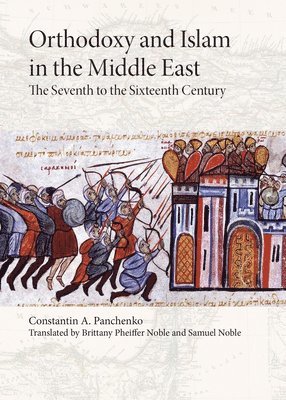
Orthodoxy and Islam in the Middle East
The Seventh to the Sixteenth Centuries
Av Constantin A. Panchenko, Brittany Pheiffer Noble m. fl.
Häftad, 2021
198 kr
Lägg i varukorg
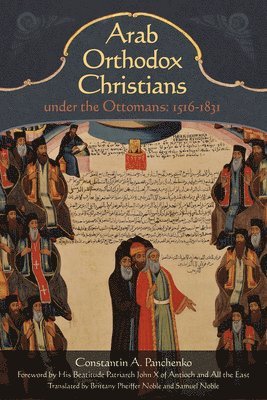
Arab Orthodox Christians Under the Ottomans 1516-1831
Av Constantin Panchenko, Brittany Pheiffer Noble m. fl.
Inbunden, 2016
349 kr
Tillfälligt slut