Brooke N. Newman - Böcker
Visar alla böcker från författaren Brooke N. Newman. Handla med fri frakt och snabb leverans.
3 produkter
3 produkter
367 kr
Skickas inom 3-6 vardagar
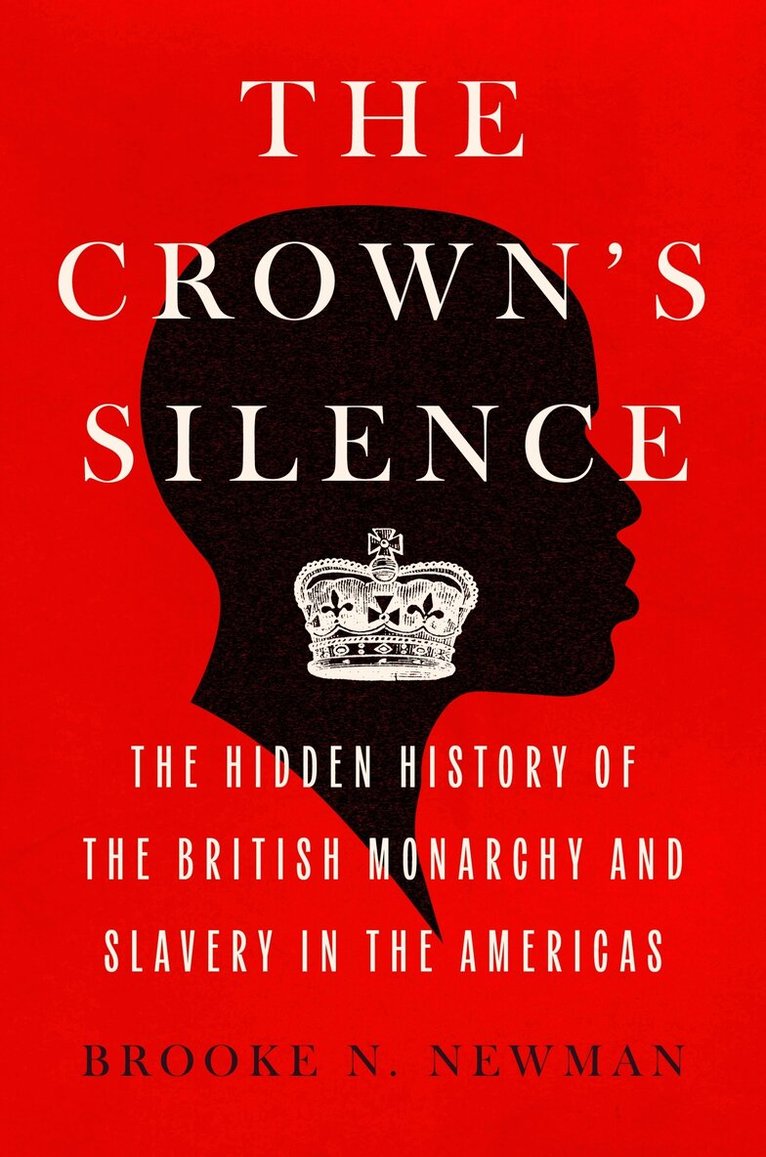
For readers of Annette Gordon-Reed and Nikole Hannah-Jones, the shocking untold story of the British royal family’s centuries-long investment in slavery and continued profiting off its legacy—from Elizabeth I to the present—and the monarchy’s culpability in the racial injustice that gave birth to the United States. For centuries, Britain has told itself and the world that it is an abolitionist nation, one that, unlike the United States, rejected human bondage and dismantled its Atlantic slave empire without tearing itself apart in violence. An abolitionist nation headed by a just, humane monarch who liberated enslaved Africans and recognized their descendants as free and equal subjects of the British Crown. As Prince William put it recently, “We’re very much not a racist family.” When slaveholding nations write their collective history, the enslavers hold the pen.Now, acclaimed historian Brooke Newman reveals the true story: the enslavers were supported by members of the royal family. From the 1560s to 1807, the British monarchy invested in the transatlantic slave trade and built a slave empire in colonial America and the Caribbean, with the labor of millions of enslaved Africans who would see none of its riches. It profited from African slave trading and hereditary bondage, setting the stage for other colonial powers to develop brutal slave systems that remained legal long after full emancipation in the British Empire in 1838. The scars of this history remain visible the world over, from economic inequality and educational and health disparities to racial discrimination and prejudice. Still, Crown officials continue to insist the legacies of slavery “belong to the past.” Newman focuses not on portraits of British monarchs but on their actions and investments that led to the rise and fall of the transatlantic slave trade and colonial slavery, and on some of the people whose lives it took, placing the struggles and sacrifices of innumerable individuals of African origin and ancestry at the center of Britain’s story.
611 kr
Tillfälligt slut
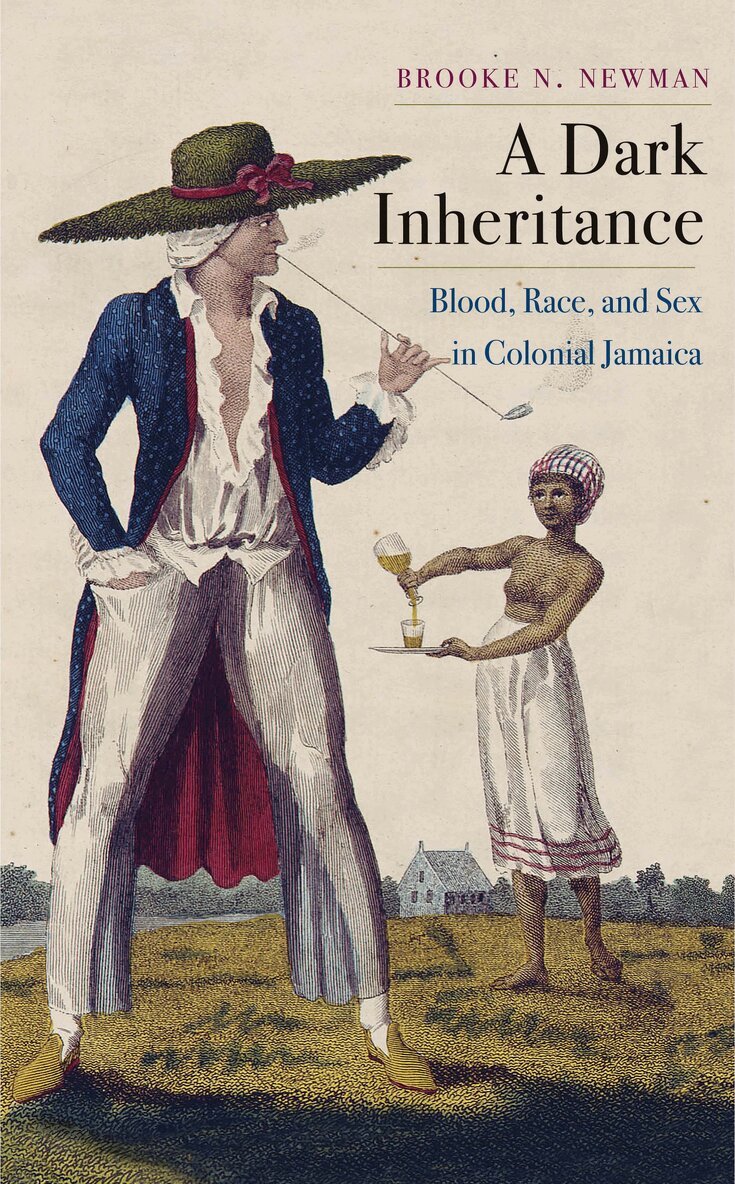
A major reassessment of the development of race and subjecthood in the British Atlantic Focusing on Jamaica, Britain’s most valuable colony in the Americas by the mid-eighteenth century, this book explores the relationship between racial classifications and the inherited rights and privileges associated with British subject status. Brooke Newman reveals the centrality of notions of blood and blood mixture to evolving racial definitions and sexual practices in colonial Jamaica and to legal and political debates over slavery and the rights of imperial subjects on both sides of the Atlantic. Weaving together a diverse range of sources, Newman shows how colonial racial ideologies rooted in fictions of blood ancestry at once justified permanent, hereditary slavery for Africans and barred members of certain marginalized groups from laying claim to British liberties on the basis of hereditary status. This groundbreaking study demonstrates that challenges to an Atlantic slave system underpinned by distinctions of blood had far-reaching consequences for British understandings of race, gender, and national belonging.
474 kr
Skickas inom 10-15 vardagar
The arrival of European settlers in the Americas disrupted indigenous lifeways, and the effects of colonialism shattered Native communities. Forced migration and human trafficking created a diaspora of cultures, languages, and people. Gregory D. Smithers and Brooke N. Newman have gathered the work of leading scholars, including Bill Anthes, Duane Champagne, Daniel Cobb, Donald Fixico, and Joy Porter, among others, in examining an expansive range of Native peoples and the extent of their influences through reaggregation. These diverse and wide-ranging essays uncover indigenous understandings of self-identification, community, and culture through the speeches, cultural products, intimate relations, and political and legal practices of Native peoples.Native Diasporas explores how indigenous peoples forged a sense of identity and community amid the changes wrought by European colonialism in the Caribbean, the Pacific Islands, and the mainland Americas from the seventeenth through the twentieth century. Broad in scope and groundbreaking in the topics it explores, this volume presents fresh insights from scholars devoted to understanding Native American identity in meaningful and methodologically innovative ways.