Brooks E. Hefner - Böcker
Visar alla böcker från författaren Brooks E. Hefner. Handla med fri frakt och snabb leverans.
7 produkter
7 produkter
193 kr
Skickas
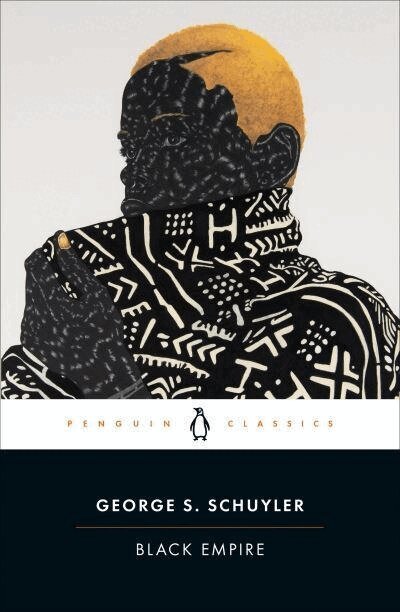
New to Penguin Classics, a pioneering work of Afrofuturism and antiracist fiction by the author of Black No MoreBlack Empire tells the electrifying tale of Dr. Henry Belsidus, a Black scientific genius desperate to free his people from the crushing tyranny of racism. To do so, he concocts a plot to enlist a crew of Black intellectuals to help him take over the world, cultivating a global network to reclaim Africa from imperial powers and punish Europe and America for white supremacy and their crimes against the planet's Black population.At once a daring, high-stakes science fiction adventure and a strikingly innovative Afrofuturist classic, this controversial and fearlessly political work lays bare the ethical quandaries of exactly how far one should go in the name of justice.
368 kr
Skickas inom 7-10 vardagar
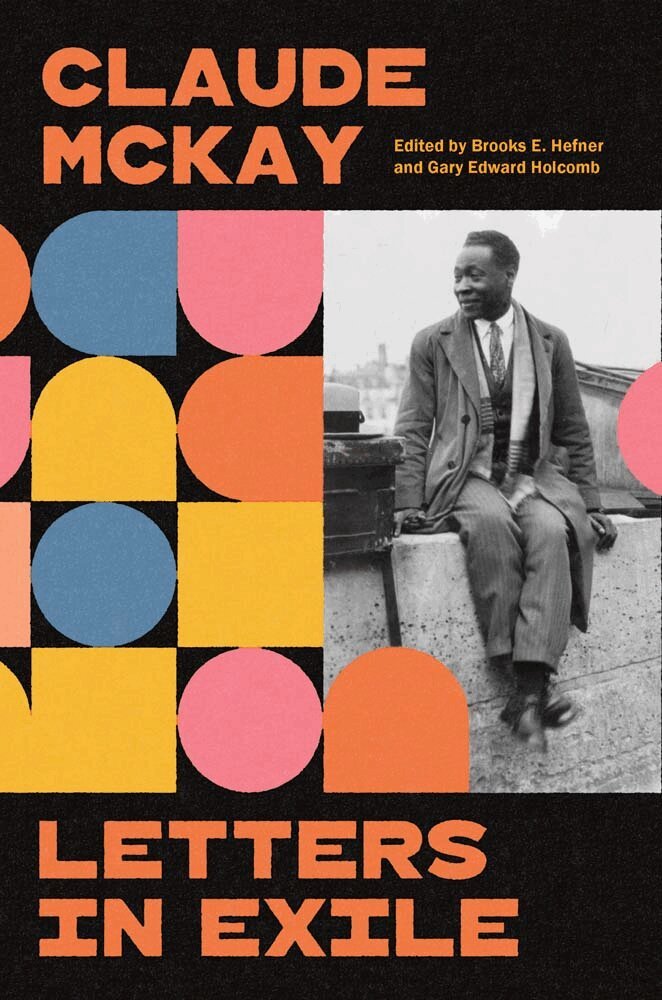
A collection of private correspondence from one of the Harlem Renaissance’s brightest and most radical voices The Jamaican-born, queer author Claude McKay (1890–1948) was a central figure of the Harlem Renaissance. His 1919 poem “If We Must Die” expressed a revolutionary vision for militant Black protest art, while his novels, including Home to Harlem, Banjo, and Banana Bottom, described ordinary Black life in lyrical prose. Yet for all that McKay connected himself to Harlem, he was a restless world traveler who sought spiritual, artistic, and political sustenance in France, Spain, Moscow, and Morocco. Brooks E. Hefner and Gary Edward Holcomb bring together two decades of McKay’s never-before-published dispatches from the road with correspondents including W. E. B. Du Bois, Langston Hughes, Alain Locke, Max Eastman, and Louise Bryant. With wit, wisdom, insight, and sometimes irascible temper, McKay describes how he endured harassment from British authorities in London and worked alongside Leon Trotsky and Alexander Kerensky in Bolshevik Moscow. He reflects on Paris’s Lost Generation, immerses himself in the Marseille dockers’ noir subculture, and observes French colonialism in Morocco. Providing a new perspective on a unique figure of American modernism, this collection reveals McKay gossiping, cajoling, and confiding as he engages in spirited debates and challenges the political and artistic questions of the day.
1 066 kr
Skickas inom 10-15 vardagar
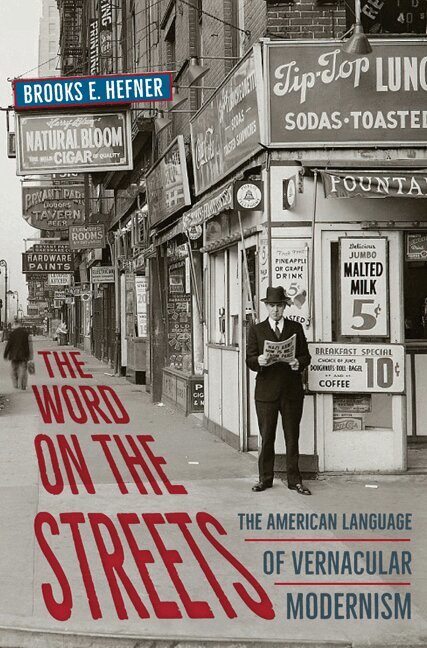
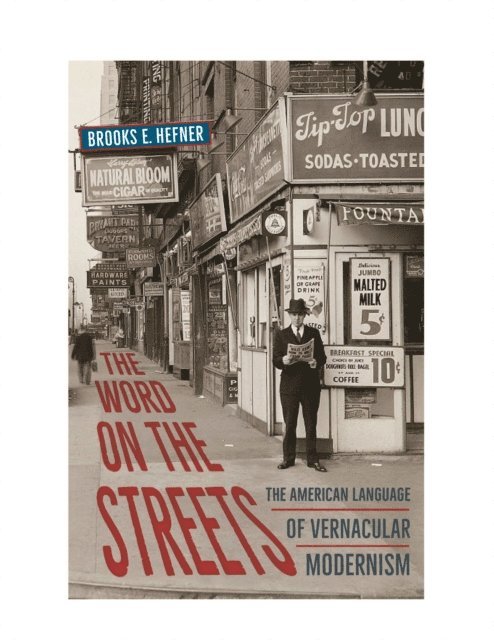
From the hard-boiled detective stories of Dashiell Hammett to the novels of Claude McKay, The Word on the Streets examines a group of writers whose experimentation with the vernacular argues for a rethinking of American modernism—one that cuts across traditional boundaries of class, race, and ethnicity.The dawn of the modernist era witnessed a transformation of popular writing that demonstrated an experimental practice rooted in the language of the streets. Emerging alongside more recognized strands of literary modernism, the vernacular modernism these writers exhibited lays bare the aesthetic experiments inherent in American working-class and ethnic language, forging an alternative pathway for American modernist practice.Brooks Hefner shows how writers across a variety of popular genres—from Gertrude Stein and Williams Faulkner to humorist Anita Loos and ethnic memoirist Anzia Yezierska—employed street slang to mount their own critique of genteel realism and its classist emphasis on dialect hierarchies, the result of which was a form of American experimental writing that resonated powerfully across the American cultural landscape of the 1910s and 1920s.
483 kr
Skickas inom 10-15 vardagar
From the hard-boiled detective stories of Dashiell Hammett to the novels of Claude McKay, The Word on the Streets examines a group of writers whose experimentation with the vernacular argues for a rethinking of American modernism—one that cuts across traditional boundaries of class, race, and ethnicity.The dawn of the modernist era witnessed a transformation of popular writing that demonstrated an experimental practice rooted in the language of the streets. Emerging alongside more recognized strands of literary modernism, the vernacular modernism these writers exhibited lays bare the aesthetic experiments inherent in American working-class and ethnic language, forging an alternative pathway for American modernist practice.Brooks Hefner shows how writers across a variety of popular genres—from Gertrude Stein and Williams Faulkner to humorist Anita Loos and ethnic memoirist Anzia Yezierska—employed street slang to mount their own critique of genteel realism and its classist emphasis on dialect hierarchies, the result of which was a form of American experimental writing that resonated powerfully across the American cultural landscape of the 1910s and 1920s.
208 kr
Kommande
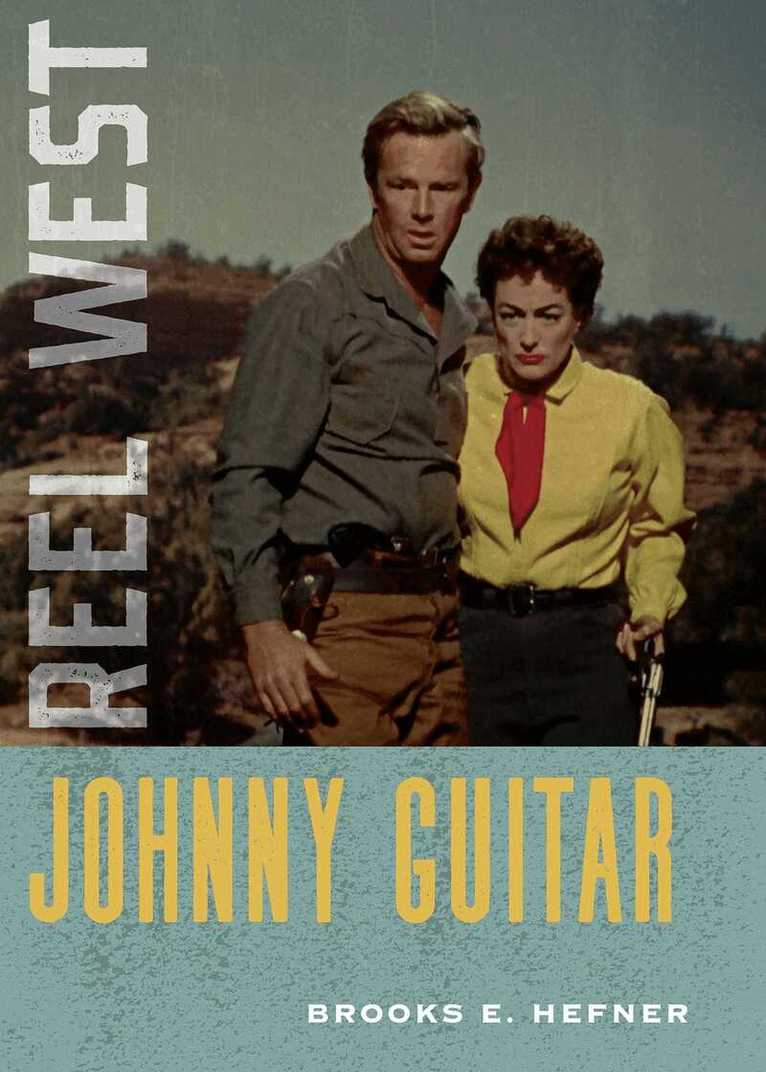
The first book on the groundbreaking 1954 Western by director Nicholas Ray, controversial in its time, now celebrated as a groundbreaking example of high camp, LGBTQ themes, and the outer limits of the Hollywood system. What to make of Johnny Guitar, Nicholas Ray’s high-drama psychological Western from 1954? The film met with a mixed reception on its release but over the years has assumed cult status in some circles, with some critics now citing it among the greatest examples of the genre. In this first-ever book on this divisive Western, Brooks Hefner disentangles the tortured production history of the film and explores the question of what makes Johnny Guitar not only an important film but an important Western in an era rife with classic examples of the genre. Made at the peak of director Nicholas Ray’s career, Johnny Guitar’s layered themes of gender, sexuality, psychology, and politics make it one of the richest examples of the “adult Western,” those increasingly sophisticated films like George Stevens’s Shane (1953), John Ford’s The Searchers (1956), and the Westerns of Anthony Mann and Budd Boetticher. At the same time, Johnny Guitar represented an effort by B studio Republic Pictures to produce a prestige picture with major Hollywood stars like Joan Crawford and Sterling Hayden. Hefner shows how, with the studio system beginning to crumble, Johnny Guitar sits at a moment when stars and directors began to exert more control over their images and films.
1 235 kr
Skickas inom 10-15 vardagar
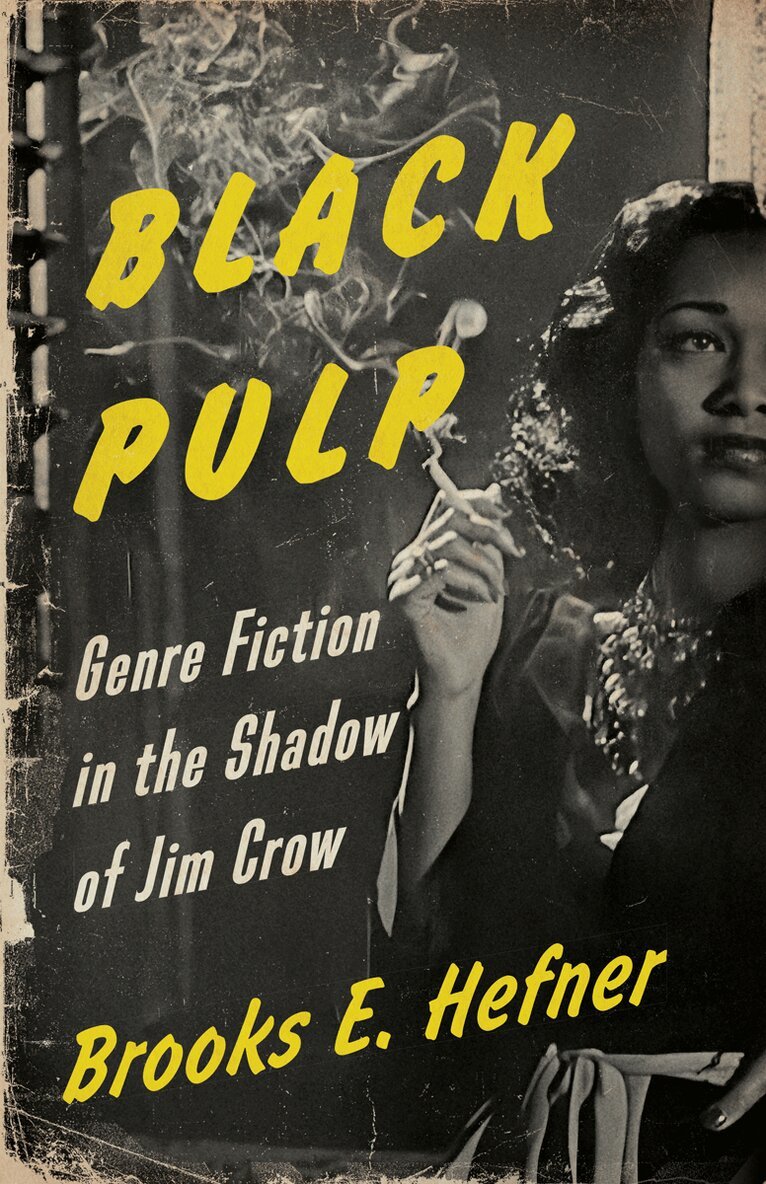
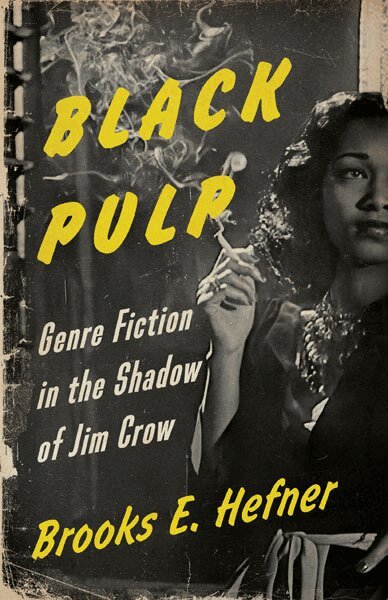
A deep dive into mid-century African American newspapers, exploring how Black pulp fiction reassembled genre formulas in the service of racial justiceIn recent years, Jordan Peele’s Get Out, Marvel’s Black Panther, and HBO’s Watchmen have been lauded for the innovative ways they repurpose genre conventions to criticize white supremacy, celebrate Black resistance, and imagine a more racially just world-important progressive messages widely spread precisely because they are packaged in popular genres. But it turns out, such generic retooling for antiracist purposes is nothing new. As Brooks E. Hefner’s Black Pulp shows, this tradition of antiracist genre revision begins even earlier than recent studies of Black superhero comics of the 1960s have revealed. Hefner traces it back to a phenomenon that began in the 1920s, to serialized (and sometimes syndicated) genre stories written by Black authors in Black newspapers with large circulations among middle- and working-class Black readers. From the pages of the Pittsburgh Courier and the Baltimore Afro-American, Hefner recovers a rich archive of African American genre fiction from the 1920s through the mid-1950s-spanning everything from romance, hero-adventure, and crime stories to westerns and science fiction. Reading these stories, Hefner explores how their authors deployed, critiqued, and reassembled genre formulas-and the pleasures they offer to readers-in the service of racial justice: to criticize Jim Crow segregation, racial capitalism, and the sexual exploitation of Black women; to imagine successful interracial romance and collective sociopolitical progress; and to cheer Black agency, even retributive violence in the face of white supremacy. These popular stories differ significantly from contemporaneous, now-canonized African American protest novels that tend to represent Jim Crow America as a deterministic machine and its Black inhabitants as doomed victims. Widely consumed but since forgotten, these genre stories-and Hefner’s incisive analysis of them-offer a more vibrant understanding of African American literary history.
229 kr
Skickas
A deep dive into mid-century African American newspapers, exploring how Black pulp fiction reassembled genre formulas in the service of racial justiceIn recent years, Jordan Peele’s Get Out, Marvel’s Black Panther, and HBO’s Watchmen have been lauded for the innovative ways they repurpose genre conventions to criticize white supremacy, celebrate Black resistance, and imagine a more racially just world-important progressive messages widely spread precisely because they are packaged in popular genres. But it turns out, such generic retooling for antiracist purposes is nothing new. As Brooks E. Hefner’s Black Pulp shows, this tradition of antiracist genre revision begins even earlier than recent studies of Black superhero comics of the 1960s have revealed. Hefner traces it back to a phenomenon that began in the 1920s, to serialized (and sometimes syndicated) genre stories written by Black authors in Black newspapers with large circulations among middle- and working-class Black readers. From the pages of the Pittsburgh Courier and the Baltimore Afro-American, Hefner recovers a rich archive of African American genre fiction from the 1920s through the mid-1950s-spanning everything from romance, hero-adventure, and crime stories to westerns and science fiction. Reading these stories, Hefner explores how their authors deployed, critiqued, and reassembled genre formulas-and the pleasures they offer to readers-in the service of racial justice: to criticize Jim Crow segregation, racial capitalism, and the sexual exploitation of Black women; to imagine successful interracial romance and collective sociopolitical progress; and to cheer Black agency, even retributive violence in the face of white supremacy. These popular stories differ significantly from contemporaneous, now-canonized African American protest novels that tend to represent Jim Crow America as a deterministic machine and its Black inhabitants as doomed victims. Widely consumed but since forgotten, these genre stories-and Hefner’s incisive analysis of them-offer a more vibrant understanding of African American literary history.