Bruce G. Blair – författare
Visar alla böcker från författaren Bruce G. Blair. Handla med fri frakt och snabb leverans.
6 produkter
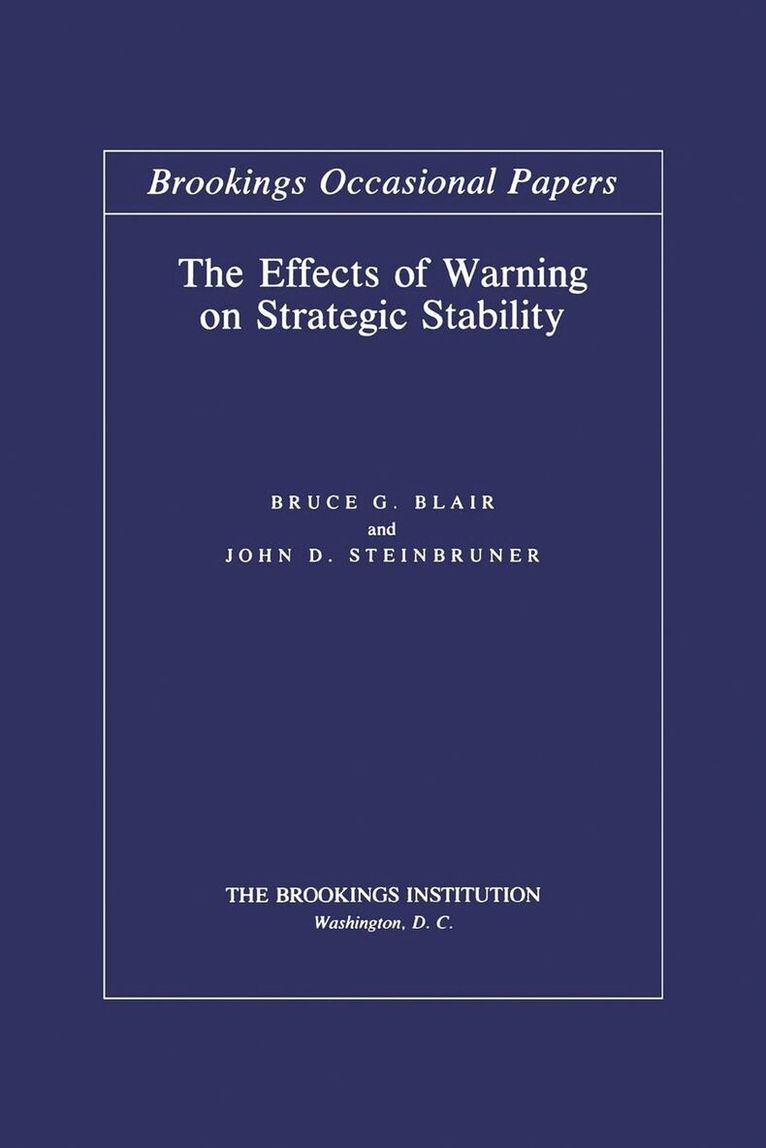
Effects of Warning on Strategic Stability
Av Bruce G. Blair, John D. Steinbruner
Häftad, 1991
176 kr
Lägg i varukorg
Among its many important effects, the political revolution in central Europe has provided a sharp reminder that international security is as much a state of mind as it is a physical condition. The threat of a Soviet invasion of Western Europe, long hypothesized by Western defense ministries on the …
Effects of Warning on Strategic Stability
Av Bruce G. Blair, John D. Steinbruner
E-bok, 2010
187 kr
Lägg i varukorg
Among its many important effects, the political revolution in central Europe has provided a sharp reminder that international security is as much a state of mind as it is a physical condition. The threat of a Soviet invasion of Western Europe, long hypothesized by Western defense ministries on the …
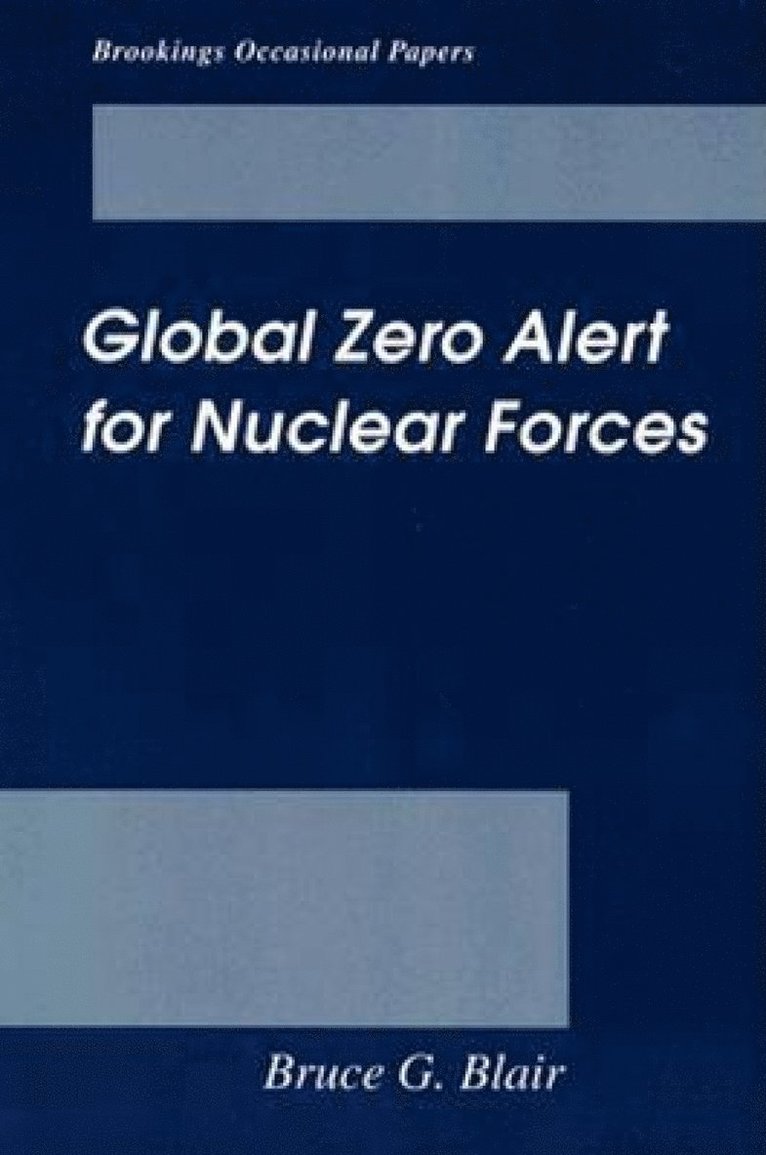
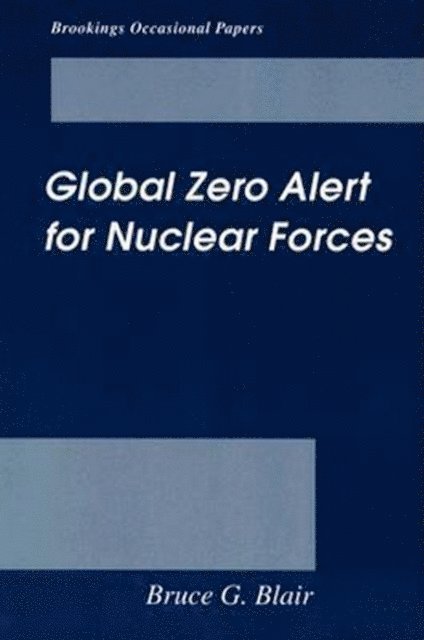
Global Zero Alert for Nuclear Forces
Häftad, 1995
176 kr
Lägg i varukorg
Bruce Blair examines operational safety hazards for nuclear forces deployed on combat alert in Russia, the United States, and elsewhere. He provides new information on command and control procedures and deficiencies that affect the risks of accidental, unauthorized, or inadvertent use of nuclear …
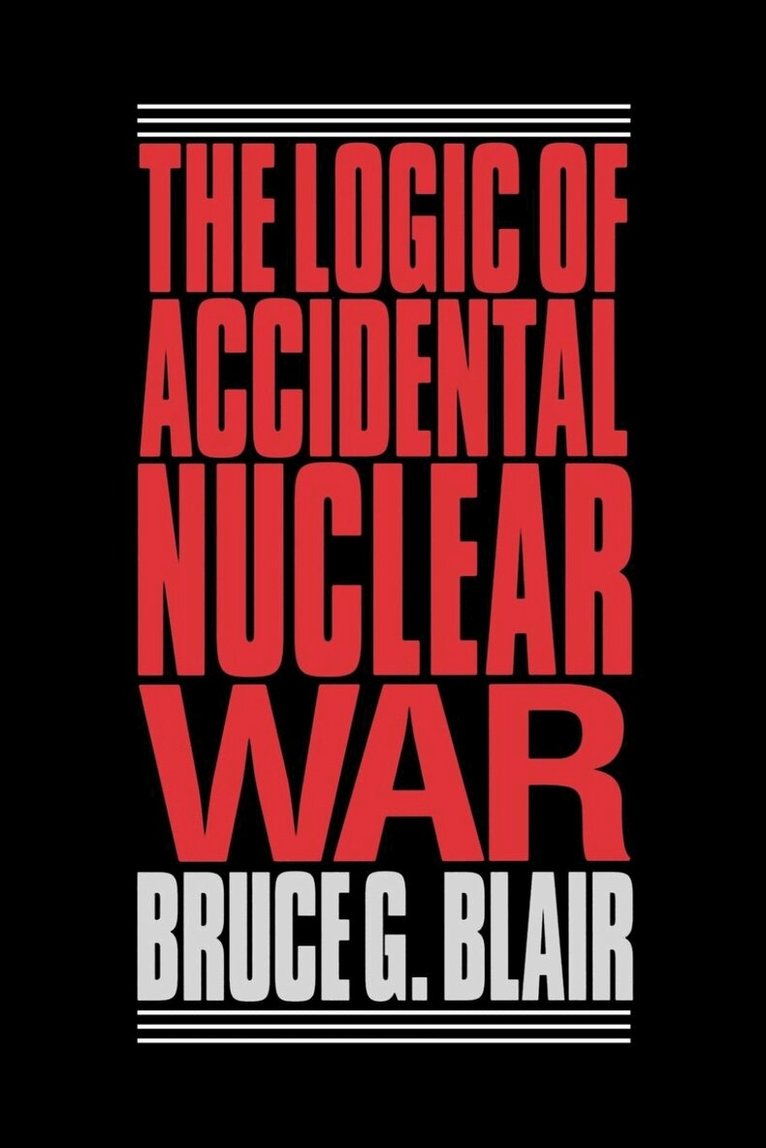
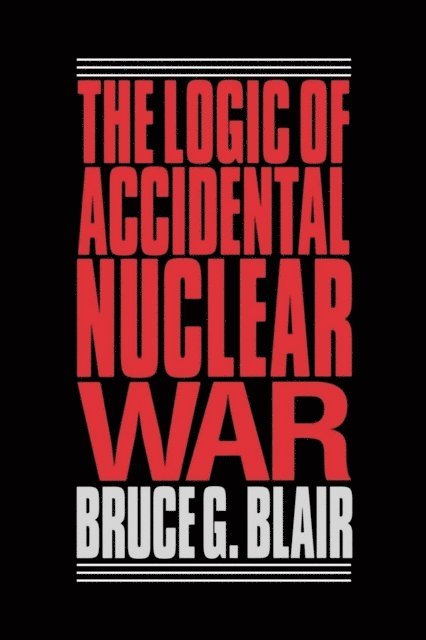
Logic of Accidental Nuclear War
Häftad, 1993
317 kr
Lägg i varukorg
The end of the cold war and the disintegration of the Soviet Union has not eliminated the threat posed to international security by nuclear weapons. The Soviet breakup actually created a new set of dangers: the accidental or unauthorized use of nuclear weapons and the illicit transfer of nuclear …
Global Zero Alert for Nuclear Forces
E-bok, 2011
187 kr
Lägg i varukorg
Bruce Blair examines operational safety hazards for nuclear forces deployed on combat alert in Russia, the United States, and elsewhere. He provides new information on command and control procedures and deficiencies that affect the risks of accidental, unauthorized, or inadvertent use of nuclear …
Logic of Accidental Nuclear War
E-bok, 2011
353 kr
Lägg i varukorg
The end of the cold war and the disintegration of the Soviet Union has not eliminated the threat posed to international security by nuclear weapons. The Soviet breakup actually created a new set of dangers: the accidental or unauthorized use of nuclear weapons and the illicit transfer of nuclear …