Bruce Granville Miller - Böcker
Visar alla böcker från författaren Bruce Granville Miller. Handla med fri frakt och snabb leverans.
7 produkter
7 produkter
1 180 kr
Skickas inom 11-20 vardagar
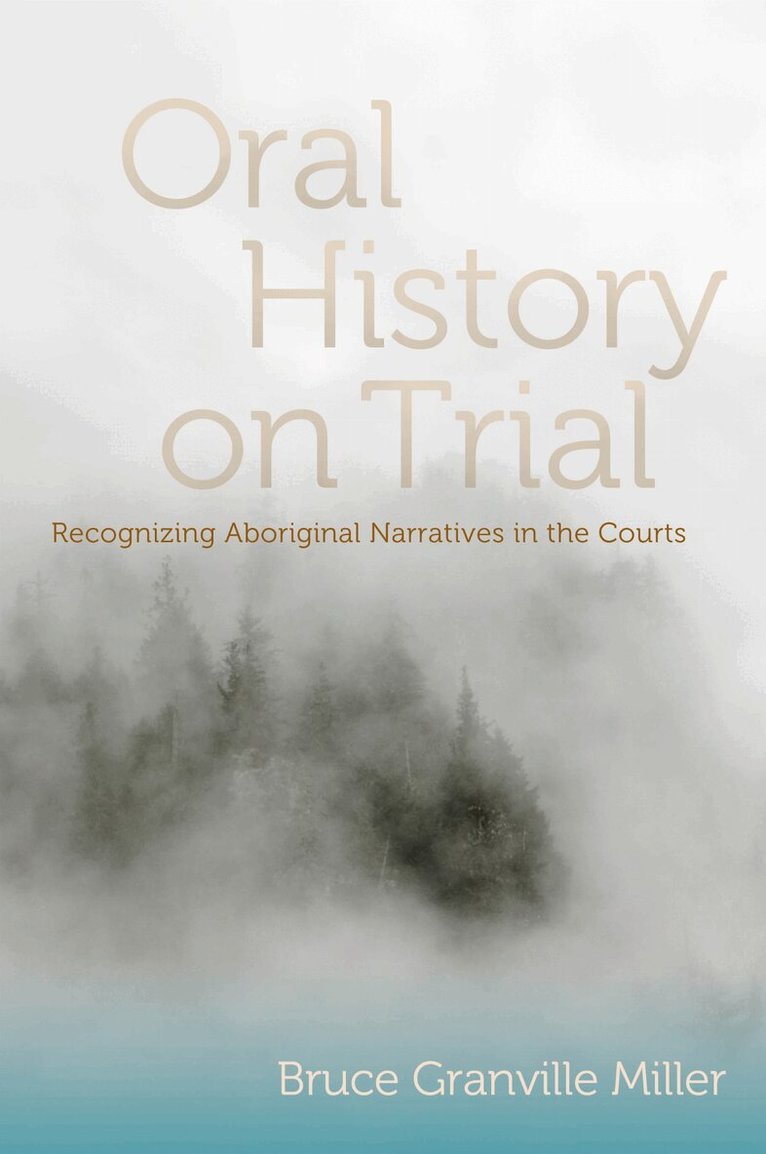
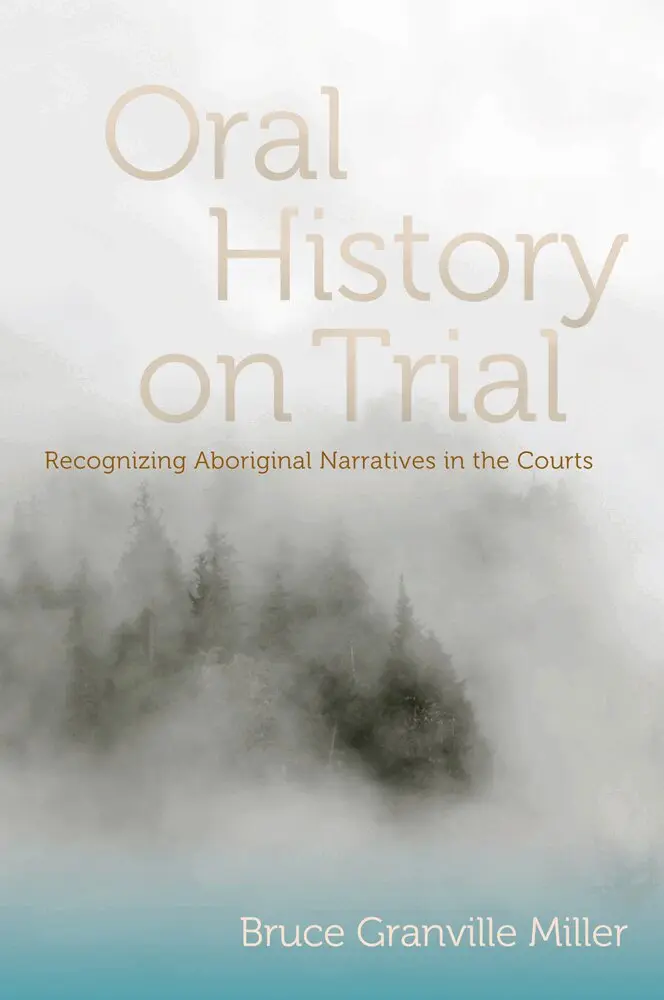
In many western countries, judicial decisions are based on "black letter law" – text-based, well-established law. Within this tradition, testimony based on what witnesses have heard from others, known as hearsay, cannot be considered as legitimate evidence. This interdiction, however, presents significant difficulties for Aboriginal plaintiffs who rely on oral rather than written accounts for knowledge transmission.This important book breaks new ground by asking how oral histories might be incorporated into the existing court system. Through compelling analysis of Aboriginal, legal, and anthropological concepts of fact and evidence, Oral History on Trial traces the long trajectory of oral history from community to court, and offers a sophisticated critique of the Crown's use of Aboriginal materials in key cases.A bold intervention in legal and anthropological scholarship, this book is a timely consideration of an urgent issue facing Indigenous communities worldwide and the courts hearing their cases.
344 kr
Skickas inom 7-10 vardagar
In many western countries, judicial decisions are based on "black letter law" – text-based, well-established law. Within this tradition, testimony based on what witnesses have heard from others, known as hearsay, cannot be considered as legitimate evidence. This interdiction, however, presents significant difficulties for Aboriginal plaintiffs who rely on oral rather than written accounts for knowledge transmission.This important book breaks new ground by asking how oral histories might be incorporated into the existing court system. Through compelling analysis of Aboriginal, legal, and anthropological concepts of fact and evidence, Oral History on Trial traces the long trajectory of oral history from community to court, and offers a sophisticated critique of the Crown's use of Aboriginal materials in key cases.A bold intervention in legal and anthropological scholarship, this book is a timely consideration of an urgent issue facing Indigenous communities worldwide and the courts hearing their cases.
Witness to the Human Rights Tribunals
How the System Fails Indigenous Peoples
Inbunden, Engelska, 2023
958 kr
Skickas inom 7-10 vardagar
On the twelfth floor of an undistinguished-looking high-rise in a Canadian city, a tribunal adjudicates the human rights of Indigenous individuals. Why isn't the process working?First establishing the context with an in-depth look at the role of anthropological expertise in the courts, Witness to the Human Rights Tribunals then draws on testimony, ethnographic data, and years of tribunal decisions to show how specific cases are fought. Bruce Miller's candid analysis reveals the double-edged nature of the tribunal itself, which re-engages with the trauma and violence of discrimination that suffuses social and legal systems while it attempts to protect human rights. Should the human rights tribunal system be replaced, or paired with an Indigenous-centred system? How can anthropologists promote understanding of the pervasive discrimination that Indigenous people face? This important book convincingly concludes that any reform must consider the problem of symbolic trauma before Indigenous claimants can receive appropriate justice.
356 kr
Skickas inom 7-10 vardagar
On the twelfth floor of an undistinguished-looking high-rise in a Canadian city, a tribunal adjudicates the human rights of Indigenous individuals. Why isn't the process working?First establishing the context with an in-depth look at the role of anthropological expertise in the courts, Witness to the Human Rights Tribunals then draws on testimony, ethnographic data, and years of tribunal decisions to show how specific cases are fought. Bruce Miller's candid analysis reveals the double-edged nature of the tribunal itself, which re-engages with the trauma and violence of discrimination that suffuses social and legal systems while it attempts to protect human rights. Should the human rights tribunal system be replaced, or paired with an Indigenous-centred system? How can anthropologists promote understanding of the pervasive discrimination that Indigenous people face? This important book convincingly concludes that any reform must consider the problem of symbolic trauma before Indigenous claimants can receive appropriate justice.
259 kr
Skickas inom 10-15 vardagar
In the last few decades, as indigenous peoples have increasingly sought out and sometimes demanded sovereignty on a variety of fronts, their relationships with encompassing nation-states have become ever more complicated and troubled. The varying ways that today's nation-states attempt to manage—and often render invisible—contemporary indigenous peoples is the subject of this global comparative study. Beginning with his own work along the northwest coast of North America and drawing on contemporary examples from South America, Asia, Africa, and Europe, Bruce Granville Miller examines how national governments classify, govern, and control the indigenous populations within their boundaries through administrative, judicial, and economic means. One telling consequence of such regulation strategies is that certain indigenous peoples become unrecognized—their ethnic identities and heritages fail to find legal register and thus empowerment within the very state organizations that manage other aspects of their lives. In the United States alone reside two hundred thousand unrecognized indigenous individuals, some members of indigenous communities that were dropped from the roster of tribes and others whose ancestors were overlooked. Miller also considers some important differences between the fluid nature of ethnic identity for some indigenous peoples and the more rigid notion of identity encoded in many state regulations. Invisible Indigenes reveals a recurring issue integral to the formation and maintenance of nation-states today and highlights a common challenge facing indigenous peoples around the globe in the twenty-first century.
419 kr
Skickas inom 10-15 vardagar
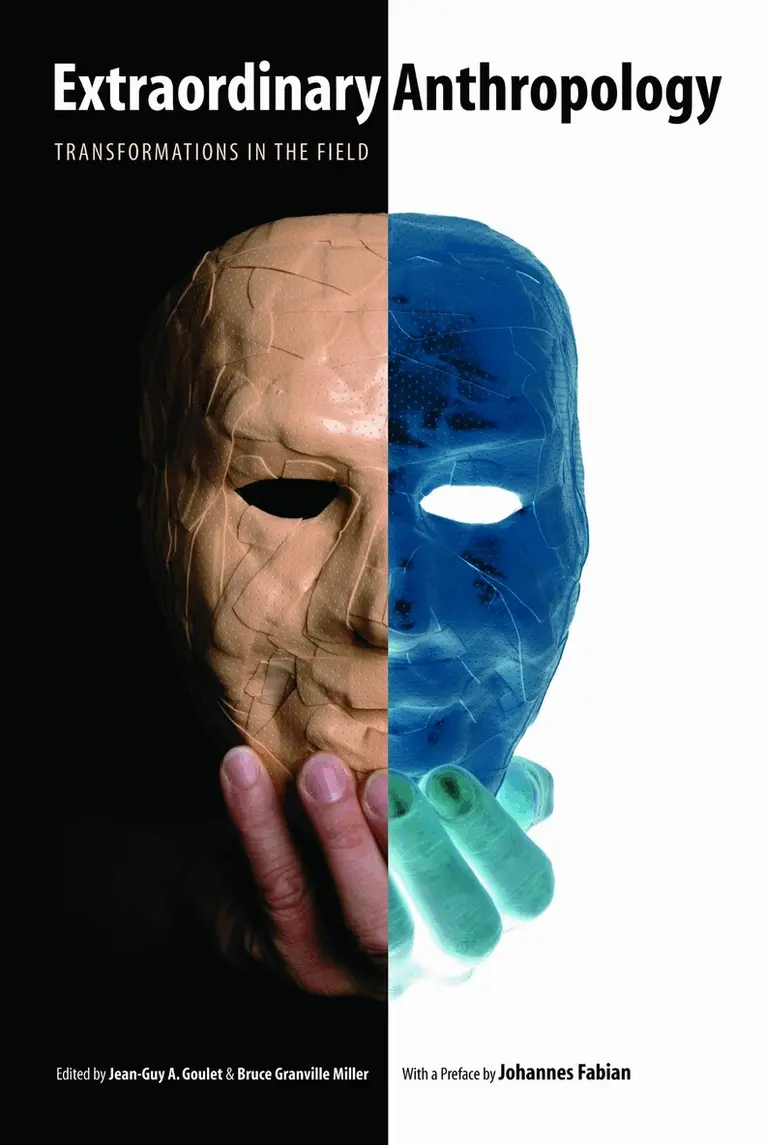
What happens when anthropologists lose themselves during fieldwork while attempting to understand divergent cultures? When they stray from rigorous agendas and are forced to confront radically unexpected or unexplained experiences? In Extraordinary Anthropology leading ethnographers from across the globe discuss the importance of the deeply personal and emotionally volatile "ecstatic" side of fieldwork. Anthropologists who have worked in communities in Central America, North America, Australia, Africa, and Asia share their intimate experiences of tranformations in the field through details of significant dreams, haunting visions, and their own conflicting emotional tensions. Their experiences demonstrate the necessary fluidity of research agendas, the value of going beyond an accepted (and safe) cultural and academic vantage point, and the inevitability of wrestling with tension and unhappiness when faced with irreconcilable cultural and psychological dichotomies. The contributors explore ways in which conventional research methods can be adapted to creatively engage the intellectual, ethical, and practical dimensions of these dislocations and capitalize on them. Unsettling and revealing, Extraordinary Anthropology will spark debate and reflection among anthropologists for years to come.
212 kr
Skickas inom 10-15 vardagar
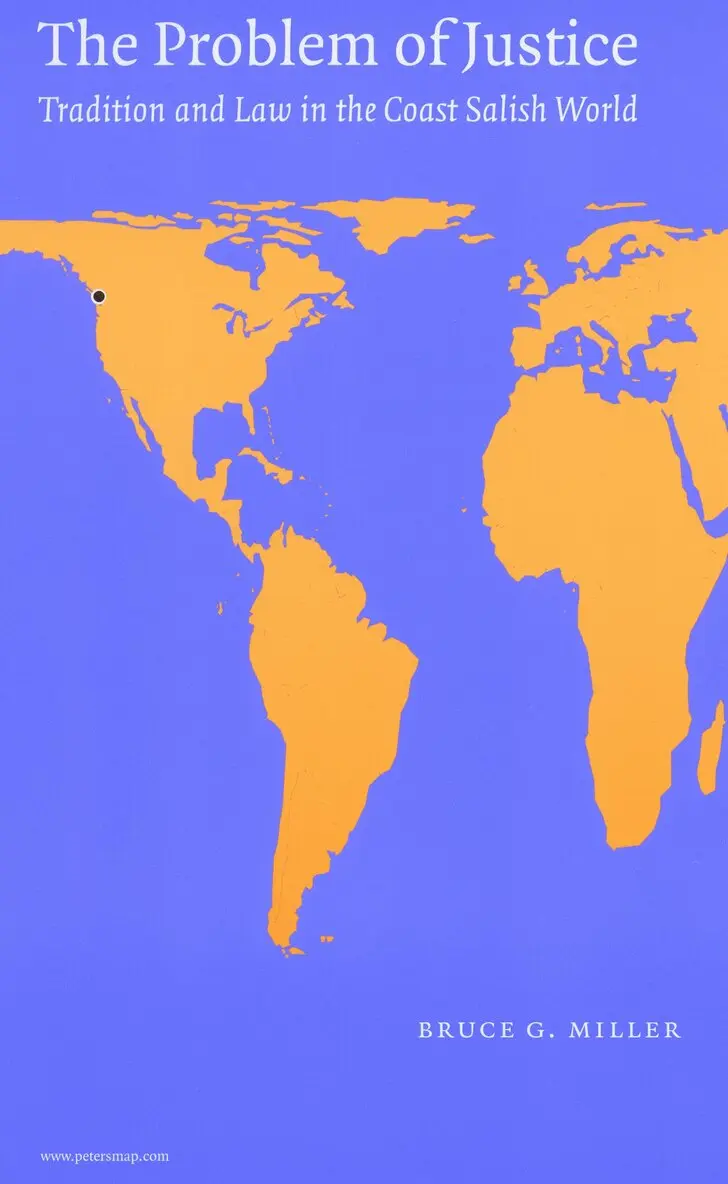
For the indigenous peoples of North America, the history of colonialism has often meant a distortion of history, even, in some cases, a loss or distorted sense of their own native practices of justice. How contemporary native communities have dealt quite differently with this dilemma is the subject of The Problem of Justice, a richly textured ethnographic study of indigenous peoples struggling to reestablish control over justice in the face of conflicting external and internal pressures. The peoples discussed in this book are the Coast Salish communities along the northwest coast of North America: the Upper Skagit Indian Tribe in Washington State, the Stó:lo Nation in British Columbia, and the South Island Tribal Council on Vancouver Island. Here we see how, despite their common heritage and close ties, each of these communities has taken a different direction in understanding and establishing a system of tribal justice. Describing the results—from the steadily expanding independence and jurisdiction of the Upper Skagit Court to the collapse of the South Island Justice Project—Bruce G. Miller advances an ethnographically informed, comparative, historically based understanding of aboriginal justice and the particular dilemmas tribal leaders and community members face. His work makes a persuasive case for an indigenous sovereignty associated with tribally controlled justice programs that recognize diversity and at the same time allow for internal dissent.