Bruce Maddy-Weitzman - Böcker
Visar alla böcker från författaren Bruce Maddy-Weitzman. Handla med fri frakt och snabb leverans.
8 produkter
8 produkter
314 kr
Skickas inom 10-15 vardagar
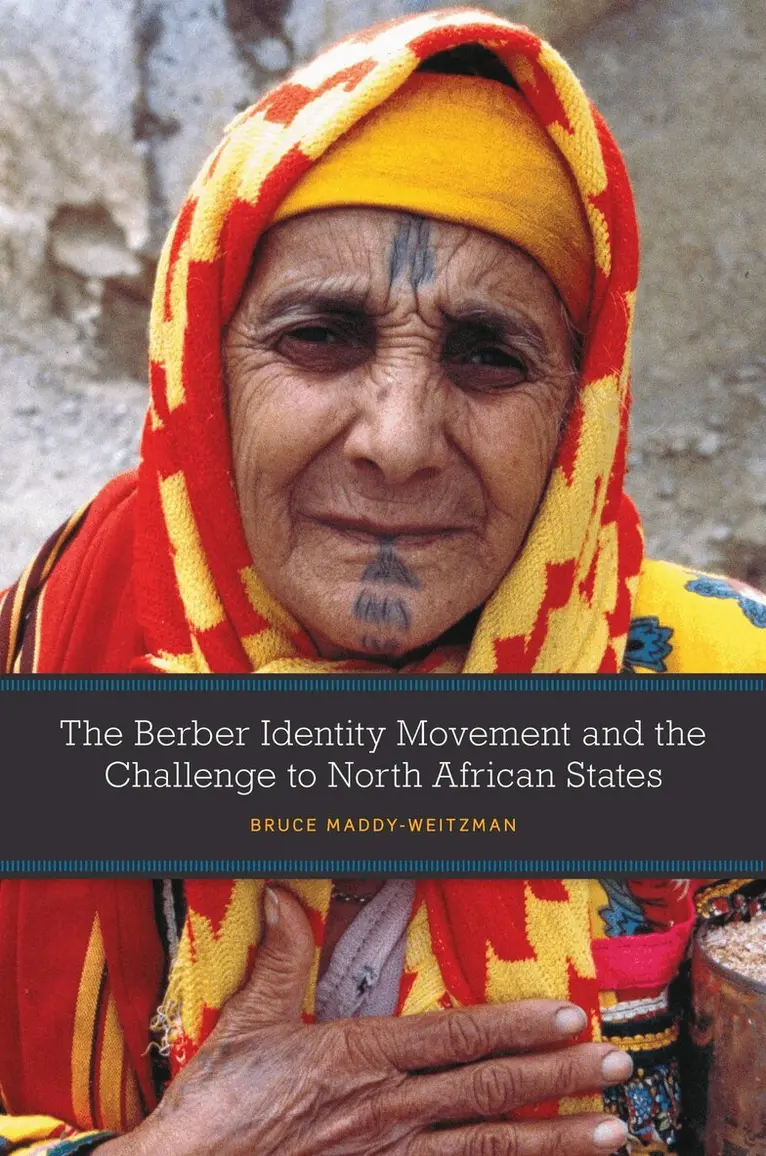
Like many indigenous groups that have endured centuries of subordination, the Berber/Amazigh peoples of North Africa are demanding linguistic and cultural recognition and the redressing of injustices. Indeed, the movement seeks nothing less than a refashioning of the identity of North African states, a rewriting of their history, and a fundamental change in the basis of collective life. In so doing, it poses a challenge to the existing political and sociocultural orders in Morocco and Algeria, while serving as an important counterpoint to the oppositionist Islamist current.This is the first book-length study to analyze the rise of the modern ethnocultural Berber/Amazigh movement in North Africa and the Berber diaspora. Bruce Maddy-Weitzman begins by tracing North African history from the perspective of its indigenous Berber inhabitants and their interactions with more powerful societies, from Hellenic and Roman times, through a millennium of Islam, to the era of Western colonialism. He then concentrates on the marginalization and eventual reemergence of the Berber question in independent Algeria and Morocco, against a background of the growing crisis of regime legitimacy in each country. His investigation illuminates many issues, including the fashioning of official national narratives and policies aimed at subordinating Berbers in an Arab nationalist and Islamic-centered universe; the emergence of a counter-movement promoting an expansive Berber "imagining" that emphasizes the rights of minority groups and indigenous peoples; and the international aspects of modern Berberism.
2 125 kr
Skickas inom 10-15 vardagar
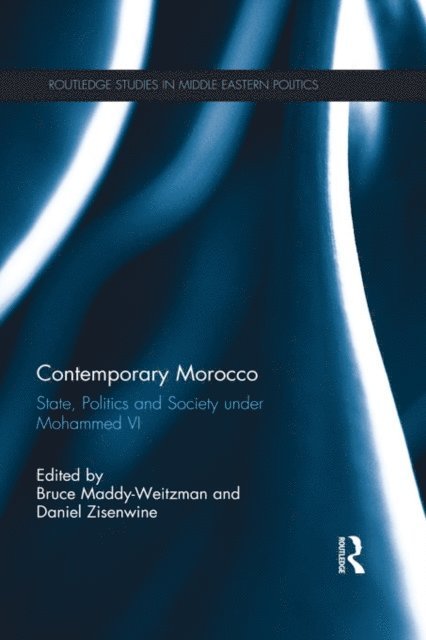
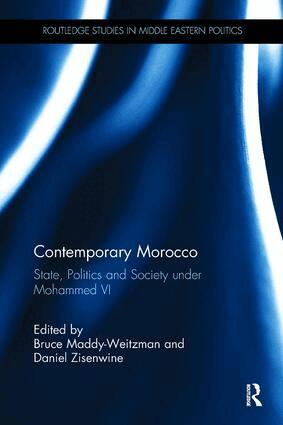
Discussions of the unsettled political and social landscapes in the Middle East and North Africa frequently point to Morocco as an exception. An Arab League member-state, Morocco enjoys a favorable image in the West, seemingly combining a healthy and balanced mix of tradition and modernity, authenticity with openness to foreign cultures, political stability and evolution towards greater pluralism, and a marked improvement in the legal and social status of women. This book offers a comprehensive and detailed scholarly examination of Morocco's political, social and cultural evolution under King Mohammed VI. Contributions from an international lineup of experts on Moroccan history, politics, economy, society and culture explain the tension and dynamics between the state authorities and competing social actors, and highlight the durability of the monarchical institution while also pointing to the continued challenges it faces from a variety of directions. The analysis touches on a number of issues, notably youth, and women and religious reform to investigate how the country has become significantly more open and less repressive, and how any unrest Morocco experienced during the recent ‘Arab Spring’ has been controlled. Employing various disciplines and theoretical perspectives, the result is an analytically rich portrayal which sheds important light on the country's prospects and the challenges it confronts in an era of steadily accelerating globalization. As such, it will be of interest to students and scholars who focus on modern Morocco, North Africa and the Middle East, as well as researchers in the fields of Comparative Politics and International Relations.
1 954 kr
Skickas inom 10-15 vardagar
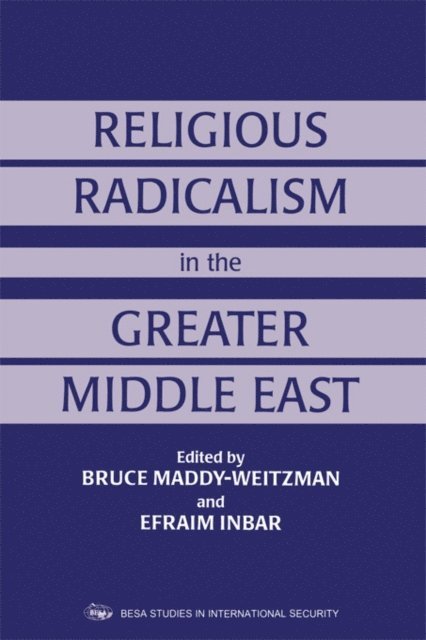
This collection offers a political analysis of religious radicalism in the Greater Middle East - comprising the Middle East, Central Asia and North Africa. The contributors present various conceptual perspectives including international relations, Middle East studies and political sociology.
268 kr
Skickas inom 10-15 vardagar
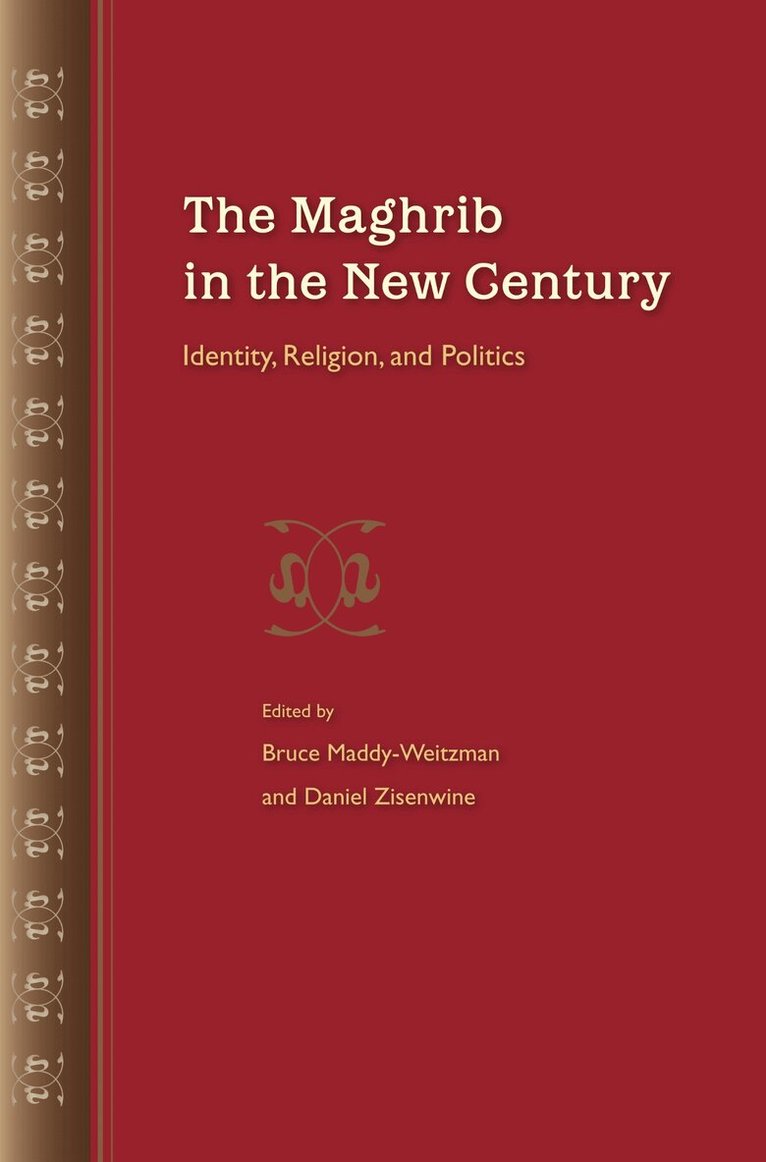
Situated on Europe's threshold, the Maghrib's core states--Morocco, Algeria, and Tunisia--are confronted by many of the same dire political, social, and economic circumstances as the Arab and other Muslim countries farther east. However, these countries are often overlooked during debates over the future of the Middle East, even though their political and social systems appear more ripe for the kind of partnership envisaged by Western policy-makers than others in the region.This volume features a topical focus on Islamic movements, an emphasis on the importance of the Berber dimension of contemporary North African society and politics, and the inclusion of a crucial transnational perspective stressing the Maghrib's ties to Europe. All of this is set against a backdrop of larger questions of history, memory, and national identity at the dawn of a new century.
671 kr
Skickas inom 10-15 vardagar
Discussions of the unsettled political and social landscapes in the Middle East and North Africa frequently point to Morocco as an exception. An Arab League member-state, Morocco enjoys a favorable image in the West, seemingly combining a healthy and balanced mix of tradition and modernity, authenticity with openness to foreign cultures, political stability and evolution towards greater pluralism, and a marked improvement in the legal and social status of women. This book offers a comprehensive and detailed scholarly examination of Morocco's political, social and cultural evolution under King Mohammed VI. Contributions from an international lineup of experts on Moroccan history, politics, economy, society and culture explain the tension and dynamics between the state authorities and competing social actors, and highlight the durability of the monarchical institution while also pointing to the continued challenges it faces from a variety of directions. The analysis touches on a number of issues, notably youth, and women and religious reform to investigate how the country has become significantly more open and less repressive, and how any unrest Morocco experienced during the recent ‘Arab Spring’ has been controlled. Employing various disciplines and theoretical perspectives, the result is an analytically rich portrayal which sheds important light on the country's prospects and the challenges it confronts in an era of steadily accelerating globalization. As such, it will be of interest to students and scholars who focus on modern Morocco, North Africa and the Middle East, as well as researchers in the fields of Comparative Politics and International Relations.
1 245 kr
Skickas inom 10-15 vardagar
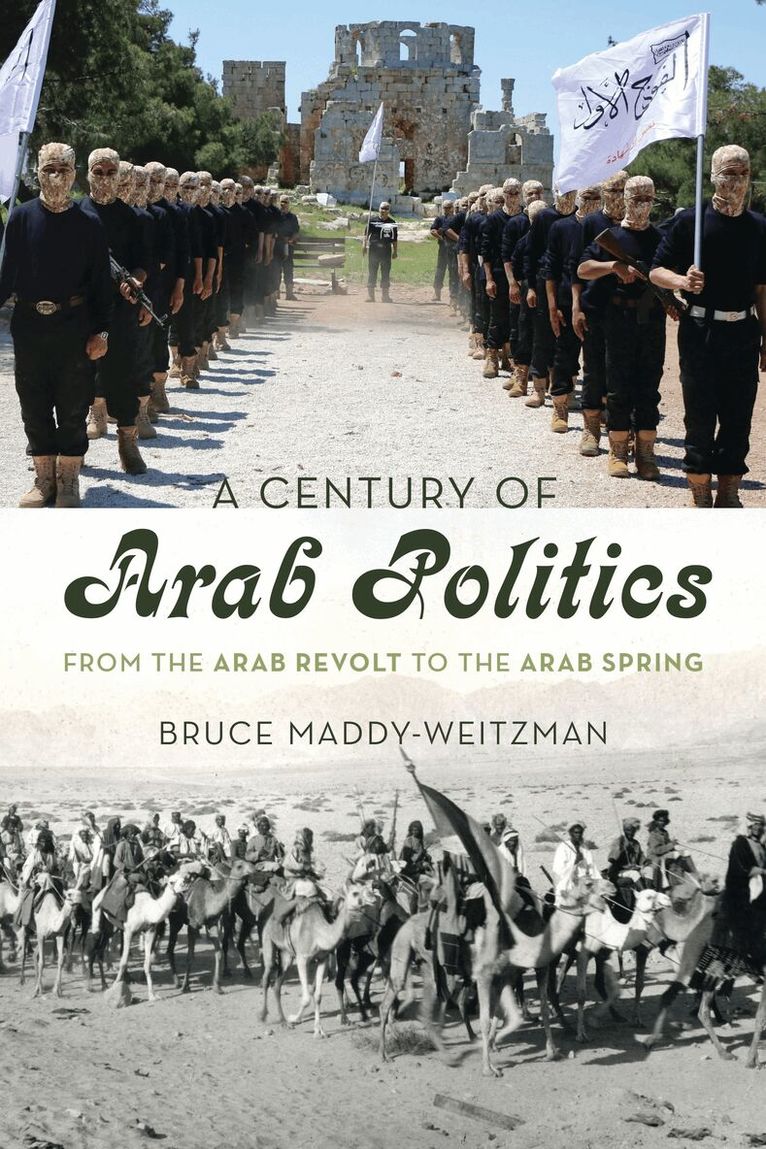
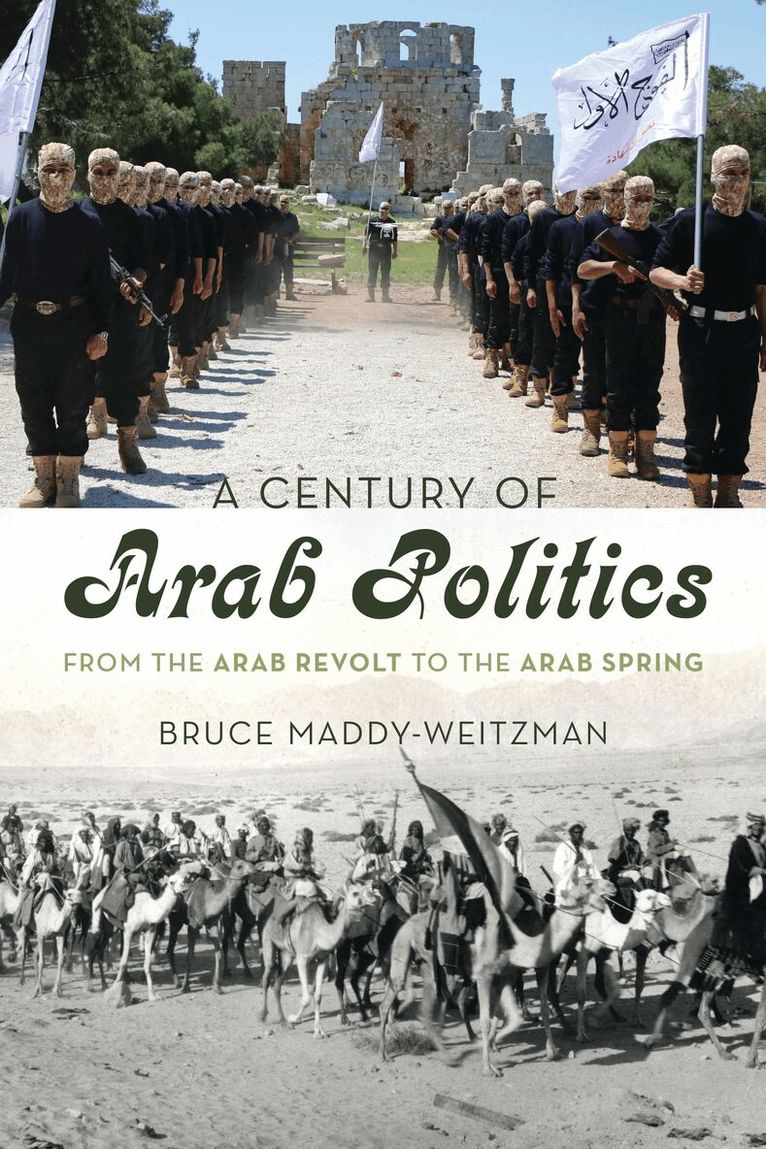
From the “Great Arab Revolt” against Ottoman rule in World War I to the upheavals of the Arab Spring, this text analyzes a century of modern Arab history through the lens of three intertwined notions: the idea of a single Arab nation, the reality of multiple Arab states, and the competition between them over both concrete and symbolic interests. These concepts are presented against the background of Great Power involvement in the region, regional issues such as the Arab-Israeli conflict and the Iran-Iraq war, and the rise of political Islam. The evolution of regional Arab politics is examined from its infancy at the beginning of the 20th century to the profound challenges posed by the upheavals of the Arab Spring, and through the emergence of multiple Arab states organized under the League of Arab States, the pan-Arab heyday of Gamal Abdel Nasser between 1955 and 1967, and the subsequent consolidation of a multi-polar Arab state system. This history highlights the changing nature of modern Arab identity, the achievements and shortcomings of Arab state formation processes, and the influence of enduring communal, tribal, religious and ethnic identities on the modern Arab order. Altogether, these factors help explain contemporary Arab realities and why the Arab nationalist dream of achieving power and prosperity in line with an idealized image of the past, has proven elusive. This failure, in turn, has fueled both the recent upheavals and limited the prospects for successful outcomes. This broad and readable synthesis covers the political, economic, social, and cultural history of the Arab region. By reexamining what “being Arab” means today, politically and culturally, it will be a valuable text to students seeking to understand the modern Middle East.
585 kr
Skickas inom 10-15 vardagar
From the “Great Arab Revolt” against Ottoman rule in World War I to the upheavals of the Arab Spring, this text analyzes a century of modern Arab history through the lens of three intertwined notions: the idea of a single Arab nation, the reality of multiple Arab states, and the competition between them over both concrete and symbolic interests. These concepts are presented against the background of Great Power involvement in the region, regional issues such as the Arab-Israeli conflict and the Iran-Iraq war, and the rise of political Islam. The evolution of regional Arab politics is examined from its infancy at the beginning of the 20th century to the profound challenges posed by the upheavals of the Arab Spring, and through the emergence of multiple Arab states organized under the League of Arab States, the pan-Arab heyday of Gamal Abdel Nasser between 1955 and 1967, and the subsequent consolidation of a multi-polar Arab state system. This history highlights the changing nature of modern Arab identity, the achievements and shortcomings of Arab state formation processes, and the influence of enduring communal, tribal, religious and ethnic identities on the modern Arab order. Altogether, these factors help explain contemporary Arab realities and why the Arab nationalist dream of achieving power and prosperity in line with an idealized image of the past, has proven elusive. This failure, in turn, has fueled both the recent upheavals and limited the prospects for successful outcomes. This broad and readable synthesis covers the political, economic, social, and cultural history of the Arab region. By reexamining what “being Arab” means today, politically and culturally, it will be a valuable text to students seeking to understand the modern Middle East.
495 kr
Skickas inom 7-10 vardagar
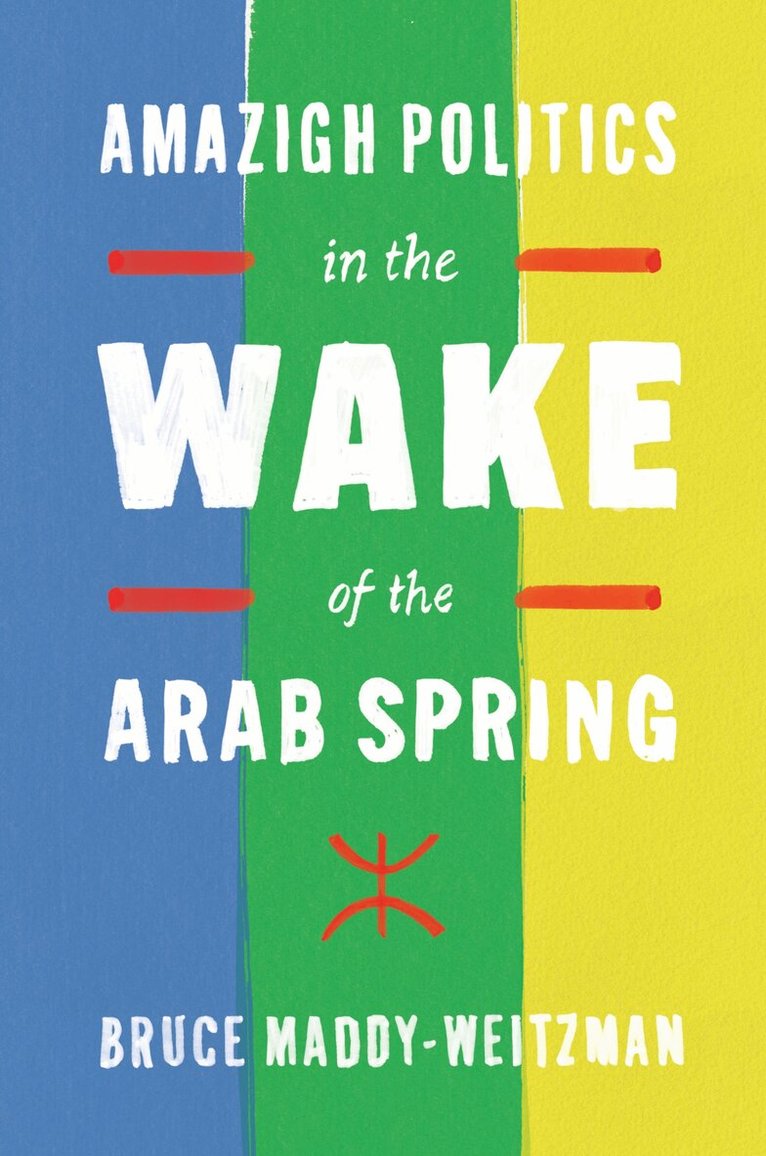
On television, the Arab Spring took place in Cairo, Tunis, and the city-states of the Persian Gulf. Yet the drama of 2010, and the decade of subsequent activism, extended beyond the cities—indeed, beyond Arabs. Bruce Maddy-Weitzman brings to light the sustained post–Arab Spring political movement of North Africa's Amazigh people.The Amazigh movement did not begin with the Arab Spring, but it has changed significantly since then. Amazigh Politics in the Wake of the Arab Spring details the increasingly material goals of Amazigh activism, as protest has shifted from the arena of ethnocultural recognition to that of legal and socioeconomic equality. Amazigh communities responded to the struggles for freedom around them by pressing territorial and constitutional claims while rejecting official discrimination and neglect. Arab activists, steeped in postcolonial nationalism and protective of their hegemonic position, largely refused their support, yet flailing regimes were forced to respond to sharpening Amazigh demands or else jeopardize their threadbare legitimacy. Today the Amazigh question looms larger than ever, as North African governments find they can no longer ignore the movement's interests.