Daniel Zisenwine – författare
Visar alla böcker från författaren Daniel Zisenwine. Handla med fri frakt och snabb leverans.
12 produkter
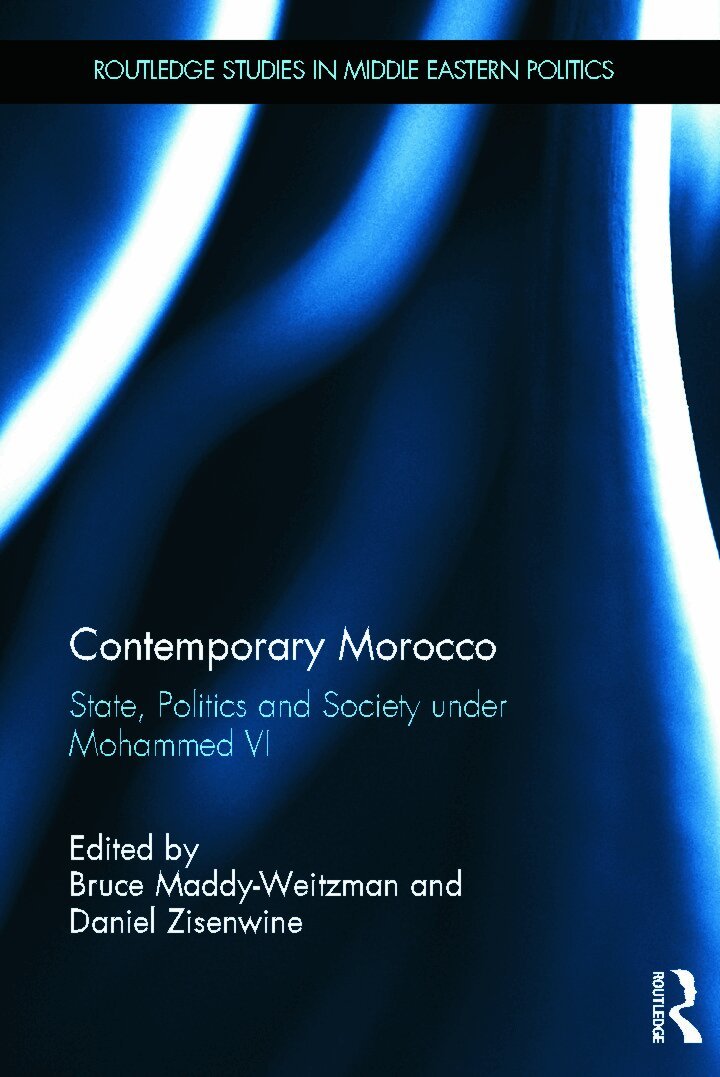
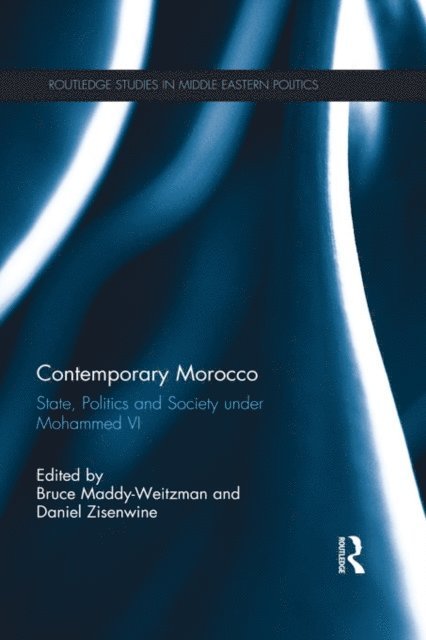
Contemporary Morocco
State, Politics and Society under Mohammed VI
Av Bruce Maddy-Weitzman, Daniel Zisenwine
Inbunden, 2012
2468 kr
Lägg i varukorg
Discussions of the unsettled political and social landscapes in the Middle East and North Africa frequently point to Morocco as an exception. An Arab League member-state, Morocco enjoys a favorable image in the West, seemingly combining a healthy and balanced mix of tradition and modernity, …
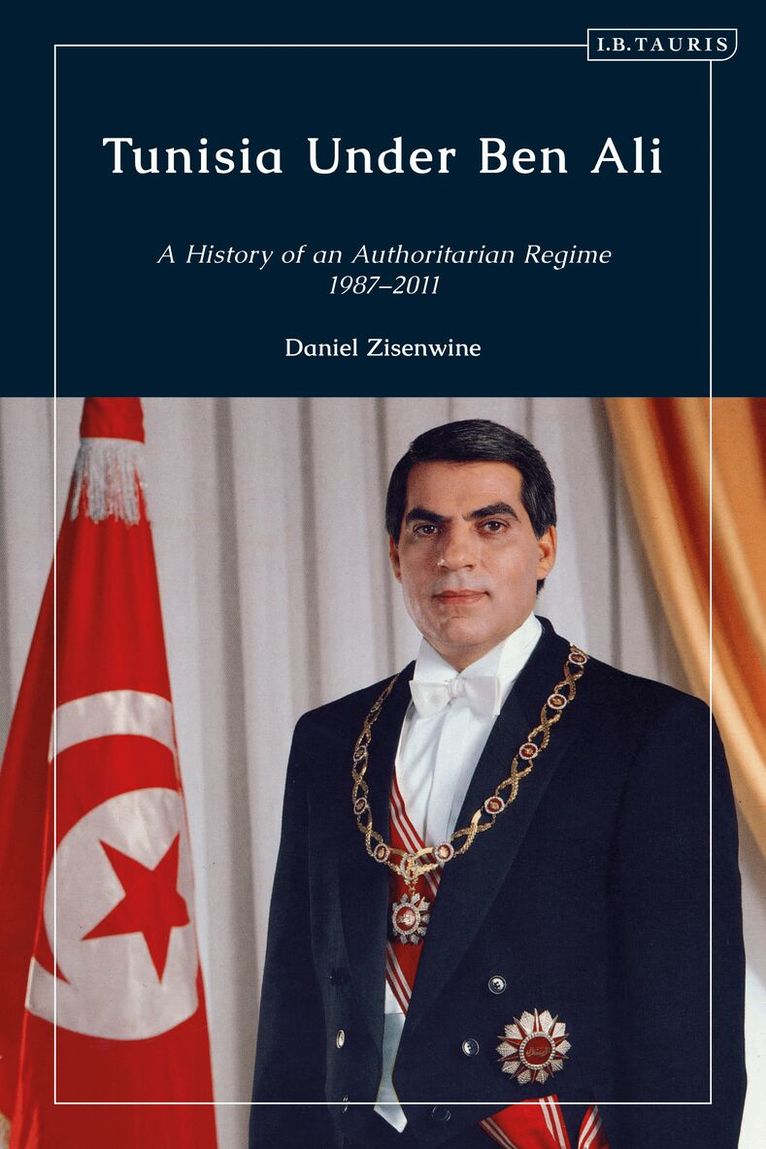
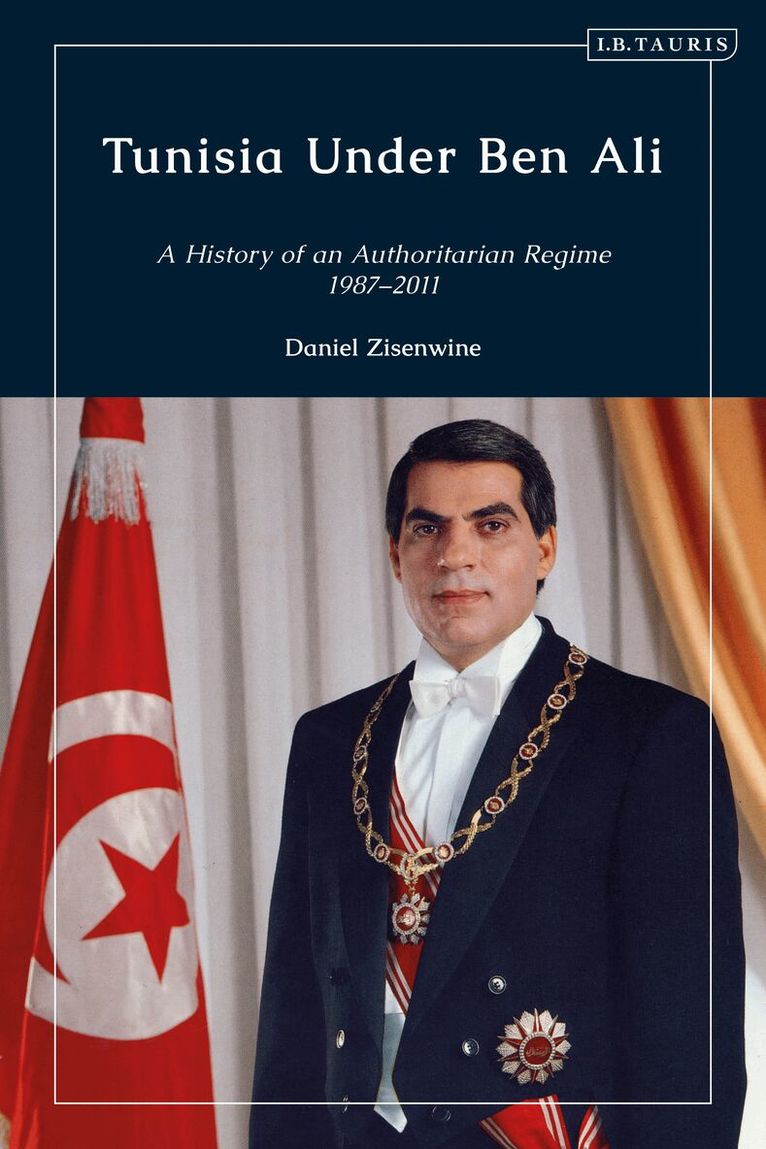
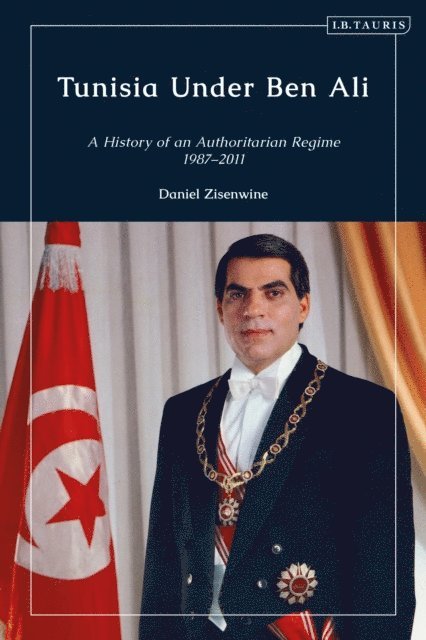
Tunisia Under Ben Ali
A History of an Authoritarian Regime, 1987-2011
Häftad, 2026
415 kr
Lägg i varukorg
Here, Daniel Zisenwine looks at Tunisia under the rule of Ben Ali, from 1987 when he rose to power until the 2011 protests that led to his downfall.Sparked by the self-immolation of Mohamed Bouazizi in Sidi Bouzid in Tunisia, a wave of protests and uprisings spread across North Africa and the …
Maghrib in the New Century
Identity, Religion and Politics
Av Bruce Maddy-Weitzman, Daniel Zisenwine
Häftad, 2013
283 kr
Lägg i varukorg
Situated on Europe's threshold, the Maghrib's core states--Morocco, Algeria, and Tunisia--are confronted by many of the same dire political, social, and economic circumstances as the Arab and other Muslim countries farther east. However, these countries are often overlooked during debates over the …
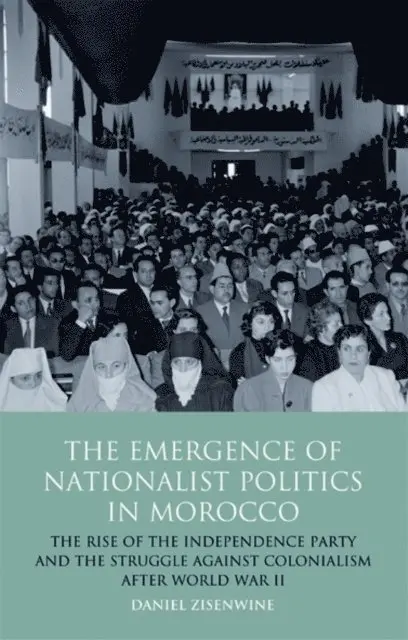
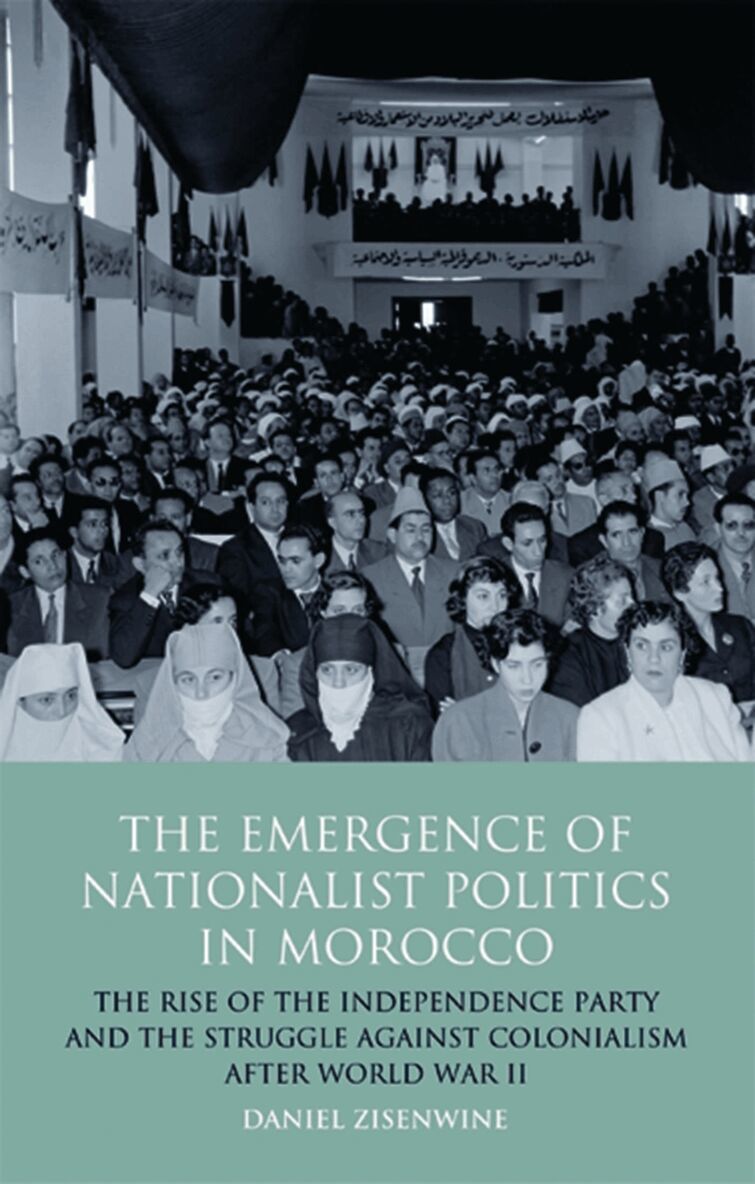
Emergence of Nationalist Politics in Morocco
The Rise of the Independence Party and the Struggle Against Colonialism After World War II
E-bok, 2010
2020 kr
Lägg i varukorg
The end of World War II intensified Morocco's nationalist struggle against French colonial rule, with the establishment of the Istiqlal ('independence') party and the Moroccan Sultan's emergence as a national leader. In this book, Daniel Zisenwine charts the rise of Morocco's leading nationalist …
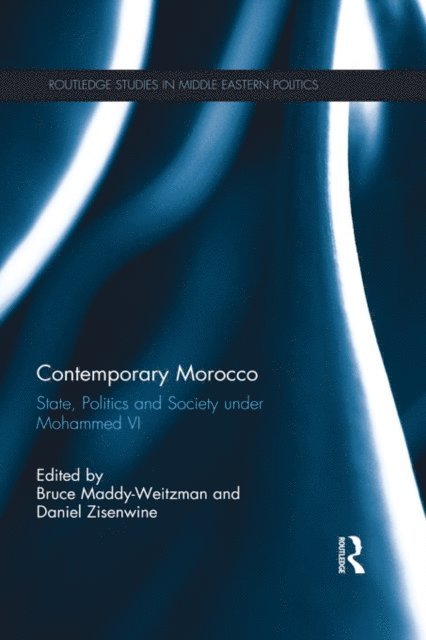
Contemporary Morocco
State, Politics and Society under Mohammed VI
Av Daniel Zisenwine, Bruce Maddy-Weitzman
E-bok, 2012
864 kr
Lägg i varukorg
Discussions of the unsettled political and social landscapes in the Middle East and North Africa frequently point to Morocco as an exception. An Arab League member-state, Morocco enjoys a favorable image in the West, seemingly combining a healthy and balanced mix of tradition and modernity, …
Contemporary Morocco
State, Politics and Society under Mohammed VI
Av Daniel Zisenwine, Bruce Maddy-Weitzman
E-bok, 2012
883 kr
Lägg i varukorg
Discussions of the unsettled political and social landscapes in the Middle East and North Africa frequently point to Morocco as an exception. An Arab League member-state, Morocco enjoys a favorable image in the West, seemingly combining a healthy and balanced mix of tradition and modernity, …
Contemporary Morocco
State, Politics and Society under Mohammed VI
Av Bruce Maddy-Weitzman, Daniel Zisenwine
Häftad, 2017
747 kr
Lägg i varukorg
Discussions of the unsettled political and social landscapes in the Middle East and North Africa frequently point to Morocco as an exception. An Arab League member-state, Morocco enjoys a favorable image in the West, seemingly combining a healthy and balanced mix of tradition and modernity, …
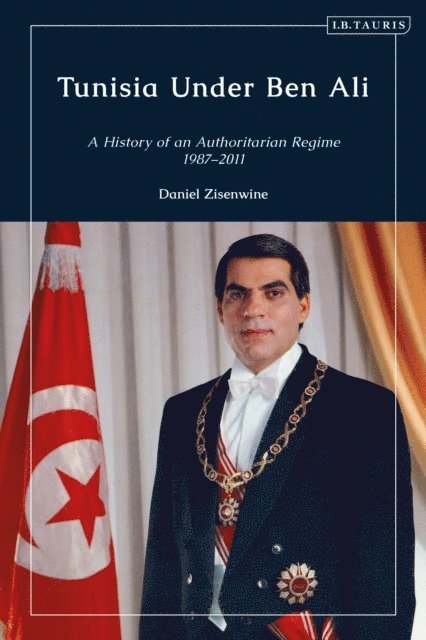
Tunisia Under Ben Ali
A History of an Authoritarian Regime, 1987-2011
Inbunden, 2025
1240 kr
Lägg i varukorg
Here, Daniel Zisenwine looks at Tunisia under the rule of Ben Ali, from 1987 when he rose to power until the 2011 protests that led to his downfall.Sparked by the self-immolation of Mohamed Bouazizi in Sidi Bouzid in Tunisia, a wave of protests and uprisings spread across North Africa and the …
Tunisia Under Ben Ali
A History of an Authoritarian Regime, 1987-2011
E-bok, 2025
1364 kr
Lägg i varukorg
Here, Daniel Zisenwine looks at Tunisia under the rule of Ben Ali, from 1987 when he rose to power until the 2011 protests that led to his downfall.Sparked by the self-immolation of Mohamed Bouazizi in Sidi Bouzid in Tunisia, a wave of protests and uprisings spread across North Africa and the …
Tunisia Under Ben Ali
A History of an Authoritarian Regime, 1987-2011
E-bok, 2025
1364 kr
Lägg i varukorg
Here, Daniel Zisenwine looks at Tunisia under the rule of Ben Ali, from 1987 when he rose to power until the 2011 protests that led to his downfall.Sparked by the self-immolation of Mohamed Bouazizi in Sidi Bouzid in Tunisia, a wave of protests and uprisings spread across North Africa and the …
Emergence of Nationalist Politics in Morocco
The Rise of the Independence Party and the Struggle Against Colonialism After World War II
Inbunden, 2010
1893 kr
Lägg i varukorg
The end of World War II intensified Morocco's nationalist struggle against French colonial rule, with the establishment of the Istiqlal ('independence') party and the Moroccan Sultan's emergence as a national leader. In this book, Daniel Zisenwine charts the rise of Morocco's leading nationalist …
Maghrib in the New Century
Identity, Religion, and Politics
Av Bruce Maddy-Weitzman, Daniel Zisenwine
Inbunden, 2007
697 kr
Tillfälligt slut
Situated on Europe's threshold, the Maghrib's core states - Morocco, Algeria, and Tunisia - are confronted by many of the same dire political, social, and economic circumstances as the Arab and other Muslim countries farther east. However, these countries are often overlooked during debates over …