Bruce R. Smith – författare
Visar alla böcker från författaren Bruce R. Smith. Handla med fri frakt och snabb leverans.
18 produkter
Shakespeare | Cut
Rethinking cutwork in an age of distraction
E-bok, 2016
202 kr
Lägg i varukorg
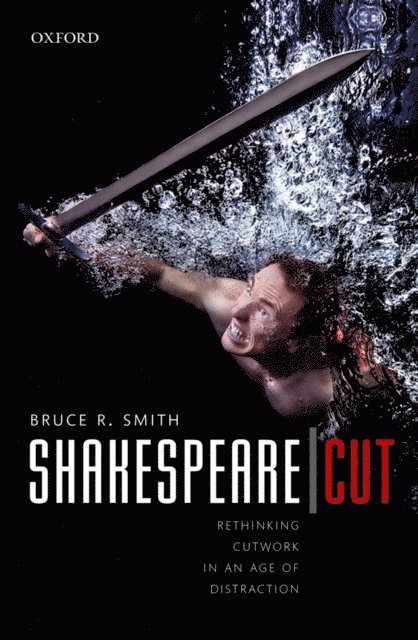
In distracted times like the present, Shakespeare too has been driven to distraction. Shakespeare | Cut considers contemporary practices of cutting up Shakespeare in stage productions, videogames, book sculptures, and YouTube postings, but it also takes the long view of how Shakespeare''s texts …
Shakespeare | Cut
Rethinking cutwork in an age of distraction
E-bok, 2016
202 kr
Lägg i varukorg
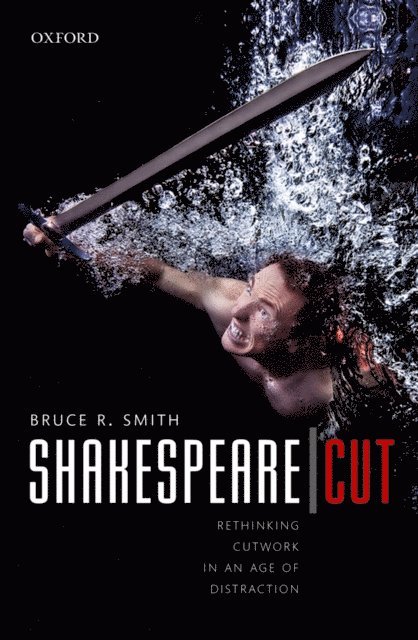
In distracted times like the present, Shakespeare too has been driven to distraction. Shakespeare | Cut considers contemporary practices of cutting up Shakespeare in stage productions, videogames, book sculptures, and YouTube postings, but it also takes the long view of how Shakespeare''s texts …
Shakespeare | Cut
Rethinking cutwork in an age of distraction
Inbunden, 2016
689 kr
Lägg i varukorg
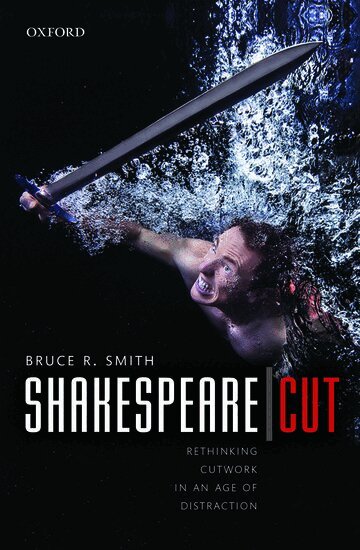
In distracted times like the present, Shakespeare too has been driven to distraction. Shakespeare | Cut considers contemporary practices of cutting up Shakespeare in stage productions, videogames, book sculptures, and YouTube postings, but it also takes the long view of how Shakespeare's texts have …
Shakespeare | Cut
Rethinking cutwork in an age of distraction
Häftad, 2019
429 kr
Lägg i varukorg
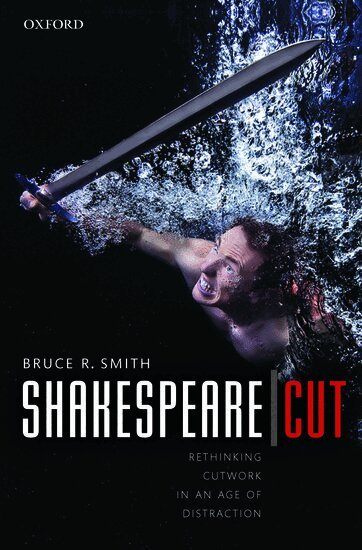
In distracted times like the present, Shakespeare too has been driven to distraction. Shakespeare | Cut considers contemporary practices of cutting up Shakespeare in stage productions, video games, book sculptures, and YouTube postings, but it also takes the long view of how Shakespeare's texts …
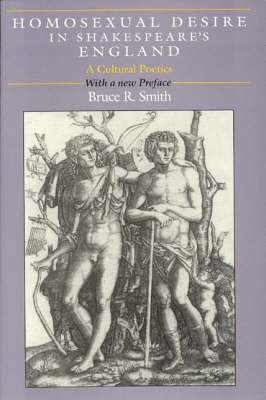
Homosexual Desire in Shakespeare's England
A Cultural Poetics
Häftad, 1995
745 kr
Lägg i varukorg
In the most comprehensive study yet of homosexuality in the English Renaissance, Bruce R. Smith examines and rejects the assessments of homosexual acts in moral philosophy, laws, and medical books in favor of a poetics of homosexual desire. Smith isolates six different "myths" from classical …
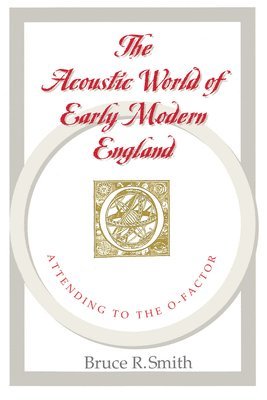
Acoustic World of Early Modern England
Attending to the O-Factor
Inbunden, 1999
1242 kr
Lägg i varukorg
We know how a Shakespeare play sounds when performed today, but what would listeners have heard within the wooden "O" of the Globe Theater in 1599? What sounds would have filled the air in early modern England, and what would these sounds have meant to people in that largely oral culture? In this …
Acoustic World of Early Modern England
Attending to the O-Factor
Häftad, 1999
502 kr
Lägg i varukorg
We know how a Shakespeare play sounds when performed today, but what would listeners have heard within the wooden "O" of the Globe Theater in 1599? What sounds would have filled the air in early modern England, and what would these sounds have meant to people in that largely oral culture? In this …
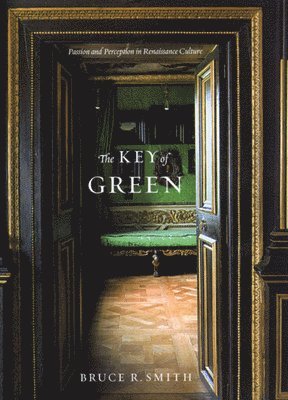
Key of Green
Passion and Perception in Renaissance Culture
Inbunden, 2008
561 kr
Lägg i varukorg
From Shakespeare's 'green-eyed monster' to the 'green thought in a green shade' in Andrew Marvell's "The Garden," the color green was curiously prominent and resonant in English culture during the sixteenth and seventeenth centuries. Among other things, green was the most common color of household …
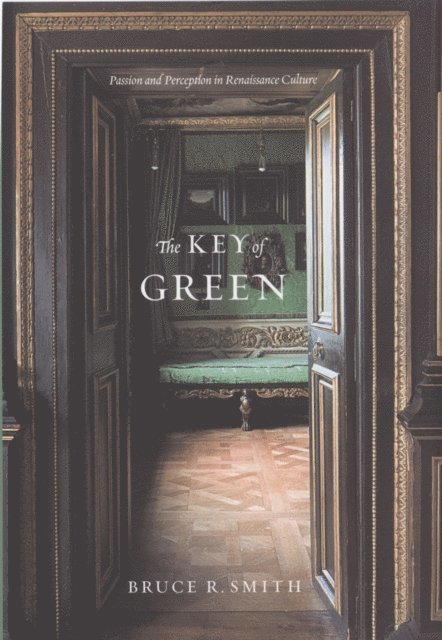
Key of Green
Passion and Perception in Renaissance Culture
E-bok, 2010
1220 kr
Lägg i varukorg
From Shakespeare’s “green-eyed monster” to the “green thought in a green shade” in Andrew Marvell’s “The Garden,” the color green was curiously prominent and resonant in English culture of the sixteenth and seventeenth centuries. Among other things, green was the most common color of household …
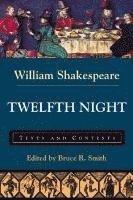
Twelfth Night
Texts and Contexts
Häftad, 2001
381 kr
Lägg i varukorg
This edition of Shakespeare's Twelfth Night reprints the Bevington edition of the play along with seven sets of thematically arranged primary documents and illustrations designed to facilitate many different approaches to Shakespeare's play and the early modern culture out of which the play …
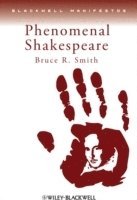
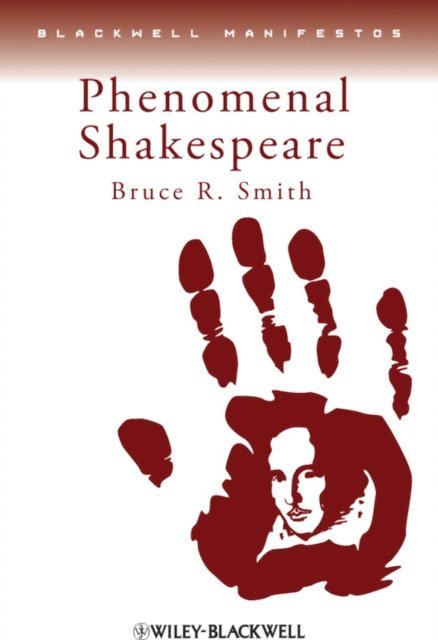
Phenomenal Shakespeare
Häftad, 2010
506 kr
Lägg i varukorg
In Phenomenal Shakespeare, leading Shakespeare scholar Bruce R. Smith presents an original account for the ways in which Shakespeare’s poems and plays continue to resonate with audiences, readers and scholars because of their engagement with the whole body, not just the reading mind. An original …
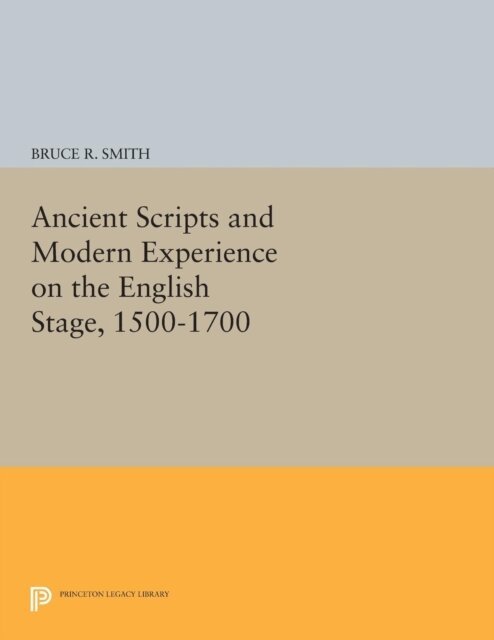
Ancient Scripts and Modern Experience on the English Stage, 1500-1700
Häftad, 2014
938 kr
Lägg i varukorg
Unlike the contrast between the sacred and the taboo, the opposition of "comic" and "tragic" is not a way of categorizing experience that we find in cultures all over the world or even at different periods in Western civilization. Though medieval writers and readers distinguished stories with happy …
Ancient Scripts and Modern Experience on the English Stage, 1500-1700
Inbunden, 2016
2063 kr
Lägg i varukorg
Unlike the contrast between the sacred and the taboo, the opposition of "comic" and "tragic" is not a way of categorizing experience that we find in cultures all over the world or even at different periods in Western civilization. Though medieval writers and readers distinguished stories with happy …
Ancient Scripts and Modern Experience on the English Stage, 1500-1700
E-bok, 2014
788 kr
Lägg i varukorg
Unlike the contrast between the sacred and the taboo, the opposition of "e;comic"e; and "e;tragic"e; is not a way of categorizing experience that we find in cultures all over the world or even at different periods in Western civilization. Though medieval writers and readers …
Phenomenal Shakespeare
E-bok, 2009
1480 kr
Lägg i varukorg
In Phenomenal Shakespeare , leading Shakespeare scholar Bruce R. Smith presents an original account for the ways in which Shakespeare’s poems and plays continue to resonate with audiences, readers and scholars because of their engagement with the whole body, not just the reading mind. An original …
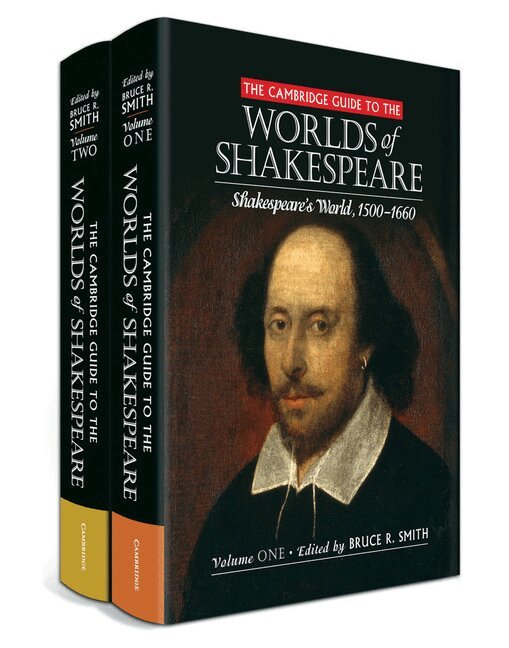
The Cambridge Guide to the Worlds of Shakespeare 2 Volume Hardback Set
2016
14475 kr
Tillfälligt slut
The Cambridge Guide to the Worlds of Shakespeare aims to replicate the expansive reach of Shakespeare's global reputation. In pursuit of that vision, this work is transhistorical, international and interdisciplinary. Volume 1, Shakespeare's World, 1500-1660, includes a comprehensive survey of the …
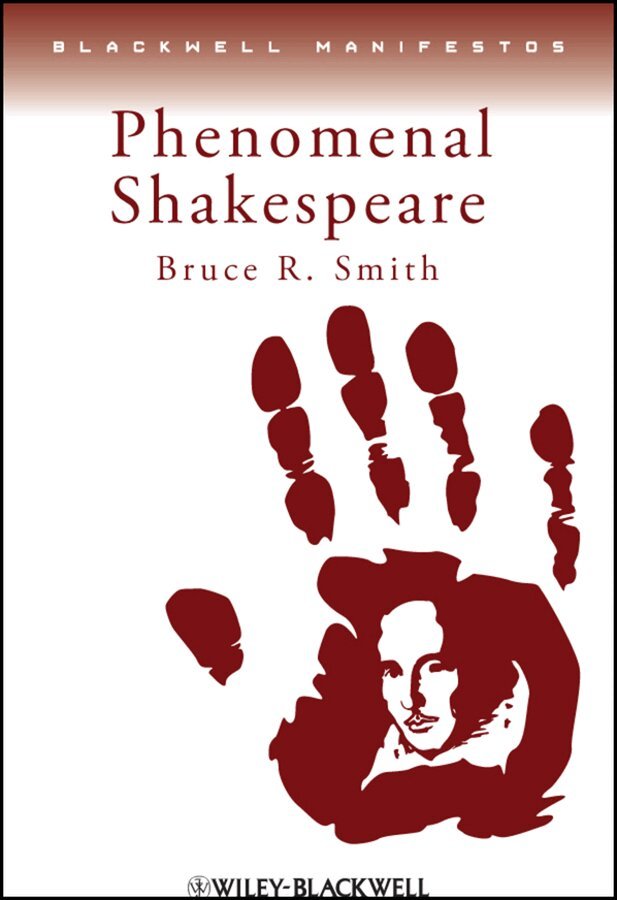
Phenomenal Shakespeare
2010
992 kr
Tillfälligt slut
In Phenomenal Shakespeare , leading Shakespeare scholar Bruce R. Smith presents an original account for the ways in which Shakespeare's poems and plays continue to resonate with audiences, readers and scholars because of their engagement with the whole body, not just the reading mind. An original …