Bruce Robbins - Böcker
Visar alla böcker från författaren Bruce Robbins. Handla med fri frakt och snabb leverans.
18 produkter
18 produkter
933 kr
Skickas inom 3-6 vardagar
Upward Mobility and the Common Good
Toward a Literary History of the Welfare State
Inbunden, Engelska, 2007
1 219 kr
Skickas inom 3-6 vardagar
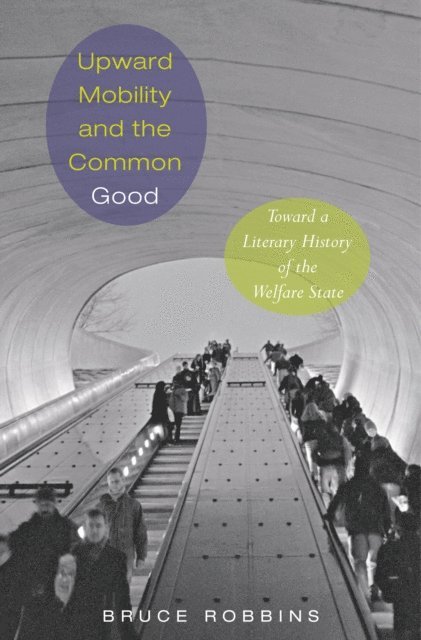
We think we know what upward mobility stories are about--virtuous striving justly rewarded, or unprincipled social climbing regrettably unpunished. Either way, these stories seem obviously concerned with the self-making of self-reliant individuals rather than with any collective interest. In Upward Mobility and the Common Good, Bruce Robbins completely overturns these assumptions to expose a hidden tradition of erotic social interdependence at the heart of the literary canon. Reinterpreting novels by figures such as Balzac, Stendhal, Charlotte Bront, Dickens, Dreiser, Wells, Doctorow, and Ishiguro, along with a number of films, Robbins shows how deeply the material and erotic desires of upwardly mobile characters are intertwined with the aid they receive from some sort of benefactor or mentor. In his view, Hannibal Lecter of The Silence of the Lambs becomes a key figure of social mobility in our time. Robbins argues that passionate and ambiguous relationships (like that between Lecter and Clarice Starling) carry the upward mobility story far from anyone's simple self-interest, whether the protagonist's or the mentor's.Robbins concludes that upward mobility stories have paradoxically helped American and European society make the transition from an ethic of individual responsibility to one of collective accountability, a shift that made the welfare state possible, but that also helps account for society's fascination with cases of sexual abuse and harassment by figures of authority.
Upward Mobility and the Common Good
Toward a Literary History of the Welfare State
Häftad, Engelska, 2010
433 kr
Skickas inom 7-10 vardagar
We think we know what upward mobility stories are about--virtuous striving justly rewarded, or unprincipled social climbing regrettably unpunished. Either way, these stories seem obviously concerned with the self-making of self-reliant individuals rather than with any collective interest. In Upward Mobility and the Common Good, Bruce Robbins completely overturns these assumptions to expose a hidden tradition of erotic social interdependence at the heart of the literary canon. Reinterpreting novels by figures such as Balzac, Stendhal, Charlotte Bronte, Dickens, Dreiser, Wells, Doctorow, and Ishiguro, along with a number of films, Robbins shows how deeply the material and erotic desires of upwardly mobile characters are intertwined with the aid they receive from some sort of benefactor or mentor. In his view, Hannibal Lecter of The Silence of the Lambs becomes a key figure of social mobility in our time. Robbins argues that passionate and ambiguous relationships (like that between Lecter and Clarice Starling) carry the upward mobility story far from anyone's simple self-interest, whether the protagonist's or the mentor's.Robbins concludes that upward mobility stories have paradoxically helped American and European society make the transition from an ethic of individual responsibility to one of collective accountability, a shift that made the welfare state possible, but that also helps account for society's fascination with cases of sexual abuse and harassment by figures of authority.
1 154 kr
Skickas inom 10-15 vardagar
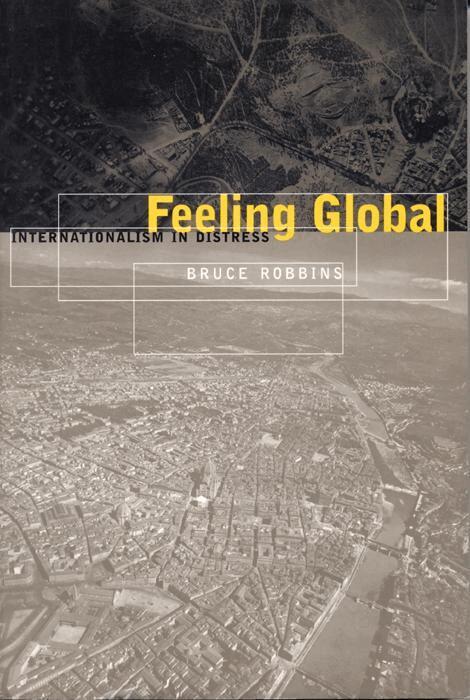
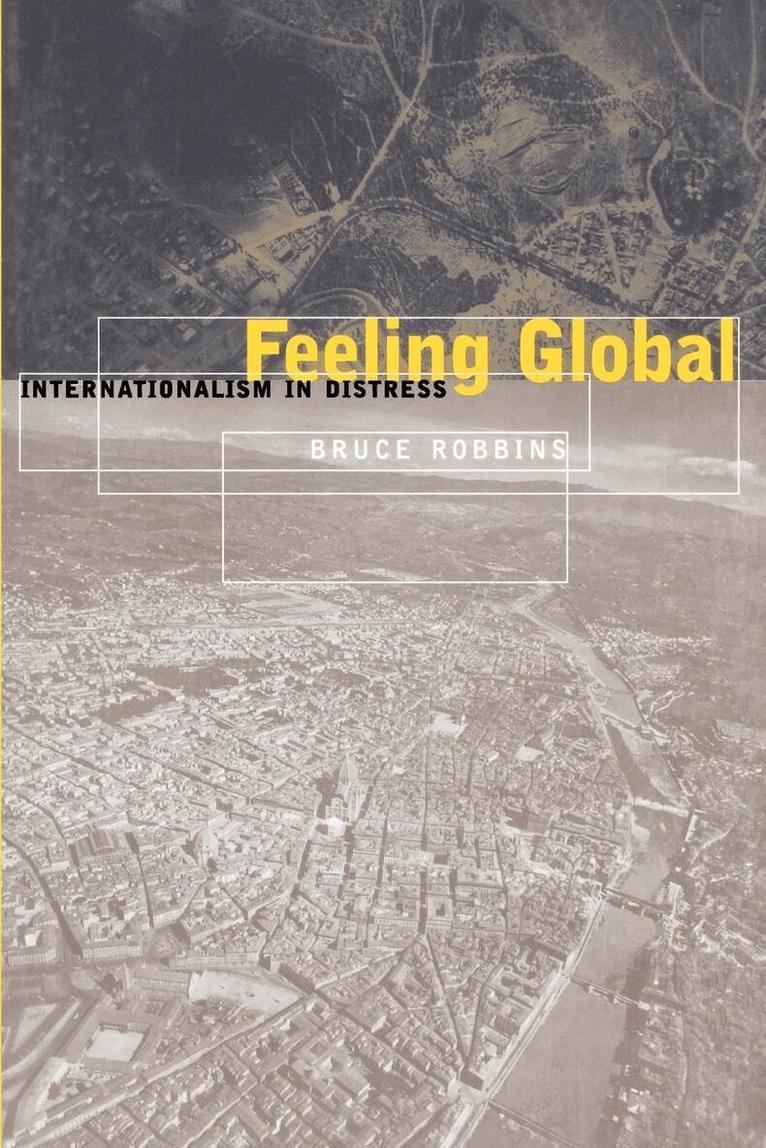
Is global culture merely a pale and sinister reflection of capitalist globalization? Bruce Robbins responds to this and other questions in Feeling Global, a crucial document on nationalism, culturalism, and the role of intellectuals in the age of globalization.Building on his previous work, Robbins here takes up the question of the status of international human rights. Robbins' conception of internationalism is driven not only by the imperatives of global human rights policy, but by an understanding of transnational cultures, thus linking practical policymaking to cultural politics at the expense of neither. Robbins' cultural criticism, in other words, affords us much more than an understanding of how culture "shapes our lives." Instead, Robbins shows, particularly in his discussions of Martha Nussbaum, Richard Rorty, Susan Sontag, Michael Walzer and others, how "culture" itself has become a term that blocks—for commentators on both the right and the left—serious engagement with the contemporary cosmopolitan ideal of a nonuniversalist discourse of human rights.Rescuing "cosmopolitanism" itself from its connotations of leisured individuals loyal to no one and willing to sample all cultures at will, Feeling Global presents a compelling way to think about the ethical obligations of intellectuals at a time when their place in the new world order is profoundly uncertain.
362 kr
Skickas inom 7-10 vardagar
Is global culture merely a pale and sinister reflection of capitalist globalization? Bruce Robbins responds to this and other questions in Feeling Global, a crucial document on nationalism, culturalism, and the role of intellectuals in the age of globalization.Building on his previous work, Robbins here takes up the question of the status of international human rights. Robbins' conception of internationalism is driven not only by the imperatives of global human rights policy, but by an understanding of transnational cultures, thus linking practical policymaking to cultural politics at the expense of neither. Robbins' cultural criticism, in other words, affords us much more than an understanding of how culture "shapes our lives." Instead, Robbins shows, particularly in his discussions of Martha Nussbaum, Richard Rorty, Susan Sontag, Michael Walzer and others, how "culture" itself has become a term that blocks—for commentators on both the right and the left—serious engagement with the contemporary cosmopolitan ideal of a nonuniversalist discourse of human rights.Rescuing "cosmopolitanism" itself from its connotations of leisured individuals loyal to no one and willing to sample all cultures at will, Feeling Global presents a compelling way to think about the ethical obligations of intellectuals at a time when their place in the new world order is profoundly uncertain.
1 191 kr
Skickas inom 7-10 vardagar
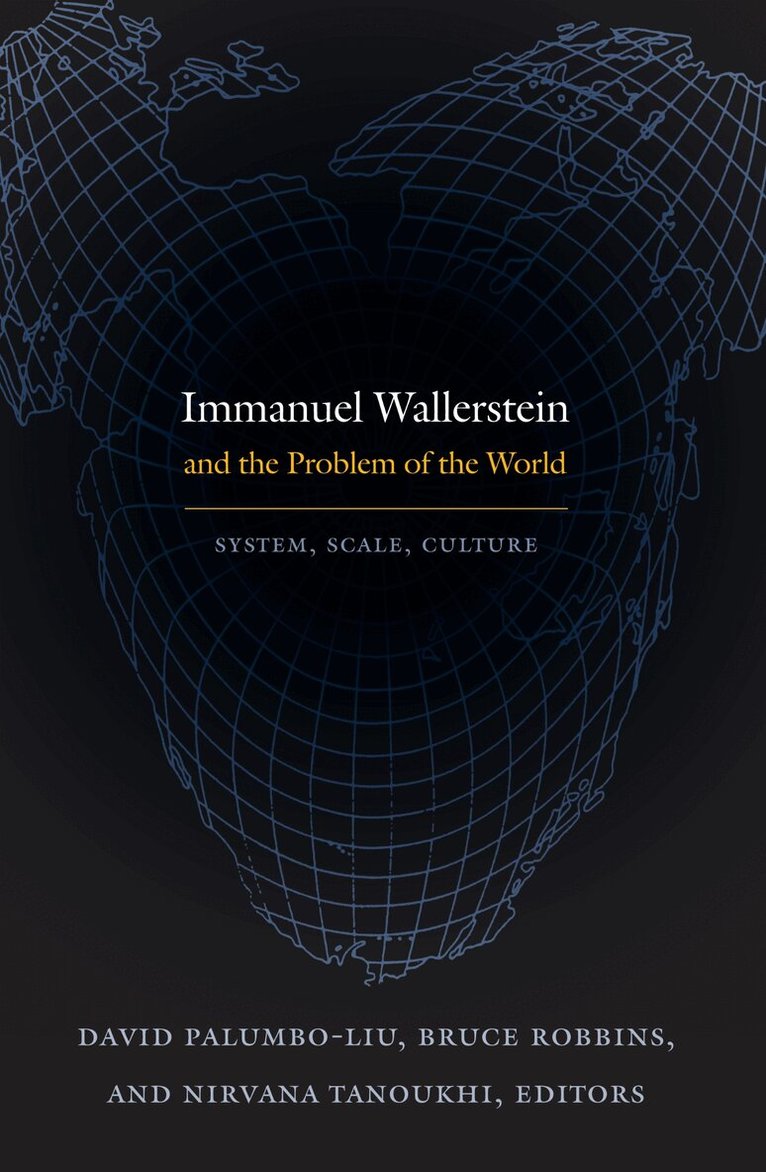
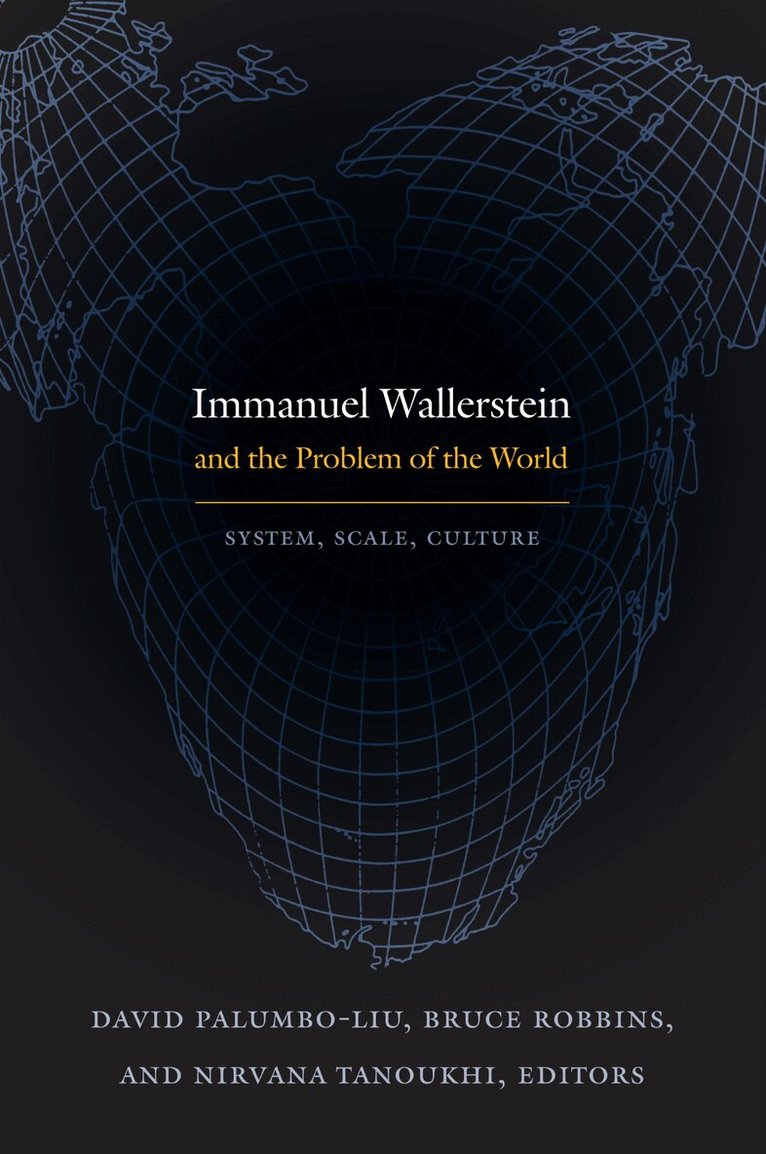
In this collection of essays, leading cultural theorists consider the meaning and implications of world-scale humanist scholarship by engaging with Immanuel Wallerstein’s world-systems analysis. The renowned sociologist developed his influential critical framework to explain the historical and continuing exploitation of the rest of the world by the West. World-systems analysis reflects Wallerstein’s conviction that understanding global inequality requires thinking on a global scale. Humanists have often criticized his theory as insufficiently attentive to values and objects of knowledge such as culture, agency, difference, subjectivity, and the local. The editors of this collection do not deny the validity of those criticisms; instead, they offer Wallerstein’s world-systems analysis as a well-developed vision of the world scale for humanists to think with and against. Scholars of comparative literature, gender, geography, history, law, race, and sociology consider what thinking on the world scale might mean for particular disciplinary practices, knowledge formations, and objects of study. Several essays offer broader reflections on what is at stake for the study of culture in decisions to adopt or reject world-scale thinking. In a brief essay, Immanuel Wallerstein situates world-systems analysis vis-À-vis the humanities.Contributors. Gopal Balakrishnan, Tani E. Barlow, Neil Brenner, Richard E. Lee, Franco Moretti, David Palumbo-Liu, Bruce Robbins, Helen Stacy, Nirvana Tanoukhi, Immanuel Wallerstein, KÄren Wigen
362 kr
Skickas inom 7-10 vardagar
In this collection of essays, leading cultural theorists consider the meaning and implications of world-scale humanist scholarship by engaging with Immanuel Wallerstein’s world-systems analysis. The renowned sociologist developed his influential critical framework to explain the historical and continuing exploitation of the rest of the world by the West. World-systems analysis reflects Wallerstein’s conviction that understanding global inequality requires thinking on a global scale. Humanists have often criticized his theory as insufficiently attentive to values and objects of knowledge such as culture, agency, difference, subjectivity, and the local. The editors of this collection do not deny the validity of those criticisms; instead, they offer Wallerstein’s world-systems analysis as a well-developed vision of the world scale for humanists to think with and against. Scholars of comparative literature, gender, geography, history, law, race, and sociology consider what thinking on the world scale might mean for particular disciplinary practices, knowledge formations, and objects of study. Several essays offer broader reflections on what is at stake for the study of culture in decisions to adopt or reject world-scale thinking. In a brief essay, Immanuel Wallerstein situates world-systems analysis vis-À-vis the humanities.Contributors. Gopal Balakrishnan, Tani E. Barlow, Neil Brenner, Richard E. Lee, Franco Moretti, David Palumbo-Liu, Bruce Robbins, Helen Stacy, Nirvana Tanoukhi, Immanuel Wallerstein, KÄren Wigen
362 kr
Skickas inom 7-10 vardagar
For two decades Bruce Robbins has been a theorist of and participant in the movement for a "new cosmopolitanism," an appreciation of the varieties of multiple belonging that emerge as peoples and cultures interact. In Perpetual War he takes stock of this movement, rethinking his own commitment and reflecting on the responsibilities of American intellectuals today. In this era of seemingly endless U.S. warfare, Robbins contends that the declining economic and political hegemony of the United States will tempt it into blaming other nations for its problems and lashing out against them.Under these conditions, cosmopolitanism in the traditional sense-primary loyalty to the good of humanity as a whole, even if it conflicts with loyalty to the interests of one's own nation-becomes a necessary resource in the struggle against military aggression. To what extent does the "new" cosmopolitanism also include or support this "old" cosmopolitanism? In an attempt to answer this question, Robbins engages with such thinkers as Noam Chomsky, Edward Said, Anthony Appiah, Immanuel Wallerstein, Louis Menand, W. G. Sebald, and Slavoj Zizek. The paradoxes of detachment and belonging they embody, he argues, can help define the tasks of American intellectuals in an era when the first duty of the cosmopolitan is to resist the military aggression perpetrated by his or her own country.
1 339 kr
Skickas inom 7-10 vardagar
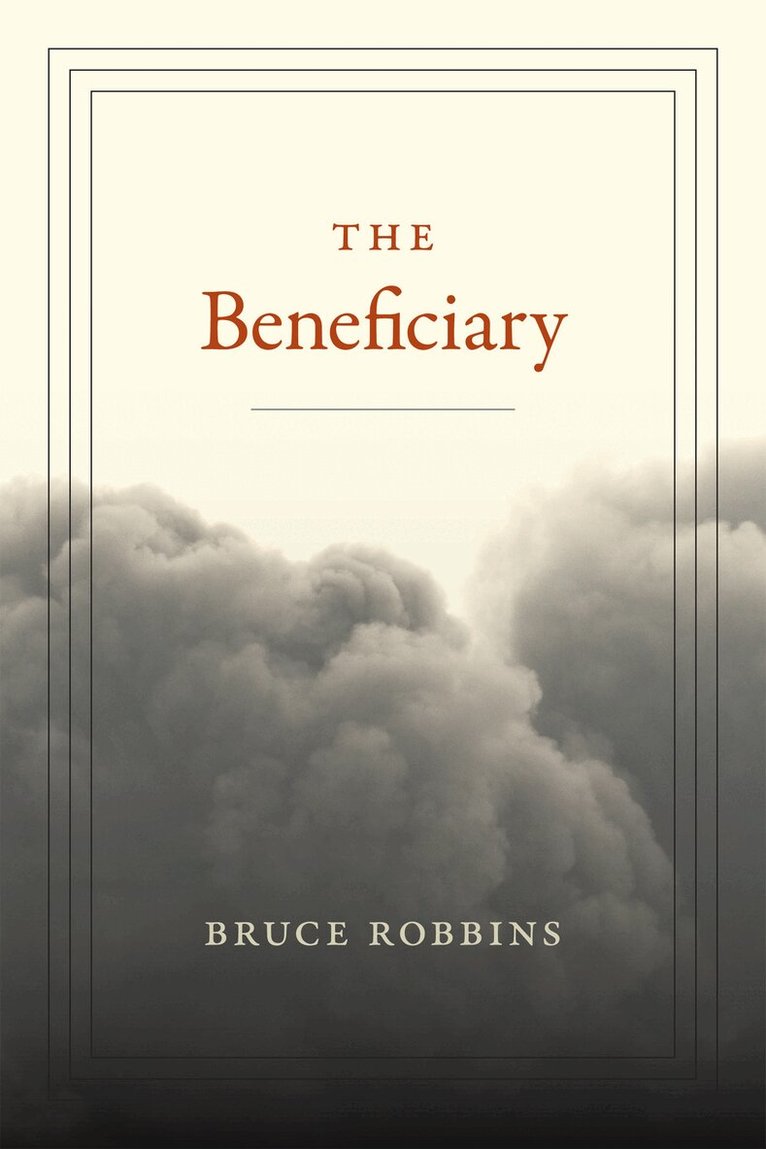
From iPhones and clothing to jewelry and food, the products those of us in the developed world consume and enjoy exist only through the labor and suffering of countless others. In his new book Bruce Robbins examines the implications of this dynamic for humanitarianism and social justice. He locates the figure of the "beneficiary" in the history of humanitarian thought, which asks the prosperous to help the poor without requiring them to recognize their causal role in the creation of the abhorrent conditions they seek to remedy. Tracing how the beneficiary has manifested itself in the work of George Orwell, Virginia Woolf, Jamaica Kincaid, Naomi Klein, and others, Robbins uncovers a hidden tradition of economic cosmopolitanism. There are no easy answers to the question of how to confront systematic inequality on a global scale. But the first step, Robbins suggests, is to acknowledge that we are, in fact, beneficiaries.
371 kr
Skickas inom 7-10 vardagar
From iPhones and clothing to jewelry and food, the products those of us in the developed world consume and enjoy exist only through the labor and suffering of countless others. In his new book Bruce Robbins examines the implications of this dynamic for humanitarianism and social justice. He locates the figure of the "beneficiary" in the history of humanitarian thought, which asks the prosperous to help the poor without requiring them to recognize their causal role in the creation of the abhorrent conditions they seek to remedy. Tracing how the beneficiary has manifested itself in the work of George Orwell, Virginia Woolf, Jamaica Kincaid, Naomi Klein, and others, Robbins uncovers a hidden tradition of economic cosmopolitanism. There are no easy answers to the question of how to confront systematic inequality on a global scale. But the first step, Robbins suggests, is to acknowledge that we are, in fact, beneficiaries.
1 097 kr
Skickas inom 10-15 vardagar
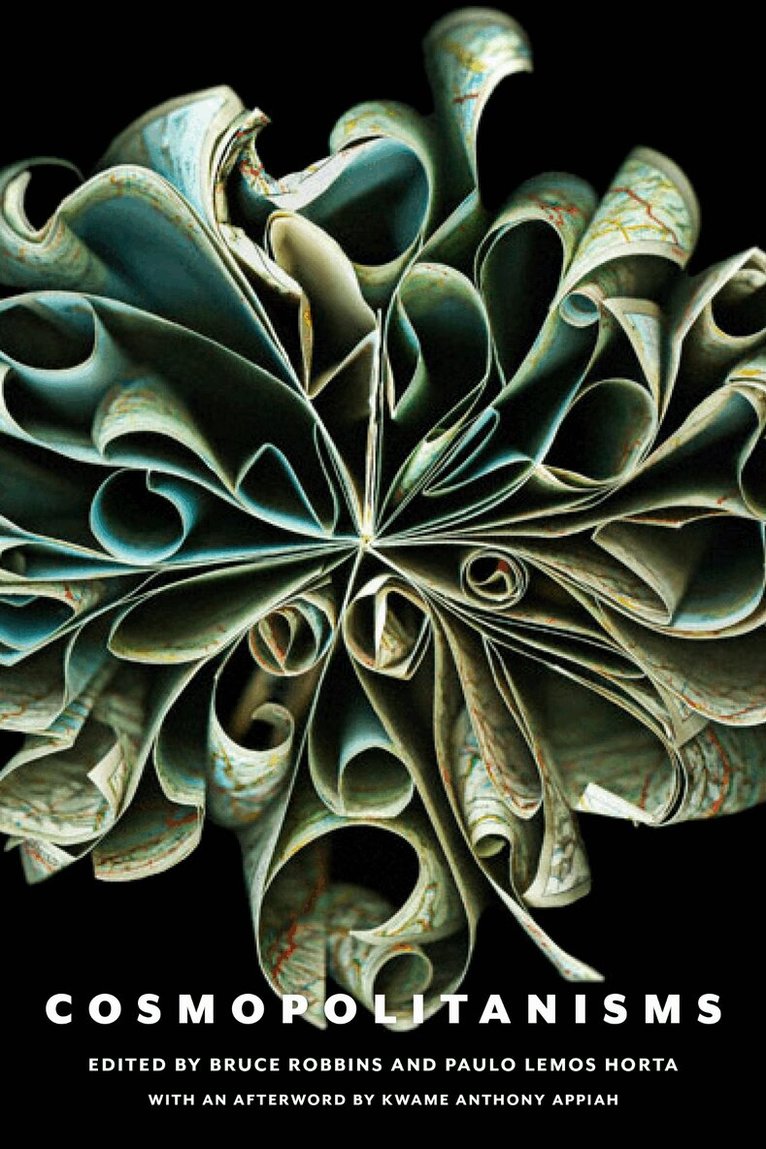
An indispensable collection that re-examines what it means to belong in the world. "Where are you from?" The word cosmopolitan was first used as a way of evading exactly this question, when Diogenes the Cynic declared himself a "kosmo-polites," or citizen of the world. Cosmopolitanism displays two impulses—on the one hand, a detachment from one's place of origin, while on the other, an assertion of membership in some larger, more compelling collective. Cosmopolitanisms works from the premise that there is more than one kind of cosmopolitanism, a plurality that insists cosmopolitanism can no longer stand as a single ideal against which all smaller loyalties and forms of belonging are judged. Rather, cosmopolitanism can be defined as one of many possible modes of life, thought, and sensibility that are produced when commitments and loyalties are multiple and overlapping. Featuring essays by major thinkers, including Homi Bhabha, Jean Bethke Elshtain, Thomas Bender, Leela Gandhi, Ato Quayson, and David Hollinger, among others, this collection asks what these plural cosmopolitanisms have in common, and how the cosmopolitanisms of the underprivileged might serve the ethical values and political causes that matter to their members. In addition to exploring the philosophy of Kant and the space of the city, this volume focuses on global justice, which asks what cosmopolitanism is good for, and on the global south, which has often been assumed to be an object of cosmopolitan scrutiny, not itself a source or origin of cosmopolitanism. This book gives a new meaning to belonging and its ground-breaking arguments call for deep and necessary discussion and discourse.
416 kr
Skickas inom 7-10 vardagar
An indispensable collection that re-examines what it means to belong in the world. "Where are you from?" The word cosmopolitan was first used as a way of evading exactly this question, when Diogenes the Cynic declared himself a "kosmo-polites," or citizen of the world. Cosmopolitanism displays two impulses—on the one hand, a detachment from one's place of origin, while on the other, an assertion of membership in some larger, more compelling collective. Cosmopolitanisms works from the premise that there is more than one kind of cosmopolitanism, a plurality that insists cosmopolitanism can no longer stand as a single ideal against which all smaller loyalties and forms of belonging are judged. Rather, cosmopolitanism can be defined as one of many possible modes of life, thought, and sensibility that are produced when commitments and loyalties are multiple and overlapping. Featuring essays by major thinkers, including Homi Bhabha, Jean Bethke Elshtain, Thomas Bender, Leela Gandhi, Ato Quayson, and David Hollinger, among others, this collection asks what these plural cosmopolitanisms have in common, and how the cosmopolitanisms of the underprivileged might serve the ethical values and political causes that matter to their members. In addition to exploring the philosophy of Kant and the space of the city, this volume focuses on global justice, which asks what cosmopolitanism is good for, and on the global south, which has often been assumed to be an object of cosmopolitan scrutiny, not itself a source or origin of cosmopolitanism. This book gives a new meaning to belonging and its ground-breaking arguments call for deep and necessary discussion and discourse.
976 kr
Skickas inom 7-10 vardagar
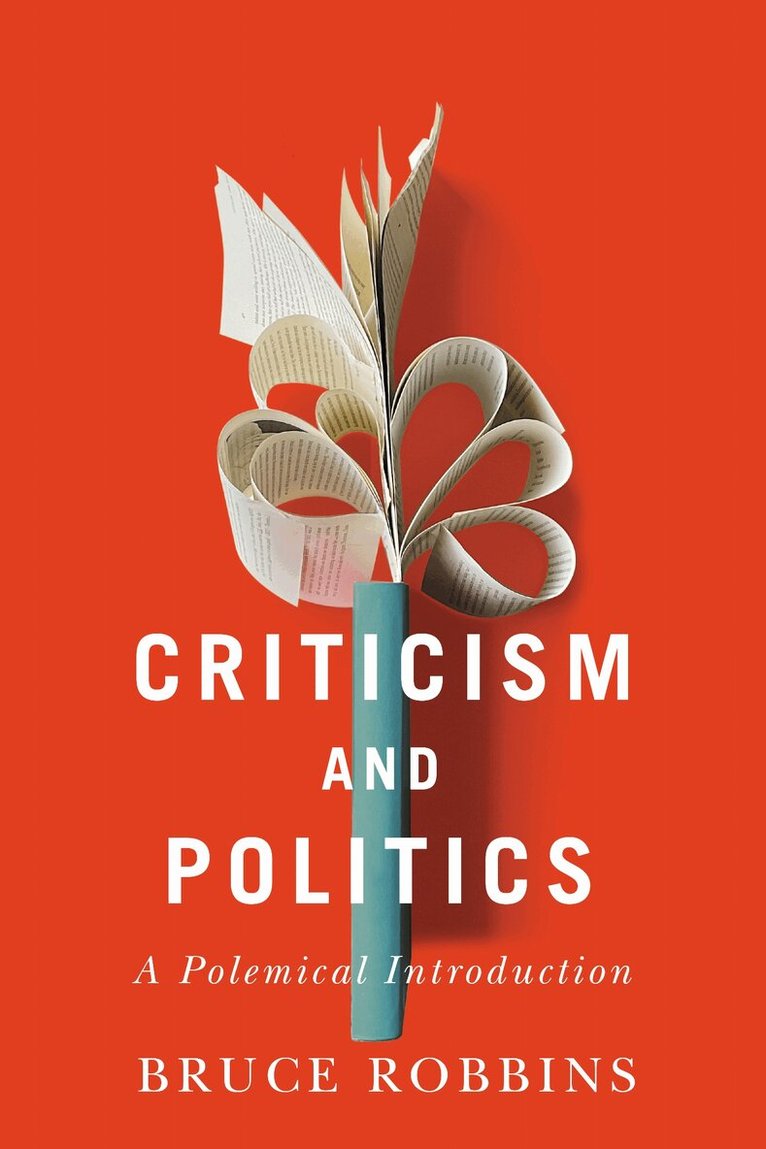
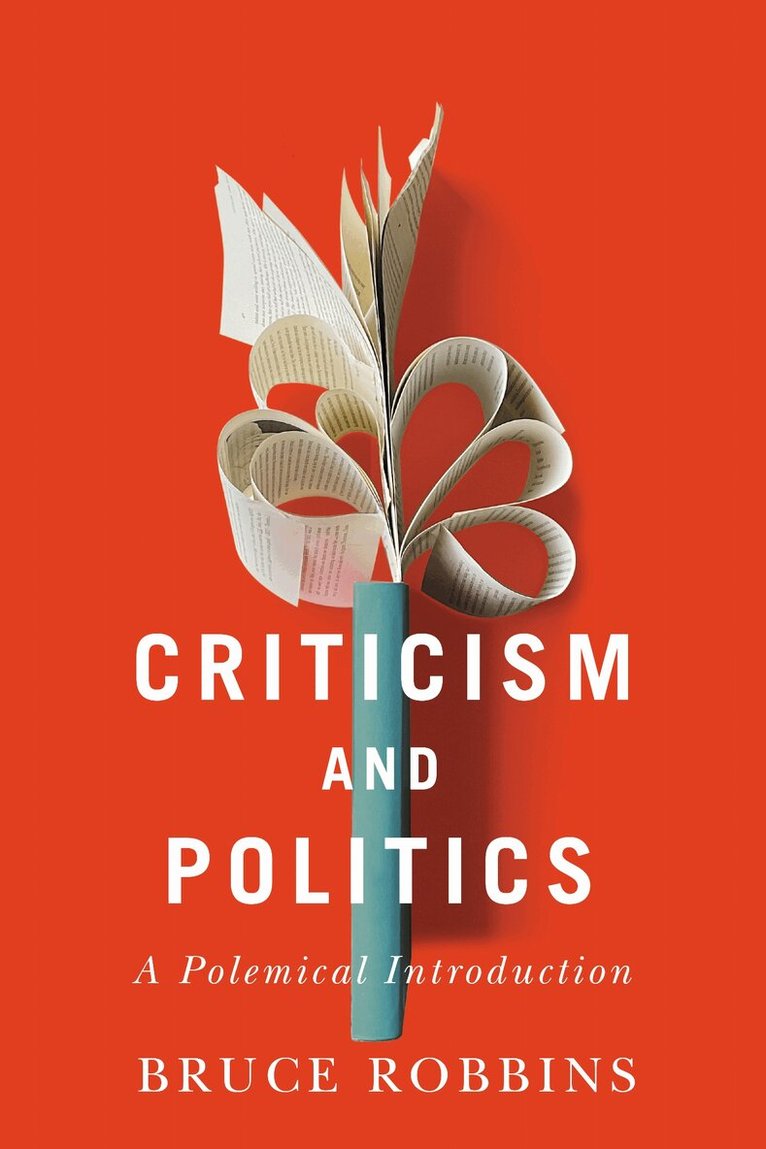
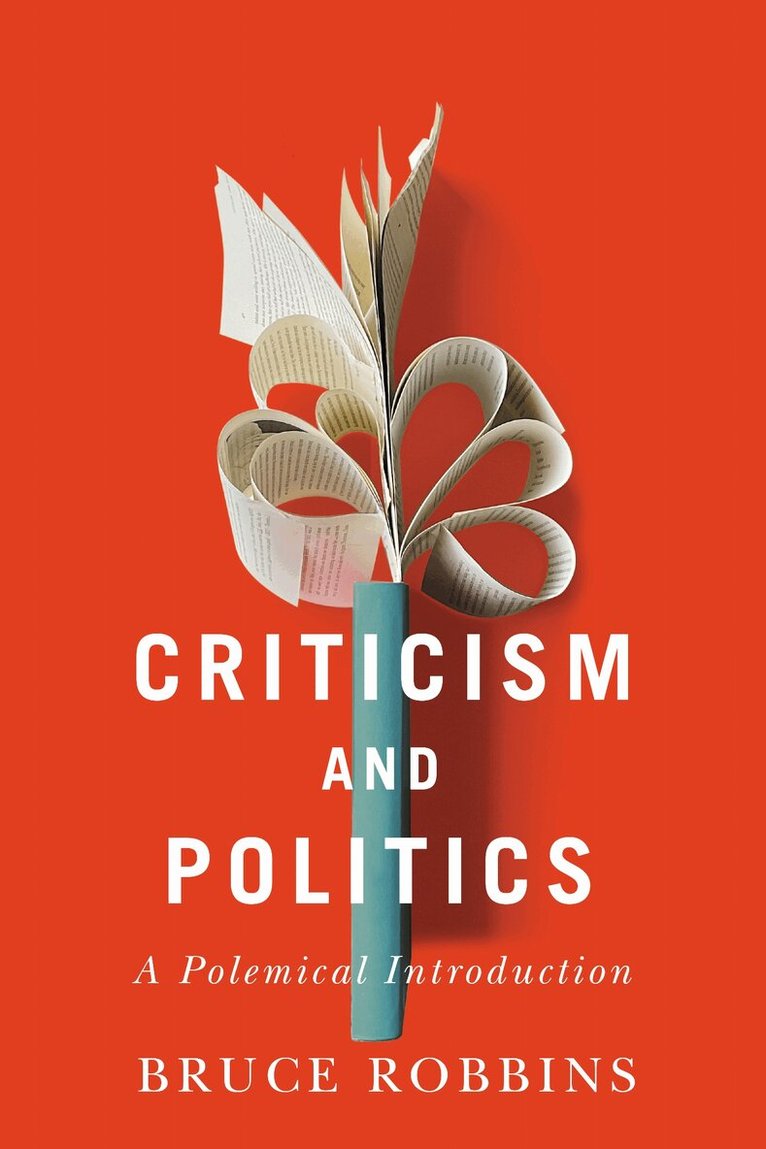
An accessible introduction to cultural theory and an original polemic about the purpose of criticism.What is criticism for? Over the past few decades, impassioned disagreements over that question in the academy have burst into the news media. These conflicts have renewed the culture wars over the legacy of the 1960s, becoming entangled in national politics and leading to a new set of questions about critics and the power they do or don't wield. Re-examining theorists from Matthew Arnold to Walter Benjamin, to Fredric Jameson, Stuart Hall, and Hortense Spillers, Criticism and Politics explores the animating contradictions that have long propelled literary studies: between pronouncing judgment and engaging in philosophical critique, between democracy and expertise, between political commitment and aesthetic autonomy. Both a leftist critic and a critic of the left, Robbins unflinchingly defends criticism from those who might wish to de-politicize it, arguing that working for change is not optional for critics, but rather a core part of their job description.
280 kr
Skickas inom 7-10 vardagar
An accessible introduction to cultural theory and an original polemic about the purpose of criticism.What is criticism for? Over the past few decades, impassioned disagreements over that question in the academy have burst into the news media. These conflicts have renewed the culture wars over the legacy of the 1960s, becoming entangled in national politics and leading to a new set of questions about critics and the power they do or don't wield. Re-examining theorists from Matthew Arnold to Walter Benjamin, to Fredric Jameson, Stuart Hall, and Hortense Spillers, Criticism and Politics explores the animating contradictions that have long propelled literary studies: between pronouncing judgment and engaging in philosophical critique, between democracy and expertise, between political commitment and aesthetic autonomy. Both a leftist critic and a critic of the left, Robbins unflinchingly defends criticism from those who might wish to de-politicize it, arguing that working for change is not optional for critics, but rather a core part of their job description.
351 kr
Skickas inom 10-15 vardagar
Exploring literary representations of mass violence, Bruce Robbins traces the emergence of a cosmopolitan recognition of atrocity. Mass violence did not always have a name. Like conquest, what we think of now as atrocities have not always invited indignation or been seen to violate moral norms. Venturing from the Bible to Zadie Smith, Robbins explores the literature of suffering, to show how, over time, abhorrence of mass violence takes shape. With it comes the emergence of a necessary element of cosmopolitanism: the ability to look at one's own nation with the critical eyes of a stranger.Drawing on a vast written archive and with penetrating insight, Robbins takes up such literary representations of violence as Bartolomé de las Casas's account of his fellow Spaniards' atrocities, Kurt Vonnegut's Slaughterhouse-Five, Grimmelshausen's 1668 novel Simplicissimus, David Mitchell's Cloud Atlas, Gabriel García Márquez's One Hundred Years of Solitude, Homero Aridjis's short novel Smyrna in Flames, and Tolstoy's Hadji Murat. These essential texts do more than simply testify to atrocious acts. In their literariness, they take the risk of contextualizing and relativizing, thereby extending beyond the legal paradigm of accusation. They recognize atrocity as a moral scandal about which something should be done and can be done, while they also place that scandal within a larger and more uncertain history.
1 148 kr
Skickas inom 10-15 vardagar
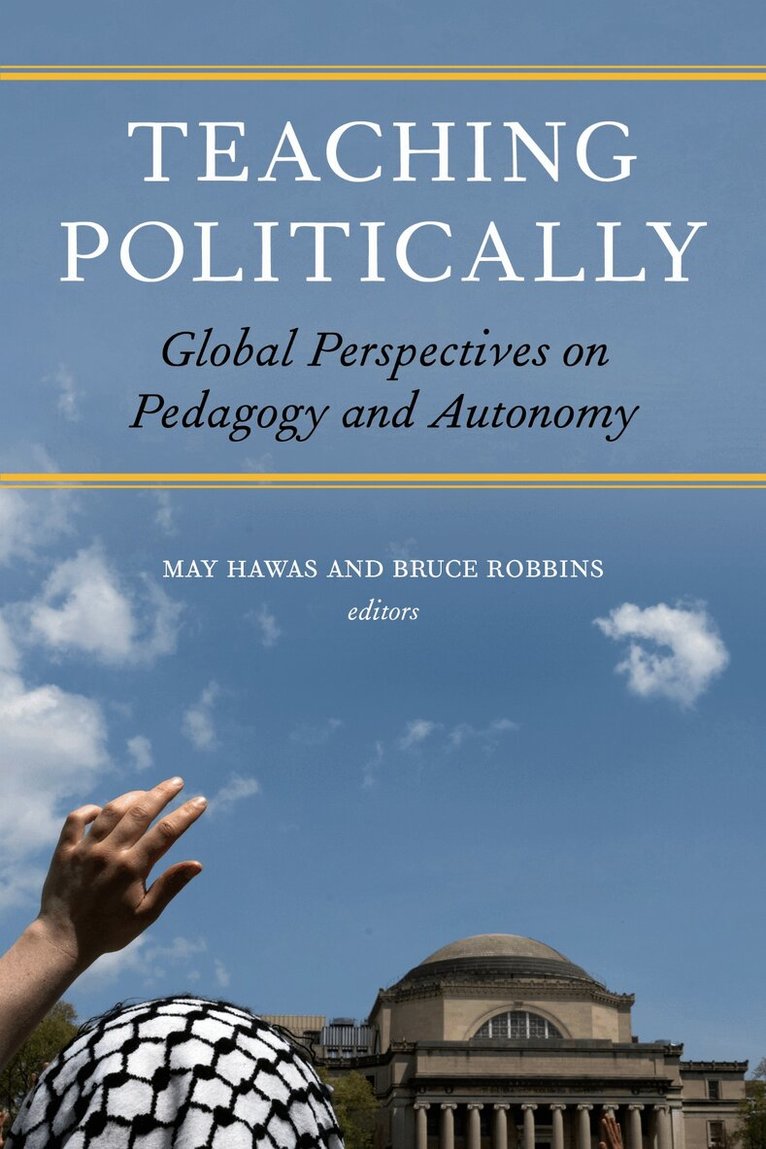
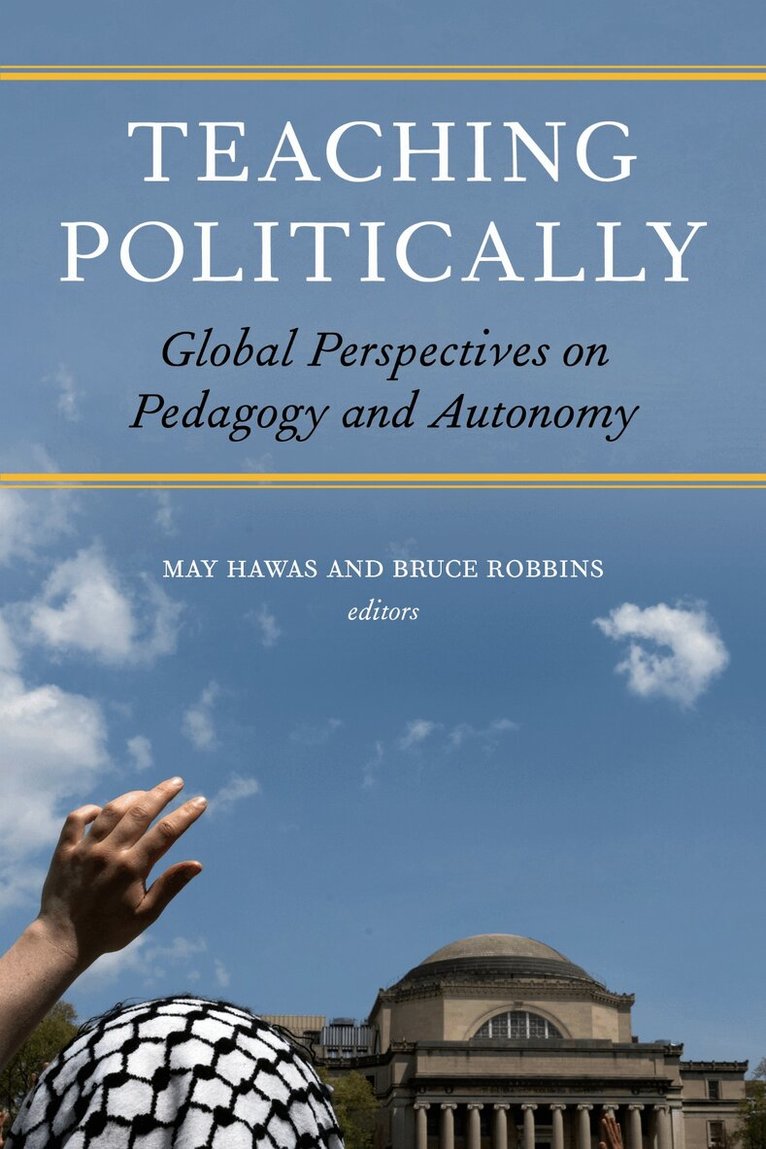
Culture is inextricable from politics. This includes the politics of who we are, as teachers, intellectuals, writers, cultural workers, and students, and what we want to bring to and take from the site of instruction. It also includes the politics of who we want to be, as citizens, professionals, and active contributors to our communities and to the world in general, and what we can be, realistically, in the particular contexts in which we live. Teaching Politically addresses some of the political constraints that shape our pedagogical spaces, especially in the teaching of literature. The book brings together a global group of academics, activists, public intellectuals, poets, and novelists to examine the way politics manifest pedagogically, and how a commitment to educating manifests politically, in and beyond the classroom. At the heart of the discussion is how political and professional paradigms chafe against, intersect with, or otherwise become inseparable from each other in any vocation that attempts to educate: from writing, journalism, and public speaking to art, activism, and medicine.Contributors: Dimitris Christopoulos, Dimitri Dimoulis, Khaled Fahmy, Rishi Goyal, May Hawas, Bonnie Honig, Mona Kareem, Benjamin Mangrum, Nora Parr, Bruce Robbins, Ahdaf Soueif, Omid Tofighian, Elahe Zivardar
313 kr
Skickas
Culture is inextricable from politics. This includes the politics of who we are, as teachers, intellectuals, writers, cultural workers, and students, and what we want to bring to and take from the site of instruction. It also includes the politics of who we want to be, as citizens, professionals, and active contributors to our communities and to the world in general, and what we can be, realistically, in the particular contexts in which we live. Teaching Politically addresses some of the political constraints that shape our pedagogical spaces, especially in the teaching of literature. The book brings together a global group of academics, activists, public intellectuals, poets, and novelists to examine the way politics manifest pedagogically, and how a commitment to educating manifests politically, in and beyond the classroom. At the heart of the discussion is how political and professional paradigms chafe against, intersect with, or otherwise become inseparable from each other in any vocation that attempts to educate: from writing, journalism, and public speaking to art, activism, and medicine.Contributors: Dimitris Christopoulos, Dimitri Dimoulis, Khaled Fahmy, Rishi Goyal, May Hawas, Bonnie Honig, Mona Kareem, Benjamin Mangrum, Nora Parr, Bruce Robbins, Ahdaf Soueif, Omid Tofighian, Elahe Zivardar
152 kr
Skickas inom 7-10 vardagar