Bruce Wallace - Böcker
Visar alla böcker från författaren Bruce Wallace. Handla med fri frakt och snabb leverans.
14 produkter
14 produkter
2 118 kr
Skickas inom 10-15 vardagar
2 118 kr
Skickas inom 10-15 vardagar
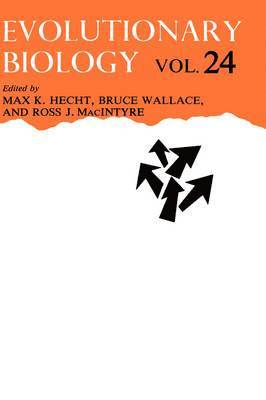
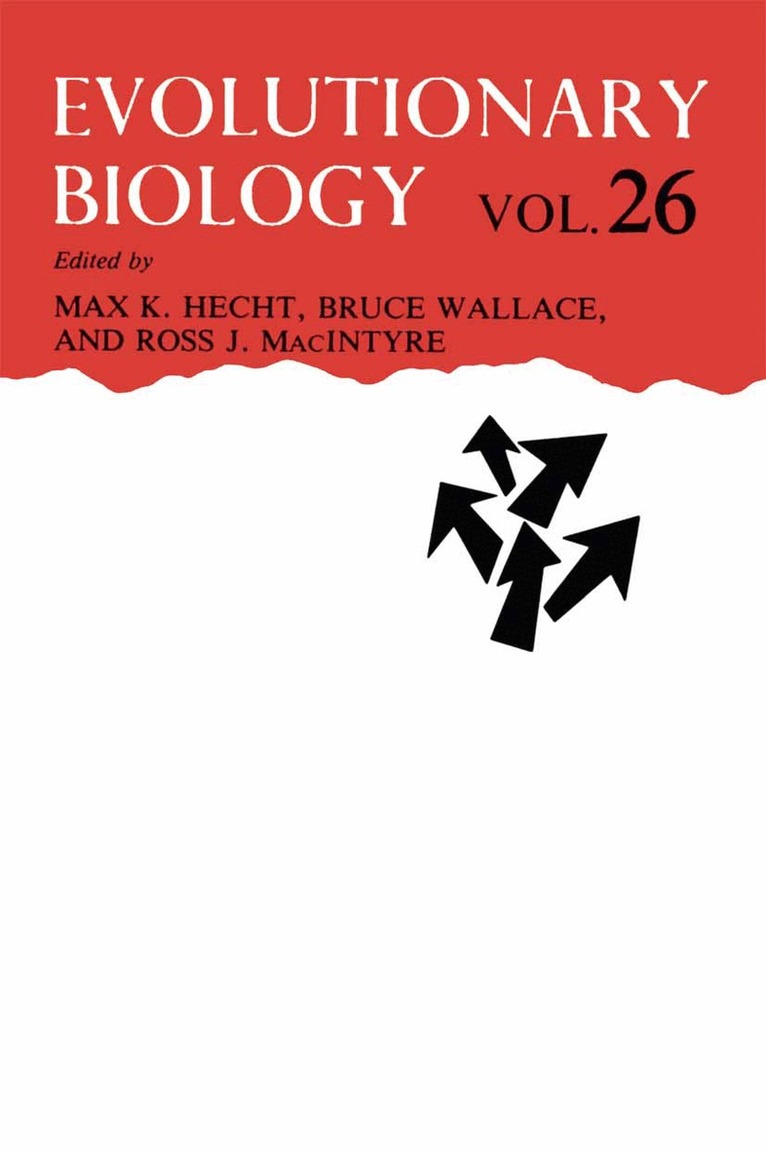
Evolutionary Biology celebrates its Quarter-Century Anniversary! 'Evolutionary Biology occupies a unique and valuable place in the evolutionary literature...The editors are to be congratulated on their continuing ability to attract interesting articles.' --- The Journal of Evolutionary Biology
859 kr
Skickas inom 10-15 vardagar
This latest volume continues the series' focus on critical reviews, commentaries, original papers, and controversies in the field of evolutionary biology.
1 529 kr
Skickas inom 10-15 vardagar
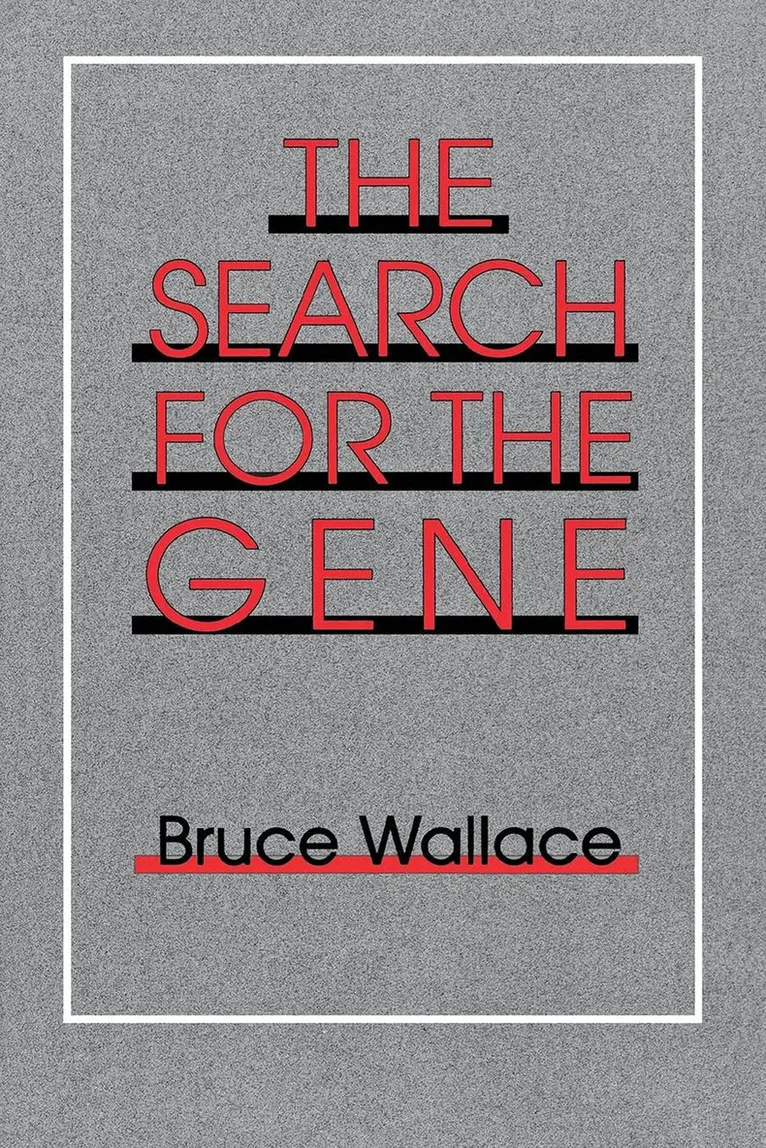
From Gregor Mendel's experiments on garden peas to the mammoth Human Genome Project of today—how did we get where we are in the science of genetics? In this intriguing book, Bruce Wallace examines the concept of the gene and recounts the history of genetic research, providing a concise transition from genetics to modern molecular biology.
491 kr
Skickas inom 10-15 vardagar
From Gregor Mendel's experiments on garden peas to the mammoth Human Genome Project of today—how did we get where we are in the science of genetics? In this intriguing book, Bruce Wallace examines the concept of the gene and recounts the history of genetic research, providing a concise transition from genetics to modern molecular biology.
535 kr
Skickas inom 10-15 vardagar
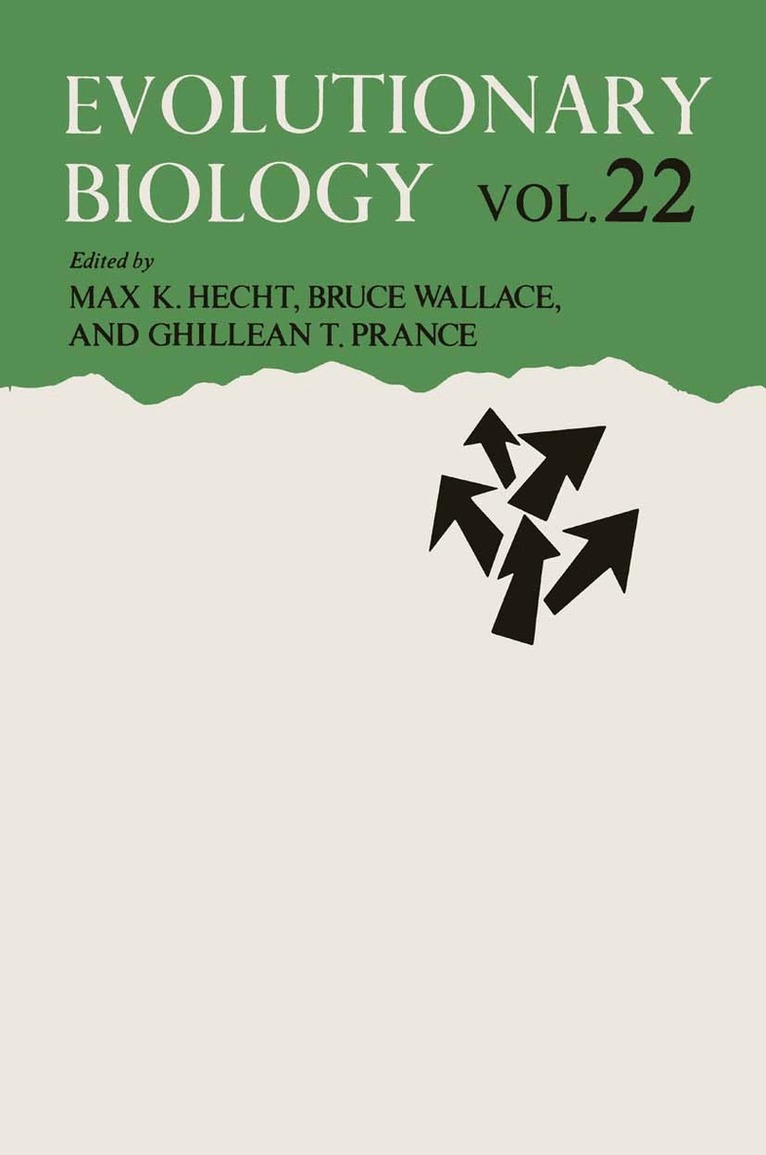
Evolutionary Biology, of which this is the twenty-second volume, continues to offer its readers a wide range of original articles, reviews, and commentaries on evolution, in the broadest sense of that term. The topics of the reviews range from anthropology, molecular evolution, and paleobiology to principles of systematics. In recent volumes, a broad spectrum of articles have appeared on such subjects as asymmetric sexual isolation, biochemical systematics in plants, species selection, DNA hybridization and phylogenetics, modes of evolution in Pleistocene rodents, and development and evolution of the vertebrate limb. We have also attempted to provide a forum for con flicting ideas. Articles such as these, often too long for standard journals, are the material for Evolutionary Biology. The editors continue to solicit manuscripts on an international scale in an effort to see that everyone ofthe many facets of biological evolution is covered. Manuscripts should be sent to anyone of the following: Max K. Hecht, Department of Biology, Queens College of the City University of New York, Flushing, New York 11367; Bruce Wallace, Department of Biology, Virginia Polytechnic Institute and State University, Blacks burg, Virginia 24061; GhilleanT. Prance, New York Botanical Garden, Bronx, New York 10458. The Editors vii Contents 1. Phylogeny of Early Vertebrate Skeletal Induction and Ossification Patterns ....................................... 1 John G. Maisey Introduction: The Fossil Record.. .. .. ...... .. .. .. .. .. .. .. .. .. .. .. .. 1 ..
535 kr
Skickas inom 10-15 vardagar
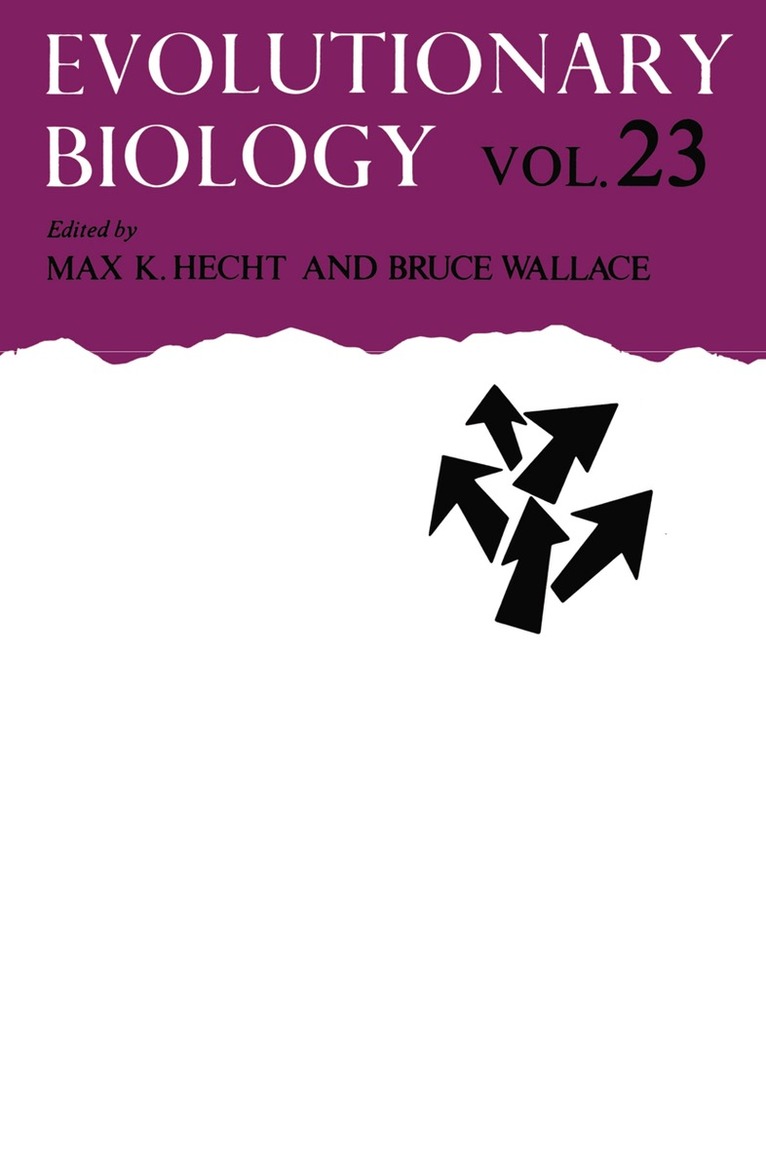
Evolutionary Biology,ofwhichthisisthetwenty-thirdvolume,continues toofferitsreadersawiderangeoforiginalarticles,reviews,andcom- mentariesonevolution,inthebroadestsenseofthatterm. Thetopicsof thereviewsrangefromanthropology,molecularevolution,andpaleo- biologytoprinciplesofsystematics. Inrecentvolumes,abroadspectrumofarticleshaveappearedon suchsubjectsasbiochemicalsystematics,comparativemorphologyand embryology,evolutionaryecology,biogeography,andpaleobiology. We havealsoattemptedtoprovideaforumforconflictingideas. Articlessuch asthese,oftentoolongforstandardjournals,arethematerialfor Evo- lutionary Biology. Theeditorscontinuetosolicitmanuscriptsonaninternationalscale inanefforttoseethateveryoneofthemanyfacetsofbiologicalevolution iscovered. Manuscriptsshouldbesenttoeitherofthefollowing:Max K. Hecht,DepartmentofBiology,QueensCollegeoftheCityUniversity ofNewYork,Flushing,NewYork11367,orBruceWallace,Department ofBiology,VirginiaPolytechnicInstituteandStateUniversity,Blacks- burg,Virginia24061. TheeditorswishtocongratulateDr. GhilleanT. Pranceonhisnew appointmentatKewBotanicalGardensandthankhimforhiscollabo- rativeeffortsineditingthepastninevolumes. TheEditors vII Contents 1.MaintenanceofaHereditaryVirus:TheSigmaVirusin PopulationsofItsHost, Drosophila melanogaster 1 Annie Fleuriet Introduction 1 FrenchPopulationsof Drosophila melanogaster...2 PolymorphismofPopulations 2 CharacteristicsofWildStrainsoftheSigmaVirus 3 EffectsoftheInfectionuponCarriers...7 ExperimentalPopulations...9 MaintenanceoftheVirusinFrenchNaturalPopulations...12 GeographicalVariationofthe Drosophila-SigmaSystem 14 PolymorphismofPopulations 14 ViralCharacteristics...17 TentativeInterpretationoftheGeographicalPatternObserved 18 OtherSystemsofVerticallyTransmittedViruses 22 ExistenceofDifferentSensitivitiestotheVirus 22 CharacteristicsoftheViruses...23 MaintenanceintheVectorPopulation 24 Appendix:TransmissionofStabilizedandNonstabilized Conditions...26 Self-MaintenanceofStabilizedConditionthroughMaternal Lineage...26 NonstabilizedCondition ...27 References 28 2. Domestication:EvolutionaryChangeunderStress 31 M. J. Kohane and P. A. Parsons Introduction 31 EnvironmentalChangeandDomestication 33 Ix x Contents EcologicalPhenotypes 33 BehavioralPhenotypes...36 AdaptationtoLaboratoryConditions...37 ACaseStudy:DomesticationinFoxes 41 Discussion...43 Summary...45 References 46 3.RangeExpansionandItsGeneticConsequencesinPopulationsof theGiantToad, Bufo marinus...49 Simon Easteal Introduction 49 TheSpreadof Bufo marinus 50 TheIntroductions...50 TheAustralianRangeExpansion 52 GeneticVariationintheIntroducedPopulations...58 TheData...58 GeneticVariability...58 EffectivePopulationSize 62 Dispersal,GeneFlow,andNeighborhoodSize 63 TheGeneticEffectsofRangeExpansion 64 GeographicalPatternsofVariation 74 Conclusion 81 References 82 4. EvolutionbySocialSelection...85 Shozo Yokoyama Introduction 85 ConceptofSocialSelection...86 EvidenceforSocialSelection;...88 MultipleNeurofibromatosis 88 HuntingtonDisease 89 MentalRetardation...90 Schizophrenia 91 SocialSelectionModels...91 AutosomalGenes...92 Contents xl X-LinkedGenes...103 RandomGeneticDriftandVariableSelectionIntensity...112 MaternalEffects 115 DNAPolymorphismandSocialSelection...117 Discussion...118 Summary...121 References 122 5. TheInfluenceofTaxonomicMethodonthePerceptionofPatterns ofEvolution...-...127 Andrew B. Smith and Colin Patterson Introduction 127 TheNatureofTaxa...129 WhyNonmonophyleticGroupsAreNotRealTaxa 131 ParaphyleticTaxaasNaturalAdaptivelyUnifiedGroups., 131 NonmonophyleticGroupsasValidSamplesof Species-LevelProcesses...132 TheRedQueenHypothesis 134 TaxonDurationIsProportionaltotheNumberofSpecies IncludedintheTaxon 135 TaxonomicExtinctionsunderConsiderationAreLargely Artefactual 139 TheRedQueenasSystematist:TheProbabilityThata TaxonomistWillSplitaGroupIsInverselyProportional totheNumberofSpeciesinThatGroup 142 DecreaseinExtinctionRatethroughTime 142 PeriodicityofExtinction 143 GenericDataandLagerstatten 147 SpeciesDiversity 148 WhatDoFossilSpeciesSample? 152 AnalysisofGaps 153 Summary...
535 kr
Skickas inom 10-15 vardagar
After volume 33, this book series was replaced by the journal "Evolutionary Biology." Please visit www.springer.com/11692 for further information.This latest volume continues the series' focus on critical reviews, commentaries, original papers, and controversies in the field of evolutionary biology.
535 kr
Skickas inom 10-15 vardagar
Fifteen volumes and one supplement have now appeared in the series known as Evolutionary Biology. The editors continue to seek critical reviews, original papers, and commentaries on controversial topics. It is our aim to publish papers primarily of greater length and depth than those normally published by society journals and quarterlies. The editors make every attempt to solicit manuscripts on an international scale and to see that no facet of evolutionary biology-classical or modern-is slighted. Manuscripts should be sent to anyone of the following: Max K. Hecht, Department of Biology, Queens College of the City University of New York, Flushing, New York 11367; Bruce Wallace, Department of Biology, Virginia Polytechnic Institute and State University, Blacksburg, Virginia 24061; Ghillean T. Prance, New York Botanical Garden, Bronx, New York 10458. The Editors vII Contents 1. Patterns of Neotropical Plant Species Diversity . . . . . . . . . . . . . . . . . . . . . . 1 Alwyn H. Gentry Introduction . . . . . . . . . . . . . . . . . . . . . . . . . . . . . . . . . . . . . . . . . . . . . . . . . . . . . . . . . . . . . . . . . . I Sites and Methods . . . . . . . . . . . . . . . . . . . . . . . . . . . . . . . . . . . . . . . . . . . . . . . . . . . . . . . . . . 5 Sample Sites . . . . . . . . . . . . . . . . . . . . . . . . . . . . . . . . . . . . . . . . . . . . . . . . . . . . . . . . . . . . . . . 11 Identifications . . . . . . . . . . . . . . . . . . . . . . . . . . . . . . . . . . . . . . . . . . . . . . . . . . . . . . . . . . . . . 16 Results . . . . . . . . . . . . . . . . . . . . . . . . . . . . . . . . . . . . . . . . . . . . . . . . . . . . . . . . . . . . . . . . . . . . . . . . . 21 Structural Trends . . . . . . . . . . . . . . . . . . . . . . . . . . . . . .. . . . . . . . . . . . . . . . . . . . . . . . . . 29 Community Organization . . . . . . . . . . . . . . . . . . . . . . . . . . . . . . . . . . . . . . . . . . . . . . 32 Floristic Composition . . . . . . . . . . . . . . . . . . . . . . . . . . . . . . . . . . . . . . . . . . . . . . . . . . . 32 Dispersal Ecology . . . . . . . . . . . . . . . . . . . . . . . . . . . . . . . . . . . . . . . . . . . . . . . . . . . . . . . . 37 Pollination Strategies . . . . . . . . . . . . . . . . . . . . . . . . . . . . . . . . . . . . . . . . . . . . . . . . . . . 42 Conclusion . . . . . . . . . . . . . . . . . . . . . . . . . . . . . . . . . . . . . . . . . . . . . . . . . . . . . . . . . . . . . . . . . . . . 44 Appendix. Sites and Communities Studied . . . . . . . . . . . . . . . . . . . . . . . . . . 50 References . . . . . . . . . . . . . . . . . . . . . . . . . . . . . . . . . . . . . . . . . . . . . . . . . . . . . . . . . . . . . . . . . . . . 80 2. Evolution on a Petri Dish: The Evolved fJ-Galactosidase System as a Model for Studying Acquisitive Evolution in the Laboratory . . . . . . . . . . . . . . . . . . . . . . . . . . . . . . . . . . . . . . . . . . . . . . . ••. . . . . . . . . . . . . . . . . . . 85 Barry G. Hall Introduction . . . . . . . . . . . . . . . . . . . . . . . . . . . . . . . . . . . . . . . . . . . . . . . . . . . . . . . . . . . . . . . . . . 85 Approaches to Molecular Evolution . . . . . . . . . . . . . . . . . . . . . . . . . . . . . . . . . . . 87 The Descriptive Approach . . . . . . . . . . . . . . . . . . . . . . . . . . . . . . . . . . . . . . . . . . . . 88 The Experimental Approach . . . . . . . . . . . . . . . . . . . . . . . . . . . . . . . . . . . . . . . . . . 90 Mechanisms for the Acquisition of New Genetic Material. . . . . 97 The EBGSystem a s a Model for Acquisitive Evolution . . . . . . . 98 The Unevolved Enzyme . . . . . . . . . . . . . . . . . . . . . . . . . . . . . . . . . . . . . . . . . . . . . . .
175 kr
Skickas inom 5-8 vardagar
175 kr
Skickas inom 5-8 vardagar
606 kr
Skickas inom 10-15 vardagar
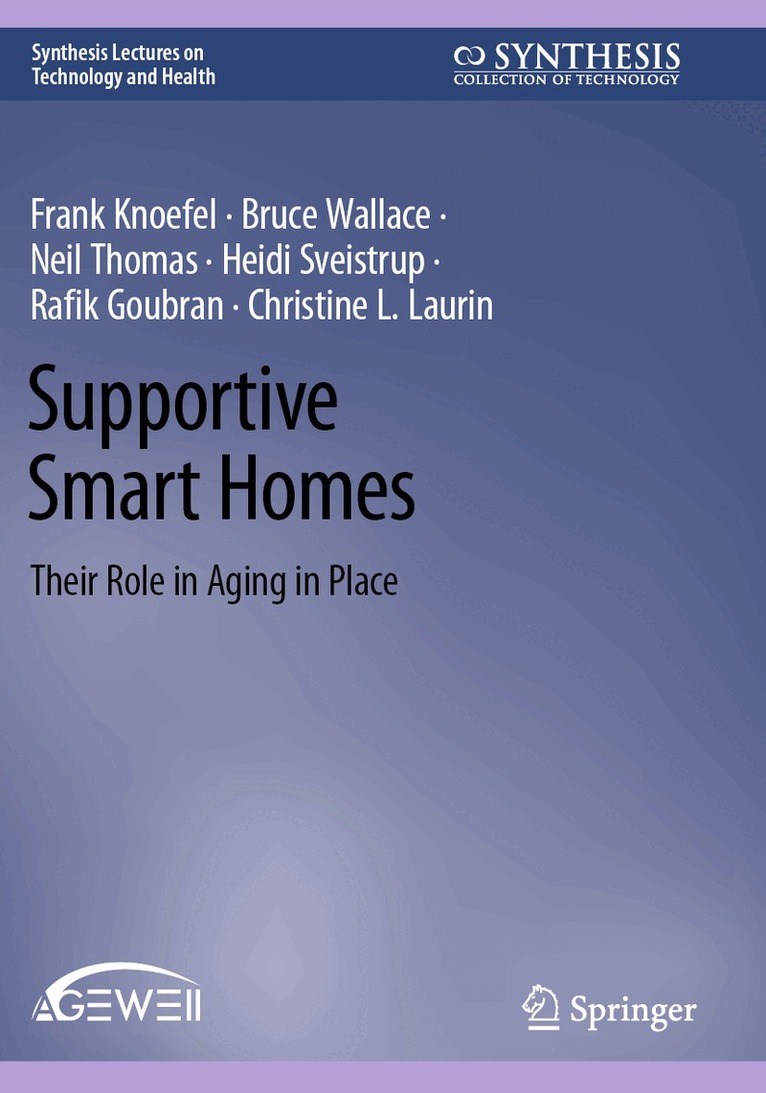
Overall, the intent of the book is to inspire engineers, computer scientists, industrial designers, clinicians and healthcare providers, social scientists, students, policy makers, and older adults and their caregivers to collaborate in advancing the supportive smart home space to develop more options for aging in place.
606 kr
Skickas inom 10-15 vardagar
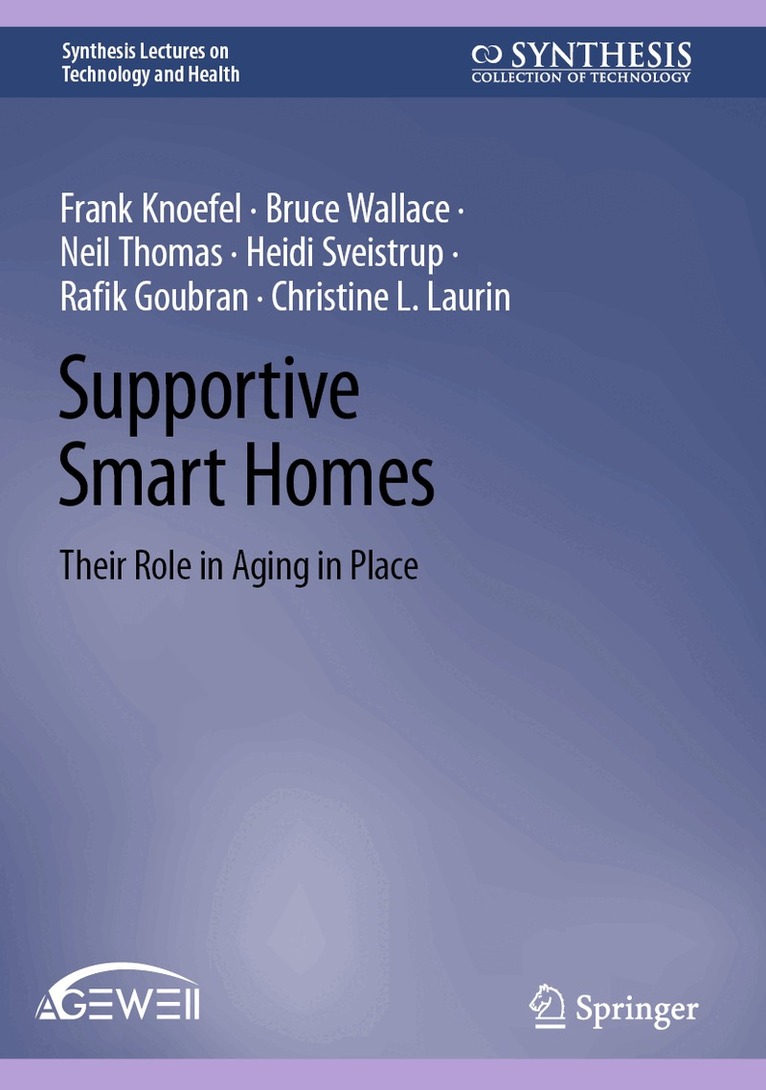
Significant health-industry human resource needs increase the reliance on family and friends to support older adults hoping to age in place. This book explores how recent improvements in integrated home technologies have the potential to address those challenges. The book considers how embedded home sensors can be used to monitor the health and wellbeing of older adults and how that can be used to assist with supporting safety and well-being. The content is designed to help multiple stakeholders in the supportive smart home space to better understand the complexity of this field and the need for transdisciplinary collaboration. These stakeholders include the older adults who will benefit from supportive smart home technology; informal and formal caregiver and healthcare professionals concerned about the older adult’s well-being; researchers from multiple disciplines in the supportive smart home area and their funders; companies looking to develop solutions and servicesor expand their offerings; policy makers who want to ensure privacy and equity in access and a successful integration of these technologies into the evolving health and social services sectors; and students, the future leaders in AgeTech. Overall, the intent of the book is to inspire engineers, computer scientists, industrial designers, clinicians and healthcare providers, social scientists, students, policy makers, and older adults and their caregivers to collaborate in advancing the supportive smart home space to develop more options for aging in place.