
Bruno Augusto Amato Borges - Böcker
Visar alla böcker från författaren Bruno Augusto Amato Borges. Handla med fri frakt och snabb leverans.
17 produkter
17 produkter
2 195 kr
Skickas inom 7-10 vardagar
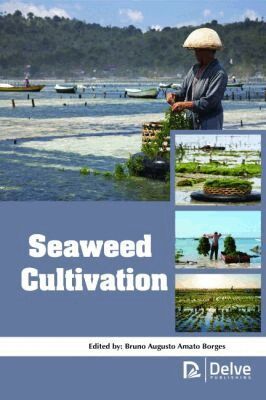
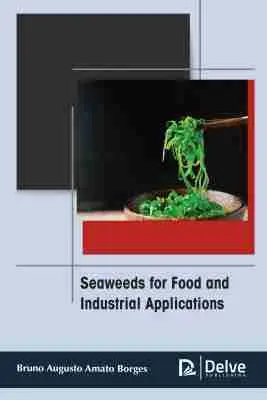
The seaweeds are a large group of marine macroalgae that can be found in several coastal regions around the world. Though there are about 9200 species of seaweeds, only 221 species are economically important (Mohammed, 2013). There are three different groups of seaweed—red, brown, and green their characteristic colors and properties. Seaweed cultivation is a relatively old and extremely important activity for the human being, because of the various properties and utilities that it owns. There are records of use of this feature in the 4th century in Japan and in the 6th century in China. Both countries along with the Republic of Korea are the biggest consumers of seaweed in the world, contributed with 80% of global production (Mohammed, 2013). Worldwide, the most extensive crops are performed in the open sea or estuaries, with little technology involved and in order to help in the income of the fishermen. However, in this system the biggest concern and effort involved is in management, mainly of the harvest, but also daily by the need of monitoring the situation and existing dynamics in these regions. Seaweeds have various uses and great commercial importance on the world market. Among them, we highlight the production of hydrocolloids (agar, carrageenans, and alginate), fertilizers, nutraceuticals, human food, water treatment, bioremediation, biofuels, medicinal uses, for spa and beauty, among others. The worldwide seaweed industry provides a wide variety of products for direct or indirect human uses that have an estimated total value of US$10 billion per year (Bixler & Porse 2011). Since the emergence of the seaweed cultivation processes are in constant improvement, mainly related to knowledge, management and improvements within the activity. Naturally, the demand for seaweed products has generated the need for increased knowledge to resolve main problems in the development of seaweed aquaculture, as for example the selection of suitable environments; engineering of the seashore for farming; protection of crops from pests and physical or biotic impacts; and proper transplantation and harvesting procedures (Buschmann et al., 1995). Seaweeds are a highly renewable food resource. They can be grown and harvested all year round, in any marine environment. Production is low impact - seaweeds need no chemicals, fertilizers or pesticides, in addition to require no deforestation. Seaweed cultivation can still be added in different production systems as bioremediation and in treatment of effluents from industry, in order to contribute to the maintenance of the quality of the environment. In addition to bring benefits to the environment, the seaweed cultivation has contributed to increase income of the coastal communities that depend on fishing. Although the cultivation of seaweed being a relatively simple activity with respect to processes, many improvements can be made from the point of view of management and production, so as to make easiest and most effective methods. Therefore, it is essential to maintain the focus and work on research that seeks the development and evolution of the area. In addition to being an important economic resource, is fundamental basis for the conservation of marine and coastal ecosystems worldwide.
1 986 kr
Skickas inom 7-10 vardagar
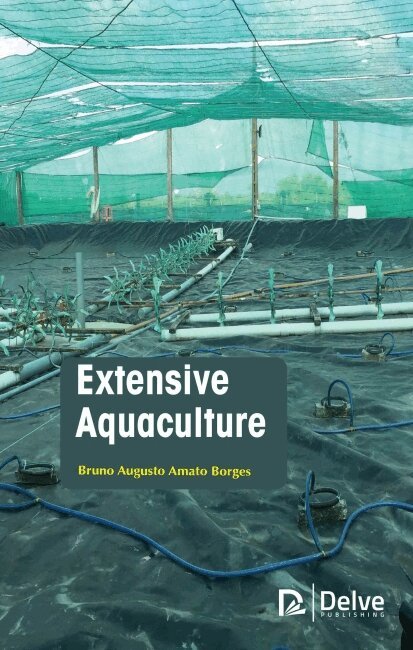
With the world population growth, food demand grows. Aquatic foods provide high quality protein, essential for human health. It is clearly visible that the production of aquatic organisms using aquaculture will have to increase, to the extent that the fishery productivity holds steady over the past few years, even increasing fishing effort. The total production of aquatic organisms by-catch (including fish, molluscs, crustaceans, etc.) represents 83.5 million tonnes in the year 2014, with a stable production for some years. On the other hand, aquaculture has grown enough in recent years. In the year 2006 the total output of aquatic organisms through cultivation was approximately 45 million tonnes in 2014 the production over 73 million tones. Since the establishment and technical domain about reproduction and hatchery of marine fish, has begun a process of genetic improvement, as the best individuals were selected for mating and reproduction in search of the best possible offspring. According to Dunham et al. (2000), breeding programs began in the 1960s. Molecular-based knowledge emerged in the 1980s and has continued to gain momentum. Efforts are now well established in traditional selective breeding, biotechnology and molecular genetics of finfish, and are rapidly developing for aquatic invertebrate domestication.Genetic improvement is the theory that aims to find the animals that produce the best offspring generation after generation, increasing the population average to some trait. The main objectives of the breeding programs are: increase animal health and increase productivity and product quality. However, on aquaculture, breeding programs are not common, and in many species the production is based only on the capture of wild animals. This can be explained, primarily because of the complexity of the reproductive cycle; the rapid increase of inbreeding in breeding stocks; and the few knowledge of the theory of genetic improvement for researchers, educators, etc. In addition to all this, the breeding programs of aquatic organisms face severe problems compared to terrestrial animals. The genetic improvement for aquatic organisms really is a challenging path ahead of us, for that we shall seek to carry out research to help this area to develop, benefiting the entire aquaculture chain.
1 866 kr
Skickas inom 11-20 vardagar
Climate Change Impacts on Fisheries and Aquaculture: A Global Analysis is a book which provide insights to the reader about the global perspective related to the climate change. this book aims to discuss about the global fish production and marine environment and climate change. In the first half, the book has provided description about the biodiversity and climate change in oceans and impacts of climate changes on fisheries. This book highlights the impact of climate change on marine resources and impact of global warming on fisheries and aquaculture. This book provides information about the management of fisheries and governance challenges in a climate change, climate change adaptations in fisheries and aquaculture and also the agricultural adaptations strategies to climate change.
1 866 kr
Skickas inom 11-20 vardagar
Molecular research in Aquaculture gives an introduction to the readers on aquaculture and discusses the various applications of the microarray. The book explains the readers the convergence of aquaculture and molecular biology and defines the polymerase chain reaction by stating its principles and components. Also discussed in the book is the application of electron microscope in the advanced fisheries research, cryo-microscopy in aquaculture research, the genomics in aquaculture, the role of model organisms in aquaculture research, transgenic fish for aquaculture and the microbial genomics of aquaculture pathogens, to make the readers aware about the various aspects of the research in aquaculture.
1 241 kr
Skickas inom 11-20 vardagar
Rural Aquaculture is a book introducing the concept of rural aquaculture. This book focuses on the integration of the rural aquaculture with the agriculture and the production systems which are used in rural aquaculture. It aims to provide information about the concepts and approaches of aquaculture technologies and business planning and management for small-scale sustainable aquaculture. The impact of rural aquaculture on the livelihood and food security and the application of biotechnology has also been mentioned in the second half of this book. The insights about the social and economic aspects of rural aquaculture, issues and opportunities and the future aspects in rural aquaculture have been provided to the readers with the help of this book.
1 866 kr
Skickas inom 11-20 vardagar
Marine Ecosystem Changing Scenario and Sustainability gives an introduction to marine ecosystem and explains the importance of marine ecosystem to the readers. The book talks about the functioning of the marine ecosystem and lists various dynamic changes in it. Also discussed in the book are the various natural products that are derived from the marine ecosystems, the innovative methods for the restoration of marine ecosystem and the ways in which this part of ecosystem can be managed. The book also provides some insights on the future possibilities of marine ecosystem and the various aspects related to it.
1 866 kr
Skickas inom 11-20 vardagar
The book Fisheries Resource Conservation discusses contemporary issues affecting global fish populations. This book describes insufficient conservation measures, jurisdictional disputes and illegal fishing vessels as some of the issues that threaten fish stocks. It stresses that there's an urgent need to adopt sustainable fishing practices, since communities that depend on fishery resources risk having their livelihoods stopped when fish populations are threatened. This book mentions the impact of globalization on local fish stocks, where the influx of external fishing boats into coastal waters has severely affected some countries' ability to fulfill domestic demand for the commodity. People must understand the importance of preserving fish populations if it's to be used as a long-term food resource.
1 866 kr
Skickas inom 11-20 vardagar
The book Market-Based Fisheries Management takes the readers through the various aspects of the fisheries management. It takes the readers through the management techniques that are guided by the demands in the market and the ones that are necessary to keep the fisheries stalk in the market abreast. The book talks about all the processes involved, the benefits of different kinds of techniques and the challenges involved in the processes.
1 866 kr
Skickas inom 11-20 vardagar
Seaweeds for Food and Industrial Applications is a book that outlines the relevance of seaweeds in the modern and changing world. It showcases the importance of seaweeds in the eastern and pacific parts of the world, where the seaweeds are used mainly in the form of food followed by their application in other products as well such as in manufacturing oil or other products. The seaweeds are rich in certain kind of proteins and other minerals that are extremely healthy for the human body, which is why they are gaining momentum in their pharmaceutical application as well as cosmetic applications. The book takes the readers through all such applications.
1 866 kr
Skickas inom 11-20 vardagar
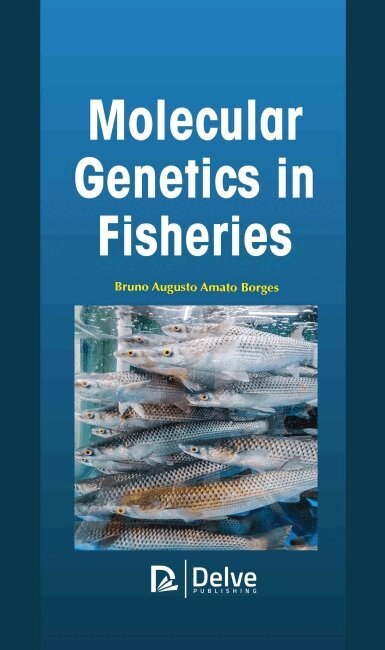
Atomic genetic strategy in fisheries is to use acquired, distinct and stable markers to distinguish genotypes among fish populations or species. This strategies can provide data on the level of genetic variability and circulation based on mating design, life history, stock size, movement and climate. This volume mentions several atomic devices and strategies that have been used on fisheries to solve different problems for research, and improve the fish production. It is very important to research about the molecular genetics in fisheries, to the production continues to growth. Also, several strategies that have been used in aquaculture production chain are already showing the importance of genetic knowledge to improve the yield in a sustainable manner. This volume summarizes the progress and some applications of molecular technology in a wide range of options in fisheries.
1 866 kr
Skickas inom 11-20 vardagar
The aquaculture sector has a lot to add towards achieving the SDGs, especially SDG 14 –which involves conserving and economically utilizing the seas, oceans and marine sources for sustainability. Aquaculture keeps on showing the huge success in providing food, sustenance and work. This book shows the significant challenges ahead in spite of the advancement made on various fronts. For instance, there is developing proof that when fisheries are appropriately overseen, stocks are reliably above target levels, offering validity to the fishery stakeholders and governments all throughout the planet. Notwithstanding, the book likewise shows that the victories accomplished in certain nations have not been adequate to invert the global pattern of overfished stocks, demonstrating that in places where fishery boards aren't set up, or are insufficient, the fish stocks become poor and weakened. This calls for new components to help in the viable execution of strategy and the guidelines for sustainable fisheries and environments, as there is no lone answer for guaranteeing fisheries stock throughout the planet.
1 866 kr
Skickas inom 11-20 vardagar
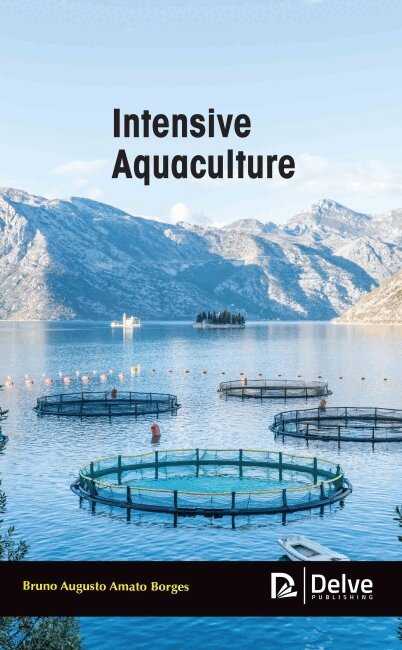
The total aquaculture production has expanded tremendously and contributes to the world's supply of fish for human consumption in an expanding significant way. In Intensive aquaculture, the fish are quite dependent on the feed artificially provided, and the water need to be replaced or replenished at very high rates so that it can maintain the amounts of oxygen to be enough and to also remove the waste. A variety of important institutional and technological requirements depend on the ability to operate a sustainable and economic viable aquaculture. The United Nations estimates that roughly 32% of worldwide fish numbers are overexploited, depleted or recuperating and must be urgently restored. Fish farming is welcomed as a strategy to prevent overfishing. This book presents some advantages and disadvantages of intensive aquaculture, in addition to provide data and the currently situation of this type of cultivation.
1 830 kr
Skickas inom 7-10 vardagar
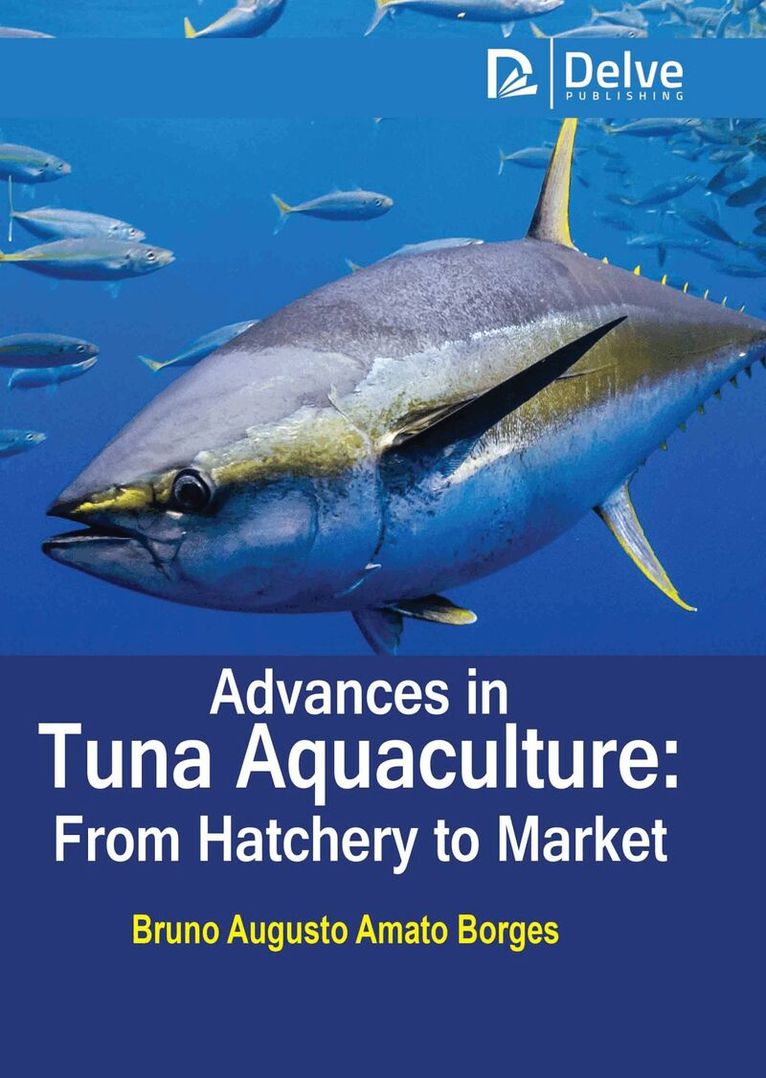
Most of tuna aquaculture production still relies on the capture of juveniles caught in the wild, as this volume explains. Ranching, fattening, and farming all refer to this type of production, and these terms are frequently used interchangeably. Ranching and fattening, on the other hand, are distinct from farming in the real sense. The short-term activity of holding subadult or adult tuna mainly for the purpose of improving their condition and fat content, thereby increasing their market value, is more accurately described by the former two terms. However, substantial increases in biomass are frequently achieved as well. Australia, Mexico, and many producers in the Mediterranean use this method. The period of ranching or fattening varies from region to region, but typically only takes a few months. In the last ten years, the use of such fattening methods has increased dramatically to the point where, before being sold, a significant portion of all blue fin tuna captured in many areas of the globe are stocked into cages to increase their size and fat ratio. This practice may be considered a "value-added" process despite the inherent issues of the operation—they are fed sardines and similar forage fish that are ecologically critical—because the primary value of the tuna stored in the cages rises significantly in what can be considered a more powerful and ecologically resourceful manner than would exist in nature.
1 830 kr
Skickas inom 7-10 vardagar
Marine biology involves the research of life in the seas, oceans and saline waters, which form the habitat for organisms like corals on the seafloor and others such as archaea, bacteria and marine mammals. The discipline also includes how humans have changed the ocean biology, like how fisheries work or the impacts of overfishing. The most biologically and chemically varied habitat on Earth is the marine environment, which provides different marine-derived products for industrial and pharmaceutical use, such as enzymes and molecules. This volume discusses recent developments in interdisciplinary research in marine biology, including synthetic biology and metabolic engineering, which have considerably improved the production of goods derived from marine sources. From ocean habitat conservation to applied science, marine biotechnology provides significant biological resources. Marine organisms create a vast range of metabolites with biological functions useful for humans, such as antioxidant, anti-microbial, cytotoxic, anticancer, insecticidal, herbicidal, pro-osteogenic and pro-regenerative, anti-coagulant, cholesterol-lowering, analgesic, anti-inflammatory, nutritional, horticultural, photoprotective, or other valuable properties. The authors of this volume outline the recent progress in the use of marine enzymes and molecules in biotechnology, including the rising demand for substitute sources of, pharmaceuticals, cosmeceuticals, nutraceuticals, food, feed, and unique bio-based products that could be met by these metabolites.
1 830 kr
Skickas inom 7-10 vardagar
According to FAO's (1989) proposal, aquaculture is the cultivation of aquatic organisms, such as fish, crustaceans, mollusks, and aquatic plants. Traditional stocking, feeding, and safety from predators, among other factors, are all aspects of farming widely used to boost production. Additionally, farming implies individual or corporate tenure of the farmed stock. Aquatic organisms that are exploited by people as a shared property resource with or without proper licensing are the fisheries harvest, whereas aquatic organisms that are reaped by personal or corporate bodies that owned them during their rearing duration contribute to aquaculture for statistical purposes. The utilization of living aquatic resources in a continuous system from capture to culture is what this volume on aquaculture is all about. The relationship between aquaculture, agriculture, and fisheries is examined in light of its fundamentals and potential. Aquaculture has always made use of entrenched ideas, methods, and technologies from the cultivation of terrestrial florae and faunae. Agriculture, aquaculture, and fishing all end up producing final products that compete with one another or complement one another, make use of similar technologies for processing, conservation, or marketing, and call for the same type of research. In specific chapters, the volume provides in-depth descriptions of the general principles and originality of aquaculture art.
2 040 kr
Skickas inom 11-20 vardagar
Nutritional management plays a pivotal role in ensuring the health, growth, and productivity of aquatic organisms. Effective feeding strategies improve feed conversion efficiency while reducing waste and environmental impact. Feeding Strategies for Aquatic Species examines diet formulation, nutrient requirements, and feeding technologies for finfish and shellfish species. The book discusses alternative protein sources, automatic feeding systems, and the role of probiotics and prebiotics in aquatic nutrition. It also highlights case studies on feed optimization for sustainable aquaculture. With a balance of scientific theory and practical guidance, it provides valuable insights for nutritionists, fish farmers, and marine biologists.
2 040 kr
Skickas inom 11-20 vardagar
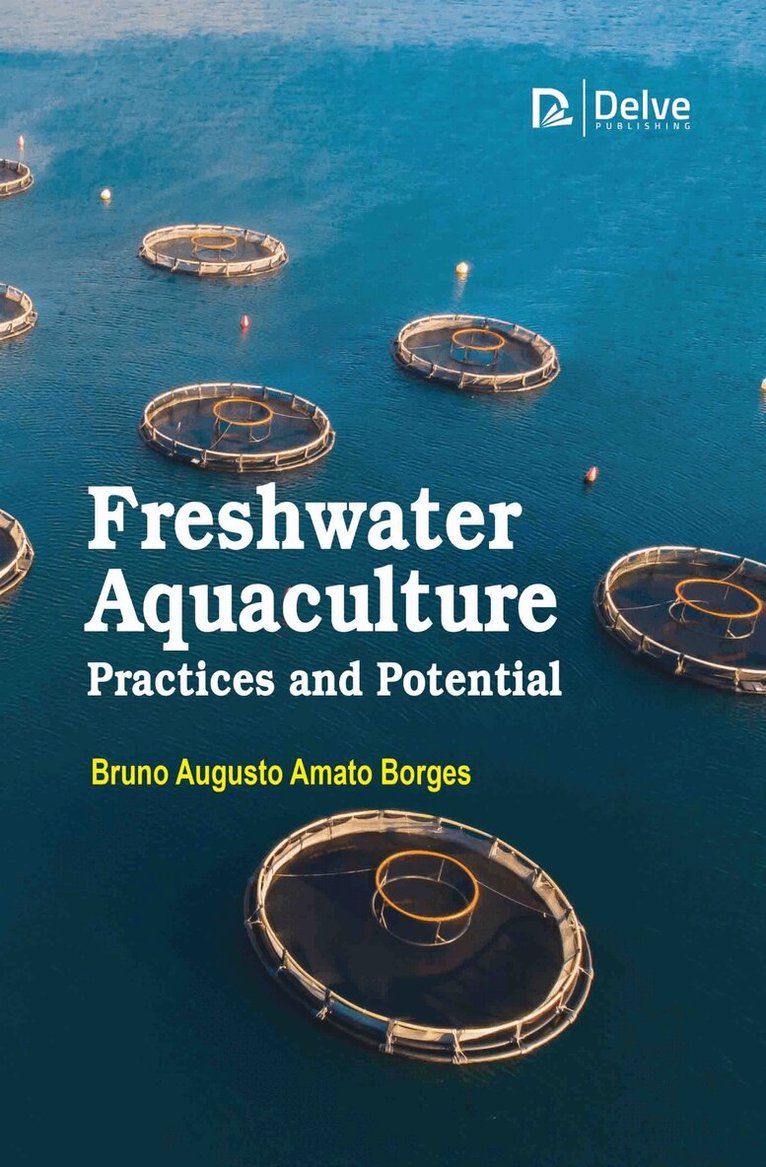
Freshwater ecosystems offer immense potential for sustainable fish production, supporting food security and rural livelihoods. However, effective management and innovation are essential to optimize yields while maintaining ecological balance. Freshwater Aquaculture Practices and Potential provides an overview of species selection, pond design, and culture techniques suited to inland water systems. The book covers breeding, water quality control, and disease management strategies. It also explores socio-economic aspects and policy frameworks that promote aquaculture development. Through comprehensive case examples, it emphasizes the growing importance of freshwater aquaculture as a sustainable solution for global protein demand.