Bruno Buchberger – författare
Visar alla böcker från författaren Bruno Buchberger. Handla med fri frakt och snabb leverans.
19 produkter
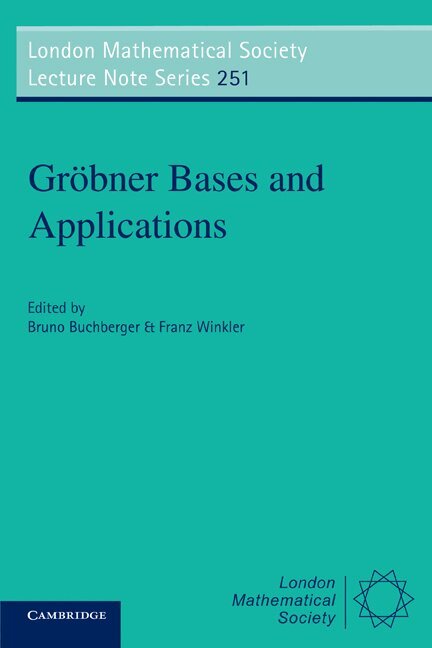
Gröbner Bases and Applications
Av Burchberger Winkler, Burchberger/Winkler m. fl.
Häftad, 1998
1794 kr
Lägg i varukorg
The theory of Gröbner bases, invented by Bruno Buchberger, is a general method by which many fundamental problems in various branches of mathematics and engineering can be solved by structurally simple algorithms. The method is now available in all major mathematical software systems. This book …
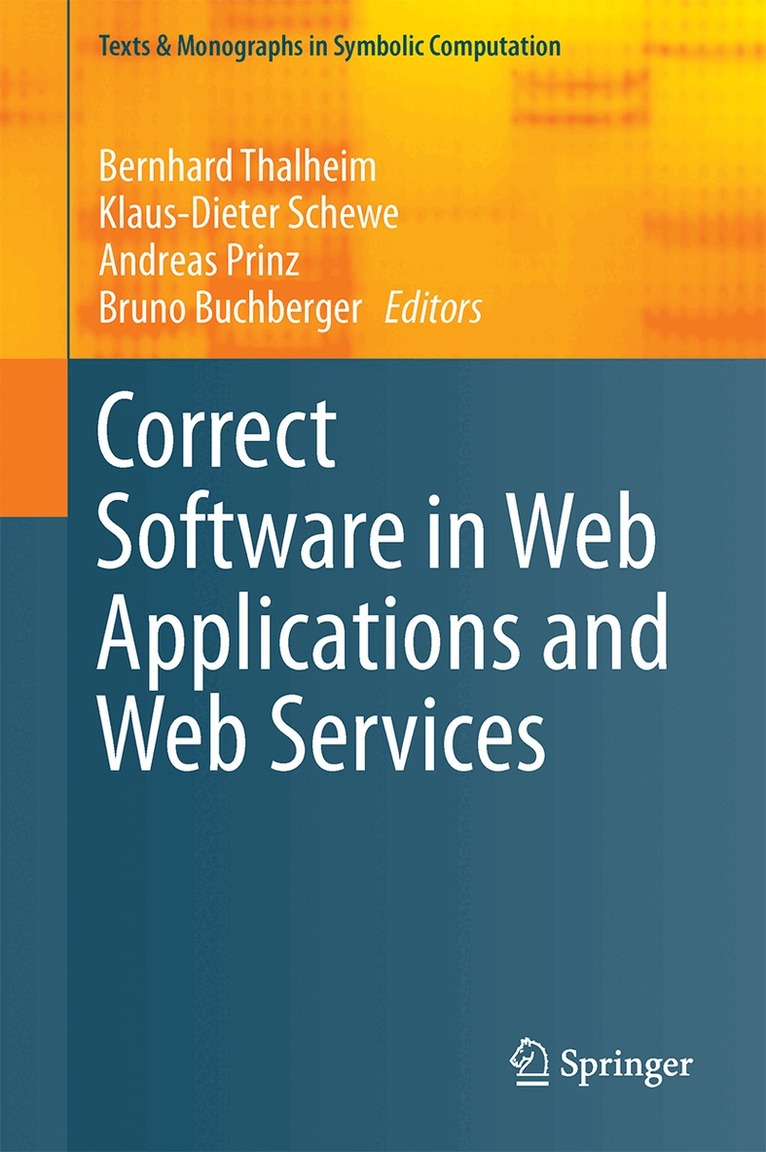
Correct Software in Web Applications and Web Services
Av Bernhard Thalheim, Klaus-Dieter Schewe m. fl.
Inbunden, 2015
552 kr
Lägg i varukorg
The papers in this volume aim at obtaining a common understanding of the challenging research questions in web applications comprising web information systems, web services, and web interoperability; obtaining a common understanding of verification needs in web applications; achieving a common …
Correct Software in Web Applications and Web Services
Av Bruno Buchberger, Andreas Prinz m. fl.
E-bok, 2015
732 kr
Lägg i varukorg
The papers in this volume aim at obtaining a common understanding of the challenging research questions in web applications comprising web information systems, web services, and web interoperability; obtaining a common understanding of verification needs in web applications; achieving a common …
Correct Software in Web Applications and Web Services
Av Bernhard Thalheim, Klaus-Dieter Schewe m. fl.
Häftad, 2016
568 kr
Lägg i varukorg
The papers in this volume aim at obtaining a common understanding of the challenging research questions in web applications comprising web information systems, web services, and web interoperability; obtaining a common understanding of verification needs in web applications; achieving a common …
Artificial Intelligence — Eine Einführung
Av Harald Trost, Robert Trappl m. fl.
E-bok, 2019
462 kr
Lägg i varukorg
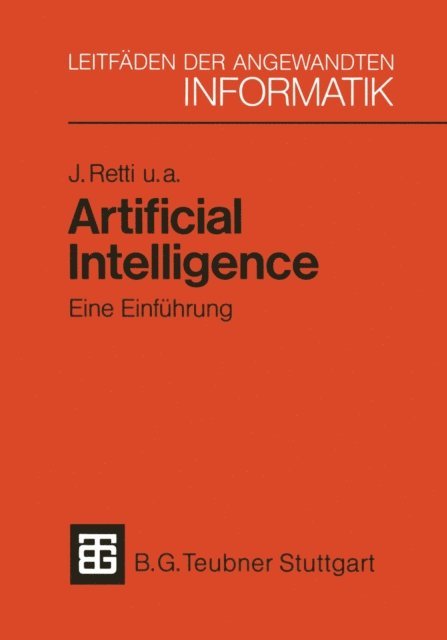
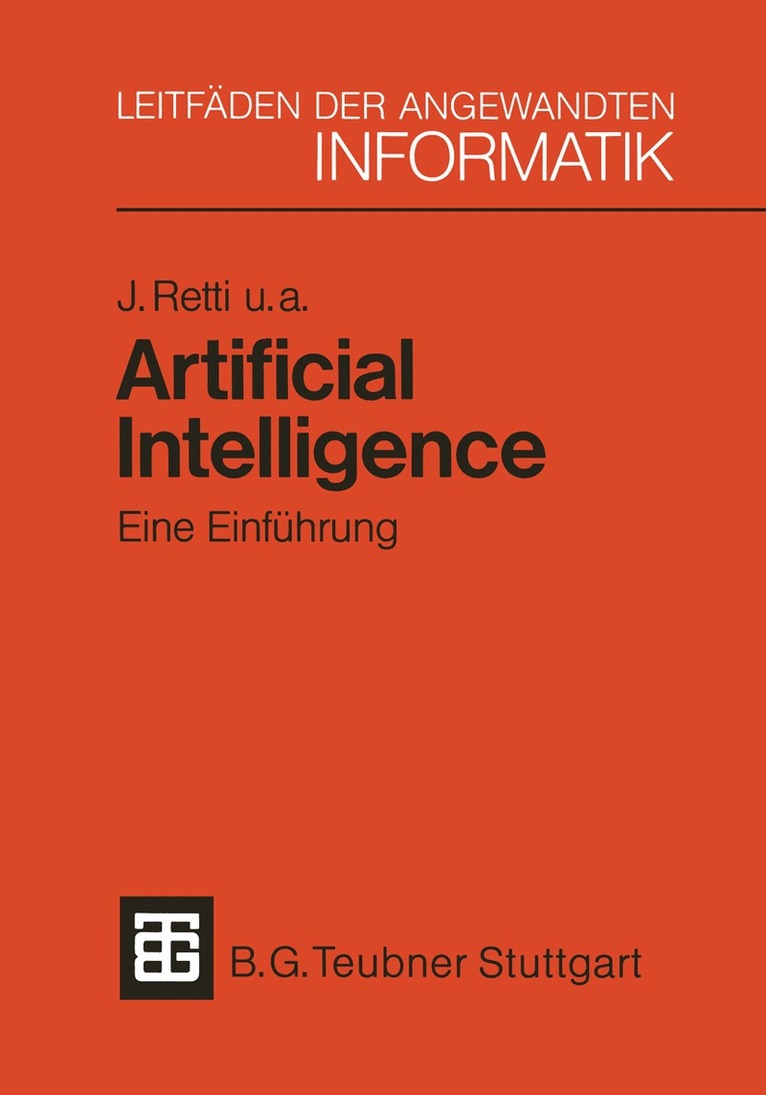
Artificial Intelligence — Eine Einführung
Av Johannes Retti, Wolfgang Bibel m. fl.
Häftad, 1986
513 kr
Lägg i varukorg
Mathematical Knowledge Management
Second International Conference, MKM 2003 Bertinoro, Italy, February 16-18, 2003
Av Andrea Asperti, Bruno Buchberger m. fl.
Häftad, 2003
568 kr
Lägg i varukorg
This volume contains the proceedings of theSecondInternationalConferenceon MathematicalKnowledgeManagement (MKM 2003), held 16-18 February 2003 in Bertinoro, Italy. Mathematical Knowledge Management is an exciting new ?eld at the int- section between mathematics and computer science. We need …
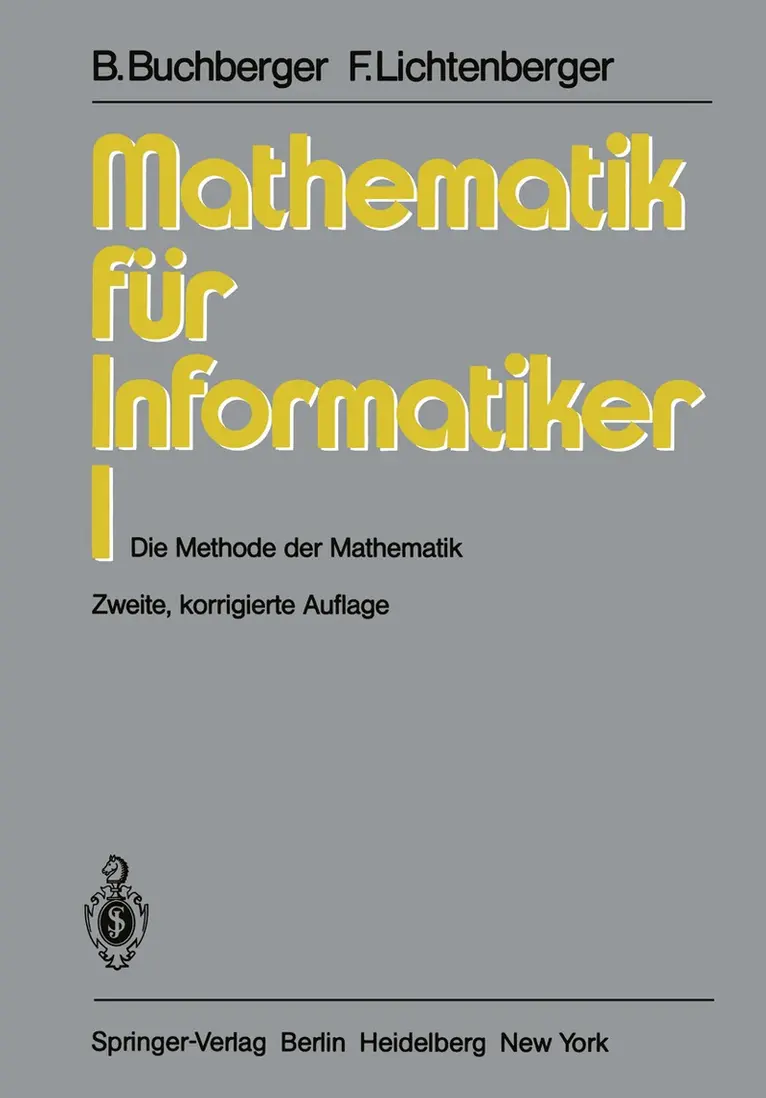
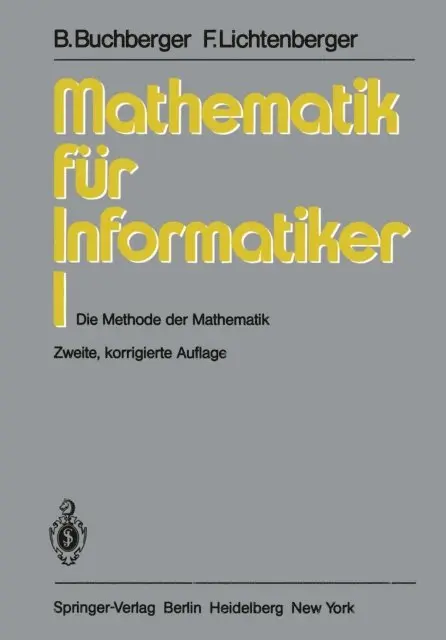
Mathematik für Informatiker I
Die Methode der Mathematik
Av Bruno Buchberger, F. Lichtenberger
Häftad, 1981
567 kr
Lägg i varukorg
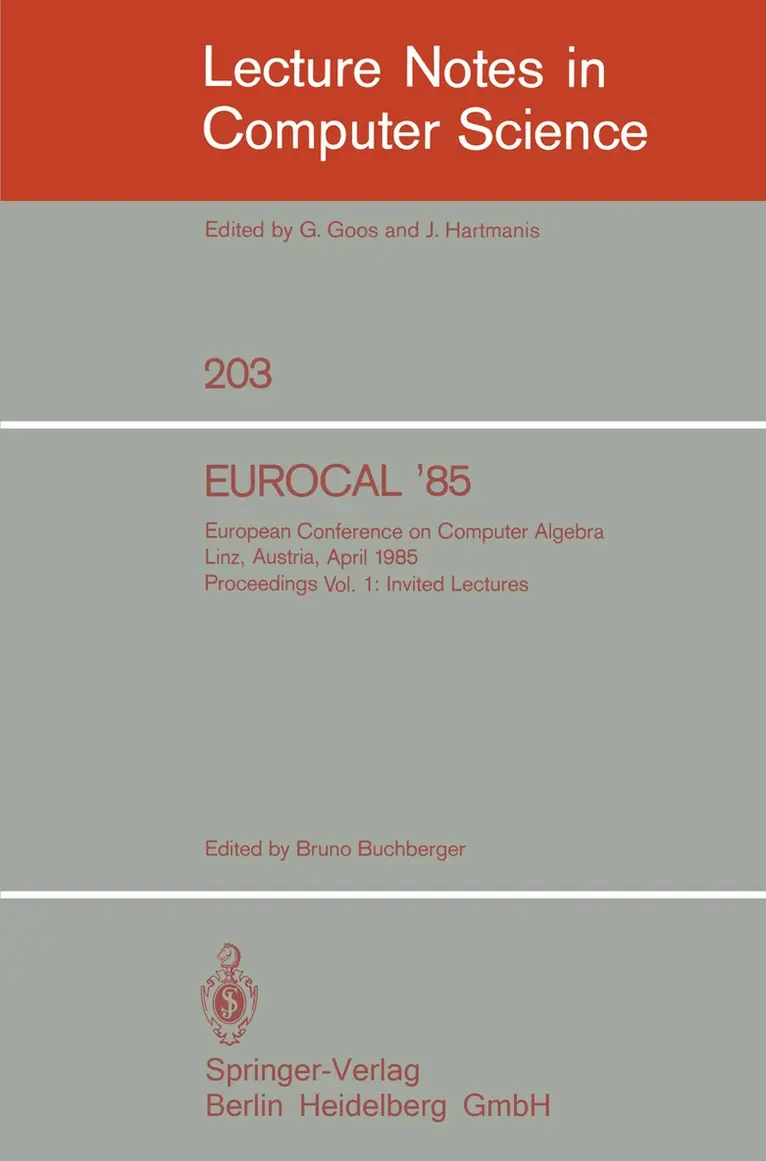
EUROCAL '85. European Conference on Computer Algebra. Linz, Austria, April 1-3, 1985. Proceedings
Volume 1: Invited Lectures
Häftad, 1985
568 kr
Lägg i varukorg
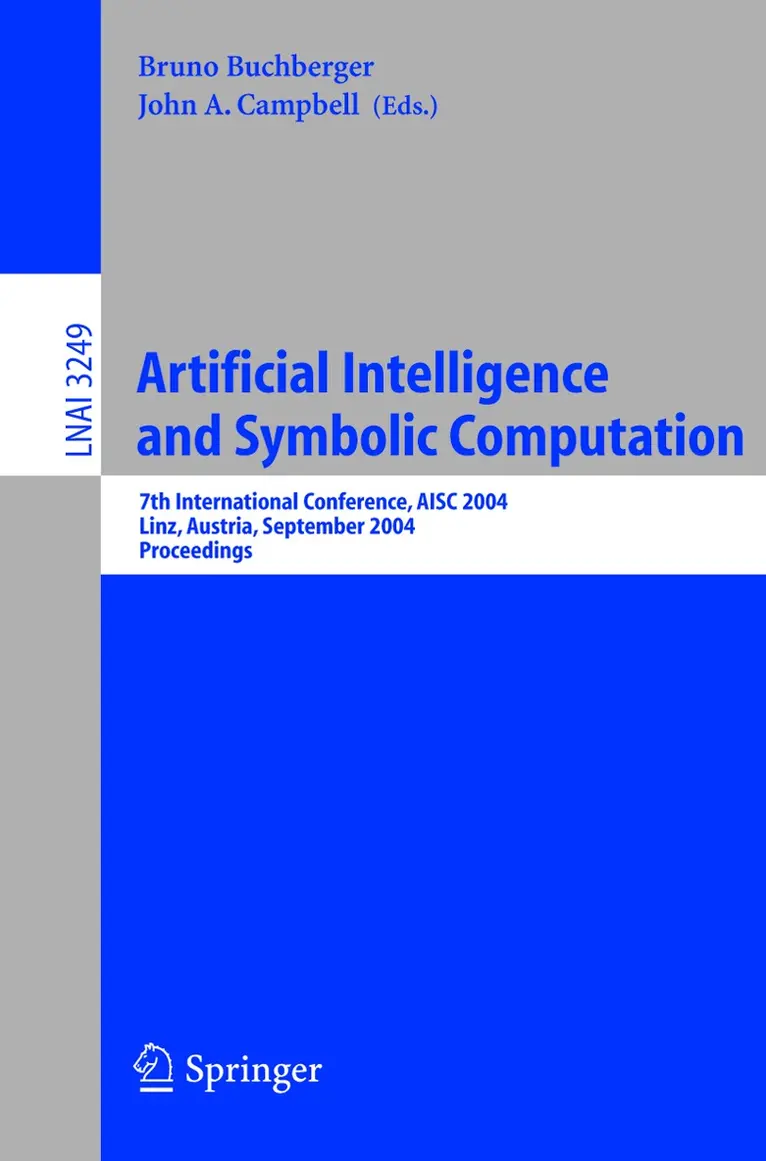
Artificial Intelligence and Symbolic Computation
7th International Conference, AISC 2004 Linz, Austria, September 22–24, 2004 Proceedings
Av Bruno Buchberger, John A. Campbell
Häftad, 2004
568 kr
Lägg i varukorg
AISC 2004, the 7th International Conference on Arti?cial Intelligence and S- bolicComputation,wasthelatestintheseriesofspecializedbiennialconferences foundedin1992byJacquesCalmetoftheUniversitat .. KarlsruheandJohnCa- bell of University College London with the initial title Arti?cial Intelligence …
Artificial Intelligence and Symbolic Computation
7th International Conference, AISC 2004 Linz, Austria, September 22–24, 2004 Proceedings
Av John A. Campbell, Bruno Buchberger
E-bok, 2004
734 kr
Lägg i varukorg
Mathematical Knowledge Management
Second International Conference, MKM 2003 Bertinoro, Italy, February 16-18, 2003
Av James Harold Davenport, Bruno Buchberger m. fl.
E-bok, 2007
712 kr
Lägg i varukorg
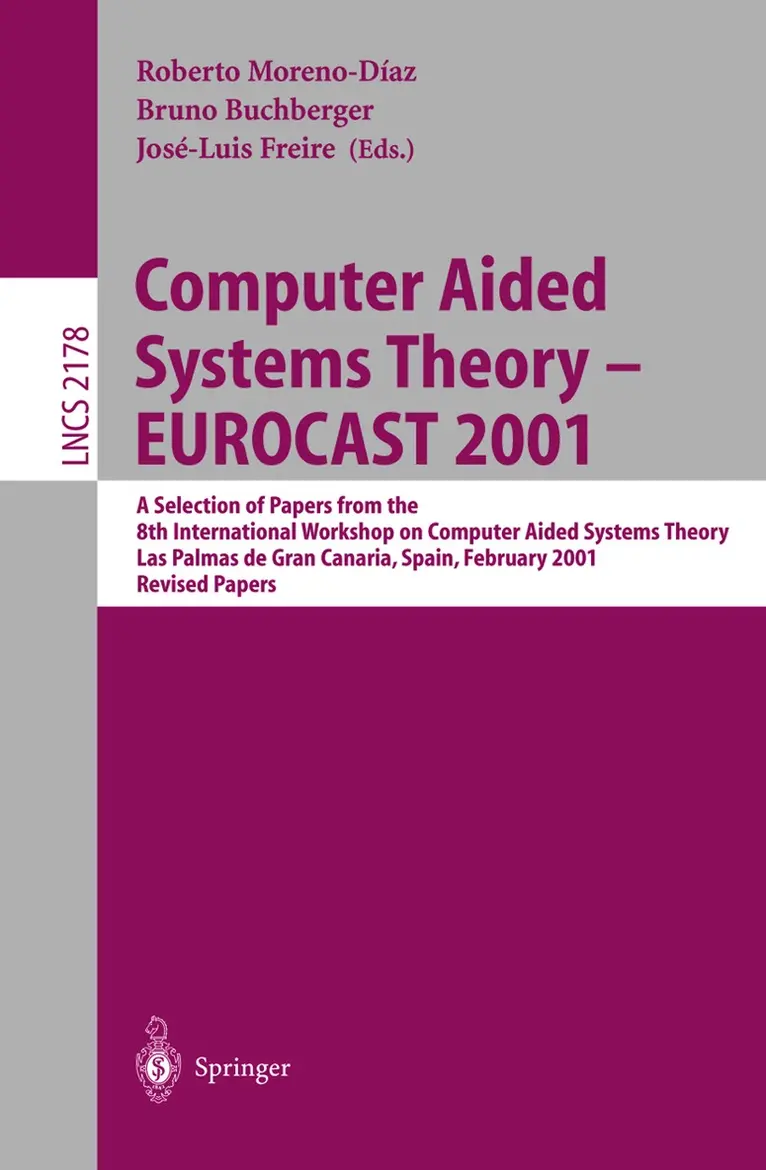
Computer Aided Systems Theory - EUROCAST 2001
A Selection of Papers from the 8th International Workshop on Computer Aided Systems Theory, Las Palmas de Gran Canaria, Spain, February 19-23, 2001. Revised Papers
Av Roberto Moreno-Diaz, Bruno Buchberger m. fl.
Häftad, 2001
1129 kr
Lägg i varukorg
The concept of CAST as Computer Aided Systems Theory, was introduced by F. Pichler in the late 1980s to include those computer theoretical and practical developments as tools to solve problems in System Science. It was considered as the third component (the other two being CAD and CAM) necessary to …
Computer Aided Systems Theory - EUROCAST 2001
A Selection of Papers from the 8th International Workshop on Computer Aided Systems Theory, Las Palmas de Gran Canaria, Spain, February 19-23, 2001. Revised Papers
Av Jose-Luis Freire, Bruno Buchberger m. fl.
E-bok, 2003
1502 kr
Lägg i varukorg
The concept of CAST as Computer Aided Systems Theory, was introduced by F. Pichler in the late 1980s to include those computer theoretical and practical developments as tools to solve problems in System Science. It was considered as the third component (the other two being CAD and CAM) necessary to …
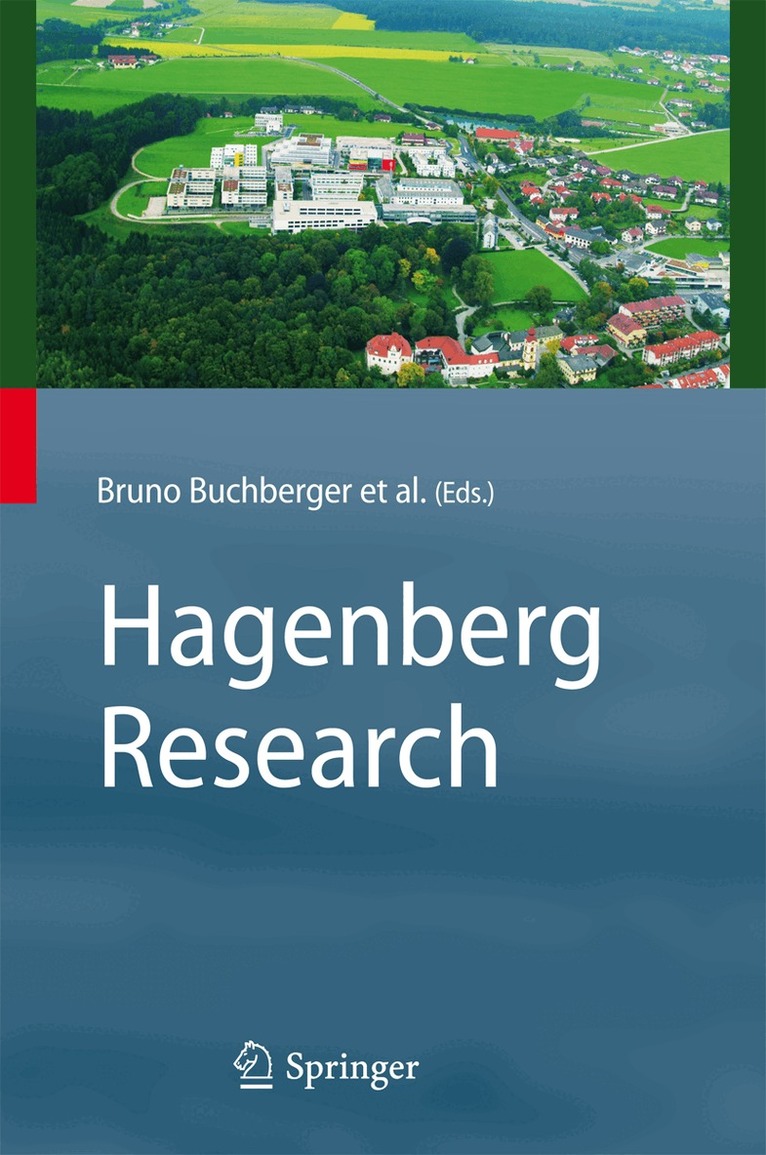
Hagenberg Research
Av Bruno Buchberger, Michael Affenzeller m. fl.
Inbunden, 2009
1690 kr
Lägg i varukorg
BrunoBuchberger This book is a synopsis of basic and applied research done at the various re search institutions of the Softwarepark Hagenberg in Austria. Starting with 15 coworkers in my Research Institute for Symbolic Computation (RISC), I initiated the Softwarepark Hagenberg in 1987 on request …
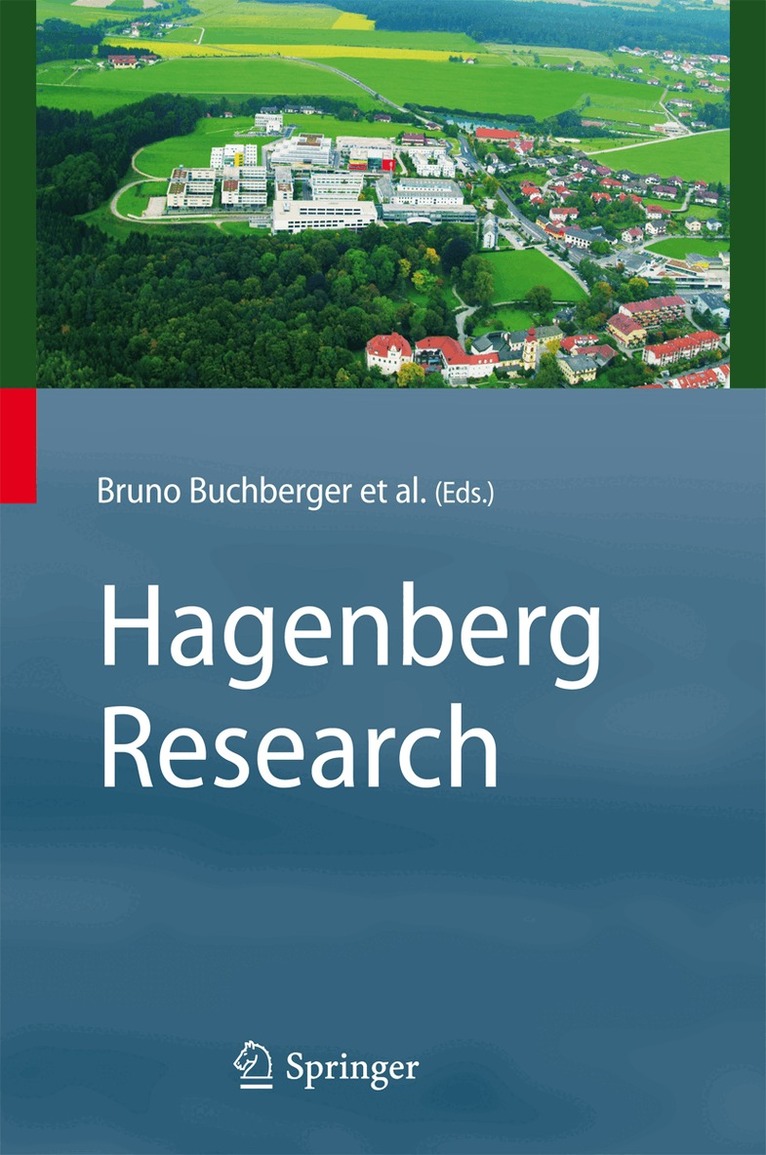
Hagenberg Research
Av Wolfgang Windsteiger, Gerhard Wei m. fl.
E-bok, 2009
2127 kr
Lägg i varukorg
BrunoBuchberger This book is a synopsis of basic and applied research done at the various re search institutions of the Softwarepark Hagenberg in Austria. Starting with 15 coworkers in my Research Institute for Symbolic Computation (RISC), I initiated the Softwarepark Hagenberg in 1987 on request …
Hagenberg Research
Av Bruno Buchberger, Michael Affenzeller m. fl.
Häftad, 2010
1690 kr
Lägg i varukorg
BrunoBuchberger This book is a synopsis of basic and applied research done at the various re search institutions of the Softwarepark Hagenberg in Austria. Starting with 15 coworkers in my Research Institute for Symbolic Computation (RISC), I initiated the Softwarepark Hagenberg in 1987 on request …
Mathematik für Informatiker I
Die Methode der Mathematik
Av F. Lichtenberger, Bruno Buchberger
E-bok, 2013
503 kr
Lägg i varukorg