Bryan C. Reece – författare
Visar alla böcker från författaren Bryan C. Reece. Handla med fri frakt och snabb leverans.
8 produkter
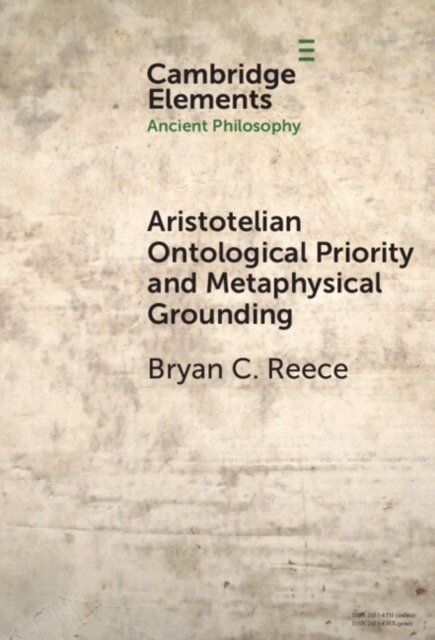
Aristotelian Ontological Priority and Metaphysical Grounding
Häftad, 2026
308 kr
Lägg i varukorg
Many think that reality is structured such that some beings are more fundamental than others and characterize this structure in terms of 'grounding.' Grounding is typically regarded as explanatory and as exhibiting certain order-theoretic properties: asymmetry, irreflexivity, and transitivity. …
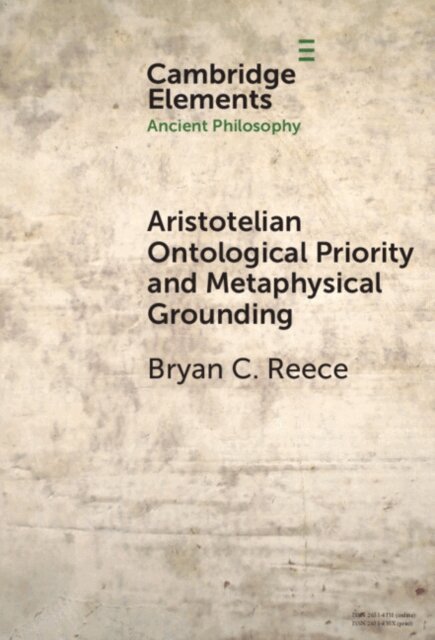
Aristotelian Ontological Priority and Metaphysical Grounding
Inbunden, 2026
911 kr
Lägg i varukorg
Many think that reality is structured such that some beings are more fundamental than others and characterize this structure in terms of 'grounding.' Grounding is typically regarded as explanatory and as exhibiting certain order-theoretic properties: asymmetry, irreflexivity, and transitivity. …
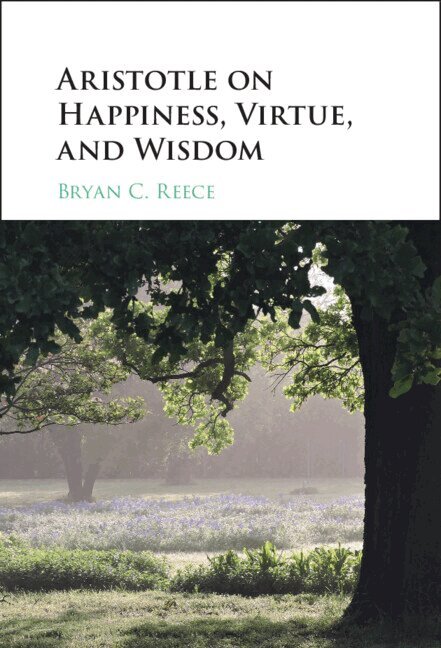
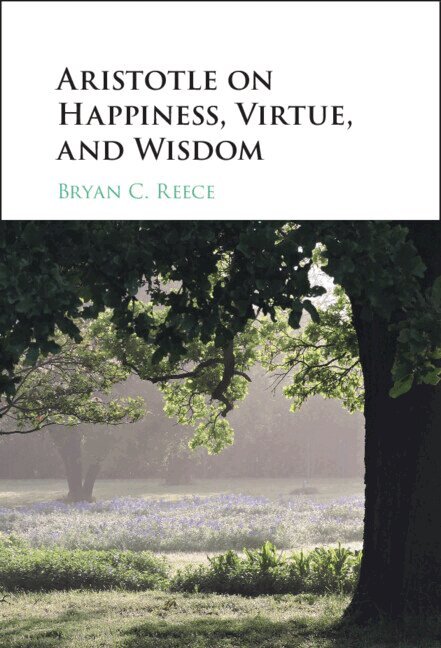
Aristotle on Happiness, Virtue, and Wisdom
Inbunden, 2023
1449 kr
Lägg i varukorg
Aristotle thinks that happiness is an activity - it consists in doing something - rather than a feeling. It is the best activity of which humans are capable and is spread out over the course of a life. But what kind of activity is it? Some of his remarks indicate that it is a single best kind of …
Aristotle on Happiness, Virtue, and Wisdom
Häftad, 2025
390 kr
Lägg i varukorg
Aristotle thinks that happiness is an activity - it consists in doing something - rather than a feeling. It is the best activity of which humans are capable and is spread out over the course of a life. But what kind of activity is it? Some of his remarks indicate that it is a single best kind of …
Aristotle on Happiness, Virtue, and Wisdom
E-bok, 2023
375 kr
Lägg i varukorg
Aristotle thinks that happiness is an activity – it consists in doing something – rather than a feeling. It is the best activity of which humans are capable and is spread out over the course of a life. But what kind of activity is it? Some of his remarks indicate that it is a single best kind of …
Aristotle on Happiness, Virtue, and Wisdom
E-bok, 2023
375 kr
Lägg i varukorg
Aristotle thinks that happiness is an activity – it consists in doing something – rather than a feeling. It is the best activity of which humans are capable and is spread out over the course of a life. But what kind of activity is it? Some of his remarks indicate that it is a single best kind of …