Bryan Green – författare
Visar alla böcker från författaren Bryan Green. Handla med fri frakt och snabb leverans.
9 produkter
9 produkter
1 099 kr
Tillfälligt slut
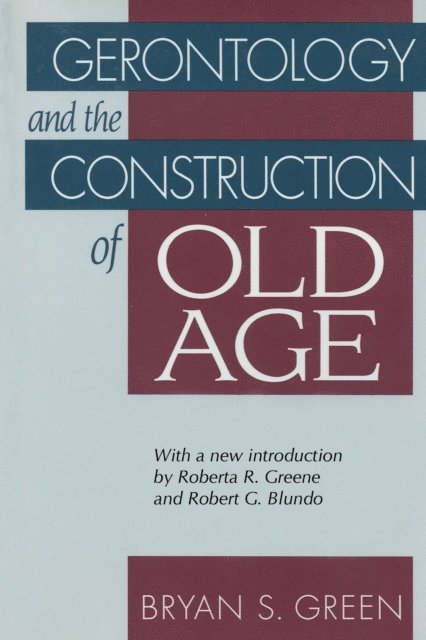
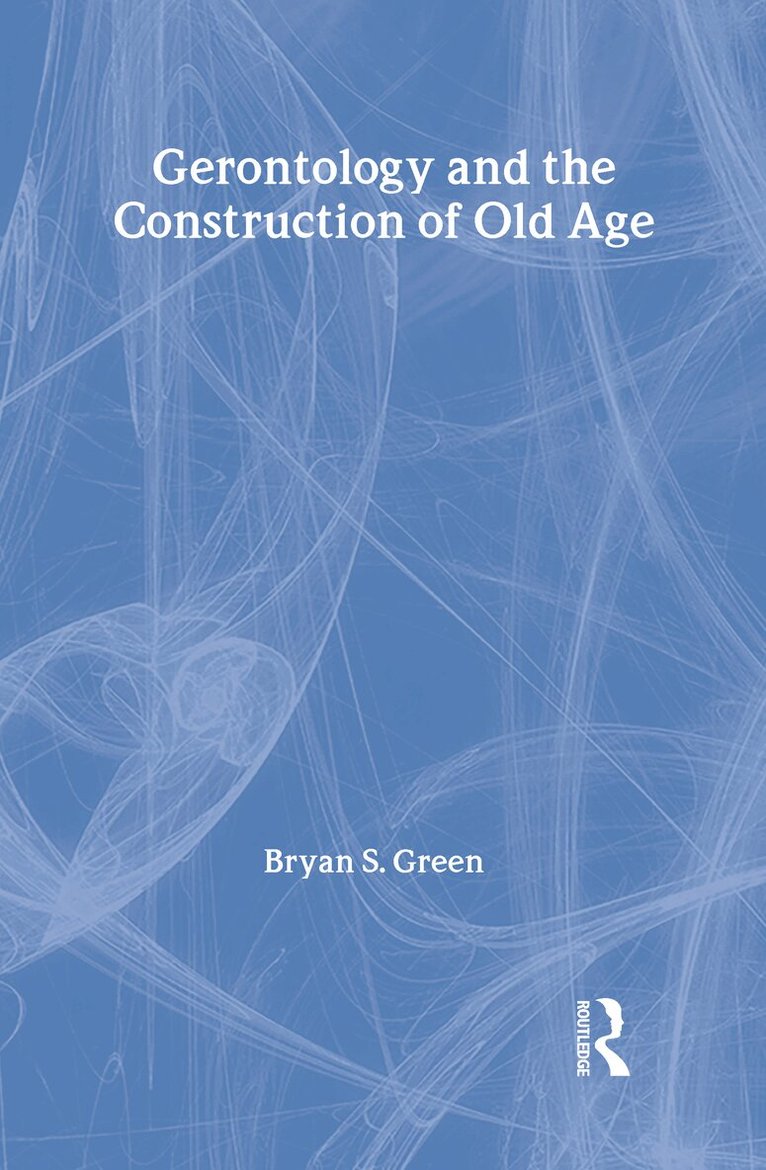
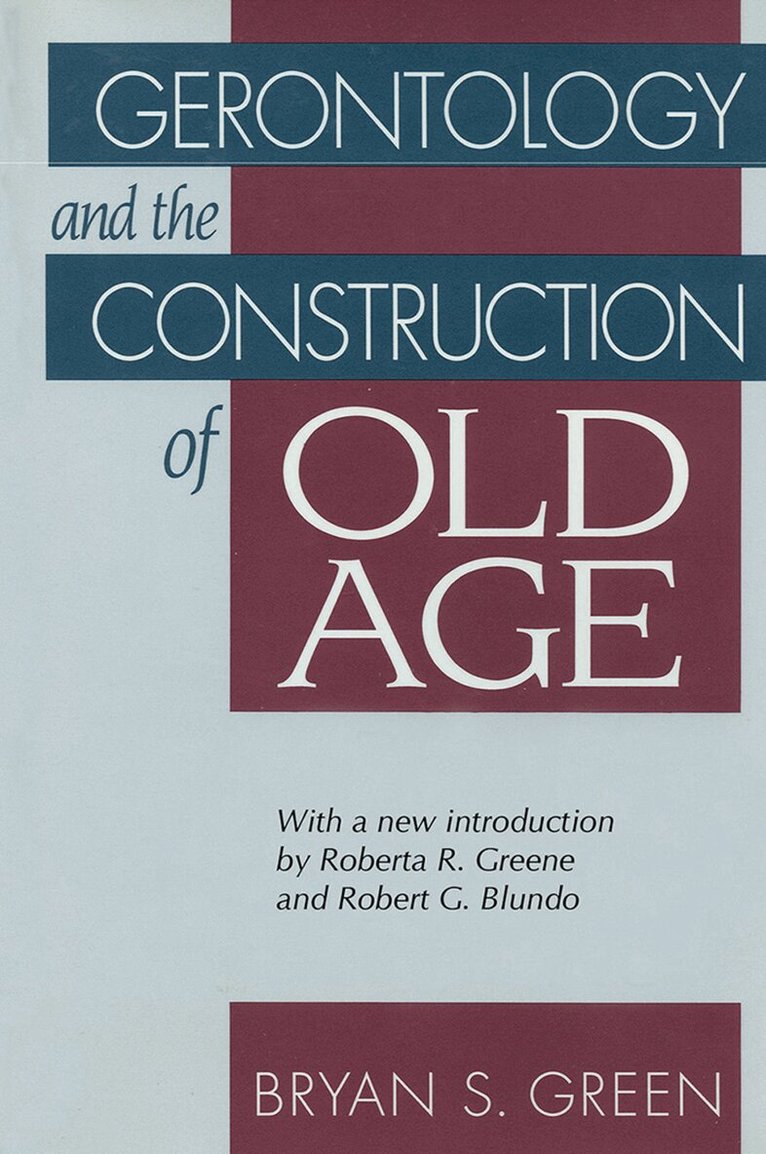
Although attitudes toward the aged and their care are inherent in any society, gerontology itself is a relatively recent field of study and practice. Gerontology and the Construction of Old Age applies the methods of discourse analysis and textual analysis to texts and documents in this newly evolved and eclectic fi eld. Green explores and identifies the literary methods and discursive regularities through which aging and the aged have been made into objects of study and treatment, and which together form a mode of knowledge production that will infl uence future texts in the field.Because such formats of representation limit rational diagnoses of problems and rational courses of ameliorative action, policy implications in the fi eld of gerontology are a major interest of this study. Another interest is methodological. Within the broader constructionist approach to social reality, Green takes the position of constitutive realism: the notion that social reality is linguistically constructed, primarily in speech and writing.The book's two aims are to describe analytically the fi eld of gerontology. The field is important both for its growing academic presence and for its practical eff ects on discourse and policy concerning old age. It also hopes to help develop possibilities of inquiry associated with the linguistic, literary, and rhetorical turns of social science in recent years. Gerontology and the Construction of Old Age is a substantive investigation, at considerable theoretical depth, of gerontology itself, as well as a methodological treatise with broader implications for social science as it focuses upon the discourse of various professional fields.
721 kr
Skickas inom 10-15 vardagar
Although attitudes toward the aged and their care are inherent in any society, gerontology itself is a relatively recent field of study and practice. Gerontology and the Construction of Old Age applies the methods of discourse analysis and textual analysis to texts and documents in this newly evolved and eclectic fi eld. Green explores and identifies the literary methods and discursive regularities through which aging and the aged have been made into objects of study and treatment, and which together form a mode of knowledge production that will infl uence future texts in the field.Because such formats of representation limit rational diagnoses of problems and rational courses of ameliorative action, policy implications in the fi eld of gerontology are a major interest of this study. Another interest is methodological. Within the broader constructionist approach to social reality, Green takes the position of "constitutive realism": the notion that social reality is linguistically constructed, primarily in speech and writing.The book's two aims are to describe analytically the fi eld of gerontology. The field is important both for its growing academic presence and for its practical eff ects on discourse and policy concerning old age. It also hopes to help develop possibilities of inquiry associated with the linguistic, literary, and rhetorical turns of social science in recent years. Gerontology and the Construction of Old Age is a substantive investigation, at considerable theoretical depth, of gerontology itself, as well as a methodological treatise with broader implications for social science as it focuses upon the discourse of various professional fields.
2 113 kr
Skickas inom 10-15 vardagar
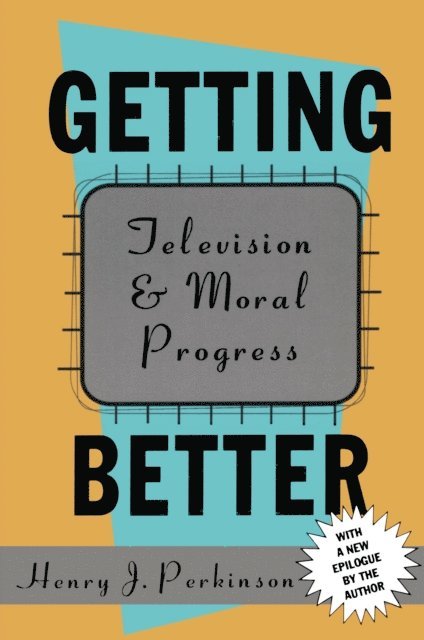
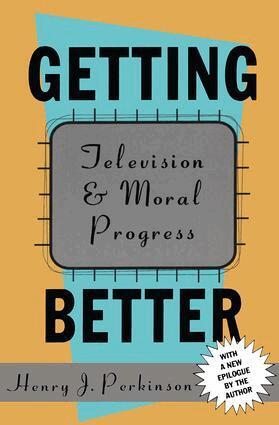
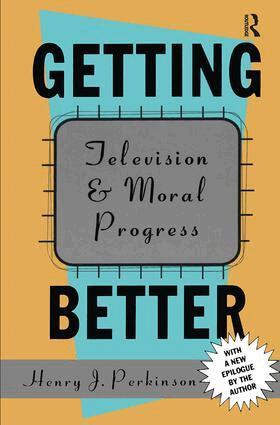
Ever since the fifties, when television became ascendent in American popular culture, it has become commonplace to bemoan its "bad" effects. Little or nothing, however, has been said about its "good" effects. With this observation, Henry Perkinson introduces his provocative and original analysis of television and culture. Rejecting the determinism inherent in most studies of the effects of television ("We are what we watch"), he insists that it is people that actively change culture, media having no agency to do so. Nevertheless, he argues that television did facilitate the changes we have made in our culture over the past thirty years.Perkinson describes how television helped us become critical of our existing culture, especially of the relationships that were commonly accepted between men and women, blacks and whites, politicians and voters, employers and employees, and between people and the environment. These criticisms have brought about dramatic changes in our social, political, and economic arrangements, as well as changes in our intellectual outlook. Since these changes came about through our efforts to eliminate or reduce discrimination, suffering, and injustice, Perkinson argues that our culture has become more moral in the age of television.In what amounts to a history of recent social change in America, Getting Better examines the role television has played in the rise of feminism, the black protest movement, the presidential elections, the Vietnam War, Watergate, environmentalism, religious fundamentalism, and the New Age movement. This book will be essential reading for students of communications and American culture, and for anyone who wants to make sense of the transformations of American life from the 1950s to the present. Even those who do not agree that things are "getting better" will find that Perkinson's analysis helps to make things more coherent.
177 kr
Skickas inom 5-8 vardagar
428 kr
Skickas inom 3-6 vardagar
508 kr
Tillfälligt slut
Ever since the fifties, when television became ascendent in American popular culture, it has become commonplace to bemoan its "bad" effects. Little or nothing, however, has been said about its "good" effects. With this observation, Henry Perkinson introduces his provocative and original analysis of television and culture. Rejecting the determinism inherent in most studies of the effects of television ("We are what we watch"), he insists that it is people that actively change culture, media having no agency to do so. Nevertheless, he argues that television did facilitate the changes we have made in our culture over the past thirty years.Perkinson describes how television helped us become critical of our existing culture, especially of the relationships that were commonly accepted between men and women, blacks and whites, politicians and voters, employers and employees, and between people and the environment. These criticisms have brought about dramatic changes in our social, political, and economic arrangements, as well as changes in our intellectual outlook. Since these changes came about through our efforts to eliminate or reduce discrimination, suffering, and injustice, Perkinson argues that our culture has become more moral in the age of television.In what amounts to a history of recent social change in America, Getting Better examines the role television has played in the rise of feminism, the black protest movement, the presidential elections, the Vietnam War, Watergate, environmentalism, religious fundamentalism, and the New Age movement. This book will be essential reading for students of communications and American culture, and for anyone who wants to make sense of the transformations of American life from the 1950s to the present. Even those who do not agree that things are "getting better" will find that Perkinson's analysis helps to make things more coherent.
264 kr
Skickas inom 5-8 vardagar
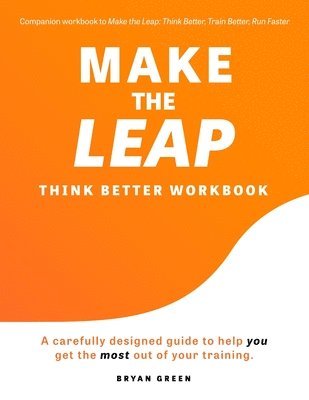
Make the Leap Think Better Workbook
A Carefully Designed Guide to Help You Get the Most Out of Your Training
Häftad, Engelska, 2020
116 kr
Skickas
Make the Leap Coach's Guide
Questions and Activities to Help Your Athletes Get the Most Out of Their Training
Häftad, Engelska, 2021
132 kr
Skickas inom 5-8 vardagar