Bryan J. Cuevas – författare
Visar alla böcker från författaren Bryan J. Cuevas. Handla med fri frakt och snabb leverans.
6 produkter
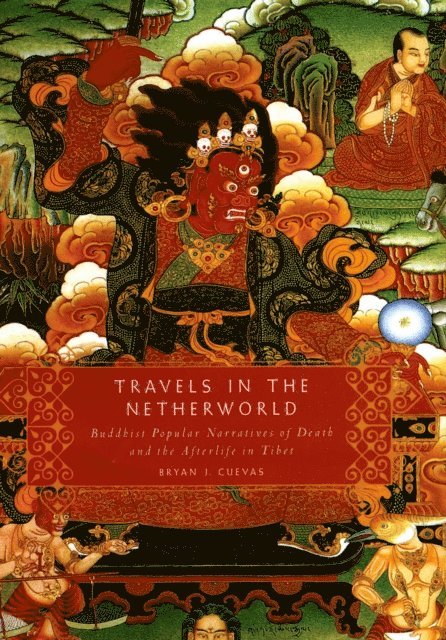
Travels in the Netherworld
Buddhist Popular Narratives of Death and the Afterlife in Tibet
E-bok, 2008
505 kr
Lägg i varukorg
In Travels in the Netherworld , Bryan J. Cuevas examines a fascinating but little-known genre of Tibetan narrative literature about the délok , ordinary men and women who claim to have died, traveled through hell, and then returned from the afterlife. These narratives enjoy audiences ranging from …
Travels in the Netherworld
Buddist Popular Narratives of Death and the Afterlife in Tibet
Inbunden, 2008
1790 kr
Lägg i varukorg
In Travels in the Netherworld, Bryan J. Cuevas examines a fascinating but little-known genre of Tibetan narrative literature about the délok, ordinary men and women who claim to have died, traveled through hell, and then returned from the dead. Providing a clear, detailed analysis of four vivid …
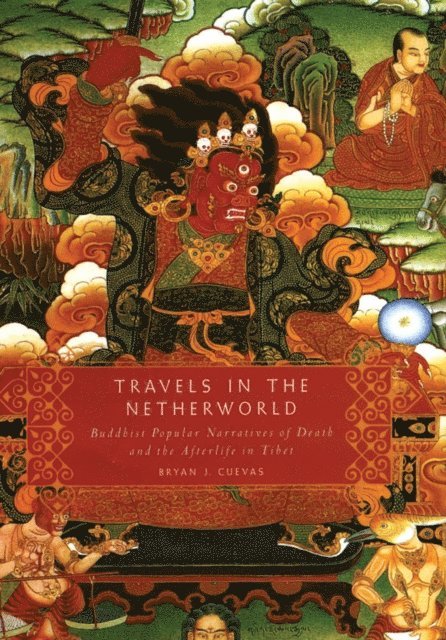
Travels in the Netherworld
Buddhist Popular Narratives of Death and the Afterlife in Tibet
E-bok, 2008
505 kr
Lägg i varukorg
In Travels in the Netherworld , Bryan J. Cuevas examines a fascinating but little-known genre of Tibetan narrative literature about the délok , ordinary men and women who claim to have died, traveled through hell, and then returned from the afterlife. These narratives enjoy audiences ranging from …
Travels in the Netherworld
Buddhist Popular Narratives of Death and the Afterlife in Tibet
Häftad, 2012
748 kr
Lägg i varukorg
In Travels in the Netherworld, Bryan J. Cuevas examines a fascinating but little-known genre of Tibetan narrative literature about the délok, ordinary men and women who claim to have died, traveled through hell, and then returned from the afterlife. These narratives enjoy audiences ranging from the …
Buddhist Dead (Studies in East Asian Buddhism)
Av Bryan J. Cuevas, Bryan J. Cuevas m. fl.
Häftad, 2011
216 kr
Lägg i varukorg
In its teachings, practices, and institutions, Buddhism in its varied Asian forms has been--and continues to be--centrally concerned with death and the dead. Yet surprisingly "death in Buddhism" has received little sustained scholarly attention. The Buddhist Dead offers the first comparative …
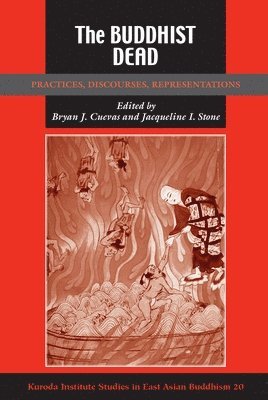
Buddhist Dead
Practices, Discourses, Representations
Av Bryan J. Cuevas, Jacqueline I. Stone
Inbunden, 2007
774 kr
Tillfälligt slut
In its teachings, practices, and institutions, Buddhism in its varied Asian forms has been—and continues to be—centrally concerned with death and the dead. Yet surprisingly "death in Buddhism" has received little sustained scholarly attention. The Buddhist Dead offers the first comparative …