Burkhard Lemper – författare
Visar alla böcker från författaren Burkhard Lemper. Handla med fri frakt och snabb leverans.
4 produkter
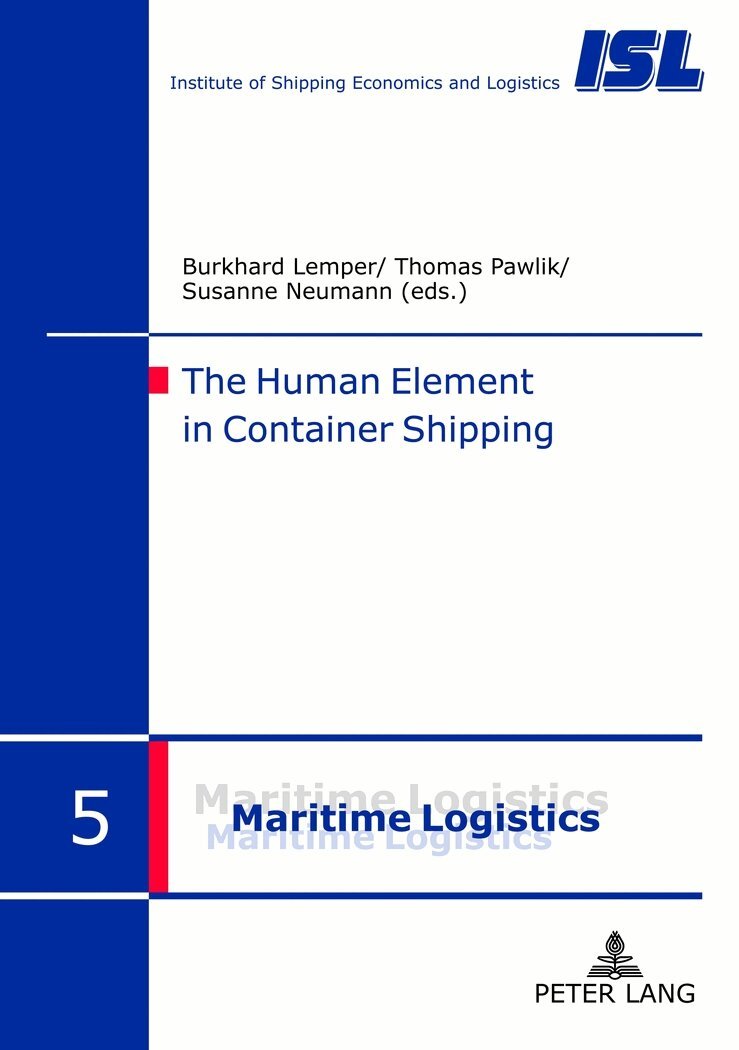
Human Element in Container Shipping
Av Burkhard Lemper, Thomas Pawlik m. fl.
Inbunden, 2012
709 kr
Lägg i varukorg
The shipping industry is run by people and for people. Thus, the main element in shipping is the «human element» – the mariners at all levels. Since the human element aboard vessels – being in and coping with a very special environment – is the crucial point of every transport chain, it is …
Maerkte Im Wandel - Mehr Mut Zu Wettbewerb
Festschrift Zum 65. Geburtstag Von Rolf W. Stuchtey
Av Burkhard Lemper, Ralf Meyer
Inbunden, 2005
685 kr
Tillfälligt slut
Aus Anlass des 65. Geburtstages von Professor Rolf W. Stuchtey am 23. Januar 2005 wurde diese Festschrift zusammengestellt. Aufgrund seines weiten Betätigungsfeldes und der großen Bekanntheit insbesondere in der maritimen Wirtschaft konnte eine Vielzahl ehemaliger Kollegen, Mitarbeiter, Freunde und …
Maritime Wirtschaft - Theorie, Empirie Und Politik
Festschrift Zum 65. Geburtstag Von Manfred Zachcial
Av Hans-Dietrich Haasis, Holger Kramer m. fl.
Inbunden, 2010
650 kr
Tillfälligt slut
Mit Blick auf sein weitreichendes Betätigungsfeld konnten aus Anlass des 65. Geburtstages von Professor Manfred Zachcial im Jahr 2010 viele seiner ehemaligen Kollegen, Mitarbeiter, Freunde und Weggefährten aus dem In- und Ausland für einen Beitrag zu dieser Festschrift gewonnen werden. Die Autoren …
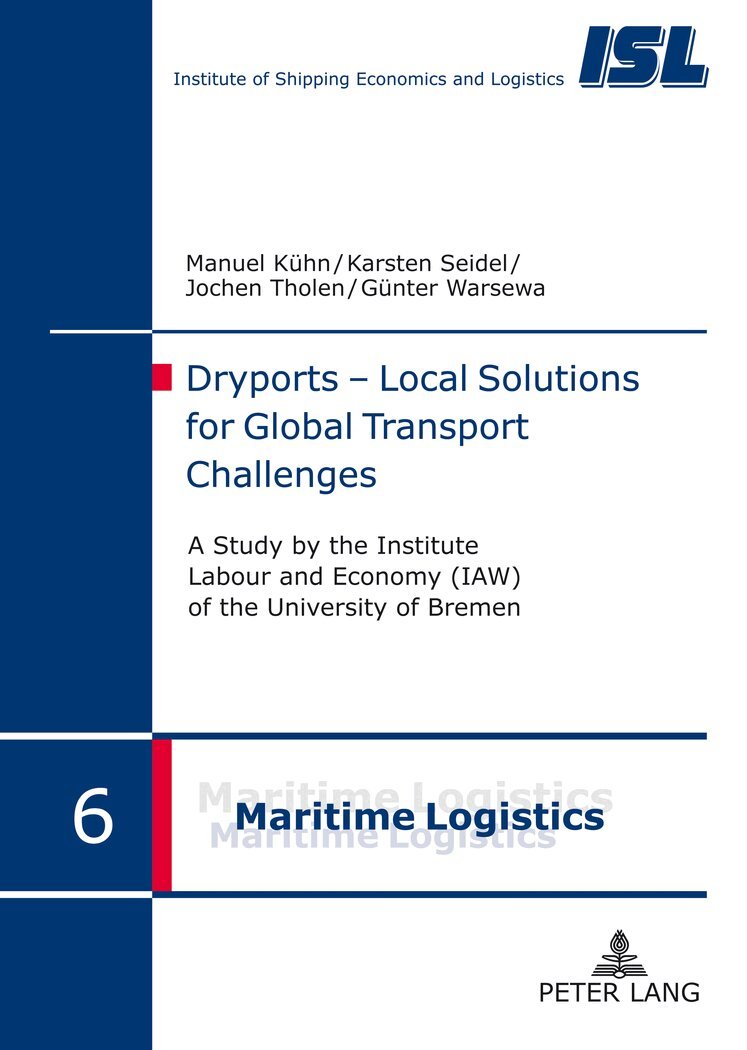
Dryports – Local Solutions for Global Transport Challenges
A study by the Institute Labour and Economy (IAW) of the University of Bremen
Av Manuel Kühn, Jochen Tholen m. fl.
Inbunden, 2012
302 kr
Tillfälligt slut
Global trade will increase over the coming years asking for solutions to cope with growing amounts of transported goods. Dryports can optimise the distribution of goods by accelerating transport flows, optimising logistics chains and improving the coordination of traffic infrastructures. The study …