Byung-Chul Han – författare
Visar alla böcker från författaren Byung-Chul Han. Handla med fri frakt och snabb leverans.
146 produkter
Speaking About God
A Dialogue with Simone Weil
Inbunden, 2026
152 kr
Lägg i varukorg
The crisis of religion today stems not simply from the fact that certain tenets of faith have lost their validity for us, or that we no longer believe in God. The crisis of religion has a deeper source: it is rooted in a crisis of attention, a crisis of seeing and hearing. It is not God that is …
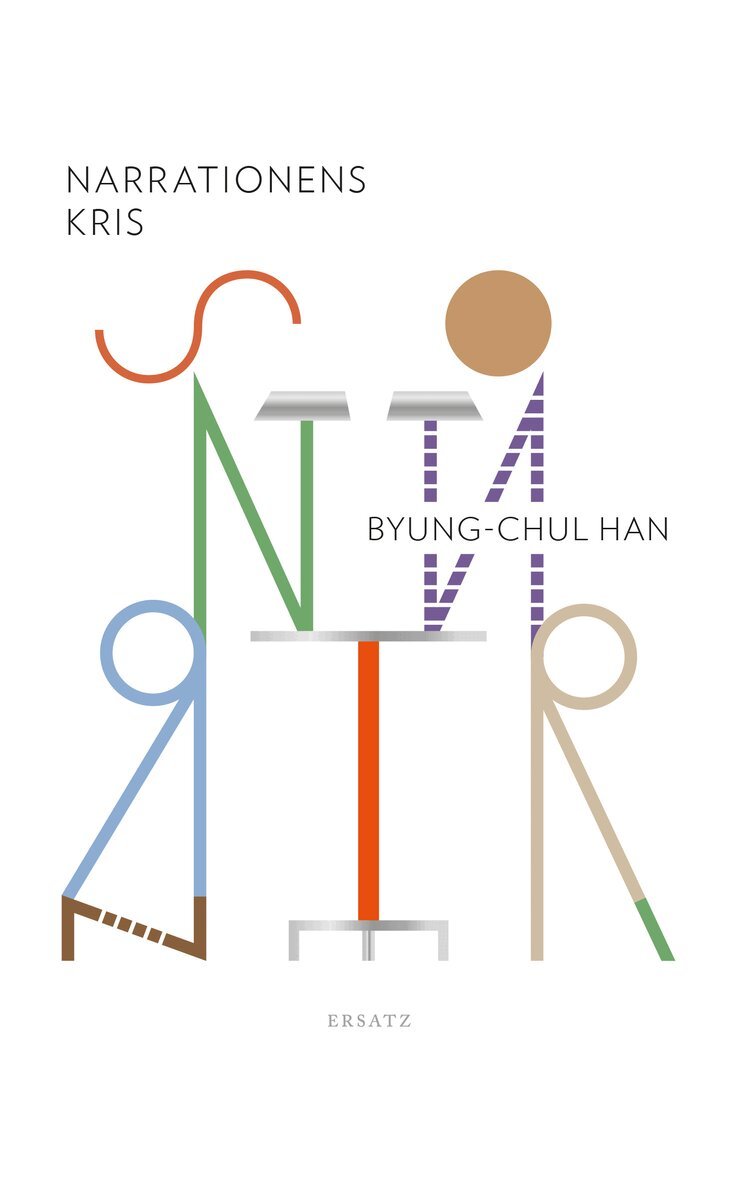
Narrationens kris
Inbunden, 2025
4,6 utav 5 stjärnor. Totalt antal röster: (5)
210 kr
Lägg i varukorg
»Han mixar in Jean Baudrillard, Walter Benjamin och Martin Heidegger i sina analyser av selfies och Snapchat, och gör tysk filosofi till ett nutida beat för tanken att dansa till.« Kristofer Ahlström, DN Storytelling står högt i kurs i dag. Så högt att man kan få intrycket att vi återigen berättar …
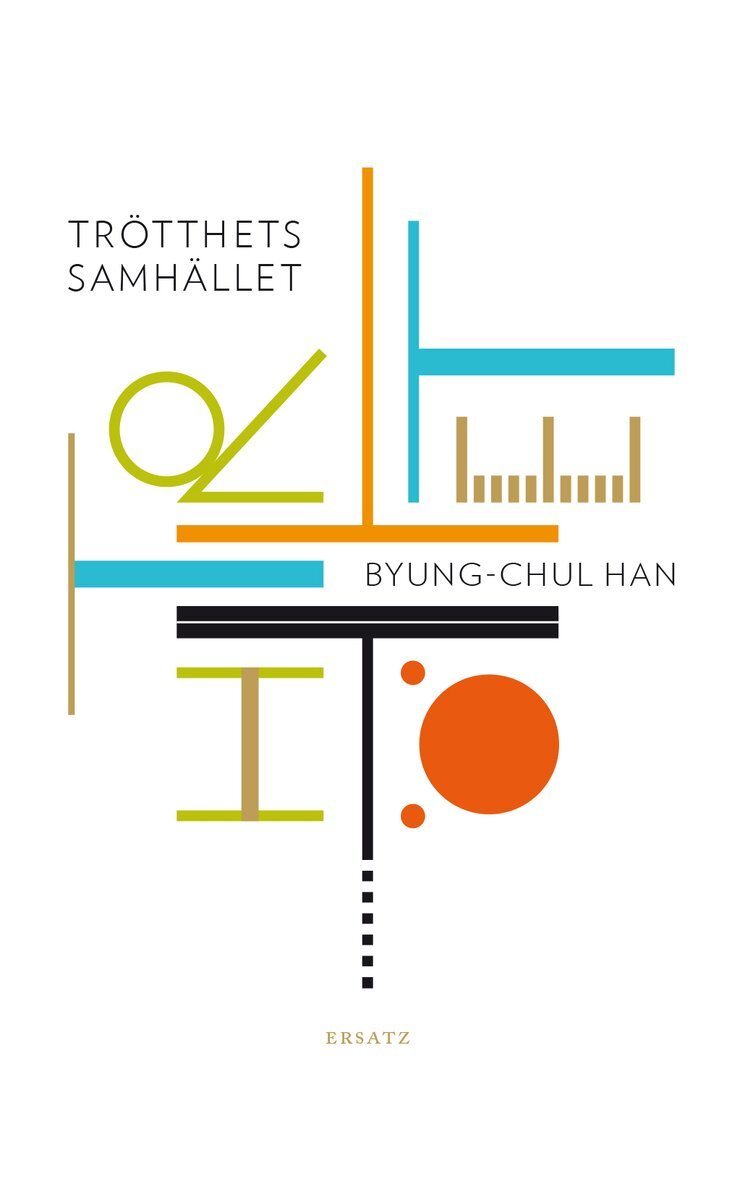
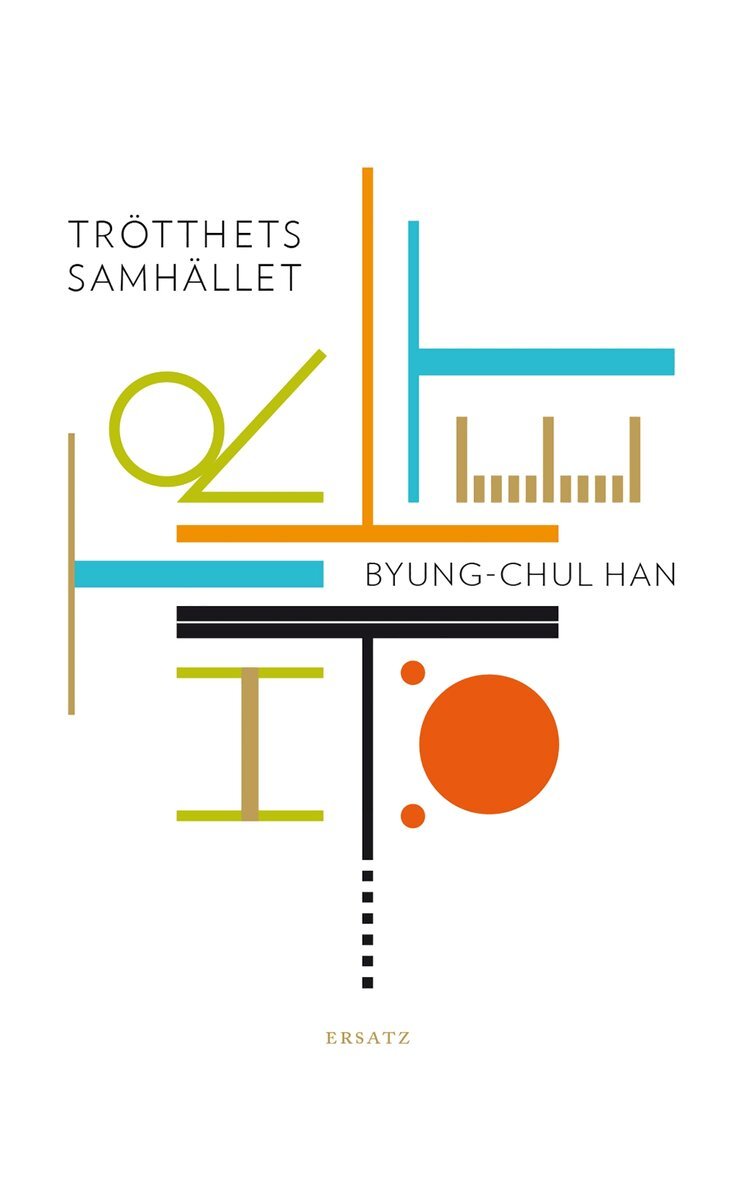
Trötthetssamhället
Inbunden, 2013
3,7 utav 5 stjärnor. Totalt antal röster: (16)
219 kr
Lägg i varukorg
Det moderna informations- och prestationssamhället med sina oändliga lockelser och möjligheter betraktas vanligtvis som ett framsteg. Men enligt den koreanske filosofen Byung-Chul Han, som skriver på tyska och är verksam i Karlsruhe, är det snarare fråga om en tillbakagång. Det ständiga tvånget …
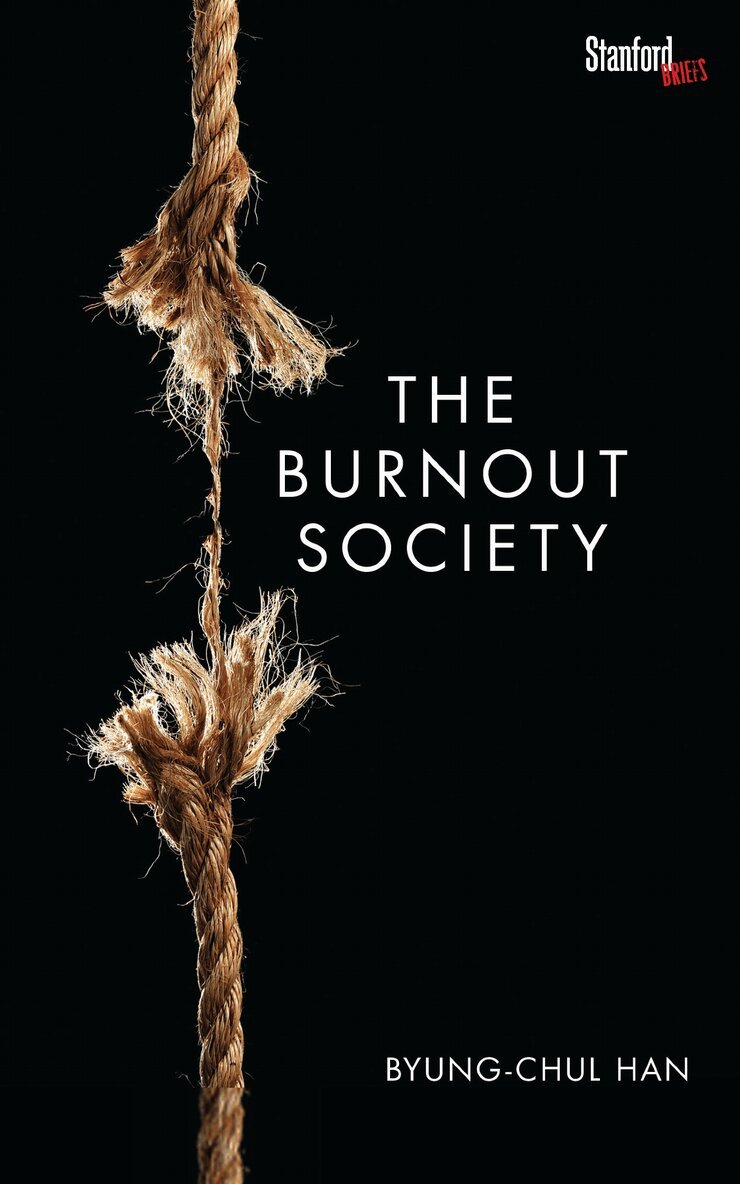
Burnout Society
Häftad, 2015
176 kr
Lägg i varukorg
Our competitive, service-oriented societies are taking a toll on the late-modern individual. Rather than improving life, multitasking, "user-friendly" technology, and the culture of convenience are producing disorders that range from depression to attention deficit disorder to borderline …
Disappearance of Rituals
A Topology of the Present
Häftad, 2020
5,0 utav 5 stjärnor. Totalt antal röster: (1)
171 kr
Lägg i varukorg
Untrammelled neoliberalism and the inexorable force of production have produced a 21st century crisis of community: a narcissistic cult of authenticity and mass turning-inward are among the pathologies engendered by it. We are individuals afloat in an atomised society, where the loss of the …
SIKT #6
Av Lena Andersson, Sally Rooney m. fl.
Häftad, 2026
236 kr
Lägg i varukorg
Från Daniel Ek och hans principer och arbetsmodell för att bygga Spotify – till Simon Kuper och Olof Lundh , som skriver varsin essä om fotboll med anledning av sommarens stora mästerskap. Inför riksdagsvalet i höst återvänder Lena Andersson till den glödande havregynnsdebatten, Björn af Kleen …
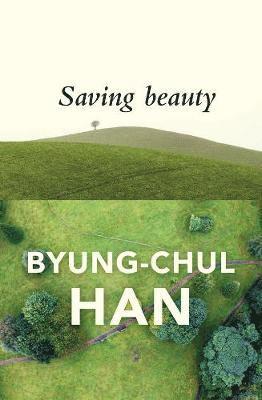
Saving Beauty
Häftad, 2017
176 kr
Lägg i varukorg
Beauty today is a paradox. The cult of beauty is ubiquitous but it has lost its transcendence and become little more than an aspect of consumerism, the aesthetic dimension of capitalism. The sublime and unsettling aspects of beauty have given way to corporeal pleasures and 'likes', resulting in a …
Crisis of Narration
Häftad, 2024
215 kr
Lägg i varukorg
Narratives produce the ties that bind us. They create community, eliminate contingency and anchor us in being. And yet in our contemporary information society, where everything has become arbitrary and random, storytelling becomes storyselling and narratives lose their binding force. Whereas …
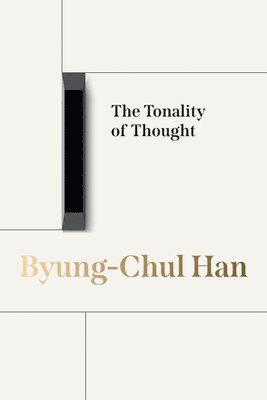
Tonality of Thought
Häftad, 2026
4,0 utav 5 stjärnor. Totalt antal röster: (1)
147 kr
Lägg i varukorg
In a lecture given in 2023, Byung-Chul Han likened his thinking to music: like the Goldberg Variations, his books present variations on themes, though in his case the variations are articulated in the form of fundamental concepts. He also explained that his thinking is rooted in German Romanticism …
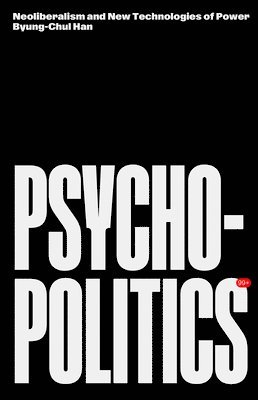
Psychopolitics
Neoliberalism and New Technologies of Power
Häftad, 2025
145 kr
Lägg i varukorg
Byung-Chul Han, a star of German philosophy, continues his passionate critique of neoliberalism, trenchantly describing a regime of technological domination that, in contrast to Foucault's biopower, has discovered the productive force of the psyche. In the course of discussing all the facets of …
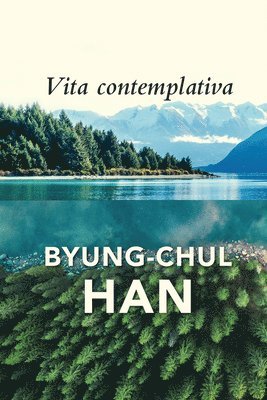
Vita Contemplativa
In Praise of Inactivity
Häftad, 2023
4,0 utav 5 stjärnor. Totalt antal röster: (1)
215 kr
Lägg i varukorg
In our busy and hurried lives, we are losing the ability to be inactive. Human existence becomes fully absorbed by activity – even leisure, treated as a respite from work, becomes part of the same logic. Intense life today means first of all more performance or more consumption. We have forgotten …
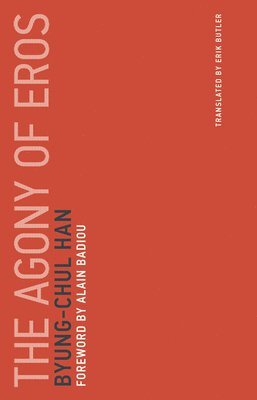
Agony of Eros
Häftad, 2017
188 kr
Lägg i varukorg
An argument that love requires the courage to accept self-negation for the sake of discovering the Other.Byung-Chul Han is one of the most widely read philosophers in Europe today, a member of the new generation of German thinkers that includes Markus Gabriel and Armen Avanessian. In The Agony of …
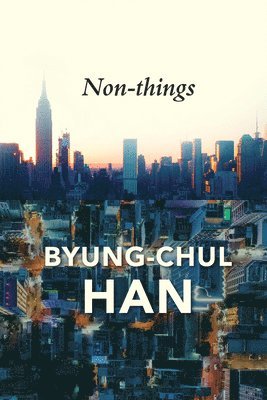
Non-things
Upheaval in the Lifeworld
Häftad, 2022
215 kr
Lägg i varukorg
We no longer inhabit earth and dwell under the sky: these are being replaced by Google Earth and the Cloud. The terrestrial order is giving way to a digital order, the world of things is being replaced by a world of non-things – a constantly expanding "infosphere" of information and communication …
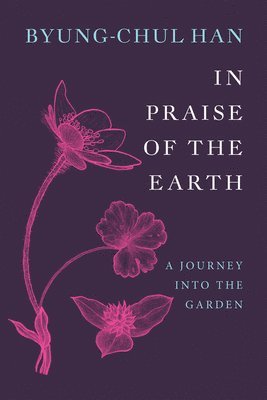
In Praise of the Earth
A Journey into the Garden
Inbunden, 2025
218 kr
Lägg i varukorg
The earth is not a dead, mute landscape but an eloquent, living being. Sometimes it just takes a spade, a packet of seeds, and a pair of sturdy boots to realize it.The philosopher Byung-Chul Han spent three springs, summers, autumns, and winters in his secret garden in Berlin, devoting himself to …
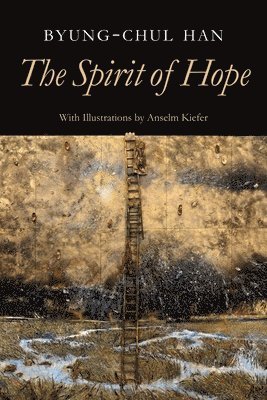
Spirit of Hope
Inbunden, 2024
194 kr
Lägg i varukorg
A spectre is haunting us: fear. We are constantly confronted with apocalyptic scenarios: pandemics, world war, the climate catastrophe. Images of the end of the world and the end of human civilization are conjured up with ever greater urgency. Anxiously, we face a bleak future. Preoccupied with …
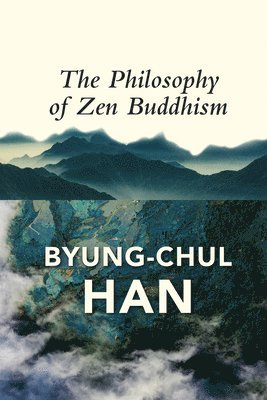
Philosophy of Zen Buddhism
Häftad, 2022
184 kr
Lägg i varukorg
Zen Buddhism is a form of Mahâyâna Buddhism that originated in China and is strongly focused on meditation. It is characteristically sceptical towards language and distrustful of conceptual thought, which explains why Zen Buddhist sayings are so enigmatic and succinct. But despite Zen Buddhism's …
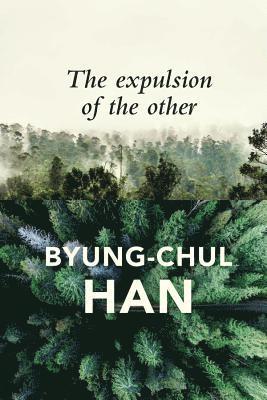
Expulsion of the Other
Society, Perception and Communication Today
Häftad, 2018
165 kr
Lägg i varukorg
The days of the Other are over in this age of excessive communication, information and consumption. What used to be the Other, be it as friend, as Eros or as hell, is now indistinguishable from the self in our narcissistic desire to assimilate everything and everyone until there are no boundaries …
Trötthetssamhället
E-bok, 2023
3,3 utav 5 stjärnor. Totalt antal röster: (4)
99 kr
Lägg i varukorg
Det moderna informations- och prestationssamhället med sina oändliga lockelser och möjligheter betraktas vanligtvis som ett framsteg. Men enligt den koreanske filosofen Byung-Chul Han, som skriver på tyska och är verksam i Karlsruhe, är det snarare fråga om en tillbakagång. Det ständiga tvånget …
Scent of Time
A Philosophical Essay on the Art of Lingering
Häftad, 2017
196 kr
Lägg i varukorg
In his philosophical reflections on the art of lingering, acclaimed cultural theorist Byung-Chul Han argues that the value we attach today to the vita activa is producing a crisis in our sense of time. Our attachment to the vita activa creates an imperative to work which degrades the human being …
Speaking About God
A Dialogue with Simone Weil
E-bok, 2026
237 kr
Lägg i varukorg
The crisis of religion today stems not simply from the fact that certain tenets of faith have lost their validity for us, or that we no longer believe in God. The crisis of religion has a deeper source: it is rooted in a crisis of attention, a crisis of seeing and hearing. It is not God that is …
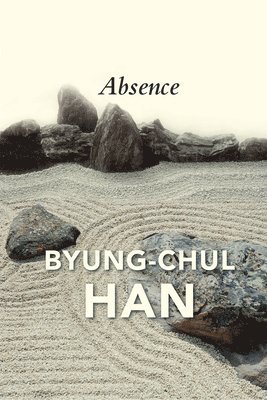
Absence
On the Culture and Philosophy of the Far East
Häftad, 2023
184 kr
Lägg i varukorg
Western thinking has long been dominated by essence, by a preoccupation with that which dwells in itself and delimits itself from the other. By contrast, Far Eastern thought is centred not on essence but on absence. The fundamental topos of Far Eastern thinking is not being but ‘the way’ (dao), …
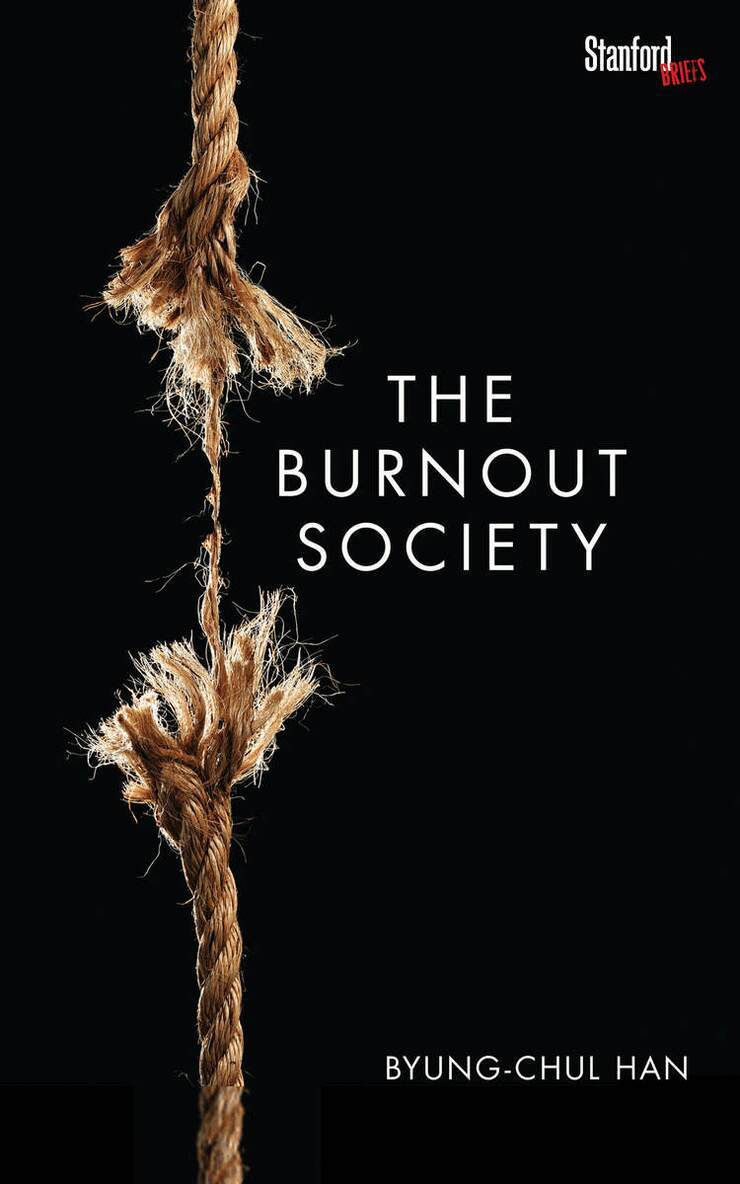
Burnout Society
E-bok, 2015
127 kr
Lägg i varukorg
Our competitive, service-oriented societies are taking a toll on the late-modern individual. Rather than improving life, multitasking, "user-friendly" technology, and the culture of convenience are producing disorders that range from depression to attention deficit disorder to borderline …
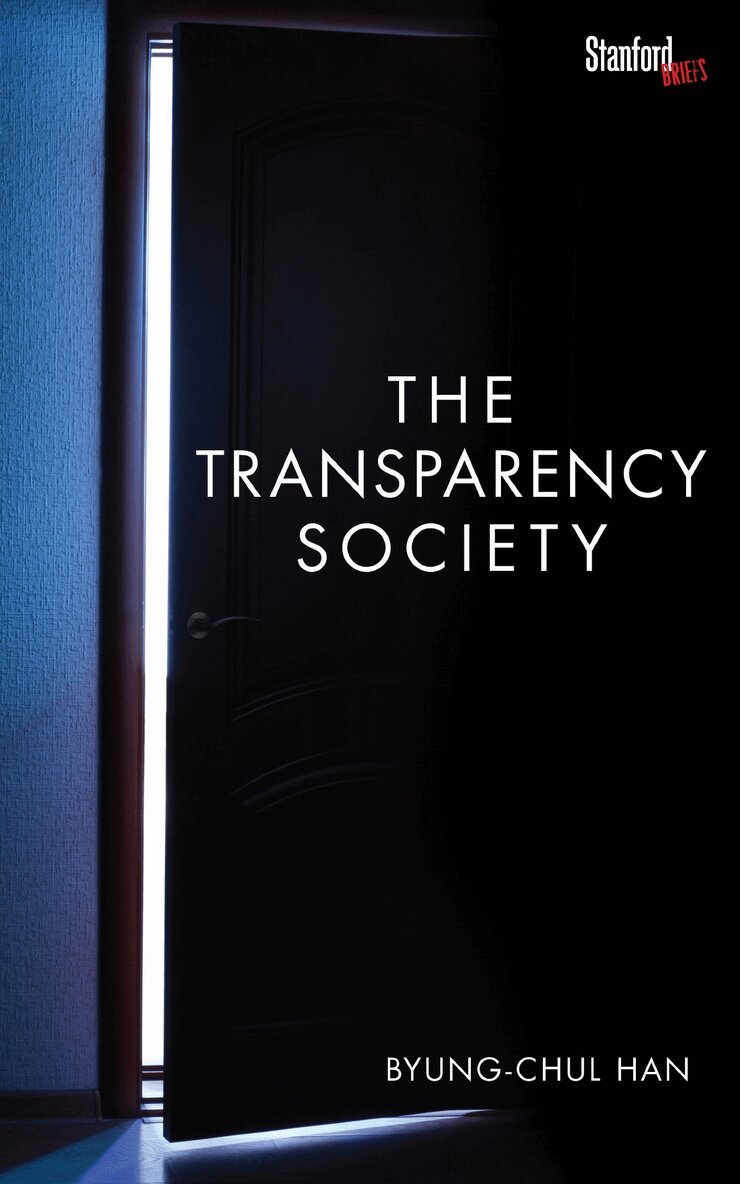
Transparency Society
Häftad, 2015
180 kr
Lägg i varukorg
Transparency is the order of the day. It is a term, a slogan, that dominates public discourse about corruption and freedom of information. Considered crucial to democracy, it touches our political and economic lives as well as our private lives. Anyone can obtain information about anything. …
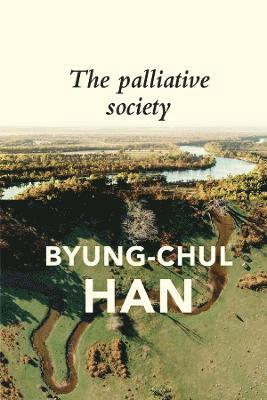
Palliative Society
Pain Today
Häftad, 2021
189 kr
Lägg i varukorg
Our societies today are characterized by a universal algophobia: a generalized fear of pain. We strive to avoid all painful conditions – even the pain of love is treated as suspect. This algophobia extends into society: less and less space is given to conflicts and controversies that might prompt …
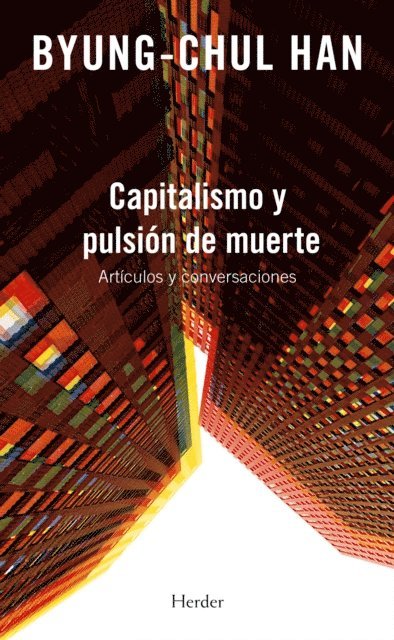
Capitalismo y pulsión de muerte
Artículos y conversaciones
E-bok, 2022
91 kr
Lägg i varukorg
Lo que hoy llamamos «crecimiento» es en realidad la consecuencia de un aumento excesivo de carcinomas que destruyen el organismo social. Estos tumores metastatizan sin cesar y se multiplican con una vitalidad inexplicable y mortal. En cierto momento, este crecimiento ya no es productivo, sino …
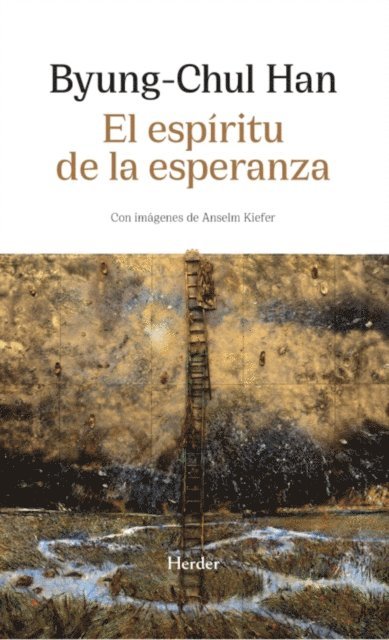
El espíritu de la esperanza
E-bok, 2024
113 kr
Lägg i varukorg
De la desesperación más profunda nace también la esperanza más íntima. La esperanza nos lanza hacia lo desconocido, nos pone camino de lo nuevo, de lo que jamás ha existido.Guerras, migraciones masivas, atentados, catástrofes climáticas, crisis y pandemias: escenarios apocalípticos muy diversos nos …
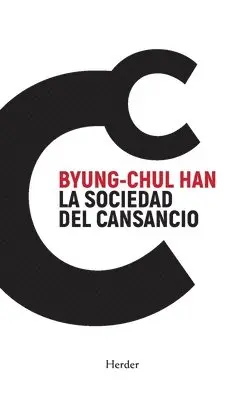
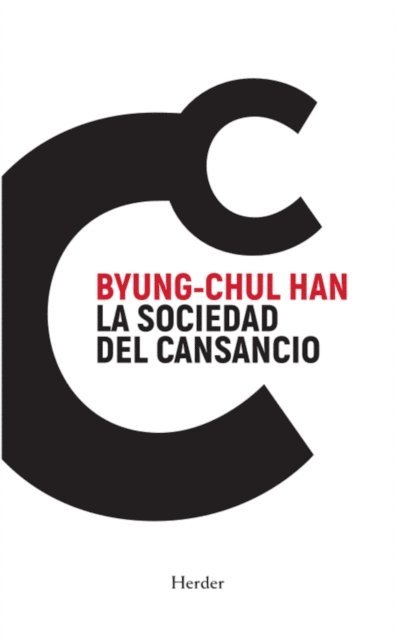
La sociedad del cansancio
Cuarta Edición Especial
E-bok, 2024
91 kr
Lägg i varukorg
«La sociedad del cansancio» puede considerarse una de las obras más emblemáticas de Byung-Chul Han. En ella, con una visión casi profética, se presentan los grandes temas que el filósofo surcoreano desarrollaría luego durante más de una década, alcanzando celebridad mundial. En conmemoración de …
Psicopolítica
Neoliberalismo y nuevas técnicas de poder
E-bok, 2014
5,0 utav 5 stjärnor. Totalt antal röster: (1)
79 kr
Lägg i varukorg
El filósofo Byung-Chul Han dirige ahora su mirada crítica hacia las nuevas técnicas de poder del capitalismo neoliberal, que dan acceso a la esfera de la psique, convirtiéndola en su mayor fuerza de producción. La psicopolítica es, según Han, aquel sistema de dominación que, en lugar de emplear el …