Caitlin C. Gillespie - Böcker
Visar alla böcker från författaren Caitlin C. Gillespie. Handla med fri frakt och snabb leverans.
3 produkter
3 produkter
1 320 kr
Skickas inom 5-8 vardagar
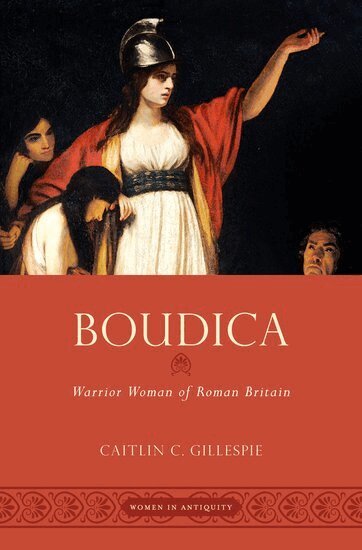
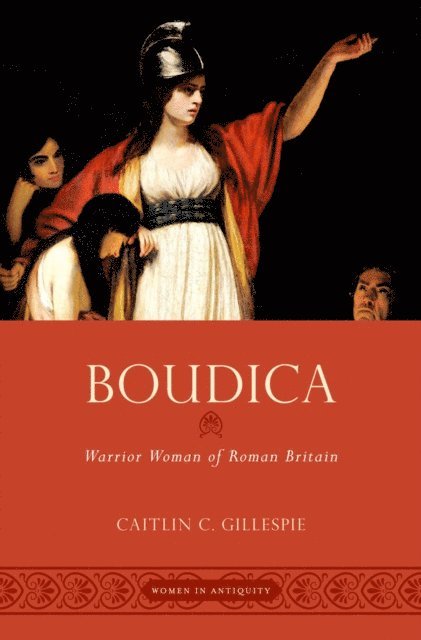
In AD 60/61, Rome almost lost the province of Britain to a woman. Boudica, wife of the client king Prasutagus, fomented a rebellion that proved catastrophic for Camulodunum (Colchester), Londinium (London), and Verulamium (St Albans), destroyed part of a Roman legion, and caused the deaths of an untold number of veterans, families, soldiers, and Britons. Yet with one decisive defeat, her vision of freedom was destroyed, and the Iceni never rose again. Boudica: Warrior Woman of Roman Britain introduces readers to the life and literary importance of Boudica through juxtaposing her different literary characterizations with those of other women and rebel leaders. This study focuses on our earliest literary evidence, the accounts of Tacitus and Cassius Dio, and investigates their narratives alongside material evidence of late Iron Age and early Roman Britain. Throughout the book, Caitlin Gillespie draws comparative sketches between Boudica and the positive and negative examples with which readers associate her, including the prophetess Veleda, the client queen Cartimandua, and the rebel Caratacus. Literary comparisons assist in the understanding of Boudica as a barbarian, queen, mother, commander in war, and leader of revolt. Within the ancient texts, Boudica is also used as an internal commentator on the failures of the emperor Nero, and her revolt epitomizes ongoing conflicts of gender and power at the end of the Juilio-Claudian era. Both literary and archaeological sources point towards broader issues inherent in the clash between Roman and native cultures. Boudica's unique ability to unify disparate groups of Britons cemented her place in the history of Roman Britain. While details of her life remain elusive, her literary character still has more to say.
316 kr
Kommande
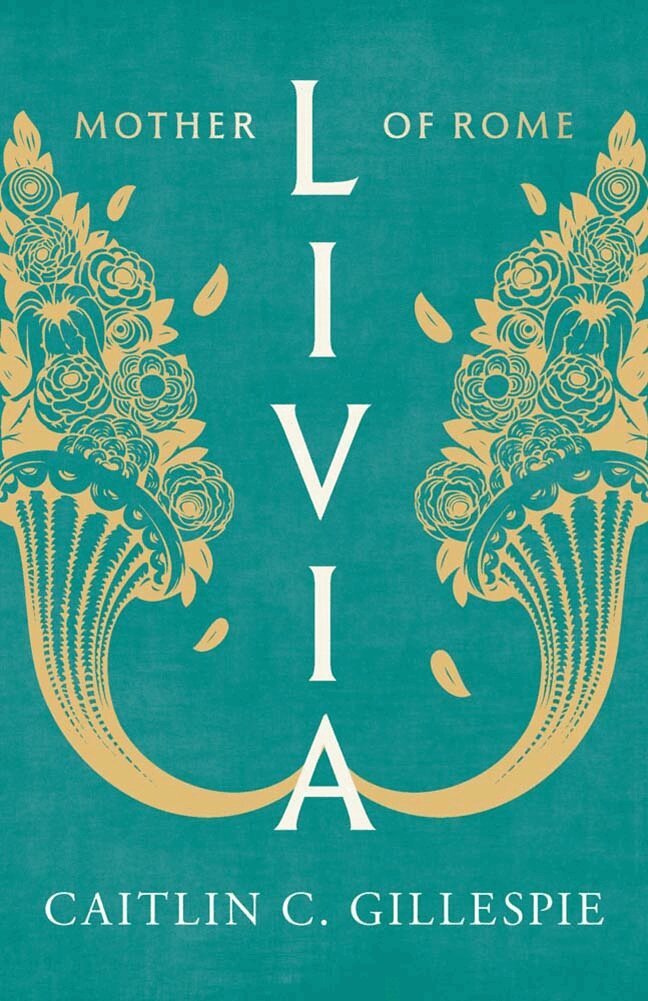
A bold new portrait of Livia, ancient Rome’s first First Lady, who shaped the empire from behind the throne Livia was no ordinary Roman woman. As wife of Augustus and mother of Tiberius—the first and second Roman emperors—she stood at the heart of the first imperial dynasty, wielding extraordinary influence in a world that denied women formal power. In this vivid biography, Caitlin C. Gillespie reclaims Livia (58 BCE–29 CE) from centuries of scandal and rumored villainy, tracing her journey from elite birth and early traumatic exile through her rise to wealth and influence as the matriarch of the imperial household, the Domus Augusta. Drawing on literary and archaeological sources, Gillespie explores Livia’s inner life through her personal losses, including the death of her son Drusus; her political savvy; and her later life as Julia Augusta, high priestess of Augustus’s divine cult. Though she never held an official political position, Livia emerges as a complex figure whose story of ambition, resilience, and maternal power resonates over millennia, captivating audiences from antiquity through today.
622 kr
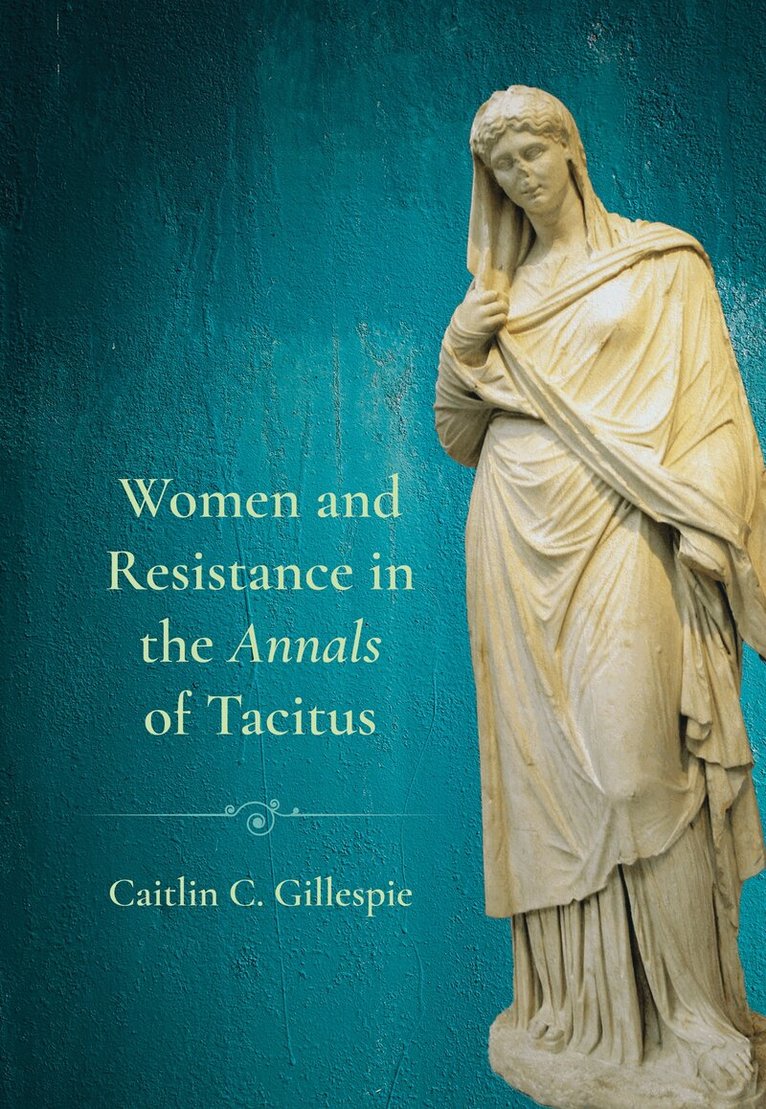
Skickas inom 10-15 vardagar
Women and Resistance in the Annals of Tacitus explores how Tacitus often represents a Roman woman's relationship to the imperial household and its members as one of resistance. Throughout his Annals, women discover ways to resist without relying on traditional forms of power. Women engage in political protests, legal disputes, public processions, and subversive religious rituals. They demonstrate resistance in acts of mourning and commemoration and overturn gender stereotypes by enduring pain and displaying courage in death. Tacitus illustrates how women's public movements, rituals, suicides, and survivals become sites of resistance and opportunities for civic engagement open to women.Caitlin C. Gillespie situates nonimperial Roman women at the fore, reading them in comparison with Tacitus's narratives of imperial women and hierarchies of power. With this new analytical approach, stereotypes against women are variously confirmed or denied, challenged or evoked as evidence, or employed as a means of attack or defense. Women emerge to claim agency over their bodies, reputations, and actions, and though a vulnerable population, refuse to be passive victims of their circumstances.