Caleb Kelly - Böcker
Visar alla böcker från författaren Caleb Kelly. Handla med fri frakt och snabb leverans.
5 produkter
5 produkter
420 kr
Skickas inom 10-15 vardagar
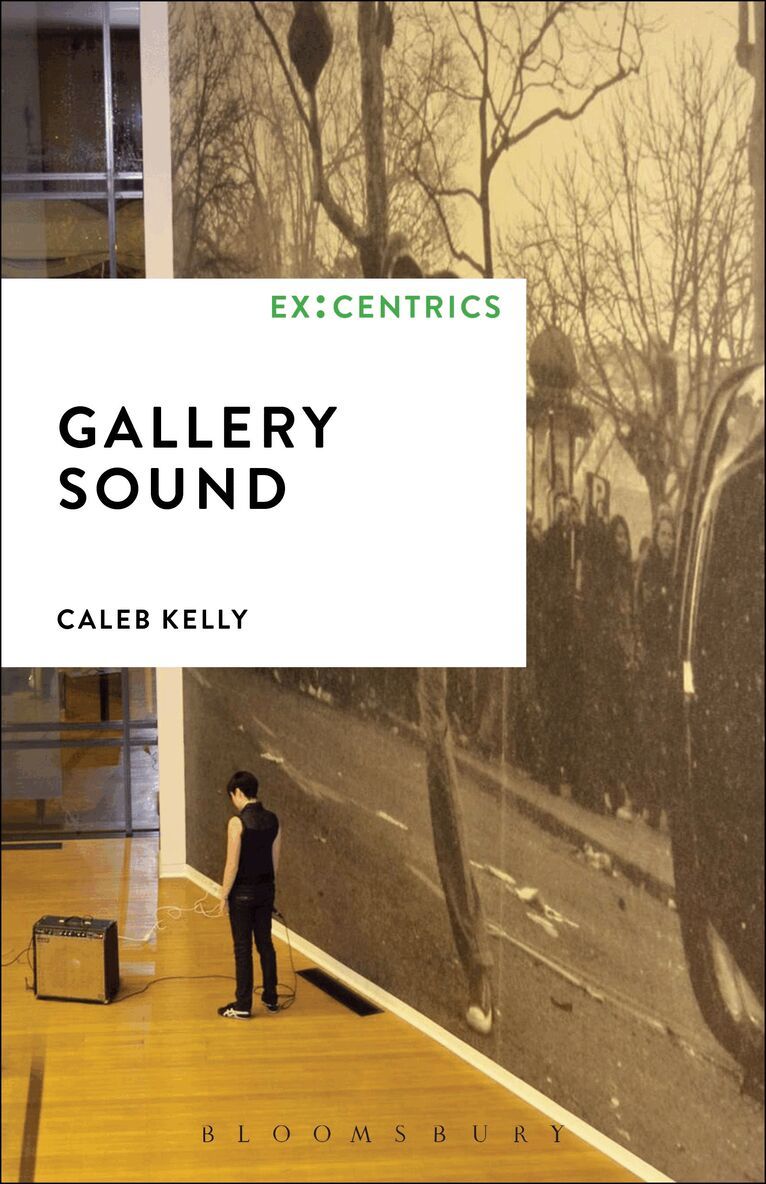
Sound is an integral part of contemporary art. Once understood to be a marginal practice, increasingly we encounter sound in art exhibitions through an array of sound making works in various art forms, at times played to very high audio levels. However, works of art are far from the only thing one might hear: music performances, floor talks, exhibition openings and the noisy background sounds that emanate from the gallery café fill contemporary exhibition environments. Far from being hallowed spaces of quiet reflection, what this means is that galleries have swiftly become very noisy places. As such, a straightforward consideration of artworks alone can then no longer account for our experiences of art galleries and museums. To date there has been minimal scholarship directed towards the intricacies of our experiences of sound that occur within the bounds of this purportedly ‘visual’ art space. Kelly addresses this gap in knowledge through the examination of historical and contemporary sound in gallery environments, broadening our understanding of artists who work with sound, the institutions that exhibit these works, and the audiences that visit them. Gallery Sound argues for the importance of all of the sounds to be heard within the walls of art spaces, and in doing so listens not only to the deliberate inclusion of sound within the art gallery in the form of artworks, performances, and music, but also to its incidental sounds, such as their ambient sounds and the noise generated by audiences. More than this, however, Gallery Sound turns its attention to the ways in which the acoustic characteristics specific to gallery spaces have been mined by artists for creative outputs, ushering in entirely new art forms.
1 383 kr
Skickas inom 10-15 vardagar
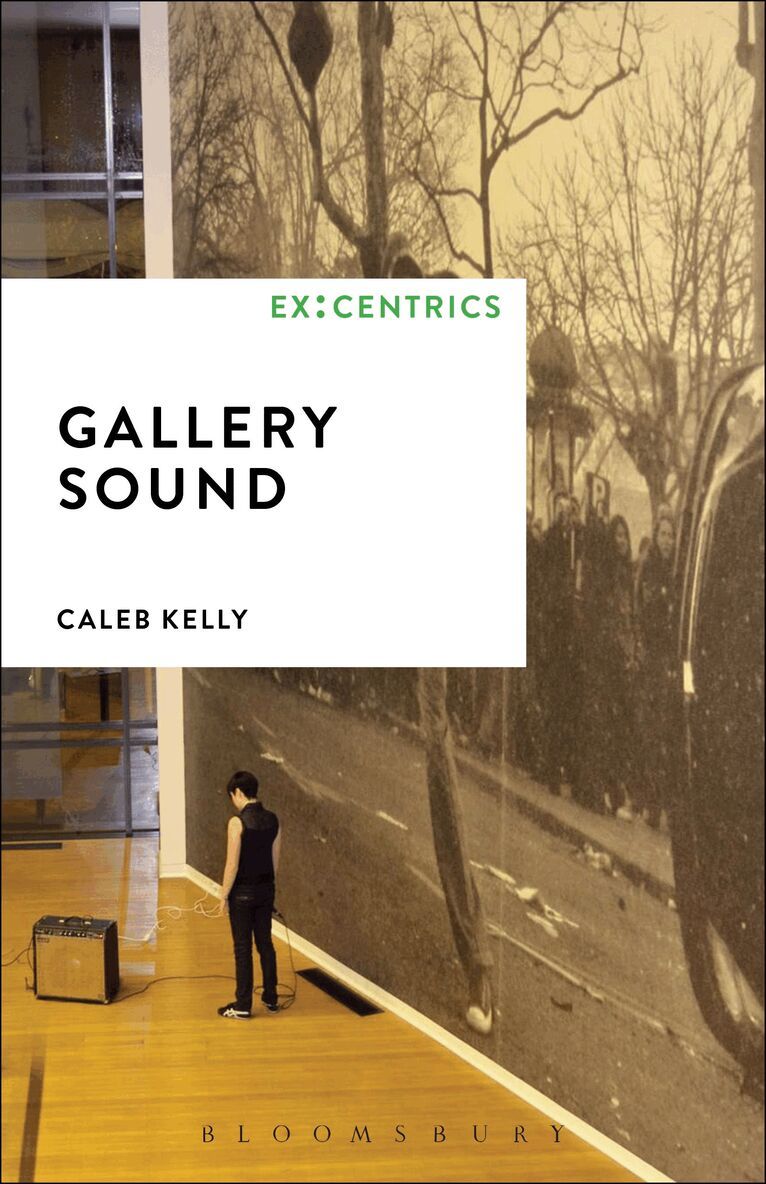
Sound is an integral part of contemporary art. Once understood to be a marginal practice, increasingly we encounter sound in art exhibitions through an array of sound making works in various art forms, at times played to very high audio levels. However, works of art are far from the only thing one might hear: music performances, floor talks, exhibition openings and the noisy background sounds that emanate from the gallery café fill contemporary exhibition environments. Far from being hallowed spaces of quiet reflection, what this means is that galleries have swiftly become very noisy places. As such, a straightforward consideration of artworks alone can then no longer account for our experiences of art galleries and museums. To date there has been minimal scholarship directed towards the intricacies of our experiences of sound that occur within the bounds of this purportedly ‘visual’ art space. Kelly addresses this gap in knowledge through the examination of historical and contemporary sound in gallery environments, broadening our understanding of artists who work with sound, the institutions that exhibit these works, and the audiences that visit them. Gallery Sound argues for the importance of all of the sounds to be heard within the walls of art spaces, and in doing so listens not only to the deliberate inclusion of sound within the art gallery in the form of artworks, performances, and music, but also to its incidental sounds, such as their ambient sounds and the noise generated by audiences. More than this, however, Gallery Sound turns its attention to the ways in which the acoustic characteristics specific to gallery spaces have been mined by artists for creative outputs, ushering in entirely new art forms.
408 kr
Skickas inom 10-15 vardagar
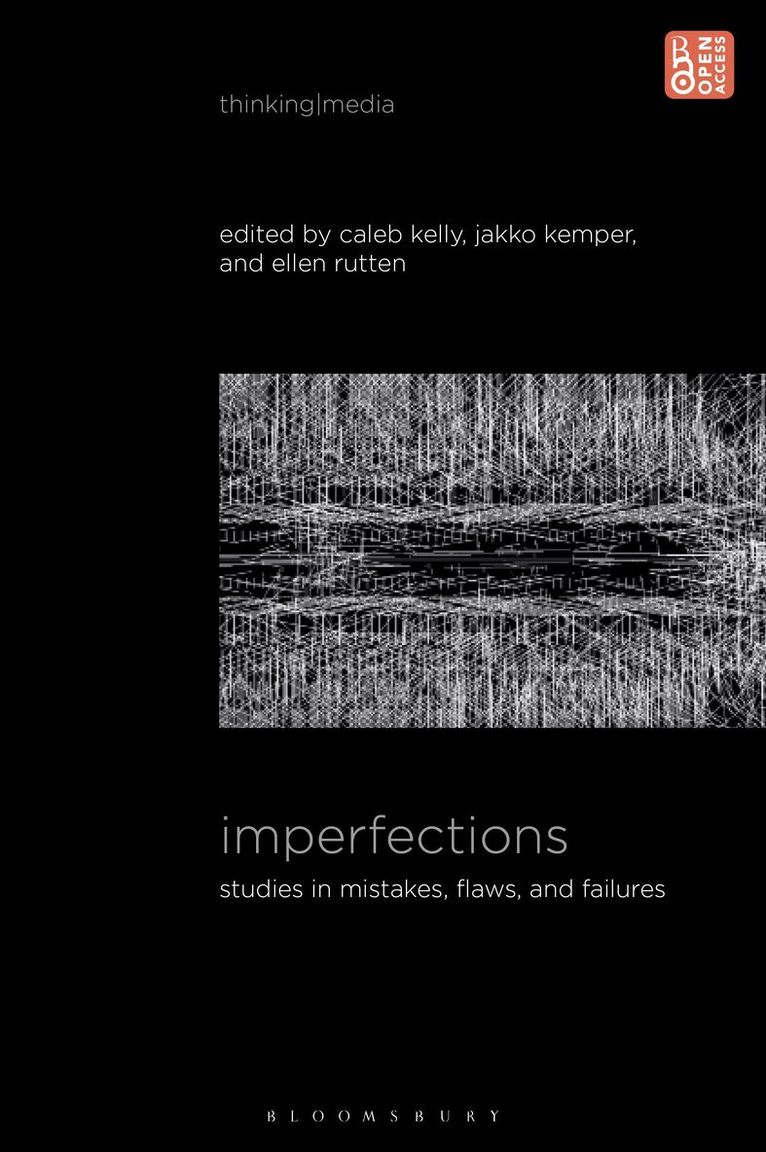
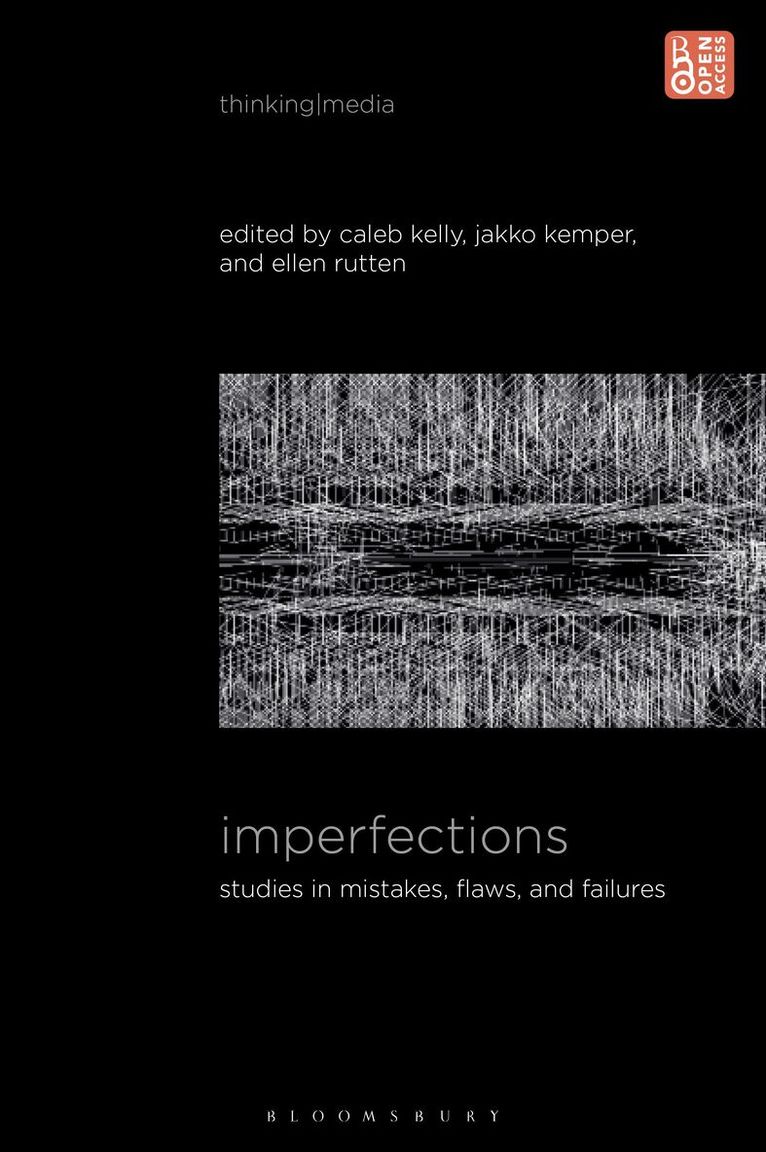
This open access book synthesizes the swiftly growing critical scholarship on mistakes, glitches, and other aesthetics and logics of imperfection into the first transdisciplinary, transnational framework of imperfection studies.In recent years, the trend to present the notion of imperfection as a plus rather than a problem has resonated across a range of social and creative disciplines and a wealth of world localities. As digital tools allow media users to share ever more suave selfies and success stories, psychologists promote 'the gifts of imperfections' and point to perfectionism as a catalyst for rising depression and burnout complaints and suicide rates among millennials. As sound technologies increasingly permit musicians to 'smoothen' their work, composers increasingly praise glitches, noise, and cracks. As genetic engineering upgrades with swift speed, philosophers, marketeers, and physicians plea 'against perfection' and supermarkets successfully advertise 'perfectly imperfect' vegetables. Meanwhile, cultural analysts point at skewed perspectives, blurry images, and other 'deliberate imperfections' in new and historical cinema, painting, photography, music, and literature. While these and other experts applaud imperfection, scholars in fields ranging from disability studies to tourism critically interrogate a trend to fetishize imperfection and poverty. They rightfully warn against projecting privileged (and, often, emphatically western-biased) feel-good stories onto the less privileged, the distorted, and the frail.The editors unite the different strands in imperfection thinking across various disciplines tools. In fourteen chapters by experts from different world localities, they offer scholars and students more historically grounded and more critically informed conceptualizations of the imperfect.The ebook editions of this book are available on www.bloomsburycollections.com. Open access was funded by the Netherlands Scientific Organization.
1 476 kr
Skickas inom 10-15 vardagar
This open access book synthesizes the swiftly growing critical scholarship on mistakes, glitches, and other aesthetics and logics of imperfection into the first transdisciplinary, transnational framework of imperfection studies.In recent years, the trend to present the notion of imperfection as a plus rather than a problem has resonated across a range of social and creative disciplines and a wealth of world localities. As digital tools allow media users to share ever more suave selfies and success stories, psychologists promote 'the gifts of imperfections' and point to perfectionism as a catalyst for rising depression and burnout complaints and suicide rates among millennials. As sound technologies increasingly permit musicians to 'smoothen' their work, composers increasingly praise glitches, noise, and cracks. As genetic engineering upgrades with swift speed, philosophers, marketeers, and physicians plea 'against perfection' and supermarkets successfully advertise 'perfectly imperfect' vegetables. Meanwhile, cultural analysts point at skewed perspectives, blurry images, and other 'deliberate imperfections' in new and historical cinema, painting, photography, music, and literature. While these and other experts applaud imperfection, scholars in fields ranging from disability studies to tourism critically interrogate a trend to fetishize imperfection and poverty. They rightfully warn against projecting privileged (and, often, emphatically western-biased) feel-good stories onto the less privileged, the distorted, and the frail.The editors unite the different strands in imperfection thinking across various disciplines tools. In fourteen chapters by experts from different world localities, they offer scholars and students more historically grounded and more critically informed conceptualizations of the imperfect.The ebook editions of this book are available on www.bloomsburycollections.com. Open access was funded by the Netherlands Scientific Organization.
432 kr
Kommande