
Cameron Giles - Böcker
Visar alla böcker från författaren Cameron Giles. Handla med fri frakt och snabb leverans.
2 produkter
2 produkter
541 kr
Skickas
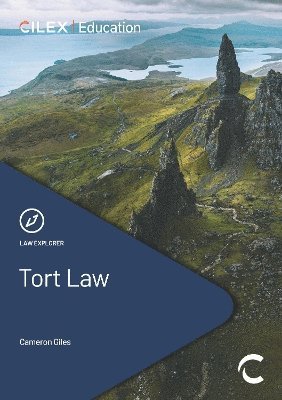
Tort Law is written to guide students through the key areasof this important topic. Chapter 1 begins with an outline of Tort Law'shistorical development. It includes an introduction to the key torts, as wellas an explanation of their relevance to the civil justice system. Chapter 2discusses the various types of trespass and nuisance, including remedies. InChapter 3 the general principles of negligence are set out, including thecrucial concept of the duty of care. Chapter 4 discusses the standard of careand the circumstances in which the duty of care owed to the claimant may bebreached. In Chapter 5 factual and legal causation are discussed, together withthe key concept of reasonable foreseeability. Chapter 6 covers the defences tonegligence claims and the potential remedies for a successful claimant. InChapter 7 the potential liability of an occupier of land under the Occupiers'Liability Act 1957 and 1984 is reviewed. Chapter 8 covers the duties owed by anemployer and their potential liability, including for a breach of statutoryduty. In Chapter 9 the vicarious liability of an employer for torts committedby their employee is explained. Chapter 10 describes the tort of defamation(libel and slander), including defences and remedies. Finally, Chapter 11reviews the concept of harassment and various privacy torts.
541 kr
Skickas
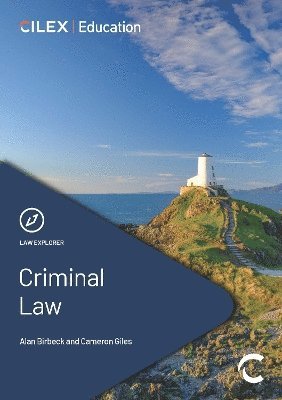
Criminal Law covers the key underpinning principles and most important offences and defences. Chapter 1 introduces criminal law, explaining its scope and its significance for society and politics. Chapter 2 explains key principles of criminal law and illustrates them with an example offence: criminal damage. In Chapter 3 the conduct element of offences (the actus reus) is described. Chapter 4 describes the mental element of offences (the mens rea). In Chapter 5 voluntary homicide is described, including murder and voluntary manslaughter (where a partial defence of loss of control or diminished responsibility is available). Chapter 6 covers involuntary manslaughter, including constructive act manslaughter and gross negligence manslaughter. Chapter 7 explains the different types of assault and related offences against the person, as well as the defence of consent. In Chapter 8 the key sexual offences of rape and sexual assault are explained, together with the significance of the potential defence of consent. Chapter 9 focusses on theft and other related property offences, including robbery and burglary. In Chapter 10 the offence of fraud and other related offences covered by the Fraud Act 2006 are explained. Chapter 11 explains the key drugs offences of possession and supply. In Chapter 12 a number of defences, where there is an absence of fault, are described including automatism, insanity and intoxication. Chapter 13 examines defences relation to justification, including self-defence, duress and necessity. Chapter 14 discusses offences relating to participation in a crime, including the concepts of the principal and the accessory. In Chapter 15 inchoate offences are described. These cover partial or incomplete offences. Finally, Chapter 16 introduces environmental crime.