Cameron Leader-Picone - Böcker
Visar alla böcker från författaren Cameron Leader-Picone. Handla med fri frakt och snabb leverans.
4 produkter
4 produkter
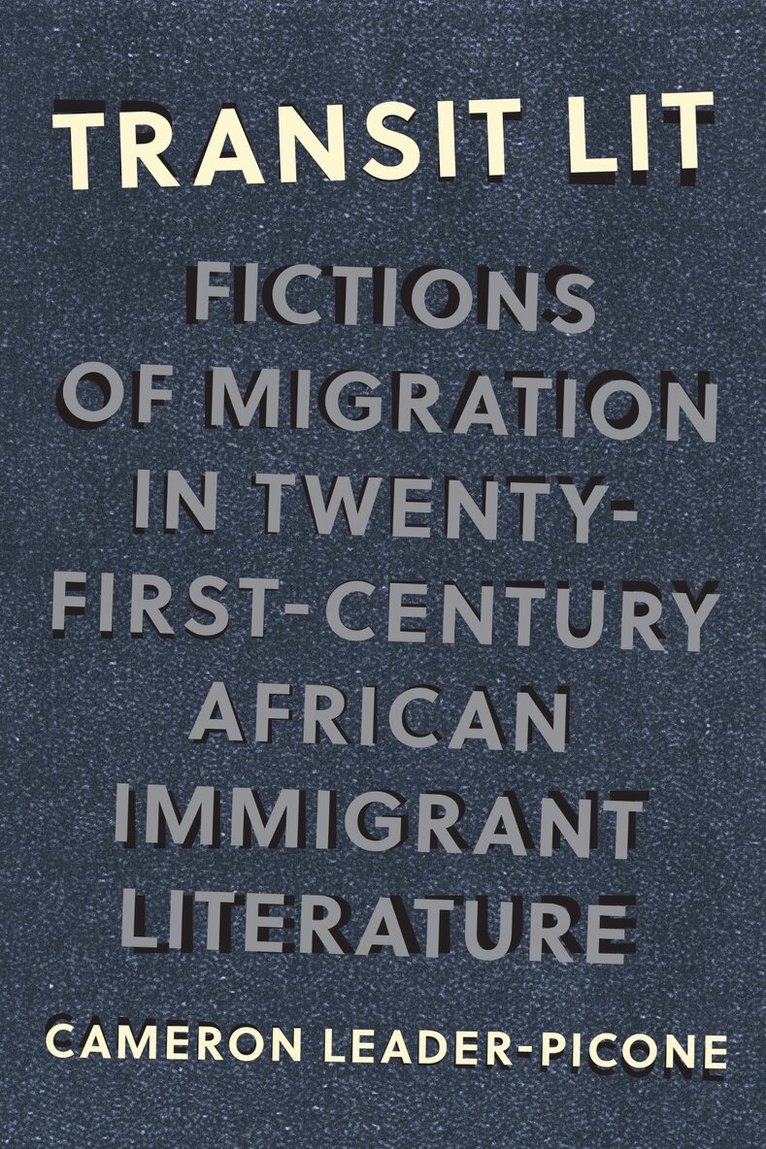
Transit Lit
Fictions of Migration in Twenty-First-Century African Immigrant Literature
Häftad, Engelska, 2025
416 kr
Skickas inom 7-10 vardagar
Explores new forms of cosmopolitan identity constructed in contemporary diasporic fictions The expanding number of migrants to the United States from continental Africa since the 1960s has led to a flourishing twenty-first-century literary corpus by immigrants and the children of immigrants. Transit Lit: Fictions of Migration in Twenty-First-Century African Immigrant Literature analyzes key works by African immigrant authors such as Chimamanda Ngozi Adichie, Teju Cole, and Yaa Gyasi to argue that such texts reveal the tensions between the authors' own cosmopolitan ideals and a necessary critique of how such ideals become co-opted and commodified within contemporary geopolitics. Cameron Leader-Picone offers a new conceptual framework for reading contemporary diasporic texts that do not fit easily into national or continental traditions or previous literary models. Instead, he argues for the need to embrace the overlapping instabilities - of meaning, identity, and citizenship - that characterize twenty-first-century diasporic movement in an interconnected world. These texts, and the constructions of identity that they trace, map the terrain of contemporary migration.
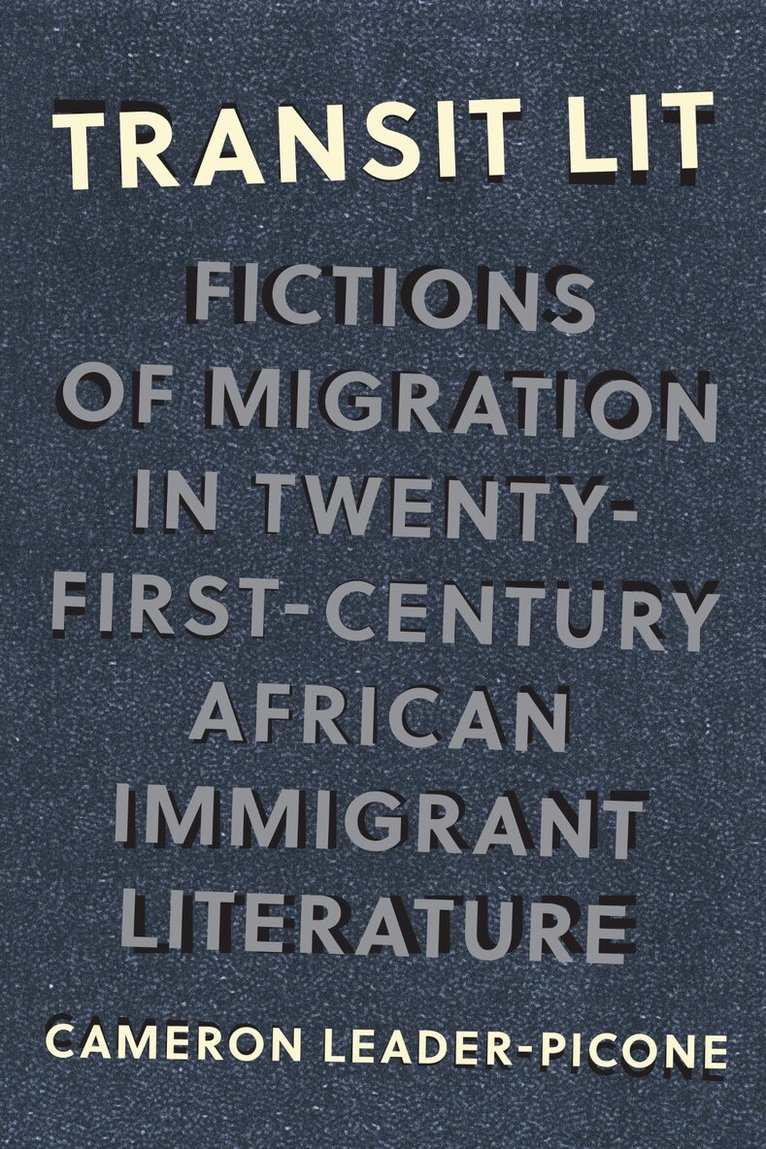
Transit Lit
Fictions of Migration in Twenty-First-Century African Immigrant Literature
Inbunden, Engelska, 2025
1 339 kr
Skickas inom 7-10 vardagar
Explores new forms of cosmopolitan identity constructed in contemporary diasporic fictions The expanding number of migrants to the United States from continental Africa since the 1960s has led to a flourishing twenty-first-century literary corpus by immigrants and the children of immigrants. Transit Lit: Fictions of Migration in Twenty-First-Century African Immigrant Literature analyzes key works by African immigrant authors such as Chimamanda Ngozi Adichie, Teju Cole, and Yaa Gyasi to argue that such texts reveal the tensions between the authors' own cosmopolitan ideals and a necessary critique of how such ideals become co-opted and commodified within contemporary geopolitics. Cameron Leader-Picone offers a new conceptual framework for reading contemporary diasporic texts that do not fit easily into national or continental traditions or previous literary models. Instead, he argues for the need to embrace the overlapping instabilities - of meaning, identity, and citizenship - that characterize twenty-first-century diasporic movement in an interconnected world. These texts, and the constructions of identity that they trace, map the terrain of contemporary migration.
1 358 kr
Skickas inom 10-15 vardagar
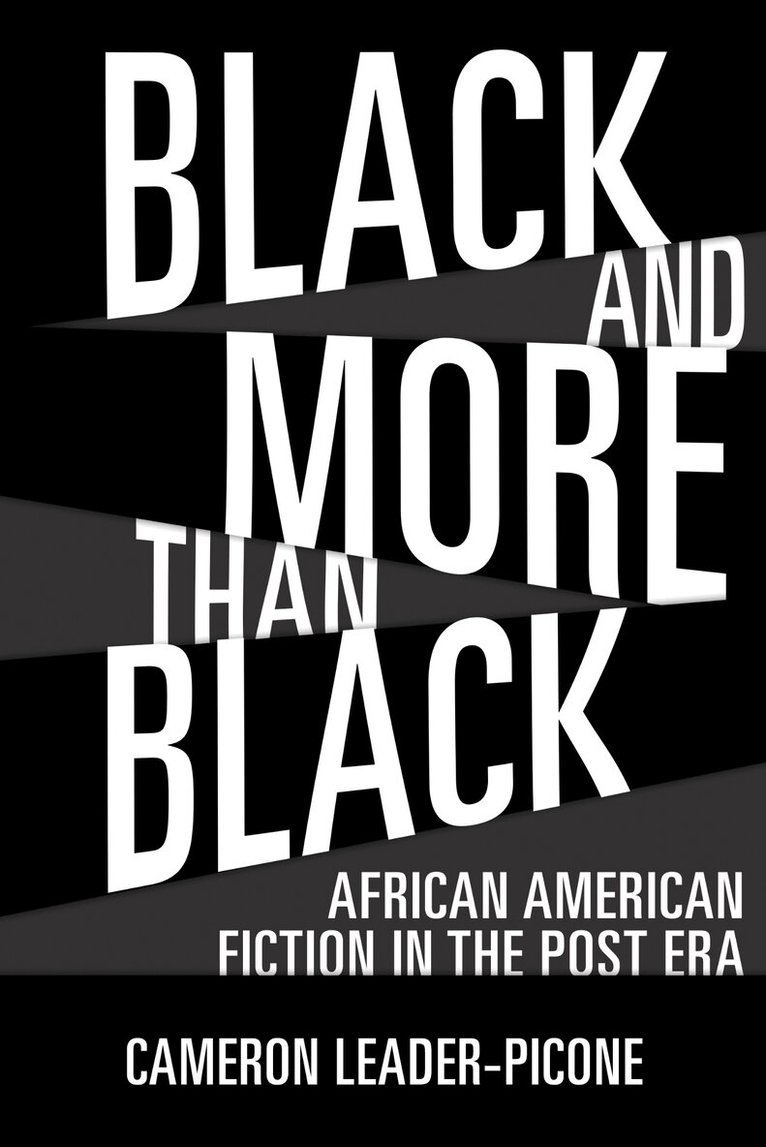
Post-Blackness. Post-Soul. Post-Black Art. New Blackness. How has the meaning of blackness changed in the twenty-first century? Cameron Leader-Picone suggests that this proliferation of terms, along with the renewed focus on questioning the relationship between individual black artists and the larger black community, indicates the arrival of novel forms of black identity and black art. Leader-Picone defines these terms as significant facets of a larger post era, linking them with the social and political context of Barack Obama’s presidency. Analyzing claims of progress associated with Obama’s election and post-era thinking, He examines the contours of black aesthetics in the new century.To do so, he sifts through post-era African American fiction, considering both celebrations and rejections of an early twenty-first-century rhetoric of progress. As well, he maps the subsequent implications of these concepts for rearticulating racial identities. Through the works of Colson Whitehead, Alice Randall, Chimamanda Ngozi Adichie, Paul Beatty, Kiese Laymon, and Jesmyn Ward, Leader-Picone tracks how recent fiction manifests the tension between the embrace of post–civil rights era gains and the recognition of persistent structural racism.Ultimately far less triumphal than the prefix post would imply, these authors address the Black Arts Movement and revise double consciousness and other key themes from the African American literary tradition. They interrogate their relevance in an era encompassing not only the election of the nation’s first black president, but also the government’s failed response to Hurricane Katrina, expanding class divisions within the black community, mass incarceration, and ongoing police violence.
422 kr
Skickas inom 10-15 vardagar
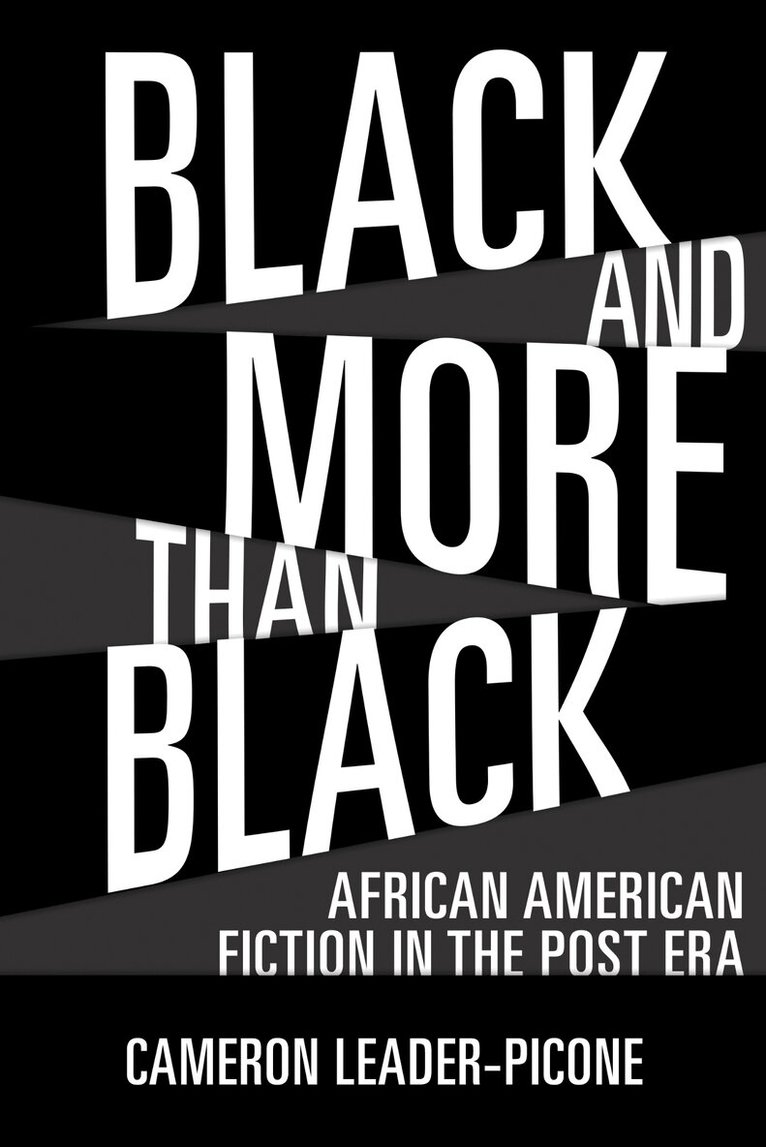
Post-Blackness. Post-Soul. Post-Black Art. New Blackness. How has the meaning of blackness changed in the twenty-first century? Cameron Leader-Picone suggests that this proliferation of terms, along with the renewed focus on questioning the relationship between individual black artists and the larger black community, indicates the arrival of novel forms of black identity and black art. Leader-Picone defines these terms as significant facets of a larger post era, linking them with the social and political context of Barack Obama’s presidency. Analyzing claims of progress associated with Obama’s election and post-era thinking, He examines the contours of black aesthetics in the new century.To do so, he sifts through post-era African American fiction, considering both celebrations and rejections of an early twenty-first-century rhetoric of progress. As well, he maps the subsequent implications of these concepts for rearticulating racial identities. Through the works of Colson Whitehead, Alice Randall, Chimamanda Ngozi Adichie, Paul Beatty, Kiese Laymon, and Jesmyn Ward, Leader-Picone tracks how recent fiction manifests the tension between the embrace of post–civil rights era gains and the recognition of persistent structural racism.Ultimately far less triumphal than the prefix post would imply, these authors address the Black Arts Movement and revise double consciousness and other key themes from the African American literary tradition. They interrogate their relevance in an era encompassing not only the election of the nation’s first black president, but also the government’s failed response to Hurricane Katrina, expanding class divisions within the black community, mass incarceration, and ongoing police violence.