Camilla Stevens - Böcker
Visar alla böcker från författaren Camilla Stevens. Handla med fri frakt och snabb leverans.
3 produkter
3 produkter
686 kr
Skickas inom 7-10 vardagar
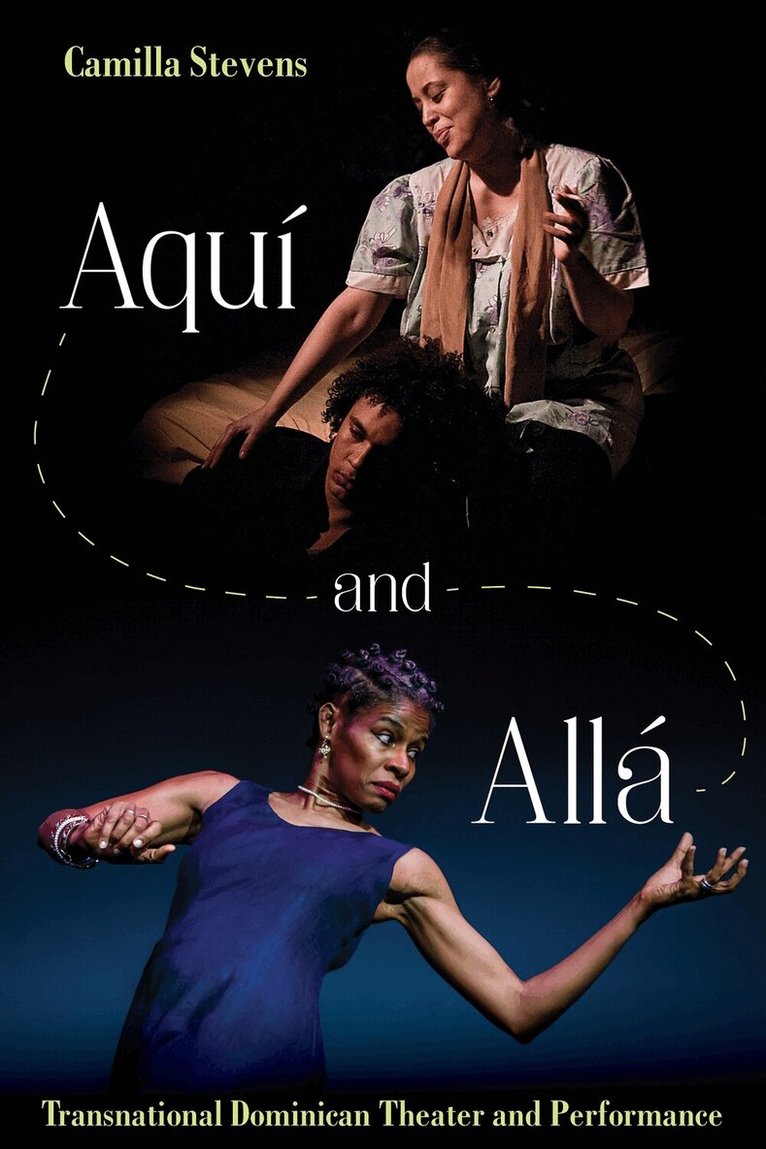
Aquí and Allá: Transnational Dominican Theater and Performance explores how contemporary Dominican theater and performance artists portray a sense of collective belonging shaped by the transnational connections between the homeland and the diaspora. Through close readings of plays and performances produced in the Dominican Republic and the United States in dialogue with theories of theater and performance, migration theory, and literary, cultural, and historical studies, this book situates theater and performance in debates on Dominican history and culture and the impact of migration on the changing character of national identity from end of the twentieth century to the present. By addressing local audiences of island-based and diasporic Dominicans with stories of characters who are shaped by both places, the theatrical performances analyzed in this book operate as a democratizing force on conceptions of Dominican identity and challenge assumptions about citizenship and national belonging. Likewise, the artists’ bi-national perspectives and work methods challenge the paradigms that have traditionally framed Latin(o) American theater studies.
152 kr
Skickas inom 5-8 vardagar
1 736 kr
Skickas inom 10-15 vardagar
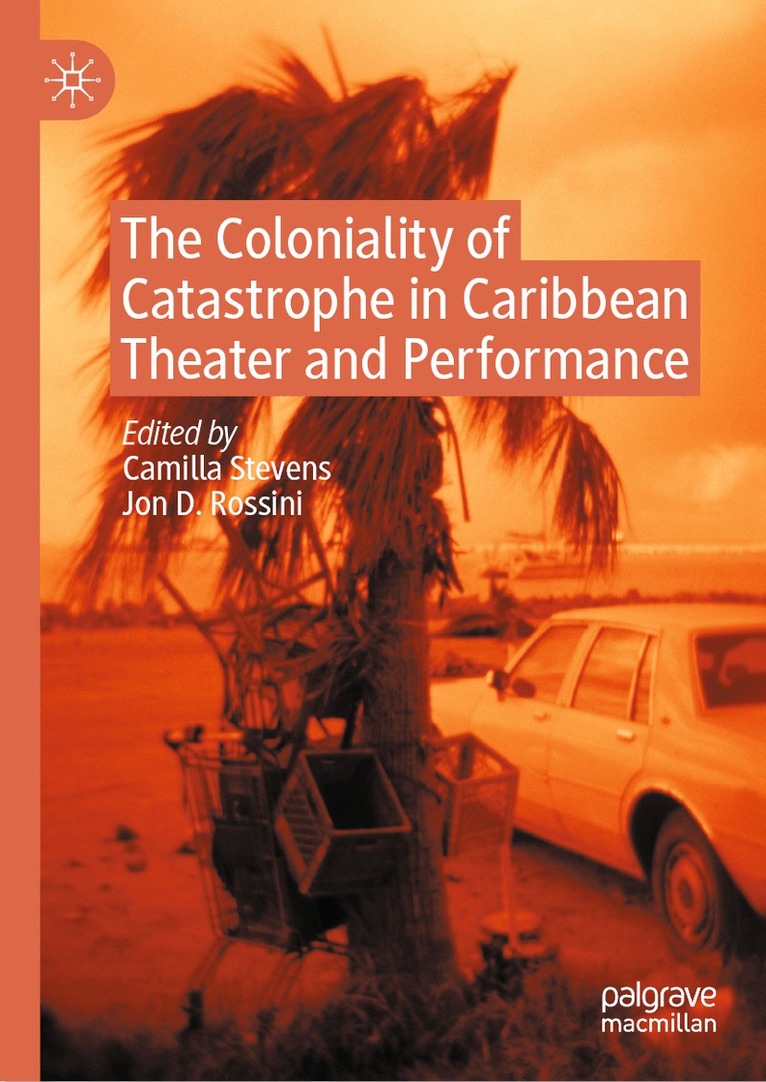
The Coloniality of Catastrophe in Caribbean Theater and Performance calls attention to theater’s capacity to reveal the constructed roots of catastrophe and offer counter catastrophic strategies to live and imagine otherwise. Engaging anglophone, francophone, and hispanophone theater from across the Caribbean and its diaspora, the 12 essays and one interview foster a pan-Caribbean view of theater, identifying shared tropes and theatrical strategies. Essays address a range of 20th and 21st century works that center the relentless cycle of “natural” disasters such as earthquakes, hurricanes, and floods as well as the catastrophic effects of continuing coloniality more broadly. In doing so, they unsettle the normalization of catastrophe. Exploring the power of theater’s situatedness, its iterative quality, and its special arrangement of time, these works remind us of the impact of embodied co-presence in the political realities of everyday life.