Candy Moulton – författare
Visar alla böcker från författaren Candy Moulton. Handla med fri frakt och snabb leverans.
11 produkter
11 produkter
144 kr
Skickas inom 5-8 vardagar
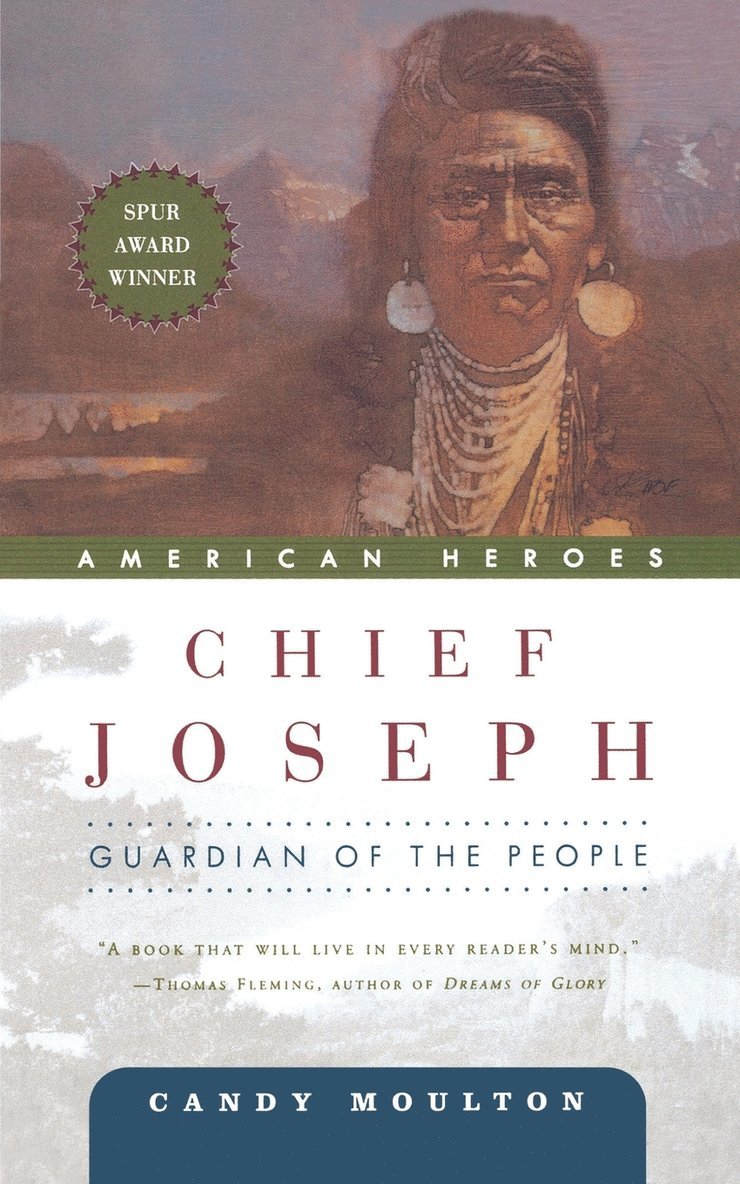
The Nez Pierce people lived in peace with white intruders in their homelands until 1863, when a treaty called for the tribe's removal to a reservation in Idaho. Chief Joseph (1840-1904), headman of the Nez Pierce band in northeastern Oregon's Wallowa Valley, became the greatest diplomat, philosopher, and - from necessity rather than choice - war leader of his people, and is among the most respected Indian leaders of American history.
251 kr
Skickas inom 10-15 vardagar
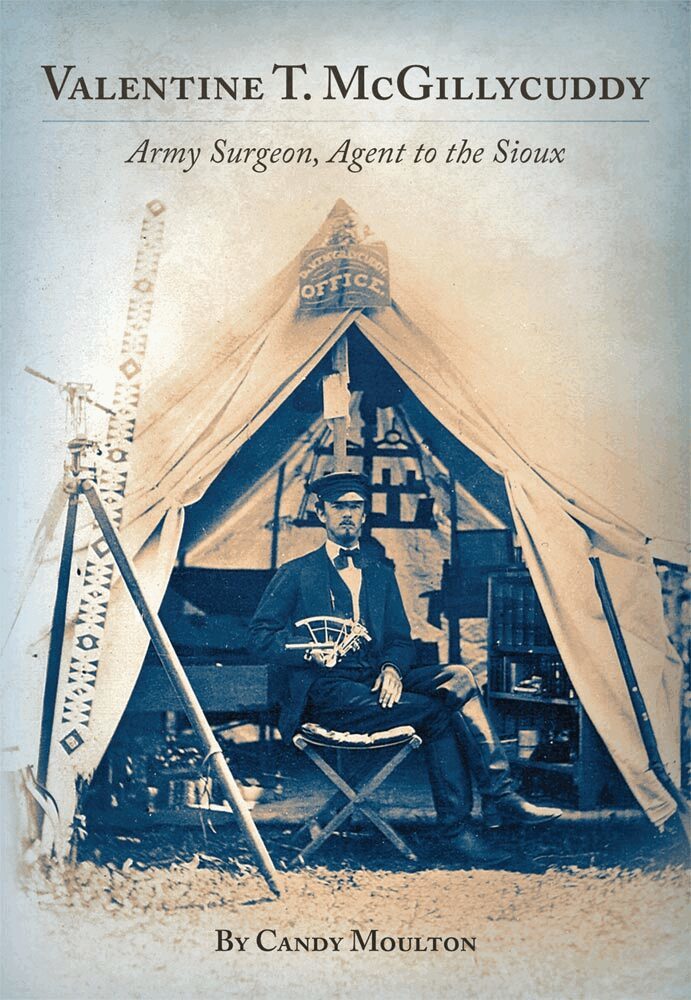
On a September day in 1877, hundreds of Sioux and soldiers at Camp Robinson crowded around a fatally injured Lakota leader. A young doctor forced his way through the crowd, only to see the victim fading before him. It was the famed Crazy Horse. From intense moments like this to encounters with such legendary western figures as Calamity Jane and Red Cloud, Valentine Trant O'Connell McGillycuddy's life (1849-1939) encapsulated key events in American history that changed the lives of Native people forever. In Valentine T. McGillycuddy: Army Surgeon, Agent to the Sioux, the first biography of the man in seventy years, award-winning author Candy Moulton explores McGillycuddy's fascinating experiences on the northern plains as topographer, cartographer, physician, and Indian agent.Drawing on family papers, interviews, government documents, and a host of other sources, Moulton presents a colorful character - a thin, blue-eyed, cultured physician who could outdrink trail-hardened soldiers. In fresh, vivid prose, she traces McGillycuddy's work mapping out the U.S.-Canadian border; treating the wounded from the battles of the Rosebud, the Little Bighorn, and Slim Buttes; tending to Crazy Horse during his final hours; and serving as agent to the Sioux at Pine Ridge, where he clashed with Chief Red Cloud over the government's assimilation policies. Along the way, Moulton weaves in the perspective of McGillycuddy's devoted first wife, Fanny, who followed her husband west and wrote of the realities of camp life.McGillycuddy's doctoring of Crazy Horse marked only one point of his interaction with American Indians. But those relationships were also just one aspect of his life in the West, which extended well into the twentieth century. Enhanced by more than 20 photographs, this long-overdue biography offers general readers and historians an engaging adventure story as well as insight into a period of tumultuous change.
327 kr
Skickas inom 5-8 vardagar
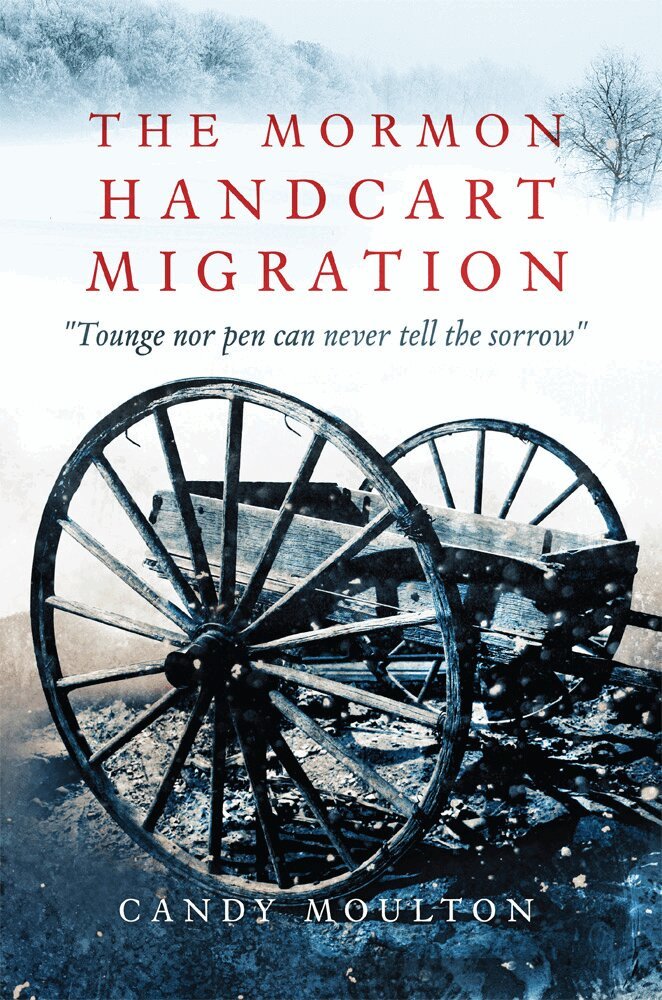
In 1856 the Church of Jesus Christ of Latter-day Saints employed a new means of getting converts to Great Salt Lake City who could not afford the journey otherwise. They began using handcarts, thus initiating a five-year experiment that has become a legend in the annals of Mormon and North American migration. Only one in ten Mormon emigrants used handcarts, but of those 3,000 who did between 1856 and 1860, most survived the harrowing journey to settle Utah and become members of a remarkable pioneer generation. Others were not so lucky. More than 200 died along the way, victims of exhaustion, accident, and, for a few, starvation and exposure to late-season Wyoming blizzards. Now, Candy Moulton tells of their successes, travails, and tragedies in an epic retelling of a legendary story.The Mormon Handcart Migration traces each stage of the journey, from the transatlantic voyage of newly converted church members to the gathering of the faithful in the eastern Nebraska encampment known as Winter Quarters. She then traces their trek from the western Great Plains, across modern-day Wyoming, to their final destination at Great Salt Lake. The handcart experiment was the brainchild of Mormon leader Brigham Young, who decreed that the saints could haul their own possessions, pushing or pulling two-wheeled carts across 1,100 miles of rough terrain, much of it roadless and some of it untrodden.The LDS church now embraces the saga of the handcart emigrants - including even the disaster that befell the Martin and Willie handcart companies in central Wyoming in 1856 - as an educational, faith-inspiring experience for thousands of youth each year. Moulton skillfully weaves together scores of firsthand accounts from the journals, letters, diaries, reminiscences, and autobiographies the handcart pioneers left behind. Depth of research and unprecedented detail make this volume an essential history of the Mormon handcart migration.
493 kr
Skickas inom 3-6 vardagar
287 kr
Skickas inom 3-6 vardagar
336 kr
Tillfälligt slut
270 kr
Skickas inom 3-6 vardagar
298 kr
Skickas inom 5-8 vardagar
290 kr
Skickas inom 3-6 vardagar
290 kr
Skickas inom 3-6 vardagar
217 kr
Skickas inom 3-6 vardagar
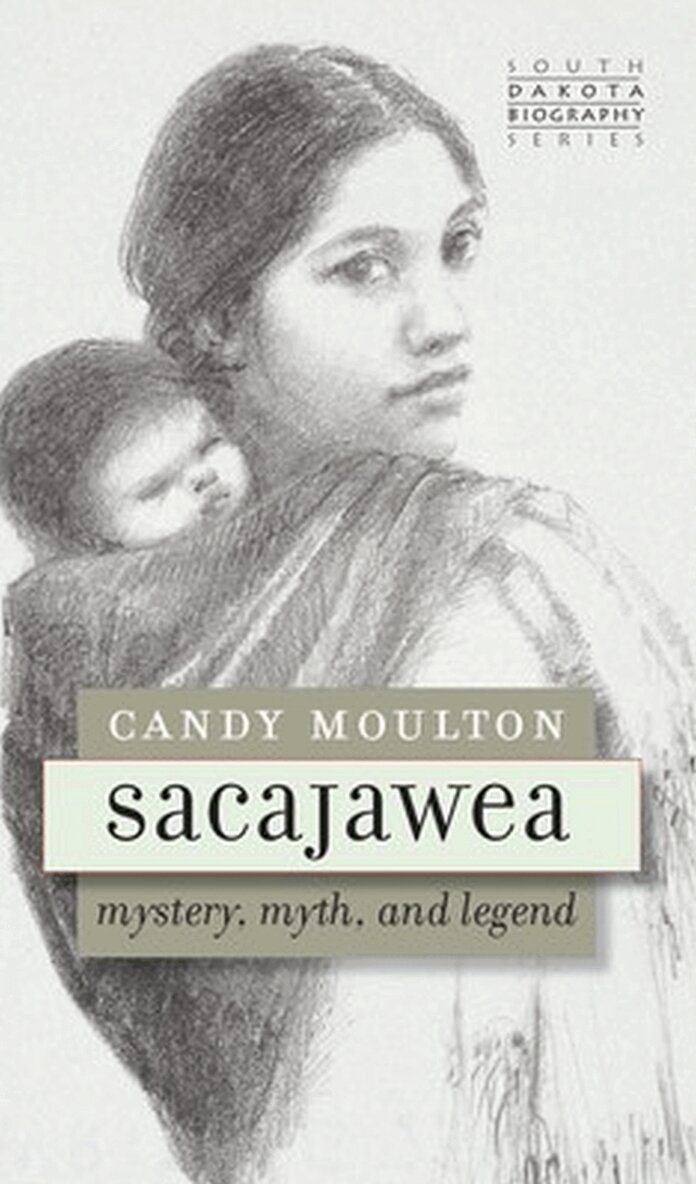
Mystery, myth, and legend surround Sacajawea, one of the few American Indian women whose name and singular significance have not been lost to history. Without Sacajawea's knowledge and assistance, the Corps of Discovery's venture to explore the furthest reaches of the 1803 Louisiana Purchase may well have failed.Sacajawea met Captains Meriwether Lewis and William Clark, leaders of the Corps of Discovery, at the Mandan winter village in late 1804. Their expedition to the Pacific would require Shoshone horses to cross the Rocky Mountains. They anticipated a need for Sacajawea's linguistic skills; she could translate Shoshone to Hidatsa for her husband Toussaint Charbonneau, who in turn could translate Hidatsa to French. When the Corps departed the Mandan village in April 1805, Sacajawea, Charbonneau, and their newborn son Jean-Baptiste accompanied them.Sacajawea's familiarity with the terrain and skills for living off the land became essential for the Corps' survival. Not only did her Shoshone language skills prove indispensable for the Corps, but a chance reunion with her brother secured an alliance resulting in horses, supplies, and a guide. Significantly, having a woman with a baby as part of their entourage made the Corps appear as peaceful explorers rather than hostile invaders. Sacajawea's myriad contributions thereby ensured the Corps' success in reaching the Pacific Ocean.In this new biography of Sacajawea, Candy Moulton reads between the lines of the journals and letters written by members of the Corps of Discovery to provide a fascinating portrait of the Shoshone woman who made possible the success of the venture. The author takes Sacajawea's story beyond the triumphant return of the Corps to St. Louis in 1806, following the lives of her son JeanBaptiste (b. 1805) and daughter Lizette (b. 1812). Moulton also examines the mystery of Sacajawea's death and the competing claims that surround it, which have added to the legendary status of this remarkable heroine.