Carl Tighe – Författare
Visar alla böcker från författaren Carl Tighe. Handla med fri frakt och snabb leverans.
5 produkter
5 produkter
2 176 kr
Skickas inom 10-15 vardagar
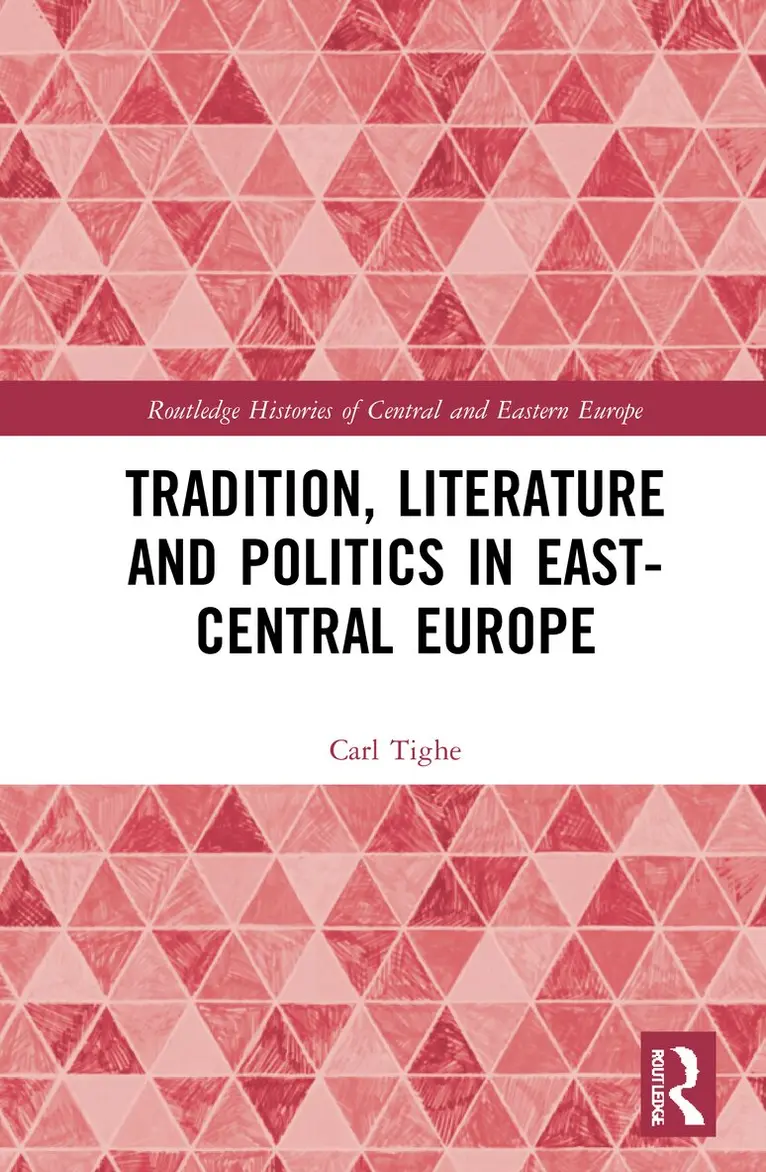
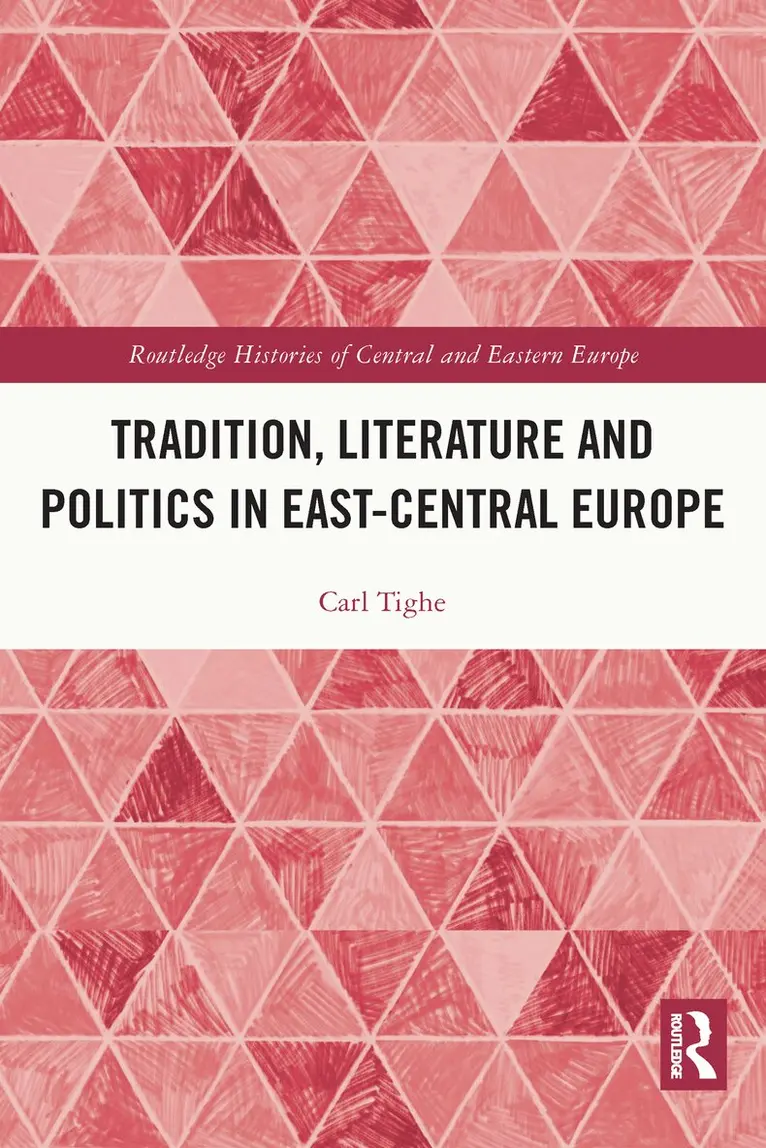
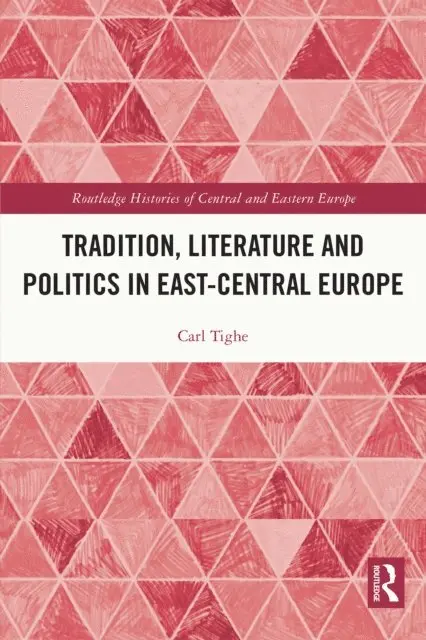
Milan Kundera warned that in in the states of East-Central Europe, attitudes to the west and the idea of ‘Europe’ were complex and could even be hostile. But few could have imagined how the collapse of communism and membership of the EU would confront these countries with a life that was suddenly and disconcertingly ‘modern’ and which challenged sustaining traditions in literature, culture, politics and established views on identity. Since the countries of East-Central Europe joined the European Union in 2004 the politicians and oppositionists of the centre-left, who once led the charge against communism, have often been forced to give way to right-wing, authoritarian, populist governments. These governments, while keen to accept EU finance, have been determined to present themselves as protecting their traditional ethno-national inheritance, resisting ‘foreign interference’, stemming the ‘gay invasion’, halting ‘Islamic replacement’ and reversing women’s rights. They have blamed Communists, liberals, foreigners, Jews and Gypsies, revised abortion laws, tampered with their constitutions to control the Justice system and taken over the media to an astonishing degree. By 2019, amid calls for the suspension of their voting rights, both Poland and Hungary had been taken to the European Court of Justice and the European Parliament and had begun to explore ways to put conditions on future EU funding. This book focuses on the interface between tradition, literature and politics in east-central Europe, focusing mainly on Poland but also Hungary and the Czech Republic. It explores literary tradition and the role of writers to ask why these left-liberals, who were once ubiquitous in the struggles with communism, are now marginalised, often reviled and almost entirely absent from political debate. It asks, in what ways the advent of capitalism ‘normalised’ literature and what the consequences might be? It asks whether the rise of chauvinism is ‘normal’ in this part of the world and whether the literary traditions that helped sustain independent political thought through the communist years now, instead of supporting literature, feed nationalist opinion and negative attitudes to the idea of ‘Europe’.
651 kr
Skickas inom 10-15 vardagar
Milan Kundera warned that in in the states of East-Central Europe, attitudes to the west and the idea of ‘Europe’ were complex and could even be hostile. But few could have imagined how the collapse of communism and membership of the EU would confront these countries with a life that was suddenly and disconcertingly ‘modern’ and which challenged sustaining traditions in literature, culture, politics and established views on identity. Since the countries of East-Central Europe joined the European Union in 2004 the politicians and oppositionists of the centre-left, who once led the charge against communism, have often been forced to give way to right-wing, authoritarian, populist governments. These governments, while keen to accept EU finance, have been determined to present themselves as protecting their traditional ethno-national inheritance, resisting ‘foreign interference’, stemming the ‘gay invasion’, halting ‘Islamic replacement’ and reversing women’s rights. They have blamed Communists, liberals, foreigners, Jews and Gypsies, revised abortion laws, tampered with their constitutions to control the Justice system and taken over the media to an astonishing degree. By 2019, amid calls for the suspension of their voting rights, both Poland and Hungary had been taken to the European Court of Justice and the European Parliament and had begun to explore ways to put conditions on future EU funding. This book focuses on the interface between tradition, literature and politics in east-central Europe, focusing mainly on Poland but also Hungary and the Czech Republic. It explores literary tradition and the role of writers to ask why these left-liberals, who were once ubiquitous in the struggles with communism, are now marginalised, often reviled and almost entirely absent from political debate. It asks, in what ways the advent of capitalism ‘normalised’ literature and what the consequences might be? It asks whether the rise of chauvinism is ‘normal’ in this part of the world and whether the literary traditions that helped sustain independent political thought through the communist years now, instead of supporting literature, feed nationalist opinion and negative attitudes to the idea of ‘Europe’.
2 166 kr
Skickas inom 7-10 vardagar
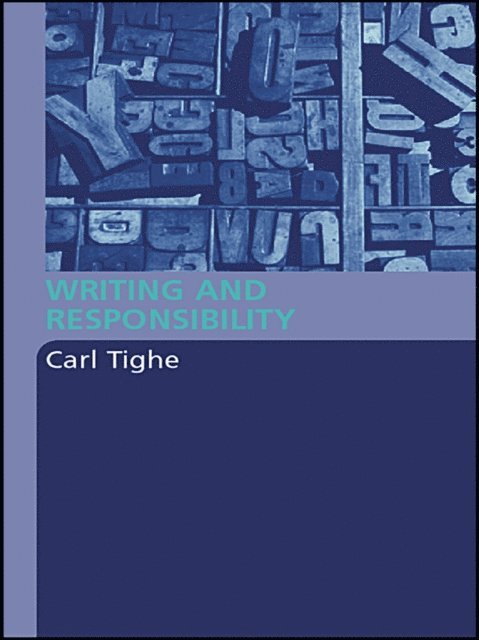
In a world where literary scandals often end up in court, the issue of responsibility in writing has never been more important. In this groundbreaking study, Carl Tighe asks the questions every writer needs to consider:*What is it that writers do? Are they responsible for all the uses to which their writing might be put? Or no more responsible than their readers?*How are a writer's responsibilities compromised or defined by commercial or political pressures, or by notions of tradition or originality?*How does a writer's audience affect their responsibilities? Are these the same for writers in all parts of the world, under all political and social systems?The first part of this book defines responsibility and looks at its relation to ideas such as power, accuracy, kitsch and political correctness. The second part examines how particular writers have dealt with these issues through a series of often-controversial case studies, including American Psycho, Crash and The Tin Drum.Writing and Responsibility encourages its readers to interrogate the choices they make as writers. A fascinating look at the public consequences of the private act of writing, Carl Tighe's book is a must-read for everyone who writes or studies writing.
595 kr
Skickas inom 10-15 vardagar
In a world where literary scandals often end up in court, the issue of responsibility in writing has never been more important. In this groundbreaking study, Carl Tighe asks the questions every writer needs to consider:*What is it that writers do? Are they responsible for all the uses to which their writing might be put? Or no more responsible than their readers?*How are a writer's responsibilities compromised or defined by commercial or political pressures, or by notions of tradition or originality?*How does a writer's audience affect their responsibilities? Are these the same for writers in all parts of the world, under all political and social systems?The first part of this book defines responsibility and looks at its relation to ideas such as power, accuracy, kitsch and political correctness. The second part examines how particular writers have dealt with these issues through a series of often-controversial case studies, including American Psycho, Crash and The Tin Drum.Writing and Responsibility encourages its readers to interrogate the choices they make as writers. A fascinating look at the public consequences of the private act of writing, Carl Tighe's book is a must-read for everyone who writes or studies writing.
324 kr
Tillfälligt slut
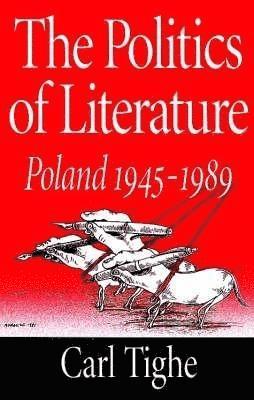
This study of post-war Polish intellectual history analyzes the complex interface between politics and literature under communism. It suggests that it was not the Catholic Church but the writers of the lay-left who were the most consistent critics and opponents of Stalinism.