Carlo Lancellotti - Böcker
Visar alla böcker från författaren Carlo Lancellotti. Handla med fri frakt och snabb leverans.
4 produkter
4 produkter
1 472 kr
Skickas inom 7-10 vardagar
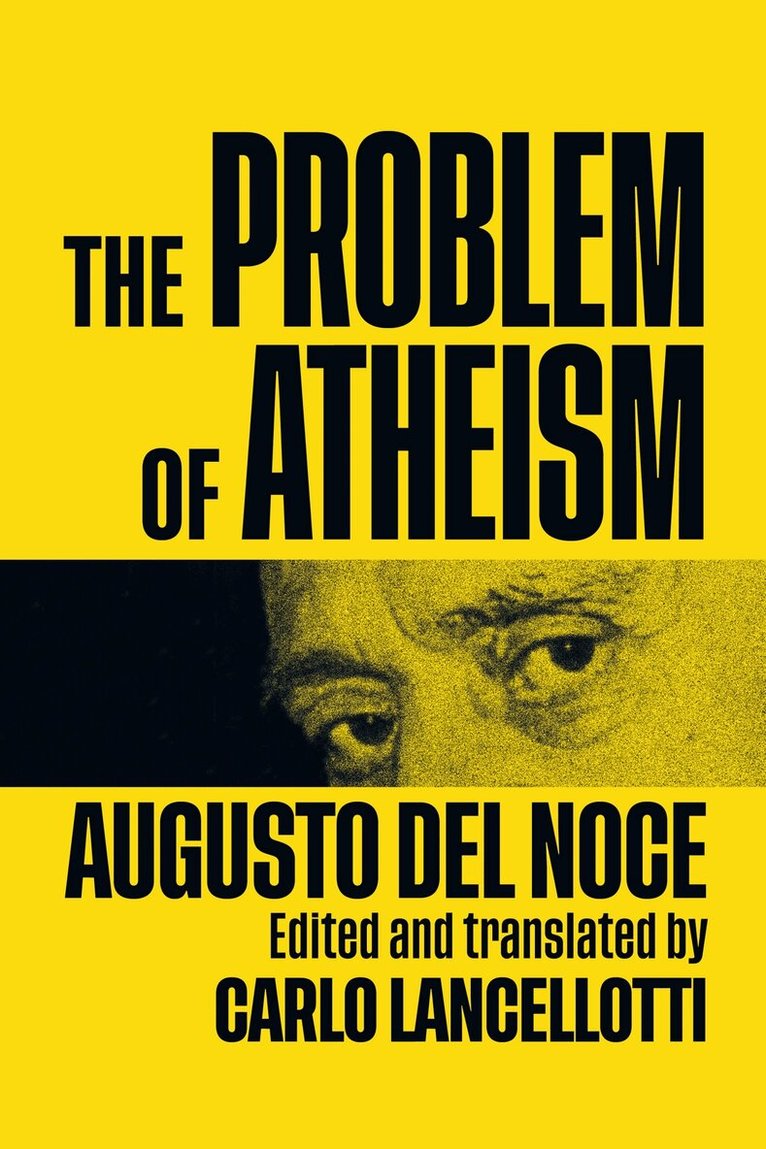
In 1964, Augusto Del Noce assembled in a book some of his best works on Marxism, atheism, and the history of modern philosophy. The result was Il problema dell'ateismo, which he always regarded as foundational to his way of thinking. The book remains his best-known work and is still in print in Italy almost sixty years later.The Problem of Atheism offers the first English translation of this landmark book, one of the earliest works to recognize the new secularizing trends in Western culture following World War II. Del Noce situates atheism historically, reconstructing its philosophical trajectory through European modernity. Documenting the author's entire intellectual experience, these essays explore the birth of modern philosophy, reckon with the great European crisis of 1917 to 1945 and the Cold War that followed, and mine the opposition between Marxism and the rise of the affluent society. The result is rich with premonitions of the cultural landscape that would take shape throughout the 1960s and the decades that followed.Proving its English translation to be long overdue, The Problem of Atheism remains relevant to contemporary debates about secularization, political theology, and modernity.
418 kr
Skickas inom 10-15 vardagar
In 1964, Augusto Del Noce assembled in a book some of his best works on Marxism, atheism, and the history of modern philosophy. The result was Il problema dell'ateismo, which he always regarded as foundational to his way of thinking. The book remains his best-known work and is still in print in Italy almost sixty years later.The Problem of Atheism offers the first English translation of this landmark book, one of the earliest works to recognize the new secularizing trends in Western culture following World War II. Del Noce situates atheism historically, reconstructing its philosophical trajectory through European modernity. Documenting the author's entire intellectual experience, these essays explore the birth of modern philosophy, reckon with the great European crisis of 1917 to 1945 and the Cold War that followed, and mine the opposition between Marxism and the rise of the affluent society. The result is rich with premonitions of the cultural landscape that would take shape throughout the 1960s and the decades that followed.Proving its English translation to be long overdue, The Problem of Atheism remains relevant to contemporary debates about secularization, political theology, and modernity.
347 kr
Kommande
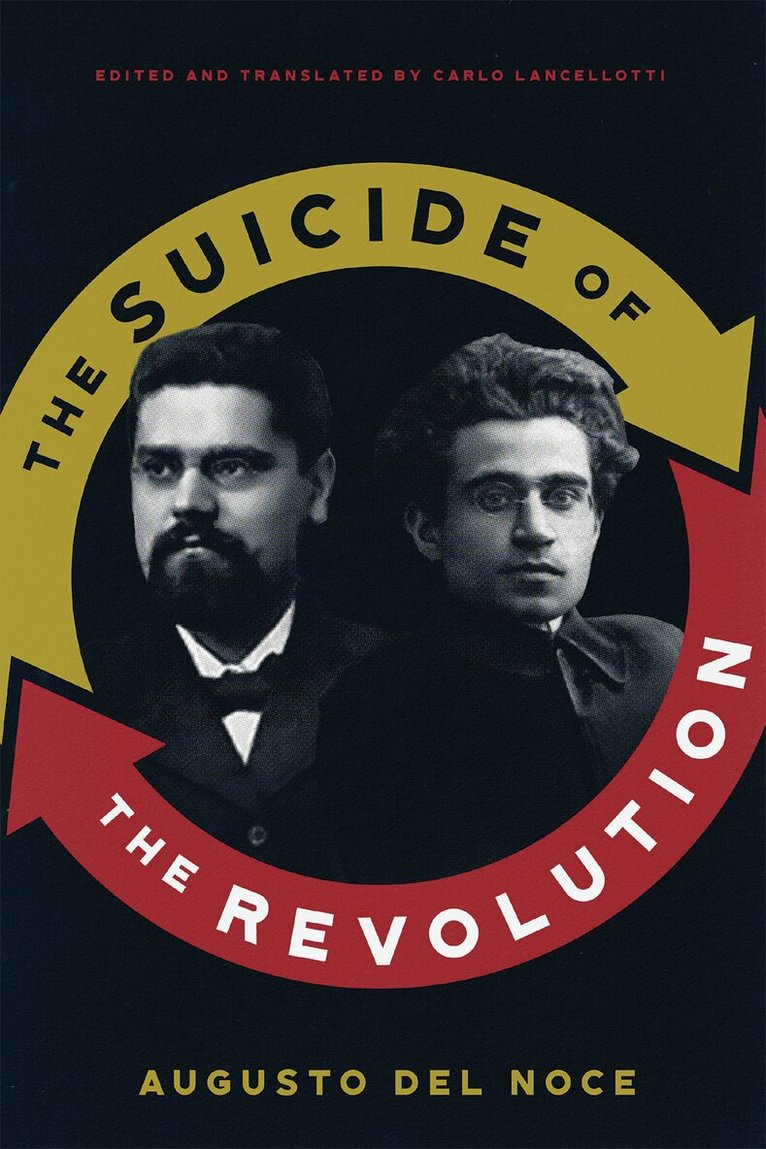
Philosopher Augusto Del Noce (1910-1989), one of Italy’s foremost cultural critics and political thinkers, examined the relationship between fascism and Gramscian Marxism in four influential essays. First published in Italian in 1978, The Suicide of the Revolution contends that Giovanni Gentile’s late-nineteenth-century critique of Marxism had a foundational influence on Antonio Gramsci and, ultimately, shaped not only fascism but also the thinking of many anti-fascists. Deeply controversial at the time of publication, Del Noce’s interpretation of twentieth-century Italian cultural history remains vibrant and relevant.In twentieth-century Italy, the process of modernization and secularization unfolded in a very transparent and consequential way due to a strong parallelism between philosophy and politics. Del Noce argued that Gramsci’s attempted reform of Marxism had the unintended consequence of lending ideological support to a radical form of neoliberalism that ironically nullified Gramsci’s own revolutionary hopes. By the 1970s the Communist party in Italy had become the party of the progressive bourgeoisie, supported by academics, journalists, artists, and intellectuals, all of whom were deeply invested in the status quo. This inversion of the left, which Del Noce saw happening throughout the Western world, marked “the suicide of the revolution” that he regarded as the most important political development of the twentieth century.Translated into English for the first time, this collection is essential reading for those seeking to understand the deep intellectual currents that shape contemporary politics
1 240 kr
Tillfälligt slut
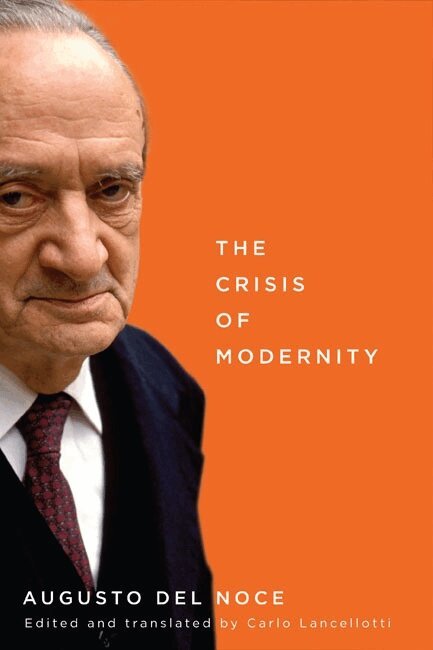
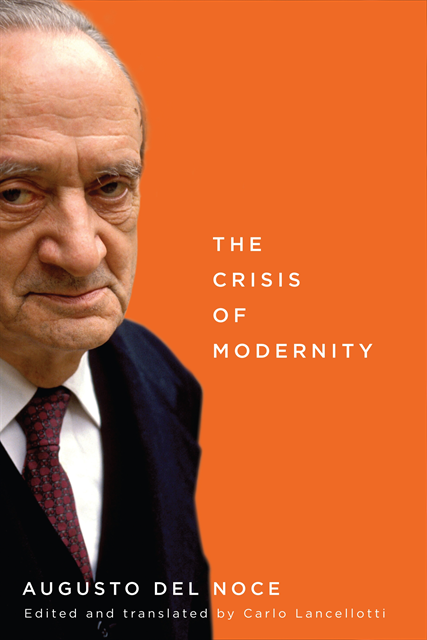
In his native Italy Augusto Del Noce is regarded as one of the preeminent political thinkers and philosophers of the period after the Second World War. The Crisis of Modernity makes available for the first time in English a selection of Del Noce's essays and lectures on the cultural history of the twentieth century. Del Noce maintained that twentieth-century history must be understood specifically as a philosophical history, because Western culture was profoundly affected by the major philosophies of the previous century such as idealism, Marxism, and positivism. Such philosophies became the secular, neo-gnostic surrogate of Christianity for the European educated classes after the French Revolution, and the next century put them to the practical test, bringing to light their ultimate and necessary consequences. One of the first thinkers to recognize the failure of Marxism, Del Noce posited that this failure set the stage for a new secular, technocratic society that had taken up Marx's historical materialism and atheism while rejecting his revolutionary doctrine. Displaying Del Noce's rare ability to reconstruct intellectual genealogies and to expose the deep metaphysical premises of social and political movements, The Crisis of Modernity presents an original reading of secularization, scientism, the sexual revolution, and the history of modern Western culture.