Carlos A. Romero – författare
Visar alla böcker från författaren Carlos A. Romero. Handla med fri frakt och snabb leverans.
11 produkter
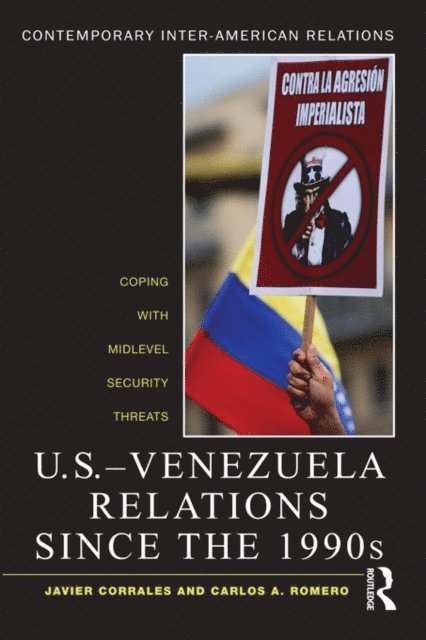
U.S.-Venezuela Relations since the 1990s
Coping with Midlevel Security Threats
Av Javier Corrales, Carlos A. Romero
Inbunden, 2012
2504 kr
Lägg i varukorg
Oil makes up one-third of Venezuela's entire GDP, and the United States is far and away Venezuela's largest trading partner. Relations between Venezuela and the United States, traditionally close for most of the last two centuries, began to fray as the end of the Cold War altered the international …
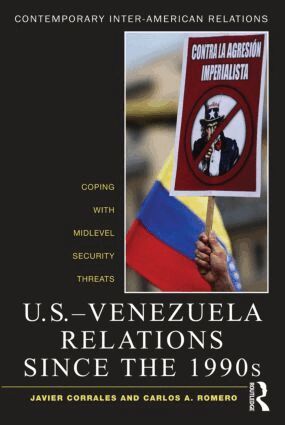
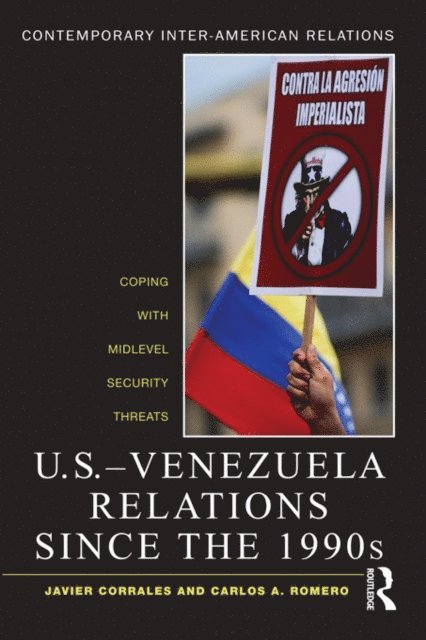
U.S.-Venezuela Relations since the 1990s
Coping with Midlevel Security Threats
Av Javier Corrales, Carlos A. Romero
Häftad, 2012
718 kr
Lägg i varukorg
Oil makes up one-third of Venezuela's entire GDP, and the United States is far and away Venezuela's largest trading partner. Relations between Venezuela and the United States, traditionally close for most of the last two centuries, began to fray as the end of the Cold War altered the international …
United States and Venezuela
Rethinking a Relationship
Av Carlos A. Romero, Janet Kelly
Inbunden, 2001
2736 kr
Lägg i varukorg
Oil makes up one-third of Venezuela's entire GDP, and the United States is far and away Venezuela's largest trading partner. Relations between Venezuela and the United States, traditionally close for most of the last two centuries, began to fray in the last decade as the end of the Cold War altered …
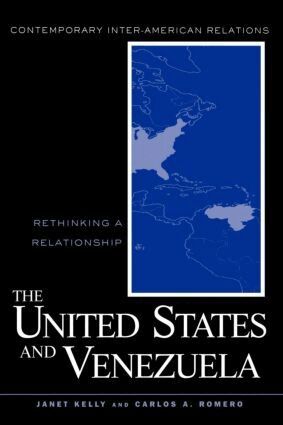
United States and Venezuela
Rethinking a Relationship
Av Carlos A. Romero, Janet Kelly
Häftad, 2001
747 kr
Lägg i varukorg
Oil makes up one-third of Venezuela's entire GDP, and the United States is far and away Venezuela's largest trading partner. Relations between Venezuela and the United States, traditionally close for most of the last two centuries, began to fray in the last decade as the end of the Cold War altered …
U.S.-Venezuela Relations since the 1990s
Coping with Midlevel Security Threats
Av Carlos A. Romero, Javier Corrales
E-bok, 2012
849 kr
Lägg i varukorg
Oil makes up one-third of Venezuela''s entire GDP, and the United States is far and away Venezuela''s largest trading partner. Relations between Venezuela and the United States, traditionally close for most of the last two centuries, began to fray as the end of the Cold War altered the …
U.S.-Venezuela Relations since the 1990s
Coping with Midlevel Security Threats
Av Carlos A. Romero, Javier Corrales
E-bok, 2012
830 kr
Lägg i varukorg
Oil makes up one-third of Venezuela''s entire GDP, and the United States is far and away Venezuela''s largest trading partner. Relations between Venezuela and the United States, traditionally close for most of the last two centuries, began to fray as the end of the Cold War altered the …
United States and Venezuela
Rethinking a Relationship
Av Janet Kelly, Carlos A. Romero
E-bok, 2013
864 kr
Lägg i varukorg
Oil makes up one-third of Venezuela''s entire GDP, and the United States is far and away Venezuela''s largest trading partner. Relations between Venezuela and the United States, traditionally close for most of the last two centuries, began to fray in the last decade as the end of the Cold War …
United States and Venezuela
Rethinking a Relationship
Av Janet Kelly, Carlos A. Romero
E-bok, 2013
883 kr
Lägg i varukorg
Oil makes up one-third of Venezuela''s entire GDP, and the United States is far and away Venezuela''s largest trading partner. Relations between Venezuela and the United States, traditionally close for most of the last two centuries, began to fray in the last decade as the end of the Cold War …
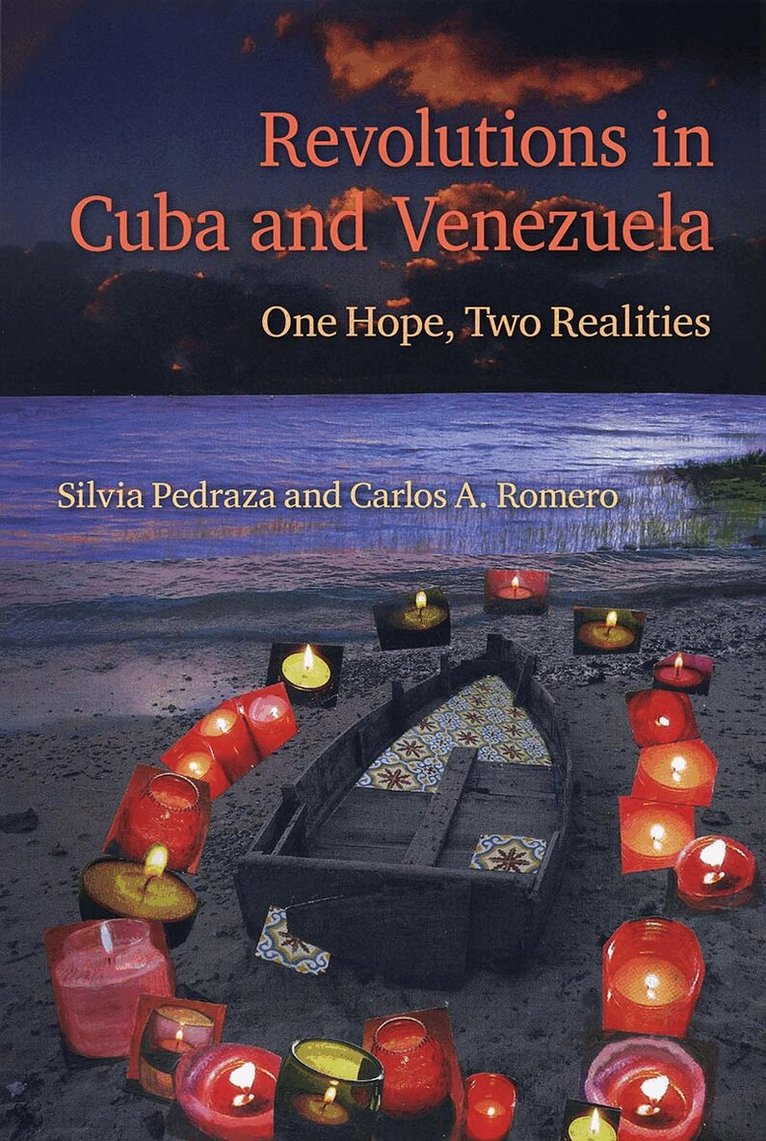
Revolutions in Cuba and Venezuela
One Hope, Two Realities
Av Silvia Pedraza, Carlos A. Romero
Inbunden, 2023
1168 kr
Lägg i varukorg
Comparing two consequential movements that shed light on the nature of revolution>Revolutions in Cuba and Venezuela compares the sociopolitical processes behind two major revolutions—Cuba in 1959, when Fidel Castro came to power, and Venezuela in 1999, when Hugo Chávez won the presidential …
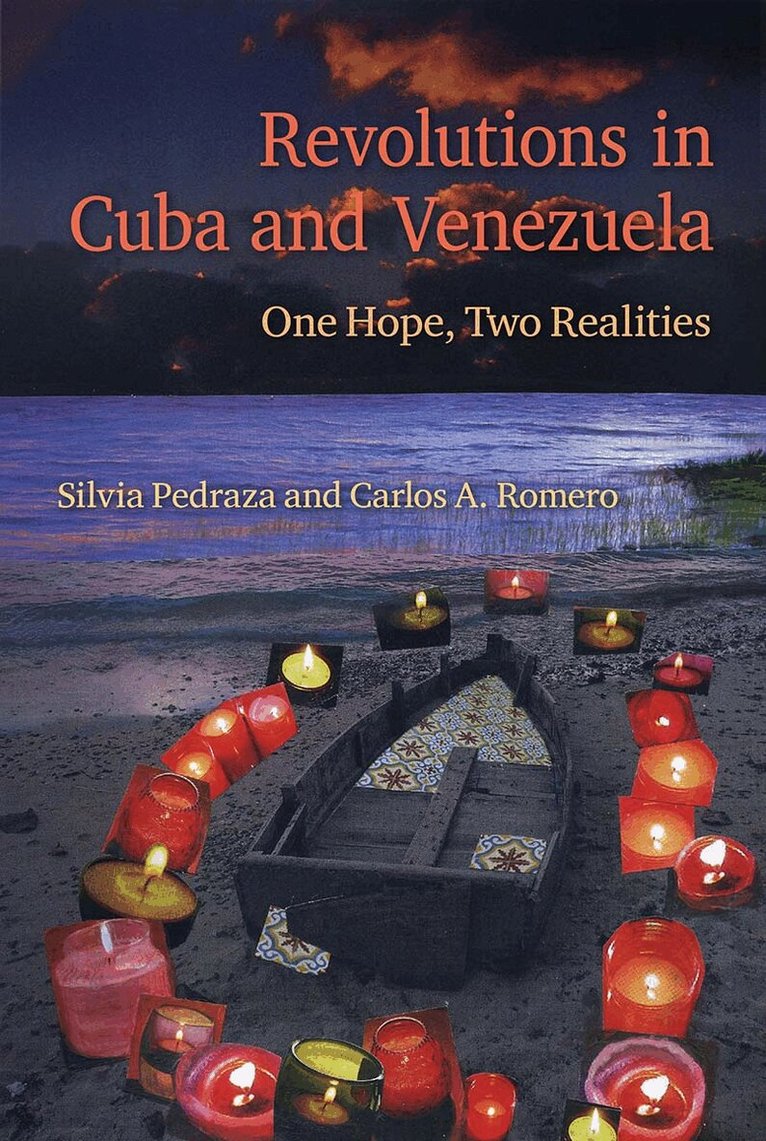
Revolutions in Cuba and Venezuela
One Hope, Two Realities
Av Silvia Pedraza, Carlos A. Romero
Häftad, 2023
428 kr
Lägg i varukorg
Comparing two consequential movements that shed light on the nature of revolution>Revolutions in Cuba and Venezuela compares the sociopolitical processes behind two major revolutions—Cuba in 1959, when Fidel Castro came to power, and Venezuela in 1999, when Hugo Chávez won the presidential …
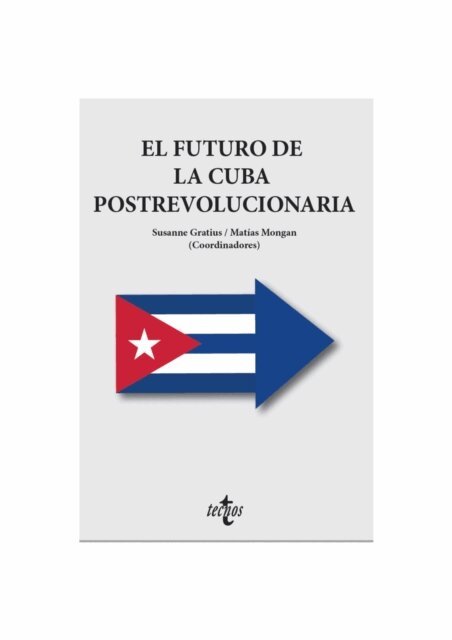
El futuro de la Cuba postrevolucionaria
Av Yanina Welp, Rosa Voghon m. fl.
E-bok, 2023
198 kr
Lägg i varukorg
Desde 2018, cuándo Miguel Díaz-Canel asumió la presidencia para sustituir a Raúl Castro, Cuba ha entrado en la postrevolución. El cambio generacional y el fin del Castrismo marca un antes y después en la Isla. Las protestas ciudadanas del 11 de julio de 2021 señalaron una creciente …