
Carlos Grenier – författare
Visar alla böcker från författaren . Handla med fri frakt och snabb leverans.
2 produkter
2 produkter
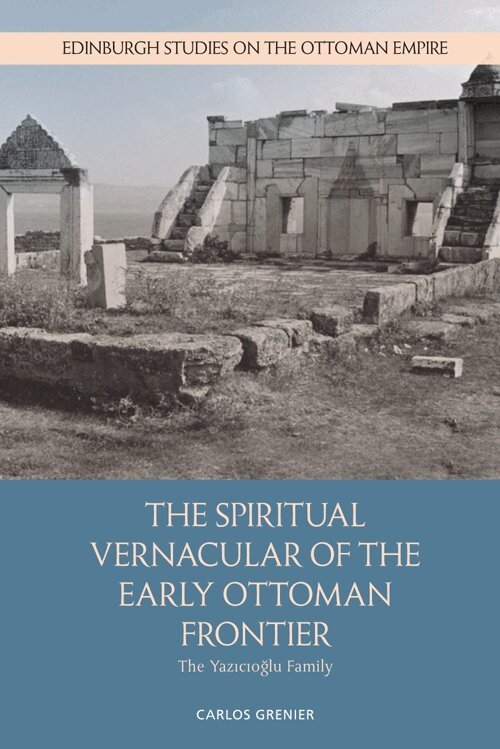
Inbunden, Engelska, 2021
1 372 kr
Skickas inom 7-10 vardagar
What are the origins of Ottoman Islam in the 15th century? From what soil did it grow, and what nourished its development? This study follows the lives and ideas of the Yaz?c?o?lu brothers Mehmed Yaz?c?o?lu and Ahmed Bican, Sufis of the frontier city of Gelibolu and authors of the most popular religious writings in Ottoman Turkish.It places the Yaz?c?o?lus' durable religious vision within their dynamic historical moment on the contested Ottoman borderlands. Examining how these non-elite writers deployed their own intellectual resources, it considers how they approached the religious sciences of the wider Islamic world, and how they created a religious synthesis appropriate for their own community, the growing Turcophone Muslim population of the Balkans and Anatolia.
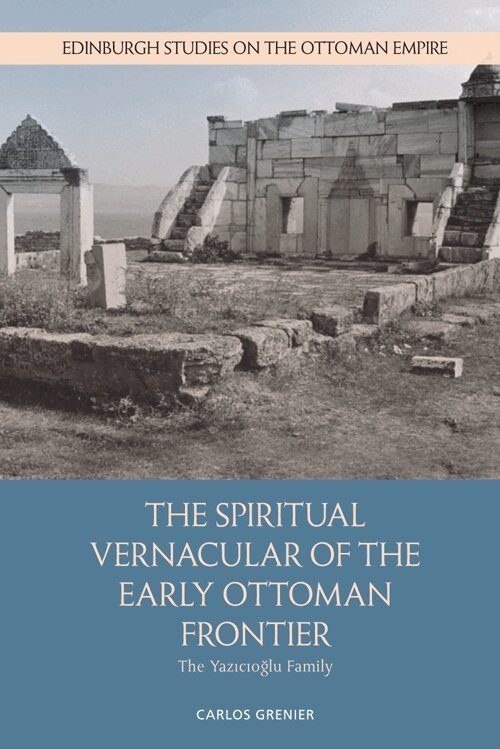
Häftad, Engelska, 2023
563 kr
Skickas inom 3-6 vardagar
Explores early Ottoman popular piety through the lens of the Yaz?c?o?lu brothersThe first book-length study in English on the Yaz?c?o?lu brothers, among the most popular vernacular religious writers and thinkers of the early Ottoman periodReconstructs the Yaz?c?o?lus' biographies, assesses the heritage of their language and ideas and analyses the ways these were adapted to their distinct settingArgues that Ottoman popular orthodoxy emerged as a synthesis of a cosmopolitan Islamic canon to address the needs of Turcophone Muslims of the Ottoman landsContributes to the study of non-elite intellectual life of Ottoman Muslims at the dawn of an imperial ageThis study follows the lives and ideas of the Yaz?c?o?lu brothers Mehmed Yaz?c?o?lu and Ahmed Bican, Sufis of the frontier city of Gelibolu and authors of the most popular religious writings in Ottoman Turkish.Carlos Grenier places the Yaz?c?o?lus' durable religious vision within their dynamic historical moment on the contested Ottoman borderlands. Examining how these non-elite writers deployed their own intellectual resources, he considers how they approached the religious sciences of the wider Islamic world. And he looks at how they created a religious synthesis appropriate for their own community, the growing Turcophone Muslim population of the Balkans and Anatolia.