Carlos Guevara Mann - Böcker
Visar alla böcker från författaren Carlos Guevara Mann. Handla med fri frakt och snabb leverans.
2 produkter
2 produkter
498 kr
Skickas inom 10-15 vardagar
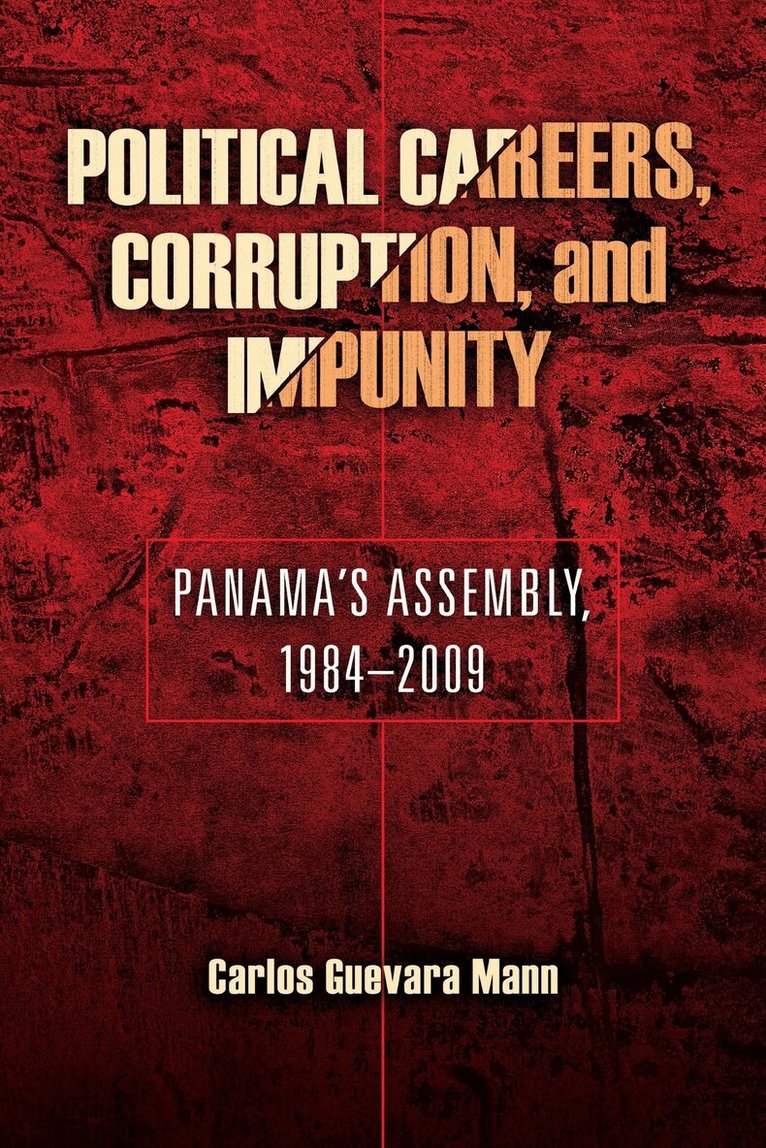
In Political Careers, Corruption, and Impunity: Panama's Assembly, 1984–2009, Carlos Guevara Mann systematically examines the behavior of the members of Panama's Legislative Assembly between 1984 and 2009, an arena previously unexplored in studies of Panamanian politics. He challenges fundamental aspects of scholarly literature on democratic legislatures, with important consequences for understanding democratic politics in Latin America and other parts of the world. The current literature on legislatures assumes that legislators single-mindedly seek reelection or the advancement of their political careers, and that they pursue these goals through acceptable democratic means. Guevara Mann shows, however, that in Panama many legislators also pursue less laudable goals such as personal enrichment and freedom from prosecution, often reaching their goals through means—widespread clientelism, party switching, and electoral manipulation—that undermine the quality of democracy.On one level, Political Careers, Corruption, and Impunity contrasts the political behavior of individual legislators; on another, it compares the actions of legislators under various regimes—military and constitutional. Lastly, it engages in cross-national comparisons that contrast the behavior of Panamanian legislators with actions of representatives elsewhere. Guevara Mann's sophisticated analysis of the military period and the transition to democracy, with an emphasis on the history and functioning of legislative bodies, contains a wealth of new information about a neglected but intrinsically fascinating case.
300 kr
Skickas inom 10-15 vardagar
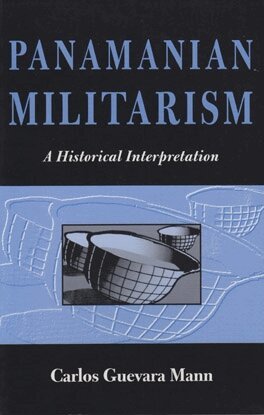
Carlos Guevara Mann argues that Panamanian militarism, a consequence of the breakdown of legitimacy that occurred in the early nineteenth century, is more a manifestation of a deeply-rooted political tradition than an isolated phenomenon of the late twentieth century. He examines the variable US policy approach to domestic stability with the overall context of US hegemony in the isthmus and its shaping of Panamanian militarism.Focusing on the causes that generated nineteenth-century predatory militarism, including political illegitimacy and US support, Guevara Mann analyzes the so-called professionalization of the armed forces — institutionalized militarism — and the polices developed by the 1968-89 military regime.The author cautions that although Panamanian Defense Forces were abolished after the US invasion of December 1989, and although the state's security apparatus has been placed under civilian direction, Panama's stability remains threatened. Lack of legitimacy — the characteristic which informs military involvement in politics — still persists, and militarism could well reappear if the Panamanian polity fails to achieve legitimacy.