Carlos Santiago Nino - Böcker
Visar alla böcker från författaren Carlos Santiago Nino. Handla med fri frakt och snabb leverans.
2 produkter
2 produkter
414 kr
Skickas inom 5-8 vardagar
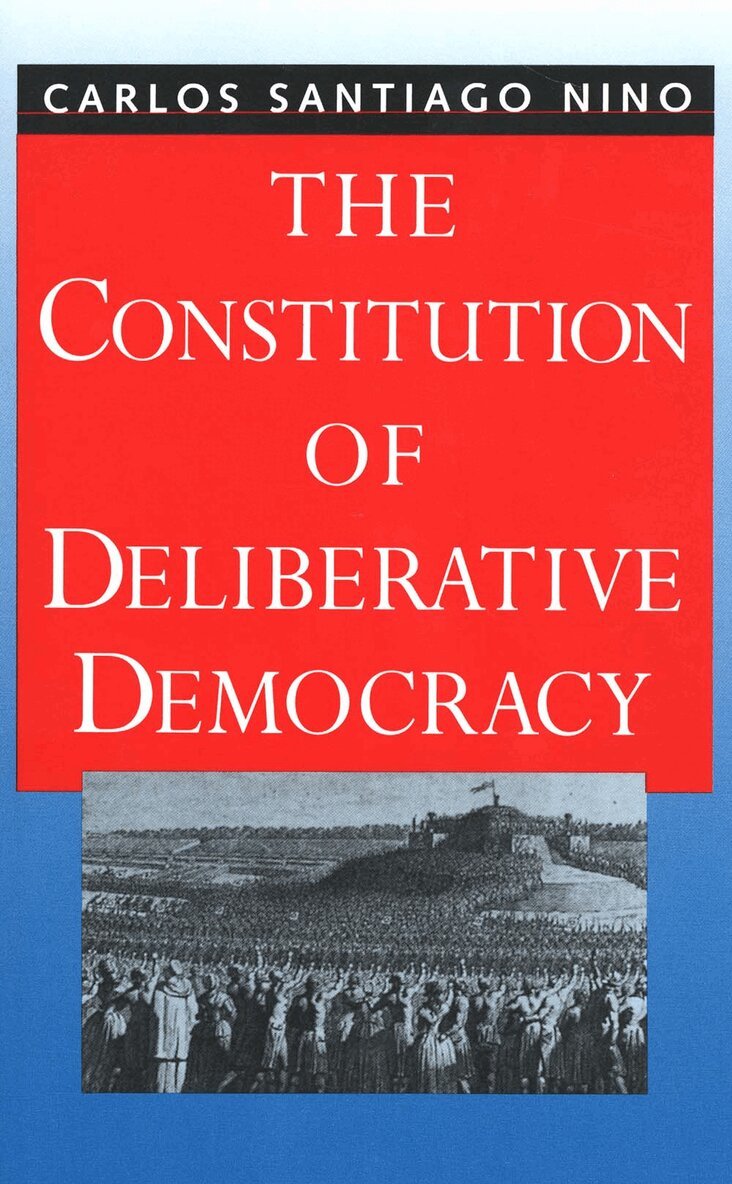
In this important and wide-ranging book, a leading political theorist and activist considers the question: What justifies democracy? Carlos Santiago Nino critically examines answers others have given and then develops his own distinctive theory of democracy, emphasizing its deliberative character. In Nino's view, democracy resembles a moral conversation and is valued because of its capacity to generate an impartial perspective, one that takes into account the interests of all citizens.Nino's conception of deliberative democracy bears on the way power is organized under a constitution. Drawing on a variety of constitutional traditions, he criticizes the presidential system and calls for citizens to participate more directly in the political life of their country. He also envisions a revitalized role for political parties. Nino shows how deliberative democracy can be combined with, and supported by, other constitutional practices, such as the specific wording of the text and the protection of individual rights. The complex constitution that emerges from his analysis consists of a historical constitution, an ideal constitution of rights, and an ideal constitution of power. Nino's goal is to explain how these three dimensions of constitutionalism can reinforce rather than conflict with each other. In a final chapter, he argues that the deliberative conception of democracy requires a more limited role for judicial review than is usually contemplated.
428 kr
Skickas inom 5-8 vardagar
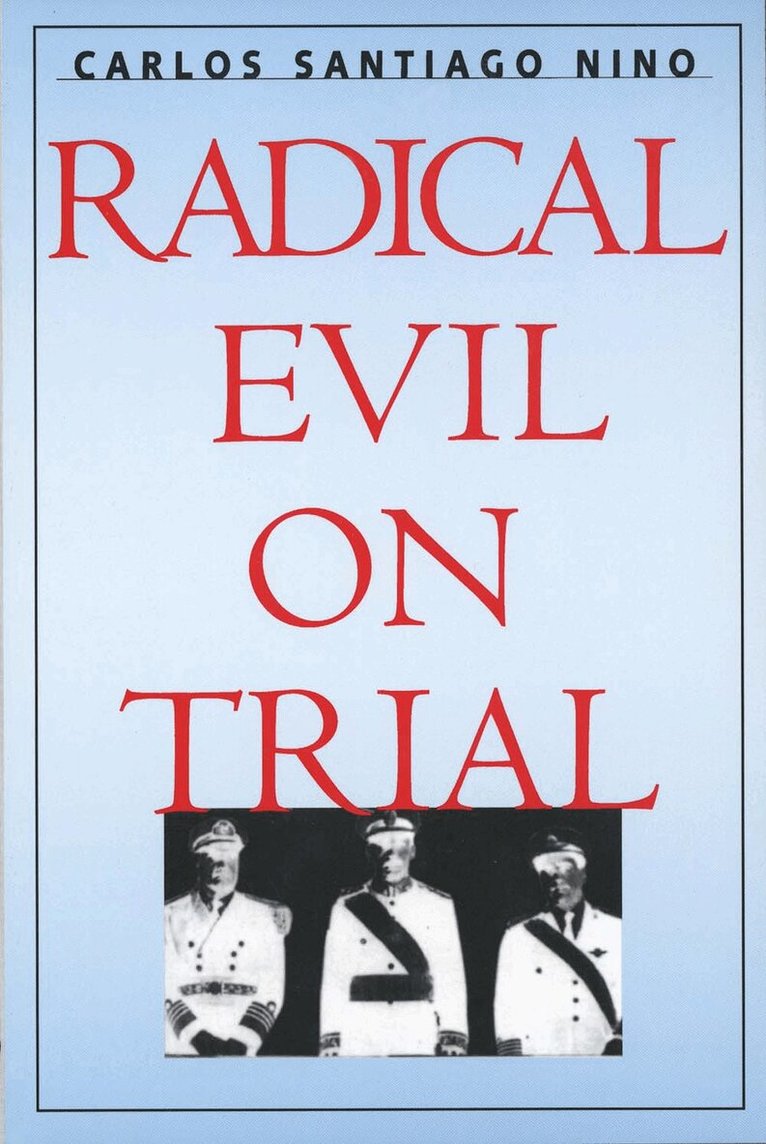
Does an emergent democracy have an obligation to prosecute its former dictators for crimes against humanity—for what Arendt and Kant called "radical evil"? What impact will such prosecutions have on the future of democracy?In this book, Carlos Santiago Nino offers a provocative first-hand analysis of developments in Argentina during the 1980s, when a brutal military dictatorship gave way to a democratic government. Nino played a key role in guiding the transition to democracy and in shaping the human rights policies of President Raúl Alfonsín after the fall of the military junta in 1983. The centerpiece of Alfonsín's human rights program was the trial held in a federal court in Buenos Aires in 1985, which resulted in the convictions of five of the leading members of the junta that ruled the country from 1976 to 1983.Placing the Argentine experience in the context of the war crimes trials at Nuremberg, Tokyo, and elsewhere, Nino examines the broader questions raised by human rights trials. He considers their political repercussions and their potential for strengthening the new democratic government. He explains why prosecutions for human rights violations should be grounded on a theory of the criminal law that emphasizes the preventive rather than retributive functions of punishment. Nino rejects the obligation to punish perpetrators of radical evil and argues instead for a more forward-looking duty—to safeguard democracy. This, he believes, is what ultimately justified the Argentine trials and should be the focus of any international action.