Carmen Draghici - Böcker
Visar alla böcker från författaren Carmen Draghici. Handla med fri frakt och snabb leverans.
3 produkter
3 produkter
Procreative Rights in International Law
Insights from the European Court of Human Rights
Inbunden, Engelska, 2024
1 157 kr
Skickas inom 7-10 vardagar
Draghici contends that the advent of assisted reproductive technologies has given rise to new fundamental, albeit not unqualified, rights. They include the right to use medically assisted procreation (e.g. artificial insemination, in vitro fertilisation, potentially gamete donation, posthumous conception or surrogacy) in order to become a parent (typically where natural procreation is hindered by infertility, sexual orientation, relationship status or adverse life events), the recognition of intention-based parenthood in relation to donor-conceived children jointly planned and raised with the genetic parent, and the right to pursue the conception of a healthy child (e.g. through recourse to preimplantation genetic diagnosis and embryo selection to avoid severe illness in future offspring). To substantiate this claim, the book relies on a comprehensive analysis of international case-law on procreative autonomy, contextualised by a discussion of highly divisive bioethical controversies, from the status of embryos to the morality of genetic screening and third-party reproduction.

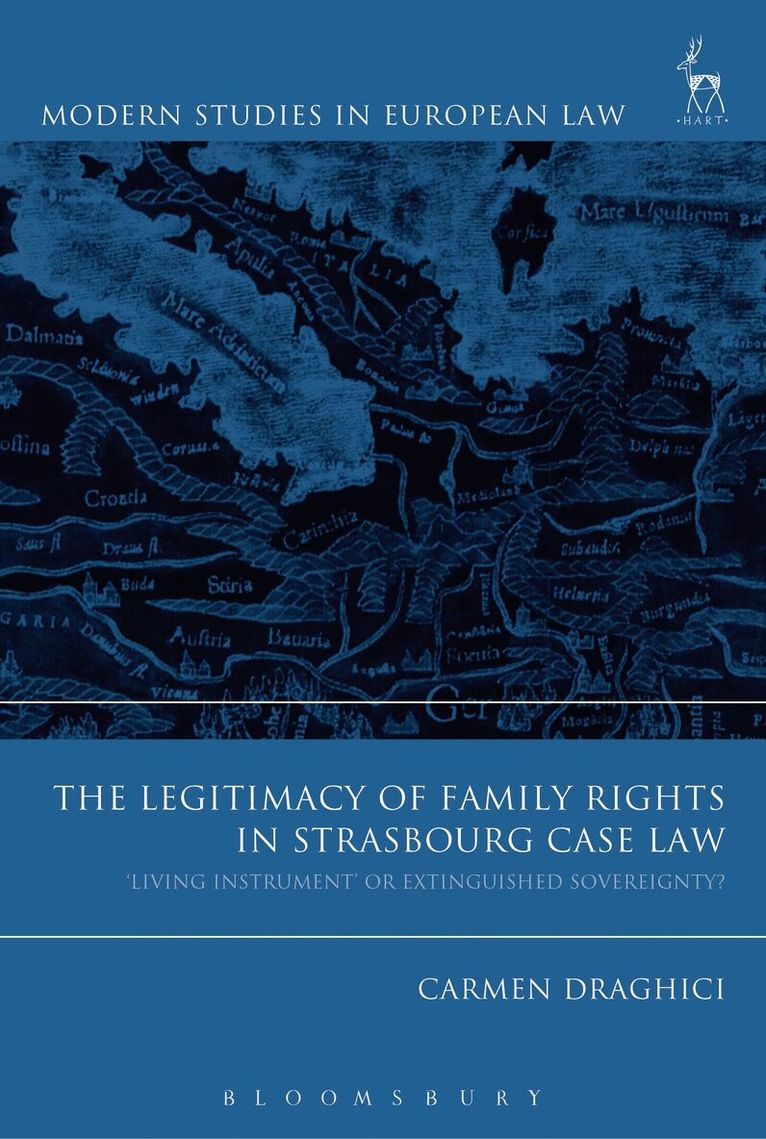
Legitimacy of Family Rights in Strasbourg Case Law
‘Living Instrument’ or Extinguished Sovereignty?
Inbunden, Engelska, 2017
1 235 kr
Skickas inom 10-15 vardagar
Modern family life exhibits a huge variety of new forms. Legal responses to these new forms illustrate the continuing differences between European nations. Nonetheless, the Strasbourg Court has been increasingly active in this area, which provides fertile ground for testing the legitimacy of the Court’s interpretation of the European Convention on Human Rights. When national law refuses to recognize a claimed right, litigants regularly reassert that right before the Strasbourg Court. This has forced it to seek answers to complex domestic controversies, such as the legal recognition for same-sex partners and transgender persons, the ethics of adoption and reproductive rights, the legal regime for cohabitants, or the accommodation of immigrants’ aspiration to family reunion.Placing family rights at the core of the judicial legitimacy debate, this book provides a critical analysis of the standards of family rights protection under the Convention. It evaluates the Court’s interpretive methodology and discusses the tensions inherent in its supranational quasi-constitutional function. These include the risk of excessive deference to national authorities, at the expense of the effective enforcement of universal rights; the addition of 'new rights'; and inattention to the division of responsibilities between democratic processes within sovereign States and the subsidiary international review.
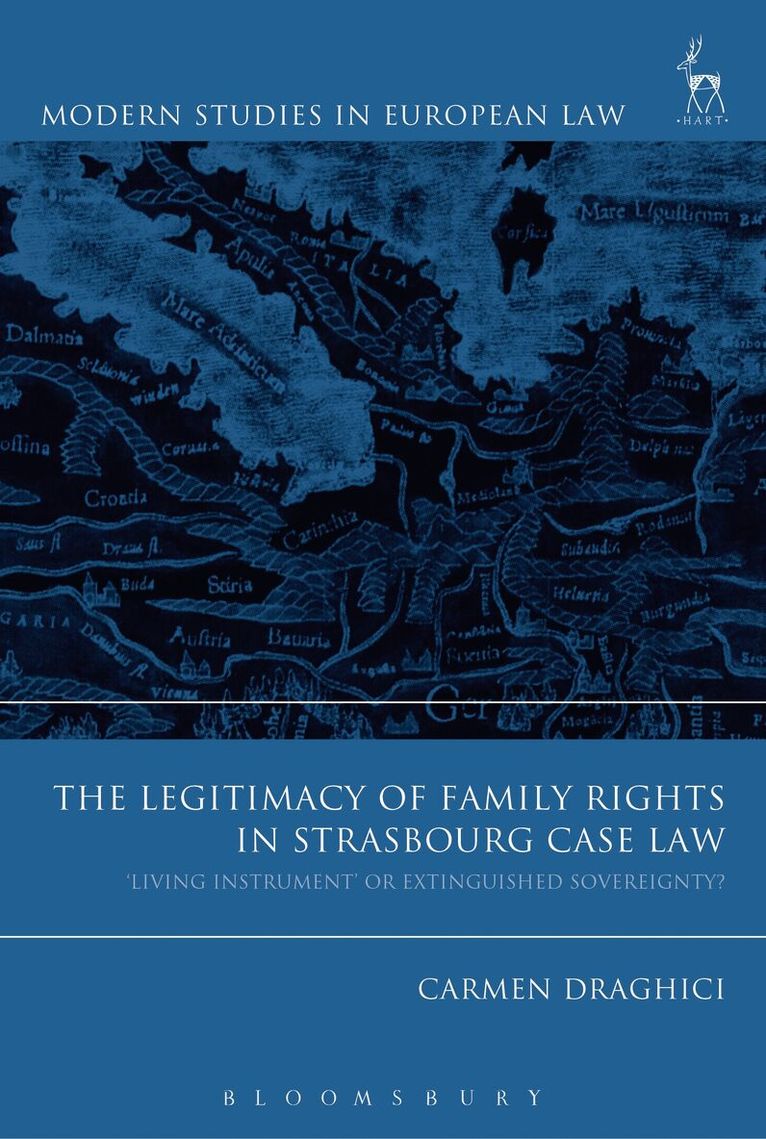
Legitimacy of Family Rights in Strasbourg Case Law
‘Living Instrument’ or Extinguished Sovereignty?
Häftad, Engelska, 2019
523 kr
Skickas inom 10-15 vardagar
Modern family life exhibits a huge variety of new forms. Legal responses to these new forms illustrate the continuing differences between European nations. Nonetheless, the Strasbourg Court has been increasingly active in this area, which provides fertile ground for testing the legitimacy of the Court’s interpretation of the European Convention on Human Rights. When national law refuses to recognize a claimed right, litigants regularly reassert that right before the Strasbourg Court. This has forced it to seek answers to complex domestic controversies, such as the legal recognition for same-sex partners and transgender persons, the ethics of adoption and reproductive rights, the legal regime for cohabitants, or the accommodation of immigrants’ aspiration to family reunion.Placing family rights at the core of the judicial legitimacy debate, this book provides a critical analysis of the standards of family rights protection under the Convention. It evaluates the Court’s interpretive methodology and discusses the tensions inherent in its supranational quasi-constitutional function. These include the risk of excessive deference to national authorities, at the expense of the effective enforcement of universal rights; the addition of 'new rights'; and inattention to the division of responsibilities between democratic processes within sovereign States and the subsidiary international review.