838 kr
Läs direkt efter köp
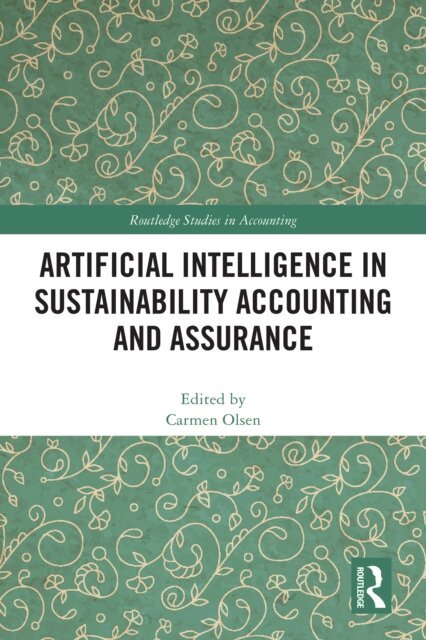
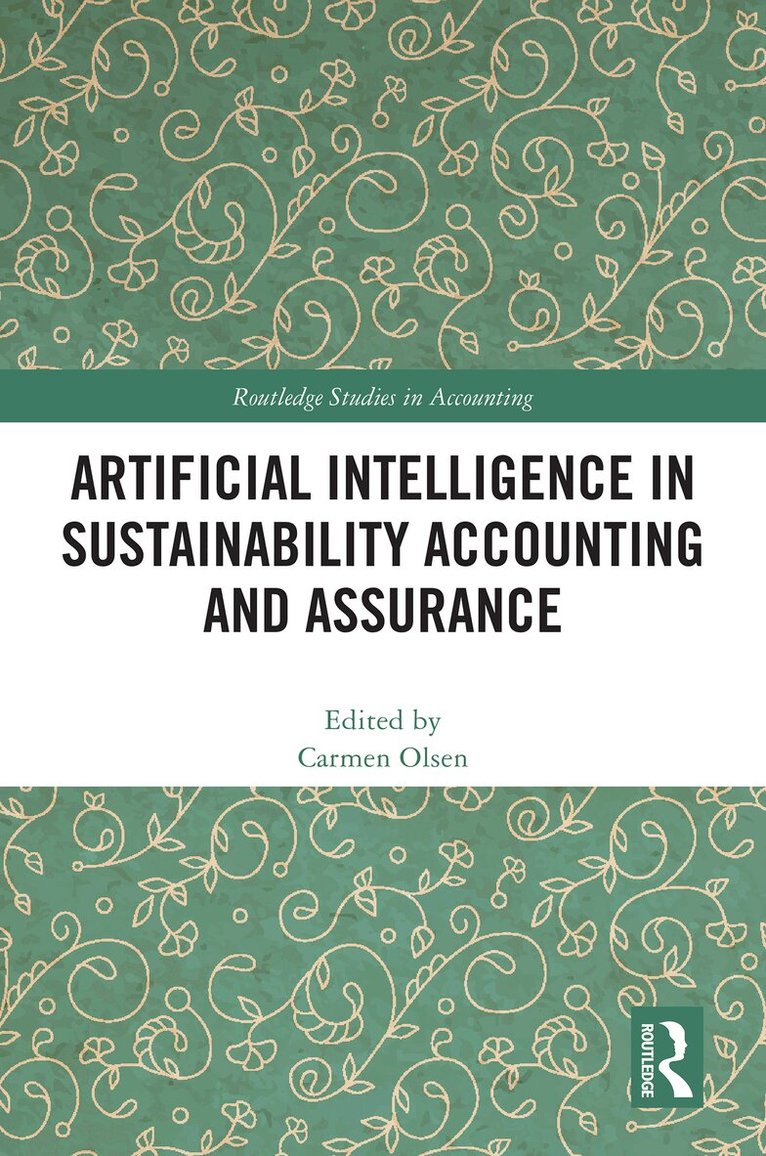
This book offers a comprehensive and timely exploration of Artificial Intelligence (AI) in sustainability accounting and assurance, examining the intersection of sustainability and digitalization to shape future research and education in the field.
The volume critically engages with emerging literature and situates AI''s role within the broader digitalization context. A key contribution lies in its dual focus on sustainability accounting and assurance, i.e. two interconnected accounting sub-disciplines, allowing for nuanced analysis of AI''s transformative potential and evolving interdependencies between them. The book analyzes technological advancements that shape or will potentially shape the fields of sustainability accounting, assurance, and their data. Examples of such technologies include blockchain technology, AI bots, and the role of AI algorithms in sustainability data collection and analytics. It assesses the role of digital and AI-enabled ecosystems such as Information Systems (IS), Enterprise Resource Planning (ERP) systems, and Accounting Information Systems (AIS) in accounting for sustainability data and assurance.
Bringing together 14 international scholars and practitioners, the book provides diverse, critical perspectives on how AI may both advance and complicate sustainability practices. It highlights unintended positive and negative effects of implementing digital and AI tools, addressing ethical considerations such as professional skepticism. This serves as an informative resource for researchers, academics, and postgraduate students, offering understanding of how digital and AI tools enhance or challenge sustainability reporting, assurance, and data practices.