Carol A. Mortland – författare
Visar alla böcker från författaren Carol A. Mortland. Handla med fri frakt och snabb leverans.
9 produkter
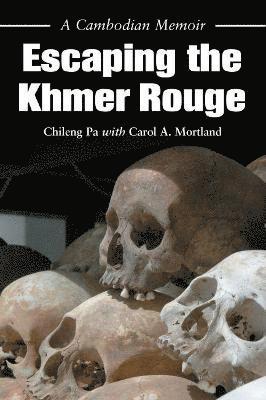
Escaping the Khmer Rouge
A Cambodian Memoir
Av Chileng Pa, Carol A. Mortland
Häftad, 2008
275 kr
Lägg i varukorg
The Khmer Rouge ruled Cambodia for three years, eight months and twenty days. After overthrowing Lon Nol in April 1975 and establishing a so-called Democratic Kampuchea, the Communist-sponsored government was responsible for the deaths of as many as two million people, almost one-third of the …
Manifest Destinies
Americanizing Immigrants and Internationalizing Americans
Av David W. Haines, Carol Mortland m. fl.
Inbunden, 2000
855 kr
Lägg i varukorg
At the turn of the century, America is both retrenching and expanding, becoming more restrictive and more expansive, more utilitarian and, more value- and religion-oriented. As was true a century ago, the flow of these changes is very much a story of immigrants, their lives in America, and the …
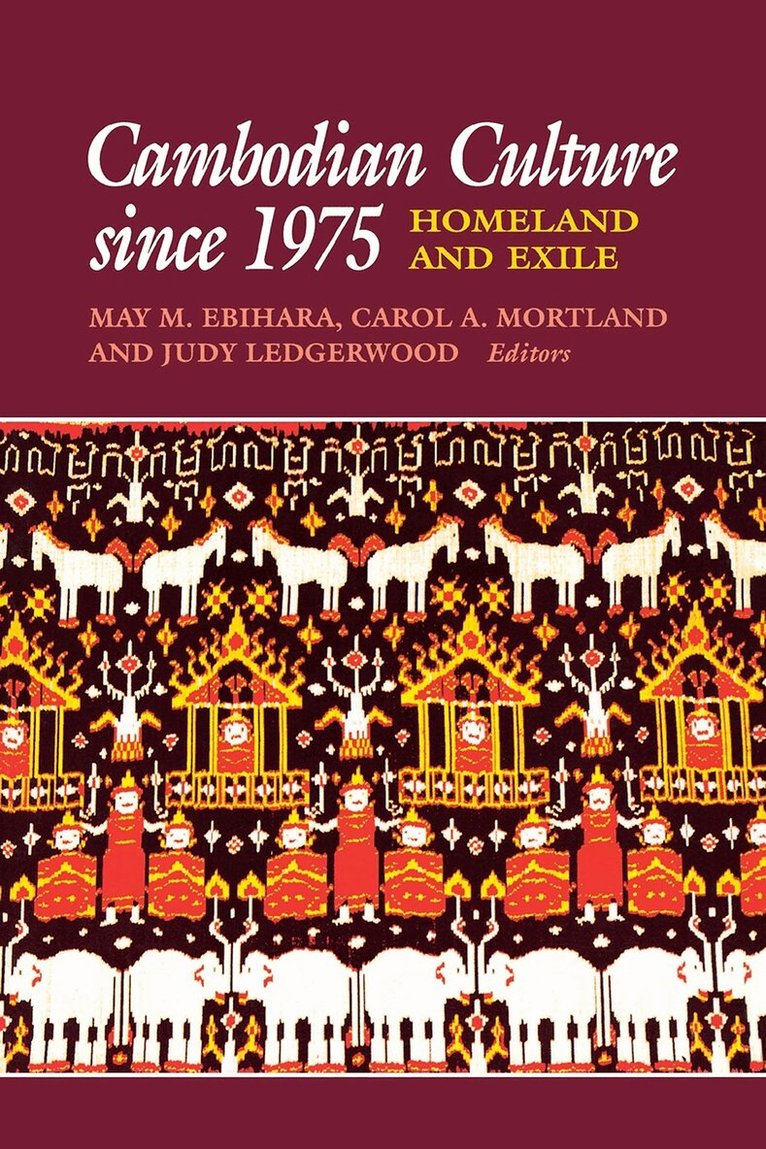
Cambodian Culture Since 1975
Homeland and Exile
Av May Mayko Ebihara, Carol A. Mortland m. fl.
Inbunden, 1994
1700 kr
Lägg i varukorg
Since the civil war of the 1970s, Cambodia has suffered devastating upheavals that killed a million ' people and exiled hundreds of thousands. This book is the first to examine Cambodian culture after the ravages of the Pol Pot regime-and to bear witness to the transformation and persistence of …
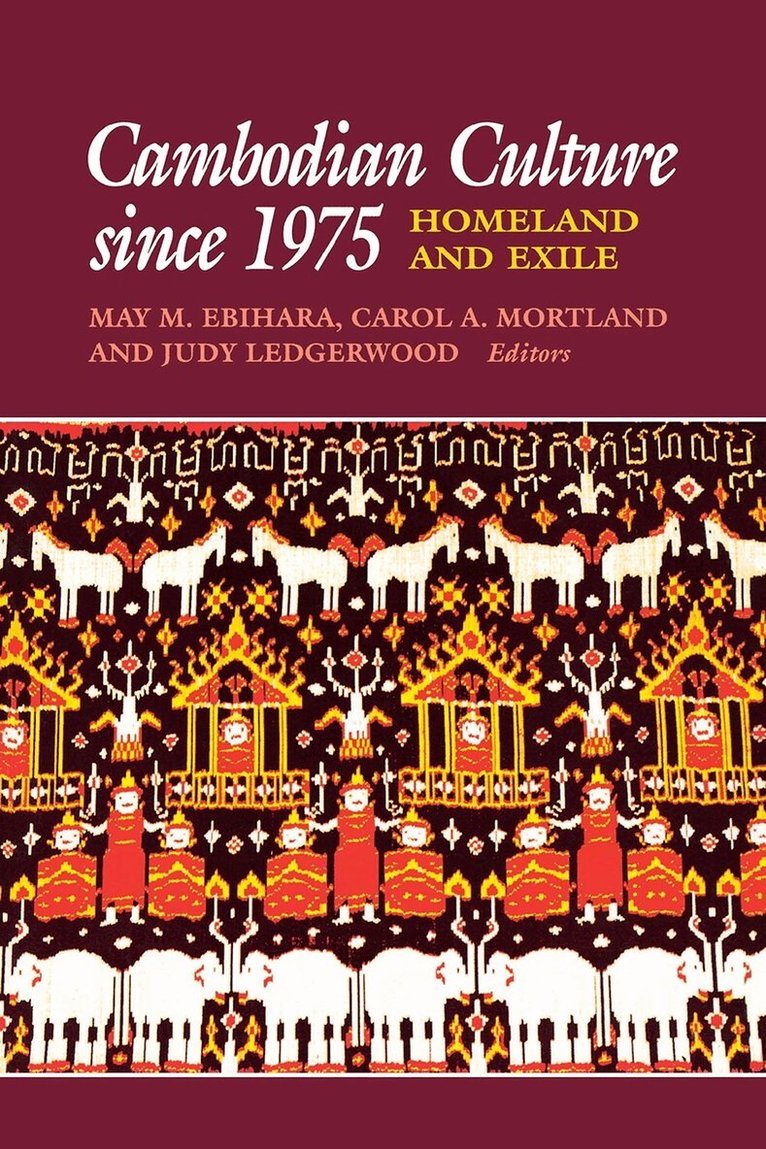
Cambodian Culture Since 1975
Homeland and Exile
Av May Mayko Ebihara, Carol A. Mortland m. fl.
Häftad, 1994
518 kr
Lägg i varukorg
Since the civil war of the 1970s, Cambodia has suffered devastating upheavals that killed a million ' people and exiled hundreds of thousands. This book is the first to examine Cambodian culture after the ravages of the Pol Pot regime-and to bear witness to the transformation and persistence of …
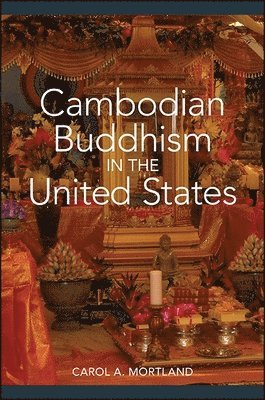
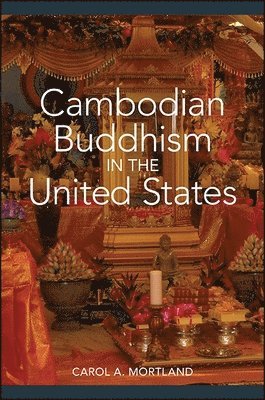
Cambodian Buddhism in the United States
Häftad, 2018
487 kr
Lägg i varukorg
The first comprehensive anthropological description of the Khmer Buddhism practiced by Cambodian refugees in the United States over the past four decades.Cambodian Buddhism in the United States is the first comprehensive anthropological study of Khmer Buddhism as practiced by Khmer refugees in the …
Grace after Genocide
Cambodians in the United States
Inbunden, 2017
1880 kr
Lägg i varukorg
Grace after Genocide is the first comprehensive ethnography of Cambodian refugees, charting their struggle to transition from life in agrarian Cambodia to survival in post-industrial America, while maintaining their identities as Cambodians. The ethnography contrasts the lives of refugees who …
Grace after Genocide
Cambodians in the United States
E-bok, 2017
326 kr
Lägg i varukorg
Grace after Genocide is the first comprehensive ethnography of Cambodian refugees, charting their struggle to transition from life in agrarian Cambodia to survival in post-industrial America, while maintaining their identities as Cambodians. The ethnography contrasts the lives of refugees who …
Grace After Genocide
Cambodians in the United States
Häftad, 2019
516 kr
Lägg i varukorg
Grace after Genocide is the first comprehensive ethnography of Cambodian refugees, charting their struggle to transition from life in agrarian Cambodia to survival in post-industrial America, while maintaining their identities as Cambodians. The ethnography contrasts the lives of refugees who …
Cambodian Buddhism in the United States
Inbunden, 2017
1111 kr
Tillfälligt slut
The first comprehensive anthropological description of the Khmer Buddhism practiced by Cambodian refugees in the United States over the past four decades.Cambodian Buddhism in the United States is the first comprehensive anthropological study of Khmer Buddhism as practiced by Khmer refugees in the …