Carol Apollonio - Böcker
Visar alla böcker från författaren Carol Apollonio. Handla med fri frakt och snabb leverans.
5 produkter
5 produkter
423 kr
Skickas inom 10-15 vardagar
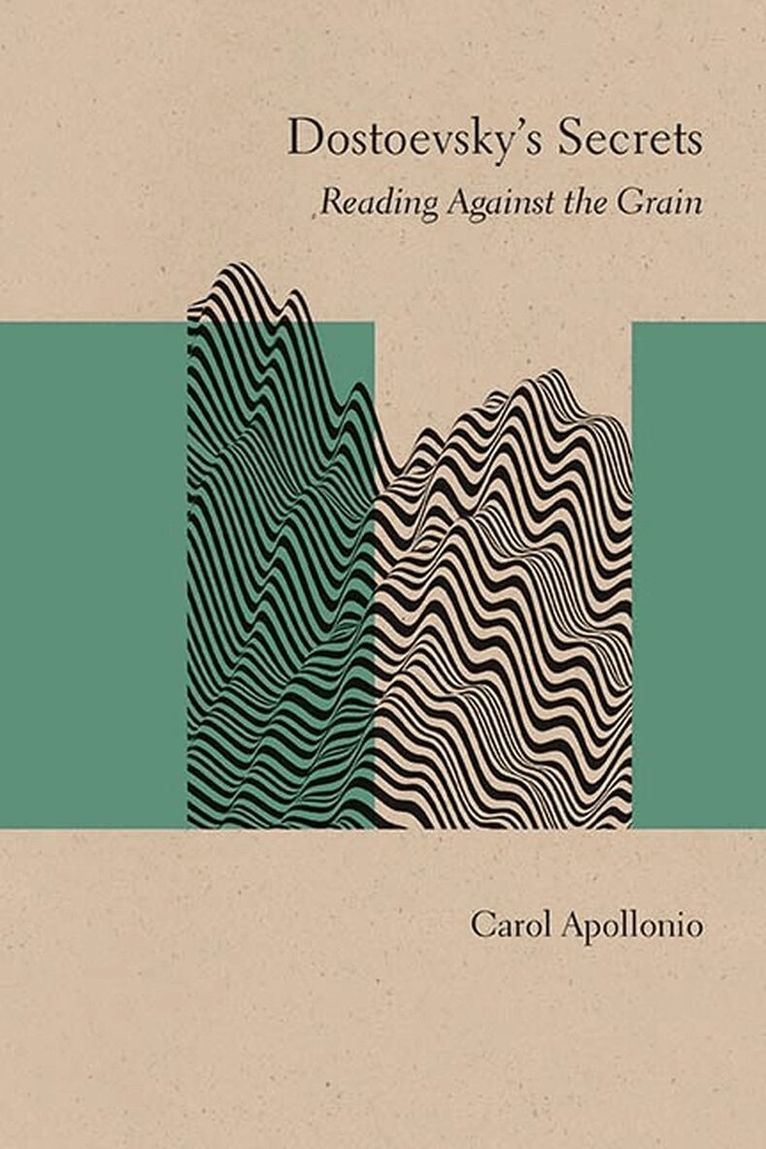
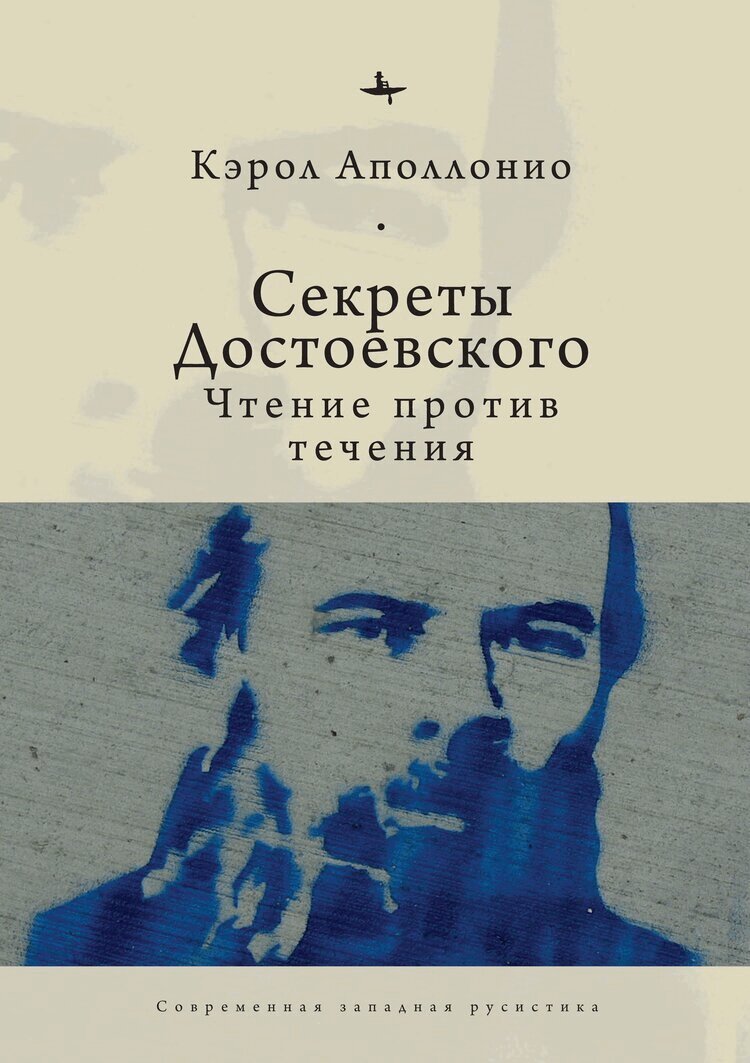
When Fyodor Dostoevsky proclaims that he is a ""realist in a higher sense,"" it is because the facts are irrelevant to his truth. And it is in this spirit that Apollonio approaches Dostoevsky's work, reading through the facts-the text-of his canonical novels for the deeper truth that they distort, mask, and, ultimately, disclose. This sort of reading against the grain is, Apollonio suggests, precisely what these works, with their emphasis on the hidden and the private and their narrative reliance on secrecy and slander, demand.In each work Apollonio focuses on one character or theme caught in the compromising, self-serving, or distorting narrative lens. Who, she asks, really exploits whom in Poor Folk? Does ""White Nights"" ever escape the dream state? What is actually lost-and what is won-in The Gambler? Is Svidrigailov, of such ill repute in Crime and Punishment, in fact an exemplar of generosity and truth? Who, in Demons, is truly demonic? Here we see how Dostoevsky has crafted his novels to help us see these distorting filters and develop the critical skills to resist their anaesthetic effect. Apollonio's readings show how Dostoevsky's paradoxes counter and usurp our comfortable assumptions about the way the world is and offer access to a deeper, immanent essence. His works gain power when we read beyond the primitive logic of external appearances and recognize the deeper life of the text.
560 kr
Skickas inom 10-15 vardagar
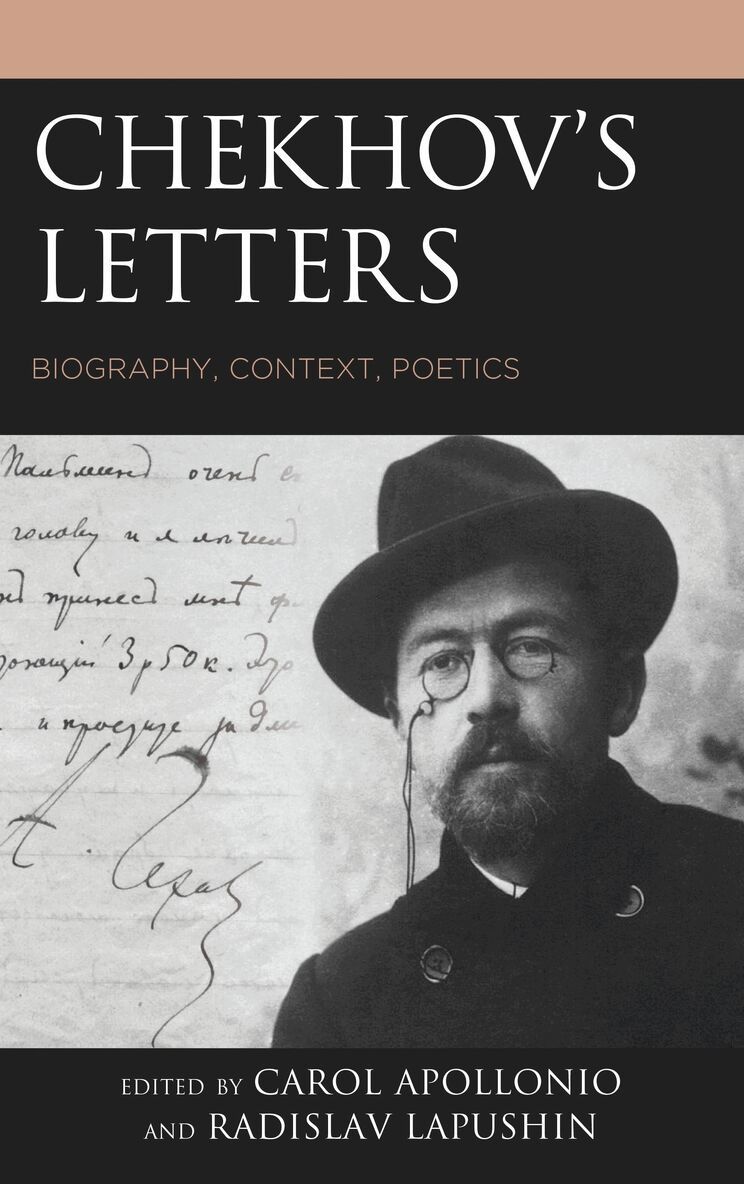
Of the thirty volumes in the authoritative Academy edition of Chekhov's collected works, fully twelve are devoted to the writer's letters. This is the first book in English or Russian addressing this substantial—though until now neglected—epistolary corpus. The majority of the essays gathered here represent new contributions by the world's major Chekhov scholars, written especially for this volume, or classics of Russian criticism appearing in English for the first time. The introduction addresses the role of letters in Chekhov's life and characterizes the writer's key epistolary concerns. After a series of essays addressing publication history, translation, and problems of censorship, scholars analyze the letters' generic qualities that draw upon, variously, prose, poetry, and drama. Individual thematic studies focus on the letters as documents reflecting biographical, cultural, and philosophical issues. The book culminates in a collection of short, at times lyrical, essays by eminent scholars and writers addressing a particularly memorable Chekhov letter. Chekhov's Letters appeals to scholars, writers, and theater professionals, as well to a general audience.
533 kr
Skickas inom 5-8 vardagar
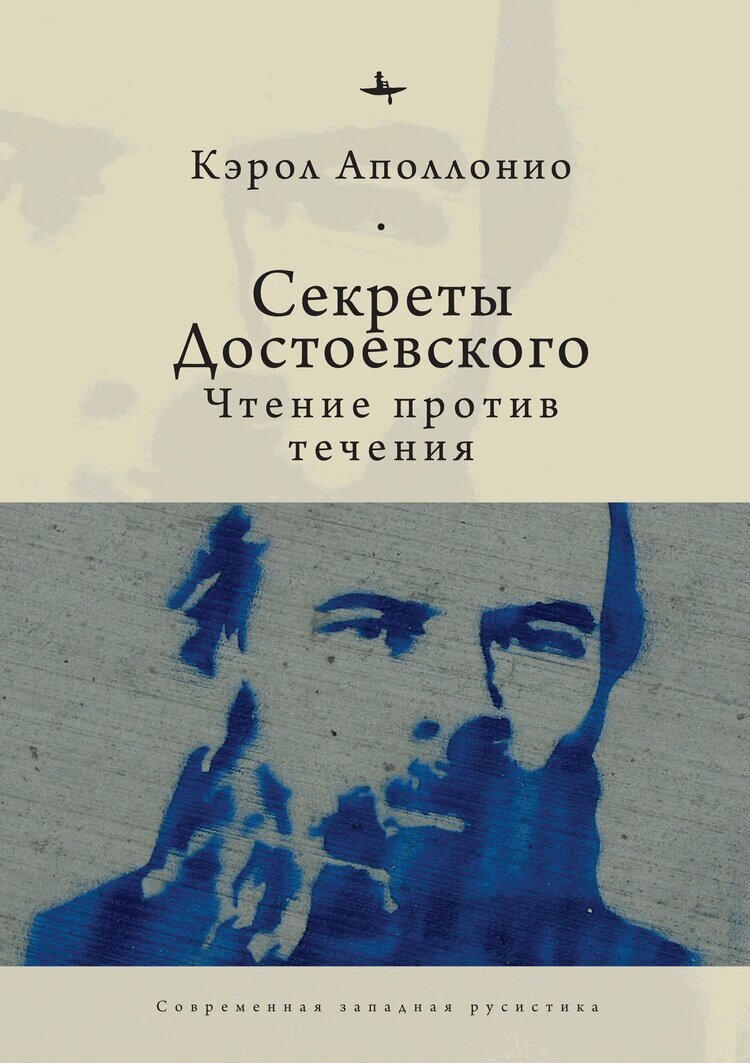
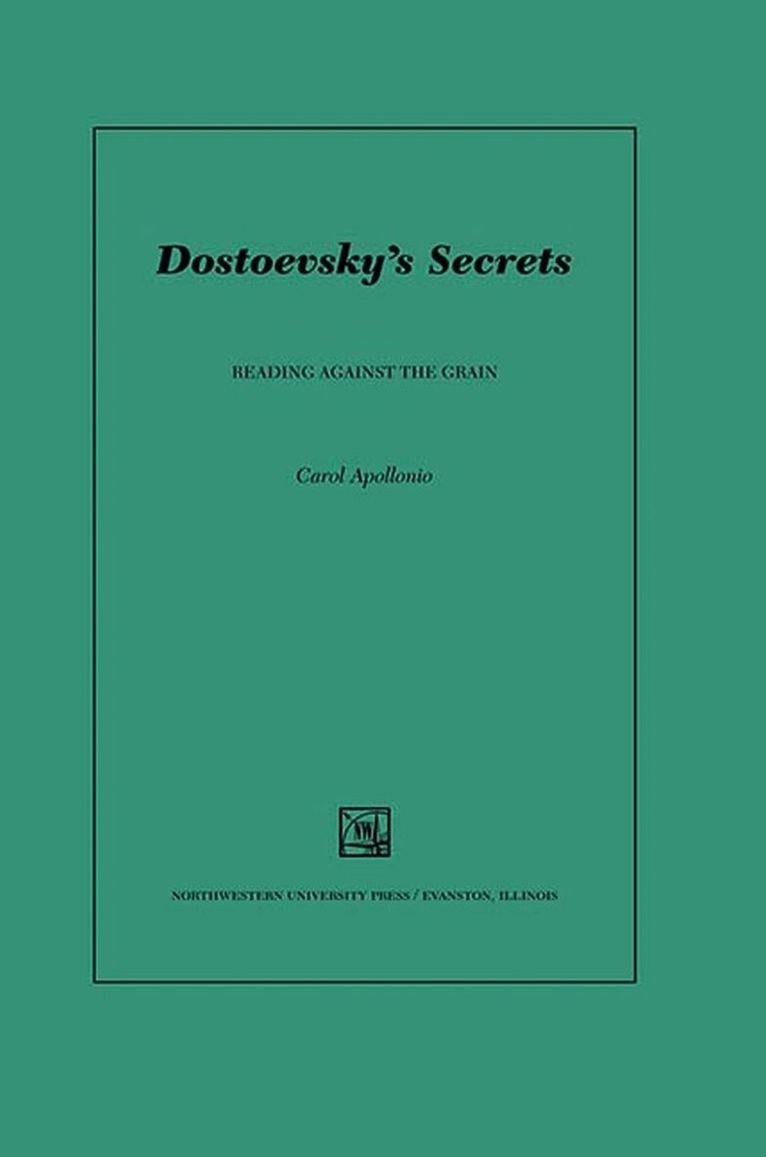
When Fyodor Dostoevsky proclaims that he is a “realist in a higher sense,” it is because the facts are irrelevant to his truth. And it is in this spirit that Apollonio approaches Dostoevsky’s work, reading through the facts—the text—of his canonical novels for the deeper truth that they distort, mask, and, ultimately, disclose. This sort of reading against the grain is, Apollonio suggests, precisely what these works, with their emphasis on the hidden and the private and their narrative reliance on secrecy and slander, demand.In each work Apollonio focuses on one character or theme caught in the compromising, self-serving, or distorting narrative lens. Who, she asks, really exploits whom in “Poor Folk”? Does “White Nights” ever escape the dream state? What is actually lost—and what is won—in “The Gambler”? Is Svidrigailov, of such ill repute in “Crime and Punishment”, in fact an exemplar of generosity and truth? Who, in “Demons,” is truly demonic? Here we see how Dostoevsky has crafted his novels to help us see these distorting filters and develop the critical skills to resist their unaesthetic effect. Apollonio’s readings show how Dostoevsky’s paradoxes counter and usurp our comfortable assumptions about the way the world is and offer access to a deeper, immanent essence. His works gain power when we read beyond the primitive logic of external appearances and recognize the deeper life of the text.
110 kr
Skickas inom 5-8 vardagar
357 kr
Skickas inom 3-6 vardagar
When Fyodor Dostoevsky proclaims that he is a “realist in a higher sense,” it is because the facts are irrelevant to his truth. And it is in this spirit that Apollonio approaches Dostoevsky’s work, reading through the facts—the text—of his canonical novels for the deeper truth that they distort, mask, and, ultimately, disclose. This sort of reading against the grain is, Apollonio suggests, precisely what these works, with their emphasis on the hidden and the private and their narrative reliance on secrecy and slander, demand.In each work Apollonio focuses on one character or theme caught in the compromising, self-serving, or distorting narrative lens. Who, she asks, really exploits whom in “Poor Folk”? Does “White Nights” ever escape the dream state? What is actually lost—and what is won—in “The Gambler”? Is Svidrigailov, of such ill repute in “Crime and Punishment”, in fact an exemplar of generosity and truth? Who, in “Demons,” is truly demonic? Here we see how Dostoevsky has crafted his novels to help us see these distorting filters and develop the critical skills to resist their unaesthetic effect. Apollonio’s readings show how Dostoevsky’s paradoxes counter and usurp our comfortable assumptions about the way the world is and offer access to a deeper, immanent essence. His works gain power when we read beyond the primitive logic of external appearances and recognize the deeper life of the text.