Carol L. Graham – författare
Visar alla böcker från författaren Carol L. Graham. Handla med fri frakt och snabb leverans.
12 produkter
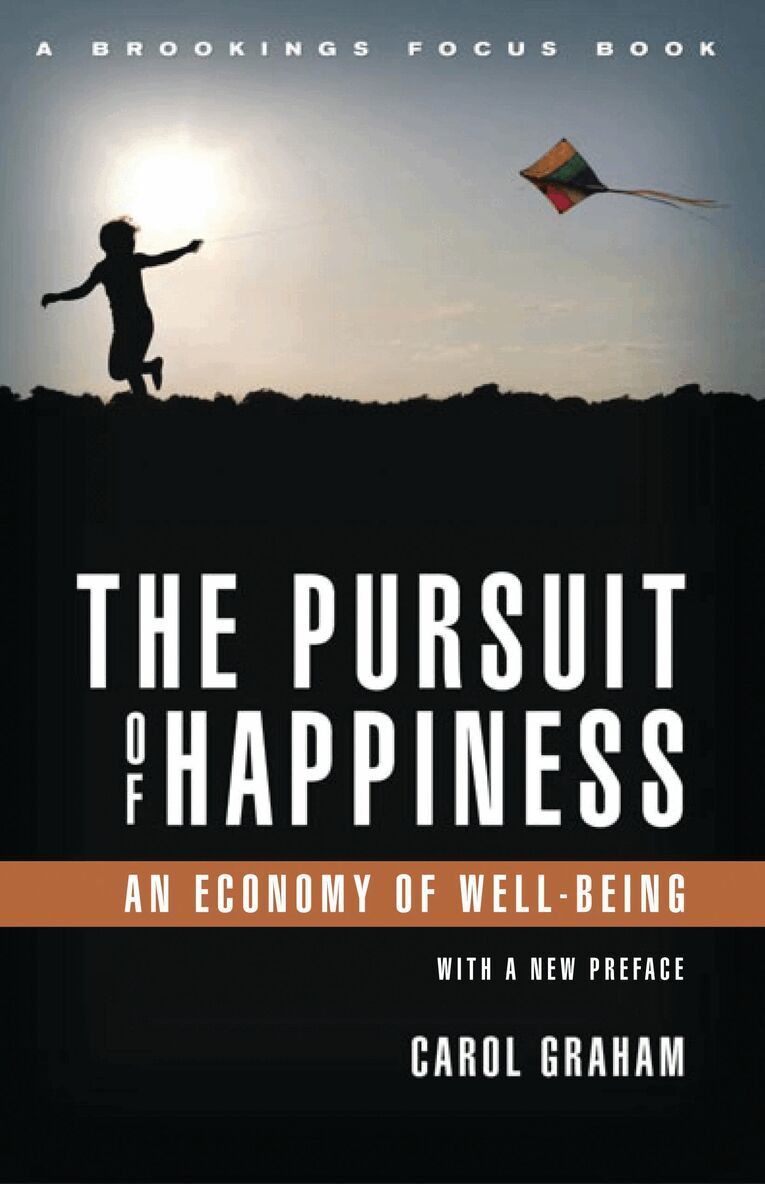
Pursuit of Happiness
An Economy of Well-Being
Häftad, 2012
289 kr
Lägg i varukorg
In The Pursuit of Happiness, renowned economist Carol Graham explores what we know about the determinants of happiness and clearly presents both the promise and the potential pitfalls of injecting the ""economics of happiness"" into public policymaking. While the book spotlights the innovative …
Happiness and Hardship
Opportunity and Insecurity in New Market Economies
Av Carol L. Graham, Stefano Pettinato
Häftad, 2001
275 kr
Lägg i varukorg
Subjective well being, or happiness, has been analyzed in detail by psychologists for decades. Yet only recently has it become the subject of economic analysis. In Happiness and Hardship, Carol Graham and Stefano Pettinato provide a new conceptual framework for analyzing the relationship between …
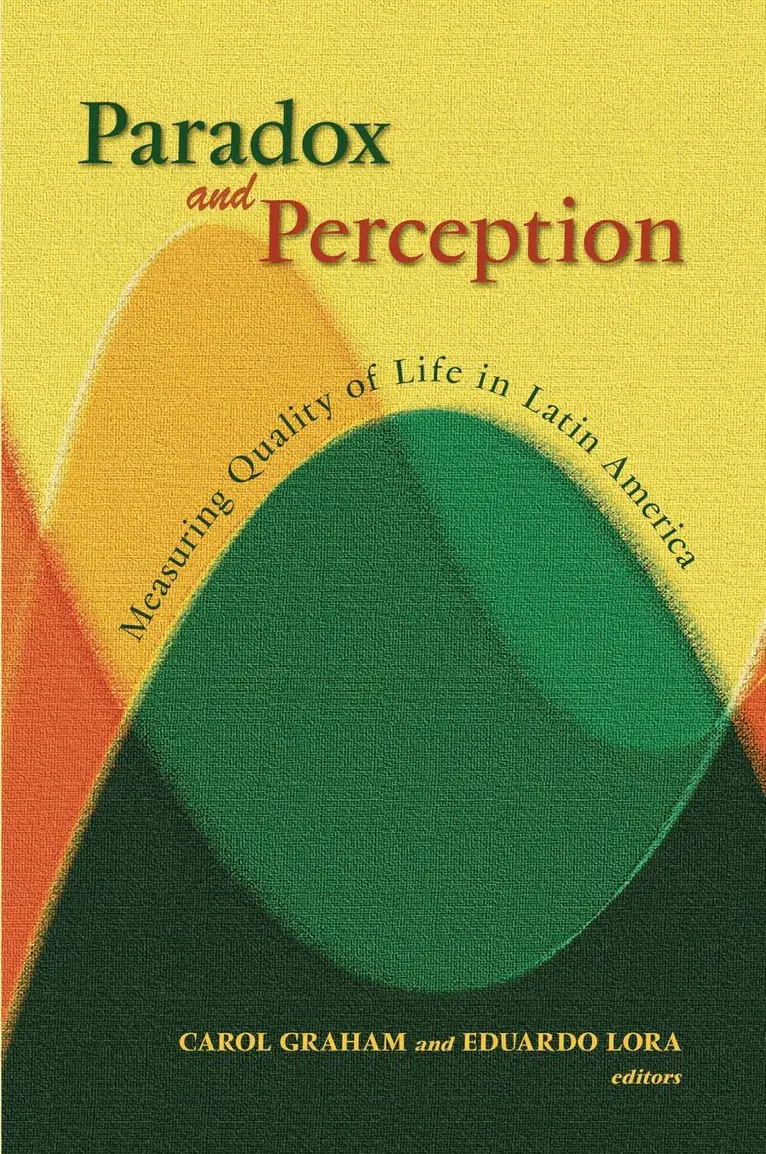
Paradox and Perception
Measuring Quality of Life in Latin America
Av Carol L. Graham, Eduardo Lora
Häftad, 2009
374 kr
Lägg i varukorg
The ""quality of life"" concept of quality of life is a broad one. It incorporates basic needs but also extends beyond them to include capabilities, the ""livability"" of the environment, and life appreciation and happiness. Latin America's diversity in culture and levels of development provide a …
Paradox and Perception
Measuring Quality of Life in Latin America
Av Carol L. Graham, Eduardo Lora
E-bok, 2010
418 kr
Lägg i varukorg
The ""quality of life"" concept of quality of life is a broad one. It incorporates basic needs but also extends beyond them to include capabilities, the ""livability"" of the environment, and life appreciation and happiness. Latin America's diversity in culture and levels of development provide a …
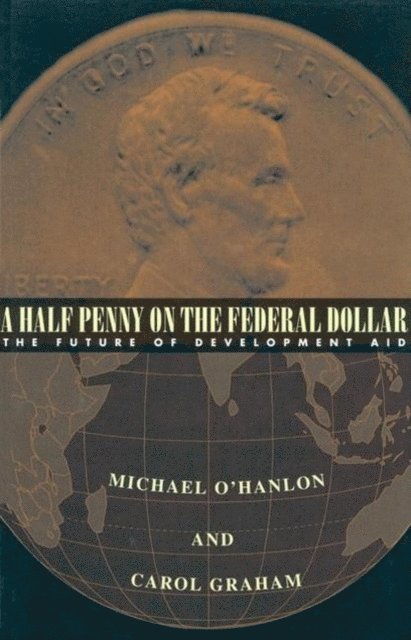
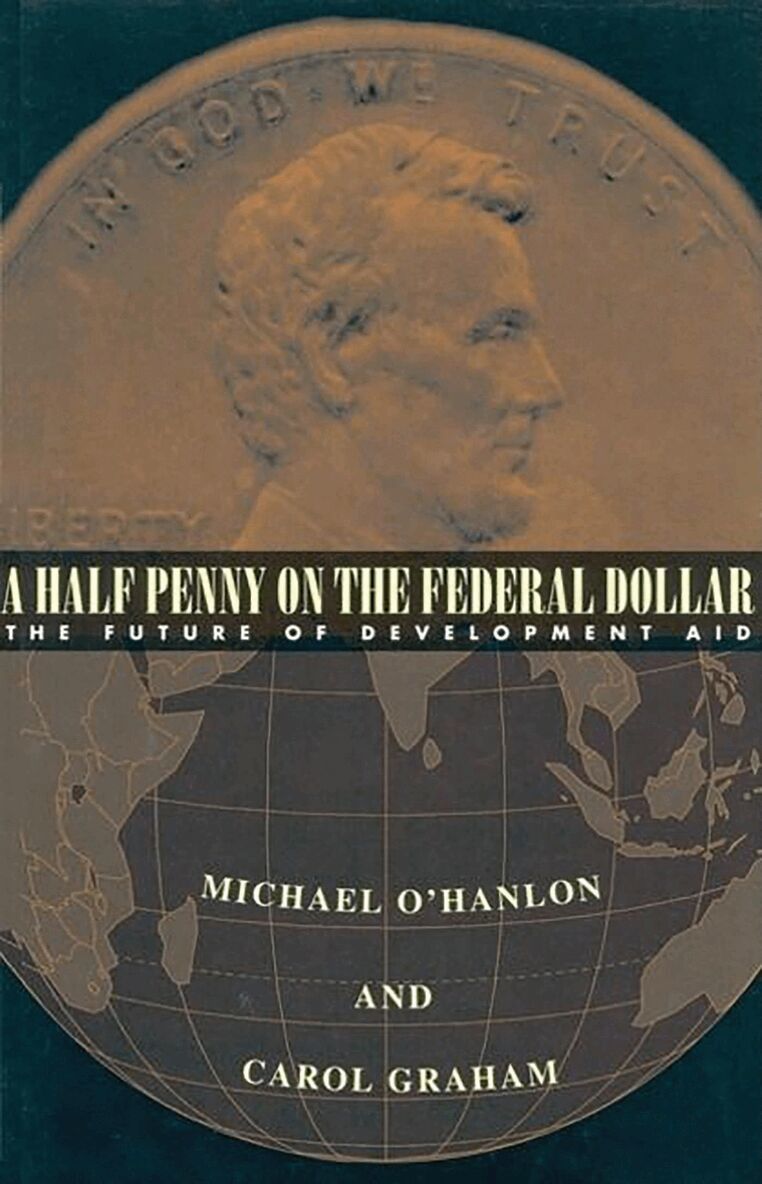
Half Penny on the Federal Dollar
The Future of Development Aid
Av Michael E. O'Hanlon, Carol L. Graham
E-bok, 2010
250 kr
Lägg i varukorg
Spending on U.S. foreign affairs, which constitutes only about one percent of the federal budget, is being sharply reduced. Under the President's 1996 budget plan, it will decline by just as great a percentage as defense between 1990 and 2002and by substantially more than defense over the …
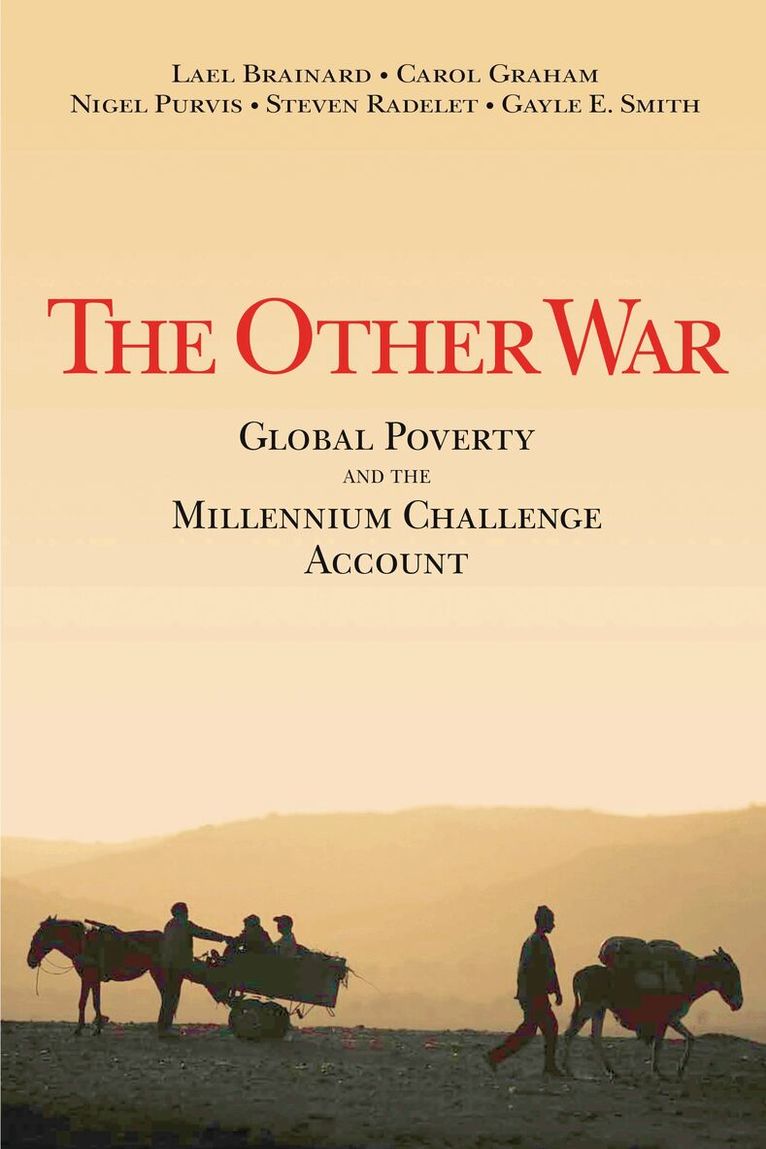
Other War
Global Poverty and the Millennium Challenge Account
Av Lael Brainard, Carol L. Graham m. fl.
Häftad, 2003
289 kr
Lägg i varukorg
A Brookings Institution Press and the Center for Global Development publicationThe plight of the poorest around the world has been pushed to the forefront of America's international agenda for the first time in many years by the war on terrorism and the formidable challenges presented by the …
Other War
Global Poverty and the Millennium Challenge Account
Av Lael Brainard, Carol L. Graham m. fl.
E-bok, 2004
321 kr
Lägg i varukorg
A Brookings Institution Press and the Center for Global Development publication The plight of the poorest around the world has been pushed to the forefront of America's international agenda for the first time in many years by the war on terrorism and the formidable challenges presented by the …
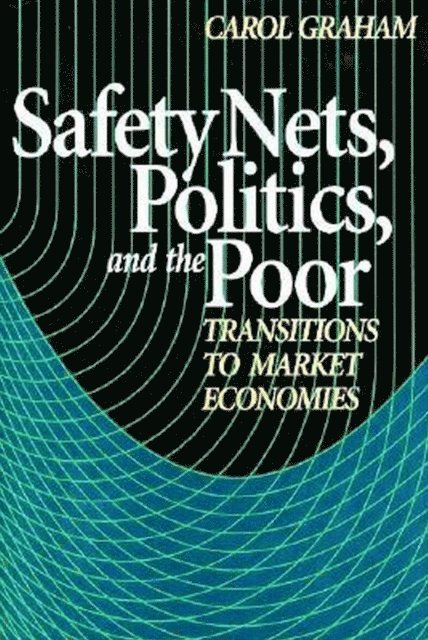
Safety Nets, Politics, and the Poor
Transitions to Market Economies
E-bok, 2010
431 kr
Lägg i varukorg
Countries worldwide are attempting difficult transitions from state-planned to market economies. Most of these countries have fragile democratic regimes that are threatened by the high social and political costs of reform. Governmentsand ultimately societieshave to make hard choices about …
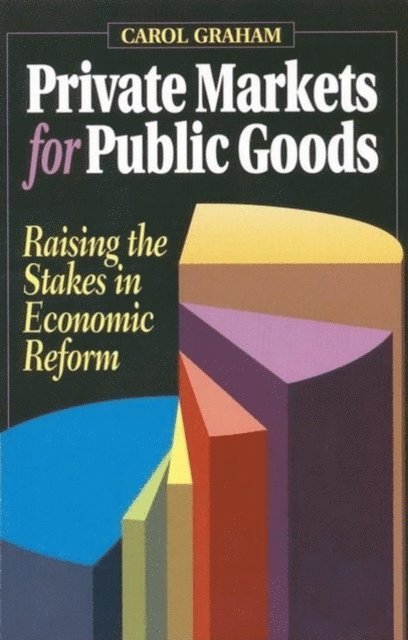
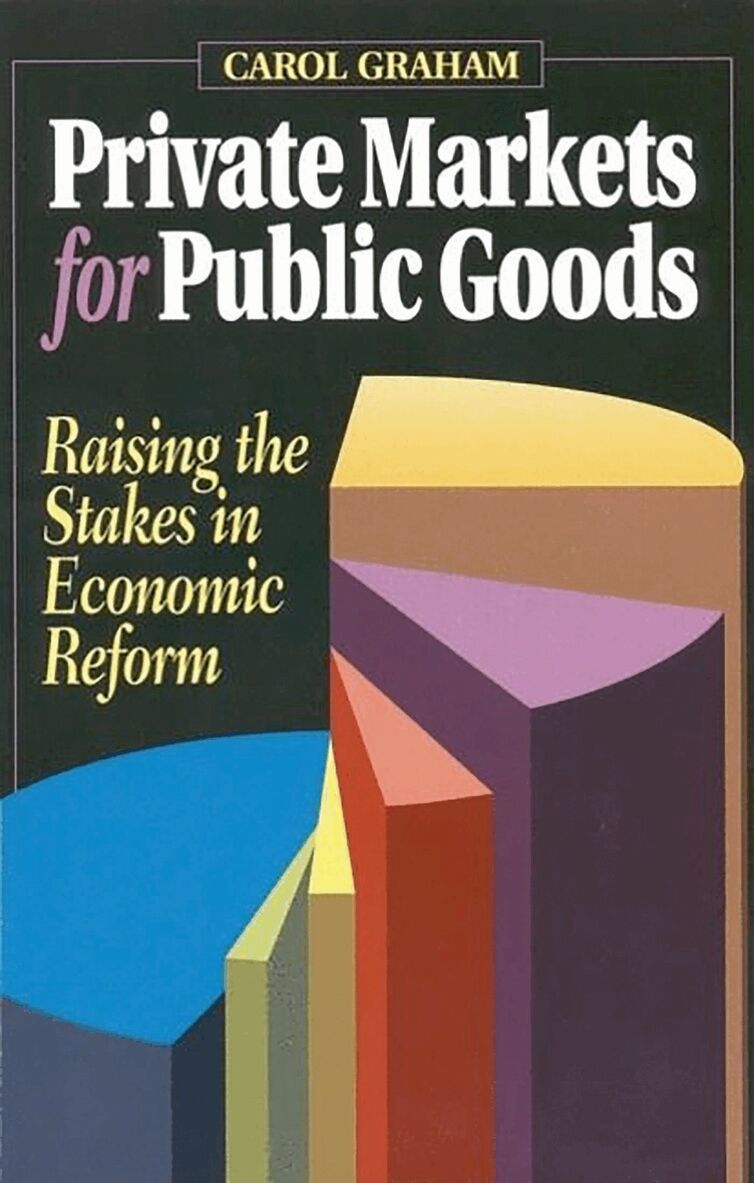
Private Markets for Public Goods
Raising the Stakes in Economic Reform
E-bok, 2001
321 kr
Lägg i varukorg
This book studies the effects of incorporating market incentives into the public goods arena. Carol Graham examines the effects of market-based strategies on the performance of public institutions, the political sustainability of market reforms, and equity. In so doing, she examines a variety of …
Private Markets for Public Goods
Raising the Stakes in Economic Reform
Häftad, 1998
298 kr
Lägg i varukorg
This book studies the effects of incorporating market incentives into the public goods arena. Carol Graham examines the effects of market-based strategies on the performance of public institutions, the political sustainability of market reforms, and equity. In so doing, she examines a variety of …
Half Penny on the Federal Dollar
The Future of Development Aid
Av Michael E. O'Hanlon, Carol L. Graham
Häftad, 1997
233 kr
Lägg i varukorg
Spending on U.S. foreign affairs, which constitutes only about one percent of the federal budget, is being sharply reduced. Under the President's 1996 budget plan, it will decline by just as great a percentage as defense between 1990 and 2002and by substantially more than defense over the …
Happiness and Hardship
Opportunity and Insecurity in New Market Economies
Av Carol L. Graham, Stefano Pettinato
E-bok, 2004
296 kr
Lägg i varukorg
Subjective well being, or happiness, has been analyzed in detail by psychologists for decades. Yet only recently has it become the subject of economic analysis. In Happiness and Hardship, Carol Graham and Stefano Pettinato provide a new conceptual framework for analyzing the relationship between …