Carol Muller - Böcker
Visar alla böcker från författaren Carol Muller. Handla med fri frakt och snabb leverans.
2 produkter
2 produkter
371 kr
Skickas inom 7-10 vardagar
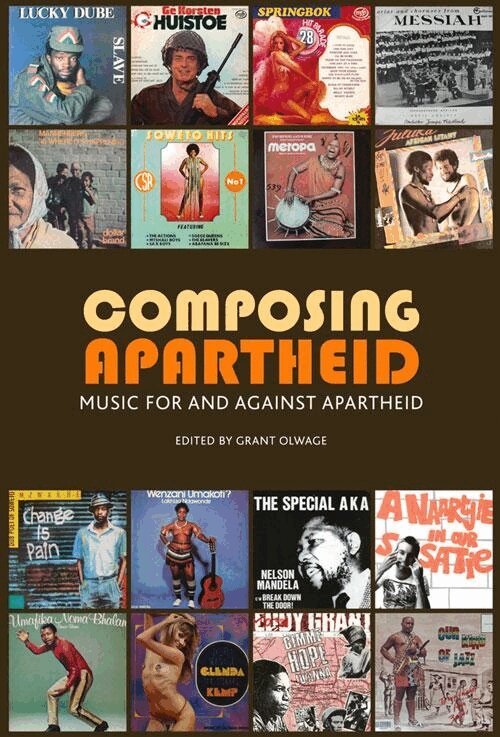
Composing Apartheid is the first book ever to chart the musical world of a notorious period in world history, apartheid South Africa. It explores how music was produced through, and was productive of, key features of apartheid's social and political topography, as well as how music and musicians contested and even helped to conquer apartheid. The collection of essays is intentionally broad, and the contributors include historians, sociologists and anthropologists, as well as ethnomusicologists, music theorists and historical musicologists. The essays focus on a variety of music (jazz, music in the Western art tradition, popular music) and on major composers (such as Kevin Volans) and works (Handel's Messiah). Musical institutions and previously little-researched performers (such as the African National Congress's troupe-in-exile, Amandla) are explored. The writers move well beyond their subject matter, intervening in debates on race, historiography, and postcolonial epistemologies and pedagogies.
422 kr
Tillfälligt slut
Composed by Isaiah and Galilee Shembe between 1940 and 1940, Izihlabelelo zama Nazaretha - Shembe Hymns - is one of the earliest known books in the Zulu language. Drawing on the poetic traditions of lzibongo (praises), the Biblical Psalms, and local renditions of African American Spirituals, these texts speak to conditions of oppression and suffering, but also to the will to joy and hopefulness in such moments. The hymns were translated by Bongani Mthethwa before his death and are edited and introduced by Carol Muller, who also produced the accompanying CD. Muller's introduction brings the song texts to life and recounts the controversial moment in the 1990s, when the organ was introduced by church member and ethnomusicologist, Bongani Mthethwa, to accompany the hymnal repertory. The initiative gave birth to dozens of youth choirs who subsequently began composing their own repertory about Shembe in a more 'gospel-inflected' musical version of their faith.