Carol Owens – författare
Visar alla böcker från författaren Carol Owens. Handla med fri frakt och snabb leverans.
27 produkter
Studying Lacan's Seminars IV and V
From Lack to Desire
Av Carol Owens, Nadezhda Almqvist
Inbunden, 2018
2441 kr
Lägg i varukorg
This is the first collection of essays to offer a comprehensive analysis of, and reflection on, the major themes emergent in Jacques Lacan’s seminars of 1955-56 and 1956-57: Seminar IV – the object relation, and Seminar V – formations of the unconscious.Assessing the value of a clinical approach …
Studying Lacan's Seminars IV and V
From Lack to Desire
Av Carol Owens, Nadezhda Almqvist
Häftad, 2018
601 kr
Lägg i varukorg
This is the first collection of essays to offer a comprehensive analysis of, and reflection on, the major themes emergent in Jacques Lacan’s seminars of 1955-56 and 1956-57: Seminar IV – the object relation, and Seminar V – formations of the unconscious.Assessing the value of a clinical approach …
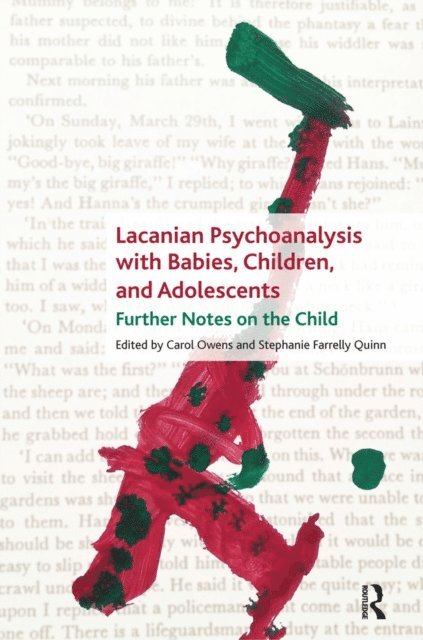
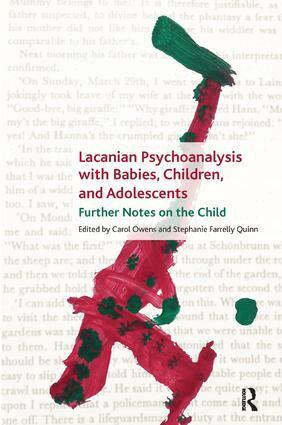
Lacanian Psychoanalysis with Babies, Children, and Adolescents
Further Notes on the Child
Av Stephanie Farrelly Quinn, Carol Owens
Inbunden, 2019
2073 kr
Lägg i varukorg
Lacan did not say or write very much about the psychoanalysis of children. There is no doctrine of the psychoanalysis of children in his work. Instead, his 1956-1957 seminar on 'the object relation' and his 'Note on the Child' of 1969 have been adopted by Lacanian analysts working with children as …
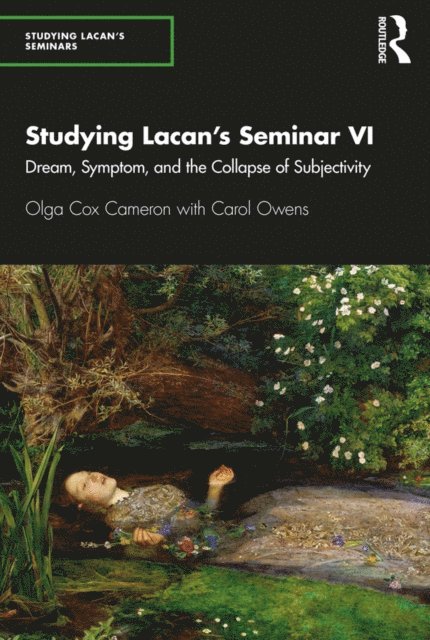
Studying Lacan’s Seminar VI
Dream, Symptom, and the Collapse of Subjectivity
Av Olga Cox Cameron, Carol Owens
Häftad, 2021
627 kr
Lägg i varukorg
The second volume in the Studying Lacan’s Seminars series, this book is the first comprehensive study of Lacan’s Seminar VI: Desire and its Interpretation. A natural companion to Bruce Fink’s recent translation of the seminar into English (2019), this book offers a genuine opportunity to delve …
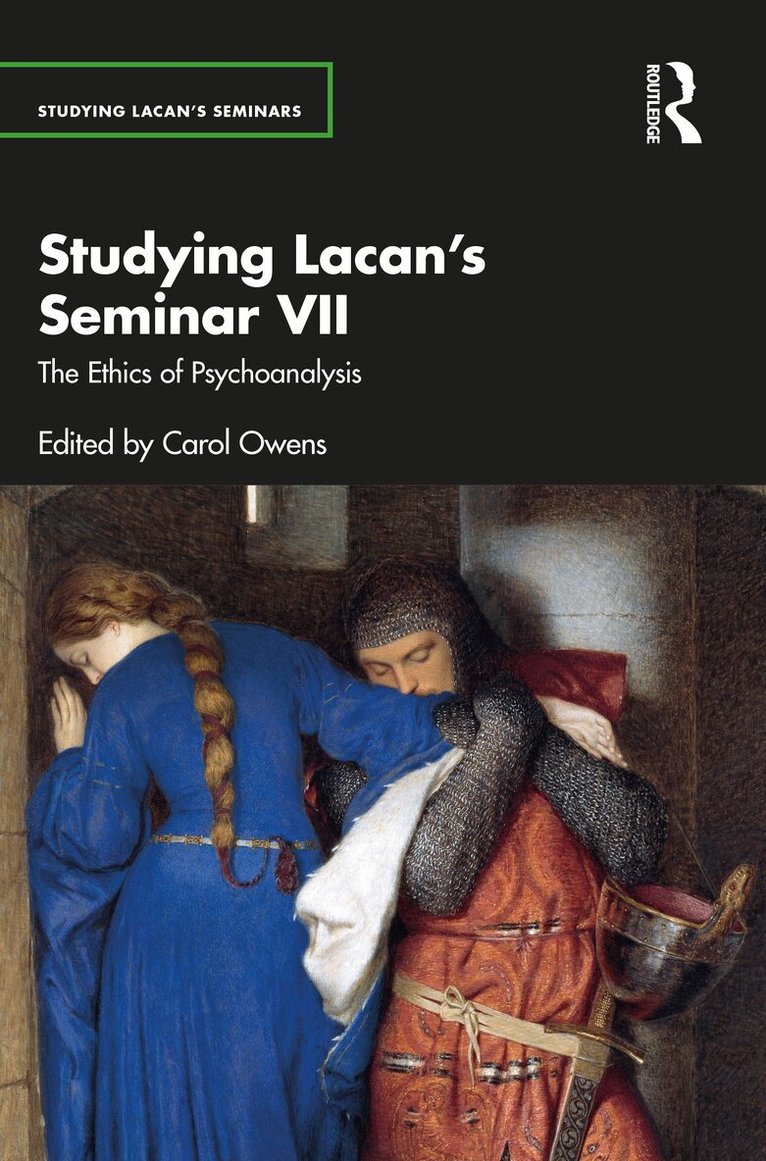
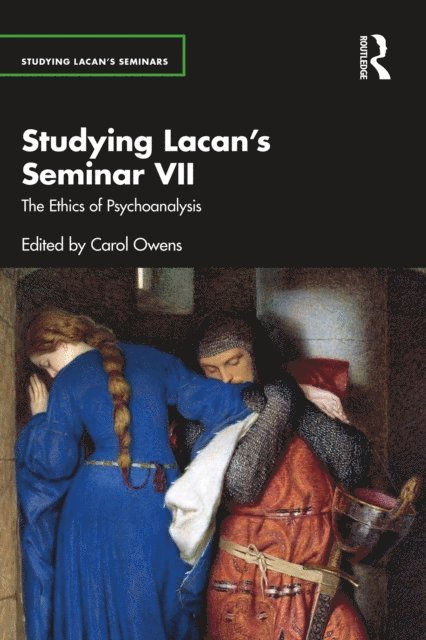
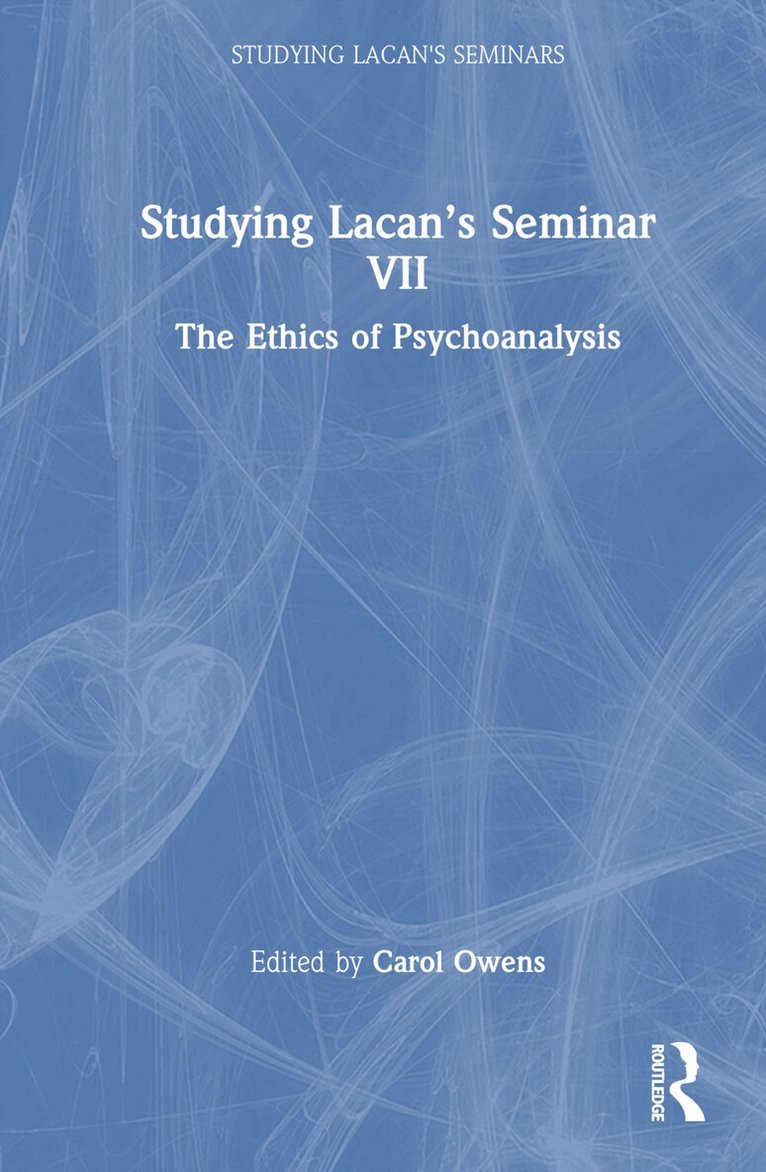
Studying Lacan’s Seminar VII
The Ethics of Psychoanalysis
Av Carol Owens
Häftad, 2023
644 kr
Lägg i varukorg
Studying Lacan’s Seminar VII offers a contemporary, critically informed set of analyses of Lacan’s ethics seminar and astute reflections about what Lacan’s ethics offer to the field of psychoanalytic thought today. The volume interrogates the seminar with fresh voices and situated curiosities and …
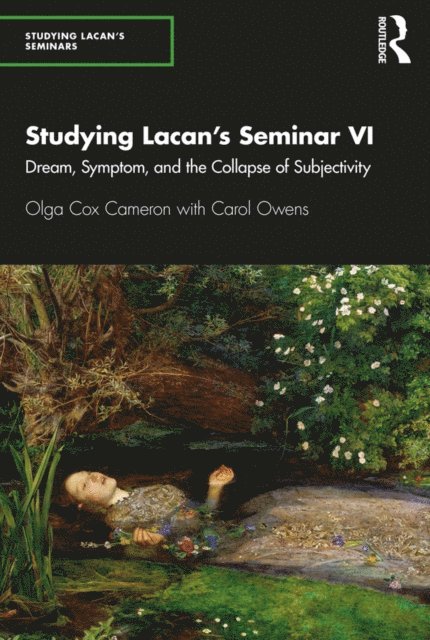
Studying Lacan’s Seminar VI
Dream, Symptom, and the Collapse of Subjectivity
Av Olga Cox Cameron, Carol Owens
Inbunden, 2021
2888 kr
Lägg i varukorg
The second volume in the Studying Lacan’s Seminars series, this book is the first comprehensive study of Lacan’s Seminar VI: Desire and its Interpretation. A natural companion to Bruce Fink’s recent translation of the seminar into English (2019), this book offers a genuine opportunity to delve …
Studying Lacan's Seminars IV and V
From Lack to Desire
Av Nadezhda Almqvist, Carol Owens
E-bok, 2018
707 kr
Lägg i varukorg
This is the first collection of essays to offer a comprehensive analysis of, and reflection on, the major themes emergent in Jacques Lacan’s seminars of 1955-56 and 1956-57: Seminar IV – the object relation, and Seminar V – formations of the unconscious. Assessing the value of a clinical approach …
Studying Lacan's Seminars IV and V
From Lack to Desire
Av Nadezhda Almqvist, Carol Owens
E-bok, 2018
707 kr
Lägg i varukorg
This is the first collection of essays to offer a comprehensive analysis of, and reflection on, the major themes emergent in Jacques Lacan’s seminars of 1955-56 and 1956-57: Seminar IV – the object relation, and Seminar V – formations of the unconscious. Assessing the value of a clinical approach …
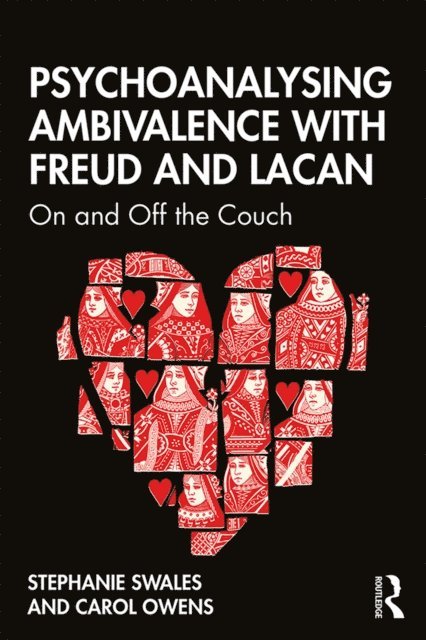
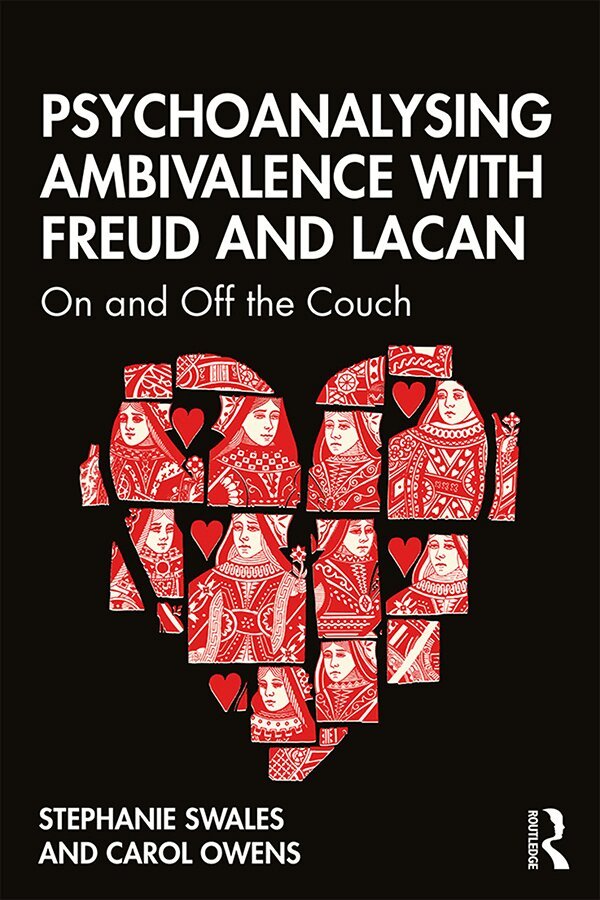
Psychoanalysing Ambivalence with Freud and Lacan
On and Off the Couch
Av Carol Owens, Stephanie Swales
E-bok, 2019
640 kr
Lägg i varukorg
Taking a deep dive into contemporary Western culture, this book suggests we are all fundamentally ambivalent beings. A great deal has been written about how to love – to be kinder, more empathic, a better person, and so on. But trying to love without dealing with our ambivalence, with our hatred, …
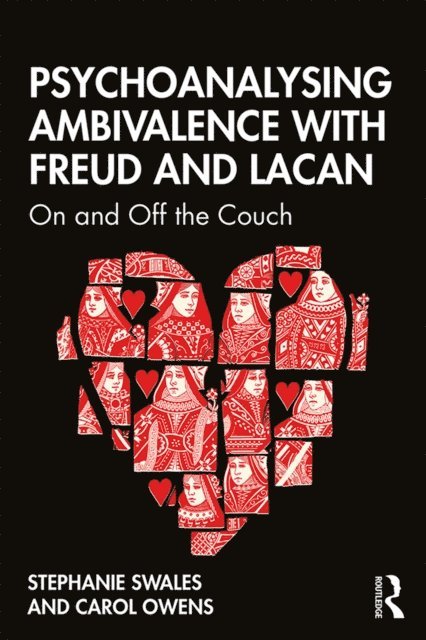
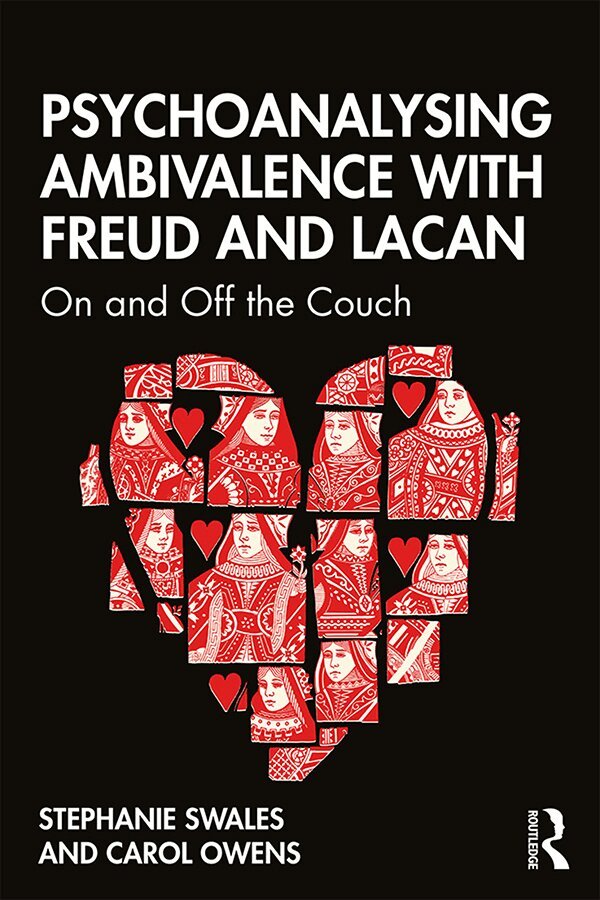
Psychoanalysing Ambivalence with Freud and Lacan
On and Off the Couch
Av Carol Owens, Stephanie Swales
E-bok, 2019
626 kr
Lägg i varukorg
Taking a deep dive into contemporary Western culture, this book suggests we are all fundamentally ambivalent beings. A great deal has been written about how to love – to be kinder, more empathic, a better person, and so on. But trying to love without dealing with our ambivalence, with our hatred, …
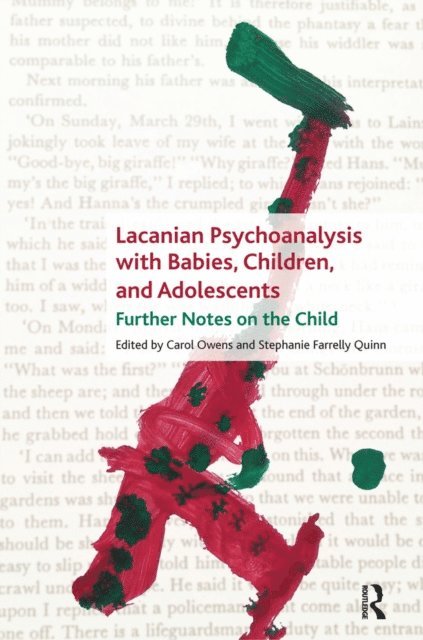
Lacanian Psychoanalysis with Babies, Children, and Adolescents
Further Notes on the Child
Av Carol Owens, Stephanie Farrelly Quinn
E-bok, 2018
589 kr
Lägg i varukorg
Lacan did not say or write very much about the psychoanalysis of children. There is no doctrine of the psychoanalysis of children in his work. Instead, his 1956-1957 seminar on ''the object relation'' and his ''Note on the Child'' of 1969 have been adopted by Lacanian analysts working with children …
Lacanian Psychoanalysis with Babies, Children, and Adolescents
Further Notes on the Child
Av Carol Owens, Stephanie Farrelly Quinn
E-bok, 2018
589 kr
Lägg i varukorg
Lacan did not say or write very much about the psychoanalysis of children. There is no doctrine of the psychoanalysis of children in his work. Instead, his 1956-1957 seminar on ''the object relation'' and his ''Note on the Child'' of 1969 have been adopted by Lacanian analysts working with children …
Studying Lacan's Seminar VI
Dream, Symptom, and the Collapse of Subjectivity
Av Carol Owens, Olga Cox Cameron
E-bok, 2021
505 kr
Lägg i varukorg
The second volume in the Studying Lacan’s Seminars series, this book is the first comprehensive study of Lacan’s Seminar VI: Desire and its Interpretation . A natural companion to Bruce Fink’s recent translation of the seminar into English (2019), this book offers a genuine opportunity to delve …
Studying Lacan's Seminar VI
Dream, Symptom, and the Collapse of Subjectivity
Av Carol Owens, Olga Cox Cameron
E-bok, 2021
494 kr
Lägg i varukorg
The second volume in the Studying Lacan’s Seminars series, this book is the first comprehensive study of Lacan’s Seminar VI: Desire and its Interpretation . A natural companion to Bruce Fink’s recent translation of the seminar into English (2019), this book offers a genuine opportunity to delve …
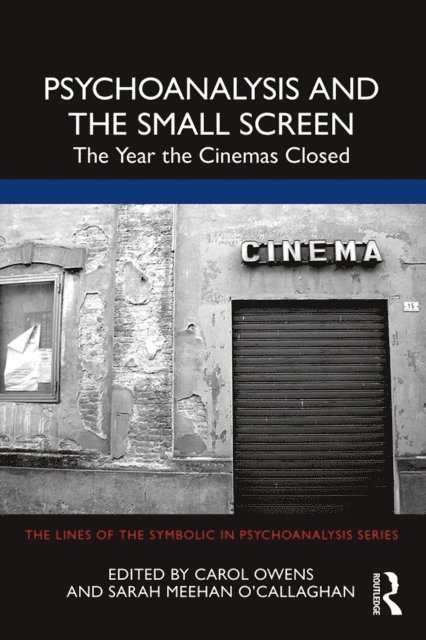
Psychoanalysis and the Small Screen
The Year the Cinemas Closed
Av Sarah Meehan O'Callaghan, Carol Owens
E-bok, 2023
494 kr
Lägg i varukorg
Psychoanalysis and the Small Screen examines the impact of cinema closures and the shift to small-screen consumption on our aesthetic and subjective desires during the COVID-19 pandemic from a Lacanian perspective. The chapters in this text hold a unique focus on the intersections of film, …
Psychoanalysis and the Small Screen
The Year the Cinemas Closed
Av Sarah Meehan O'Callaghan, Carol Owens
E-bok, 2023
494 kr
Lägg i varukorg
Psychoanalysis and the Small Screen examines the impact of cinema closures and the shift to small-screen consumption on our aesthetic and subjective desires during the COVID-19 pandemic from a Lacanian perspective. The chapters in this text hold a unique focus on the intersections of film, …
Studying Lacan's Seminar VII
The Ethics of Psychoanalysis
Av Carol Owens
E-bok, 2023
644 kr
Lägg i varukorg
Studying Lacan’s Seminar VII offers a contemporary, critically informed set of analyses of Lacan’s ethics seminar and astute reflections about what Lacan’s ethics offer to the field of psychoanalytic thought today. The volume interrogates the seminar with fresh voices and situated curiosities and …
Studying Lacan's Seminar VII
The Ethics of Psychoanalysis
Av Carol Owens
E-bok, 2023
658 kr
Lägg i varukorg
Studying Lacan’s Seminar VII offers a contemporary, critically informed set of analyses of Lacan’s ethics seminar and astute reflections about what Lacan’s ethics offer to the field of psychoanalytic thought today. The volume interrogates the seminar with fresh voices and situated curiosities and …
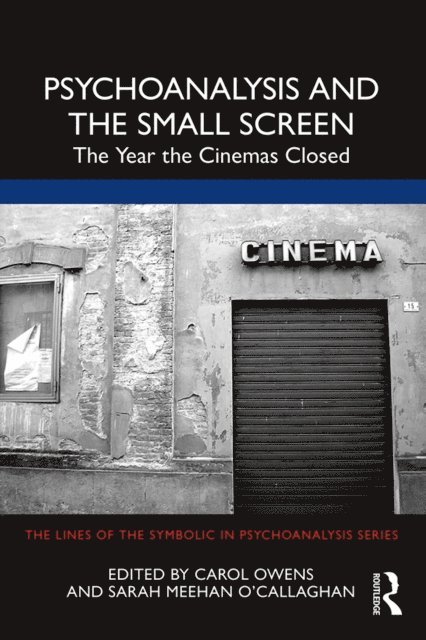
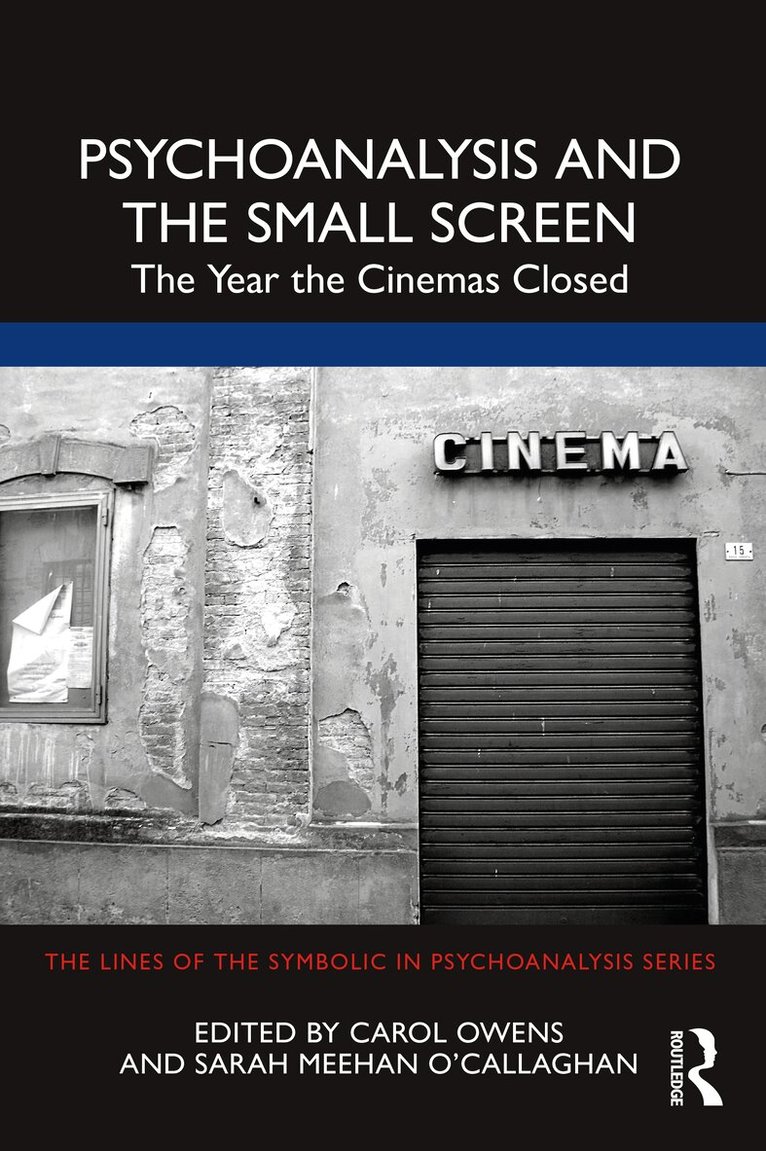
Psychoanalysis and the Small Screen
The Year the Cinemas Closed
Av Carol Owens, Sarah Meehan O'Callaghan
Inbunden, 2023
2586 kr
Lägg i varukorg
Psychoanalysis and the Small Screen examines the impact of cinema closures and the shift to small-screen consumption on our aesthetic and subjective desires during the COVID-19 pandemic from a Lacanian perspective. The chapters in this text hold a unique focus on the intersections of film, …
Psychoanalysis and the Small Screen
The Year the Cinemas Closed
Av Carol Owens, Sarah Meehan O'Callaghan
Häftad, 2023
547 kr
Lägg i varukorg
Psychoanalysis and the Small Screen examines the impact of cinema closures and the shift to small-screen consumption on our aesthetic and subjective desires during the COVID-19 pandemic from a Lacanian perspective. The chapters in this text hold a unique focus on the intersections of film, …
Studying Lacan’s Seminar VII
The Ethics of Psychoanalysis
Av Carol Owens
Inbunden, 2023
2888 kr
Lägg i varukorg
Studying Lacan’s Seminar VII offers a contemporary, critically informed set of analyses of Lacan’s ethics seminar and astute reflections about what Lacan’s ethics offer to the field of psychoanalytic thought today. The volume interrogates the seminar with fresh voices and situated curiosities and …
Psychoanalysing Ambivalence with Freud and Lacan
On and Off the Couch
Av Stephanie Swales, Carol Owens
Inbunden, 2019
2586 kr
Lägg i varukorg
Taking a deep dive into contemporary Western culture, this book suggests we are all fundamentally ambivalent beings. A great deal has been written about how to love – to be kinder, more empathic, a better person, and so on. But trying to love without dealing with our ambivalence, with our hatred, …
Psychoanalysing Ambivalence with Freud and Lacan
On and Off the Couch
Av Stephanie Swales, Carol Owens
Häftad, 2019
577 kr
Lägg i varukorg
Taking a deep dive into contemporary Western culture, this book suggests we are all fundamentally ambivalent beings. A great deal has been written about how to love – to be kinder, more empathic, a better person, and so on. But trying to love without dealing with our ambivalence, with our hatred, …
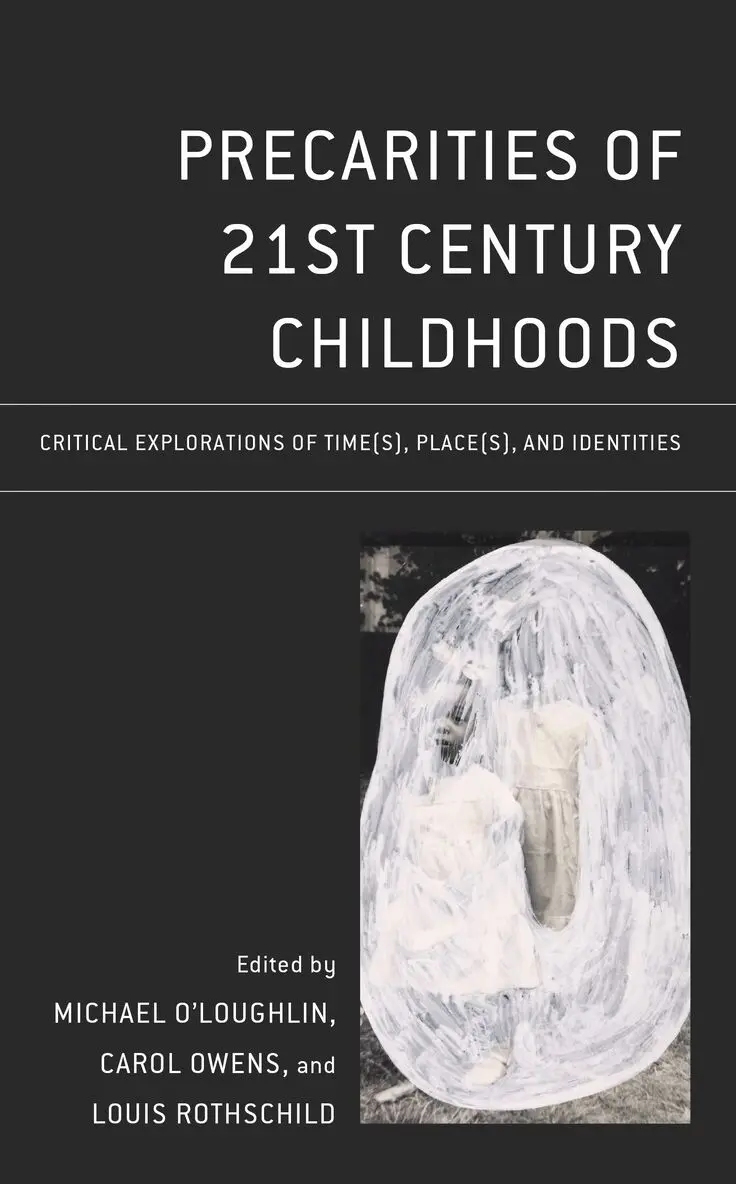
Precarities of 21st Century Childhoods
Critical Explorations of Time(s), Place(s), and Identities
Av Michael O'Loughlin, Carol Owens m. fl.
Inbunden, 2023
1248 kr
Lägg i varukorg
This book locates internally focused, critical perspectives regarding the social, political, emotional, and mental growth of children. Through the radical openness afforded by psychoanalytic and related frameworks, this volume illuminates, promotes, and helps situate subjectivities that are often …
Lacanian Psychoanalysis with Babies, Children, and Adolescents
Further Notes on the Child
Av Stephanie Farrelly Quinn, Carol Owens
Häftad, 2017
575 kr
Lägg i varukorg
Lacan did not say or write very much about the psychoanalysis of children. There is no doctrine of the psychoanalysis of children in his work. Instead, his 1956-1957 seminar on 'the object relation' and his 'Note on the Child' of 1969 have been adopted by Lacanian analysts working with children as …