Carole P. Biggam - Böcker
Visar alla böcker från författaren Carole P. Biggam. Handla med fri frakt och snabb leverans.
5 produkter
5 produkter
375 kr
Skickas inom 7-10 vardagar
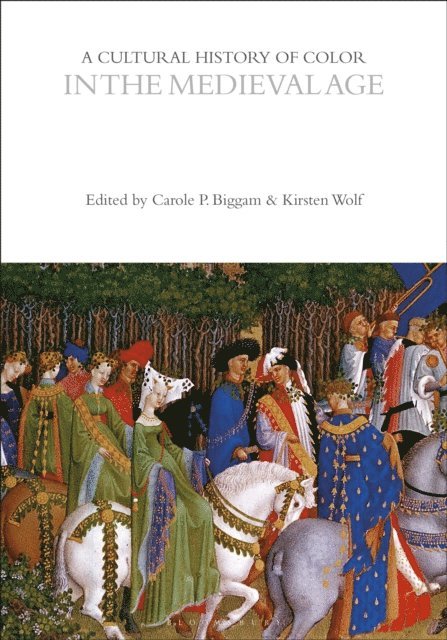
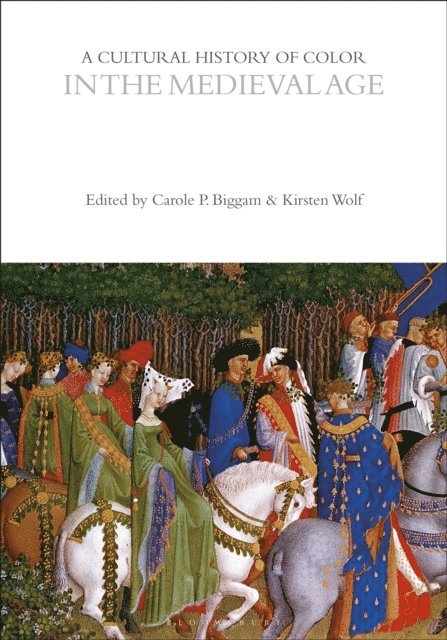
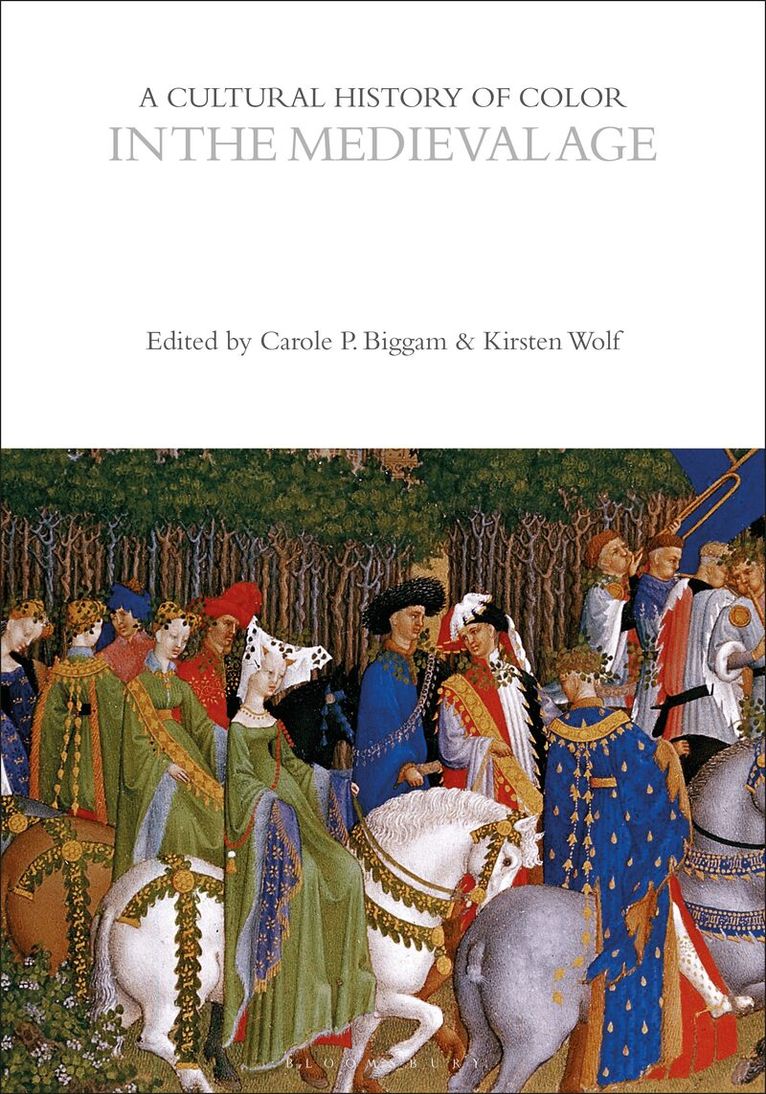
A Cultural History of Color in the Medieval Age covers the period 500 to 1400. The medieval age saw an extraordinary burst of color - from illuminated manuscripts and polychrome sculpture to architecture and interiors, and from enamelled and jewelled metalwork to colored glass and the exquisite decoration of artefacts. Color was used to denote affiliation in heraldry and social status in medieval clothes. Color names were created in various languages and their resonance explored in poems, romances, epics, and plays. And, whilst medieval philosophers began to explain the rainbow, theologians and artists developed a color symbolism for both virtues and vices.Color shapes an individual’s experience of the world and also how society gives particular spaces, objects, and moments meaning. The 6 volume set of the Cultural History of Color examines how color has been created, traded, used, and interpreted over the last 5000 years. The themes covered in each volume are color philosophy and science; color technology and trade; power and identity; religion and ritual; body and clothing; language and psychology; literature and the performing arts; art; architecture and interiors; and artefacts.Carole P. Biggam is Honorary Senior Research Fellow in English Language and Linguistics at the University of Glasgow, U.K. Kirsten Wolf is Professor of Old Norse and Scandinavian Linguistics at the University of Wisconsin-Madison, USA.Volume 2 in the Cultural History of Color set.General Editors: Carole P. Biggam and Kirsten Wolf
375 kr
Skickas inom 7-10 vardagar
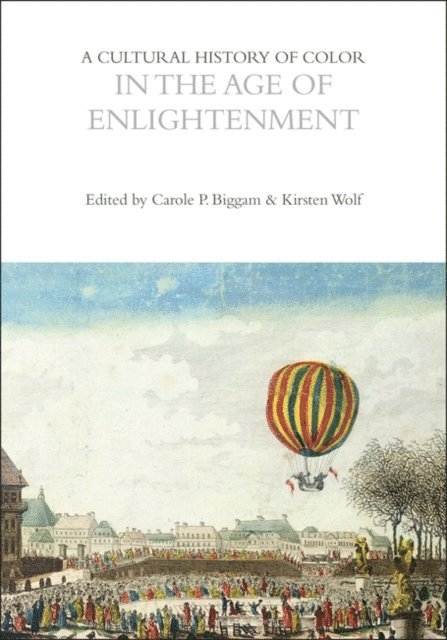
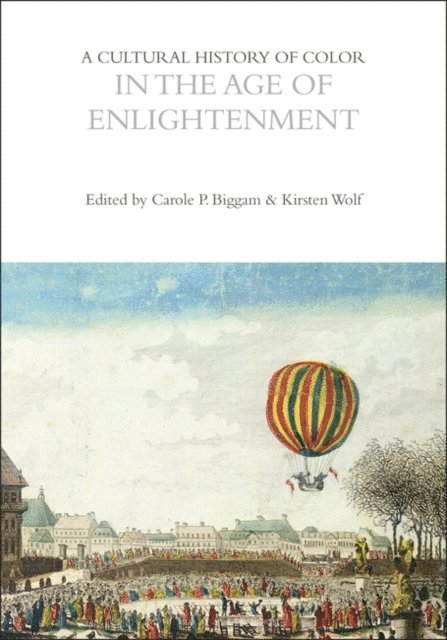
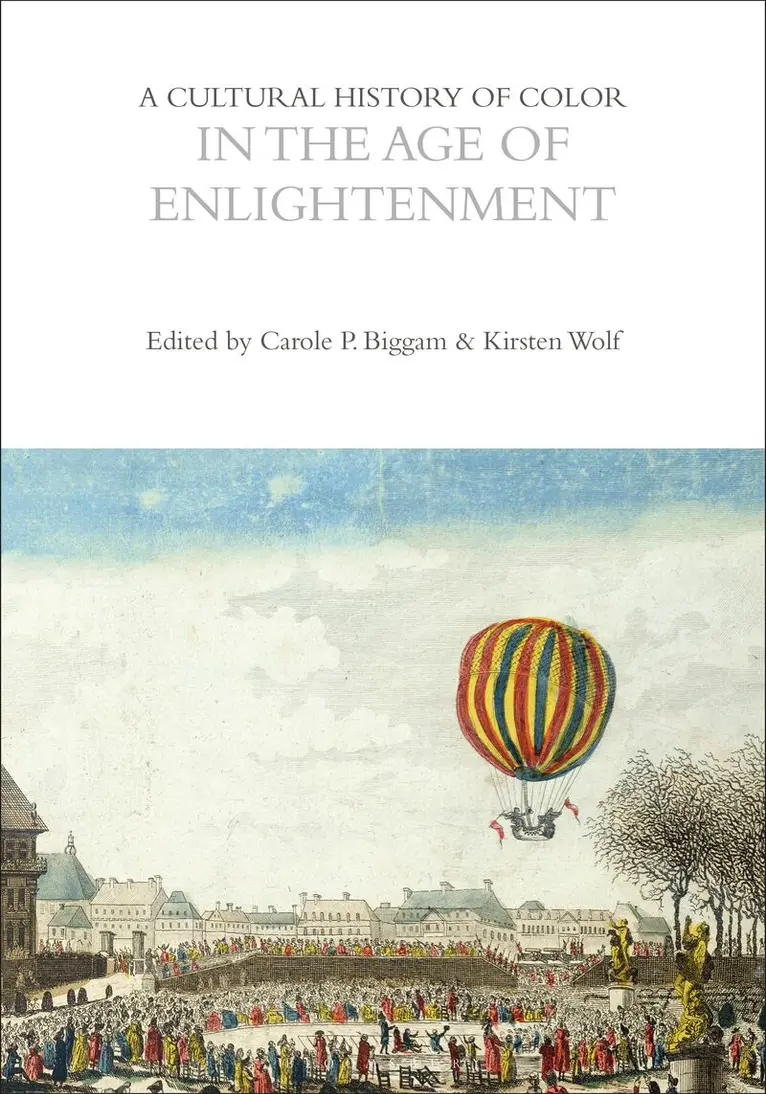
A Cultural History of Color in the Age of Enlightenment covers the period 1650 to 1800. From the Baroque to the Neo-classical, color transformed art, architecture, ceramics, jewelry, and glass. Newton, using a prism, demonstrated the seven separate hues, which encouraged the development of color wheels and tables, and the increased standardization of color names. Technological advances in color printing resulted in superb maps and anatomical and botanical images. Identity and wealth were signalled with color, in uniforms, flags, and fashion. And the growth of empires, trade, and slavery encouraged new ideas about color.Color shapes an individual’s experience of the world and also how society gives particular spaces, objects, and moments meaning. The 6 volume set of the Cultural History of Color examines how color has been created, traded, used, and interpreted over the last 5000 years. The themes covered in each volume are color philosophy and science; color technology and trade; power and identity; religion and ritual; body and clothing; language and psychology; literature and the performing arts; art; architecture and interiors; and artefacts.Carole P. Biggam is Honorary Senior Research Fellow in English Language and Linguistics at the University of Glasgow, U.K. Kirsten Wolf is Professor of Old Norse and Scandinavian Linguistics at the University of Wisconsin-Madison, USA.Volume 4 in the Cultural History of Color set.General Editors: Carole P. Biggam and Kirsten Wolf
2 233 kr
Skickas inom 7-10 vardagar
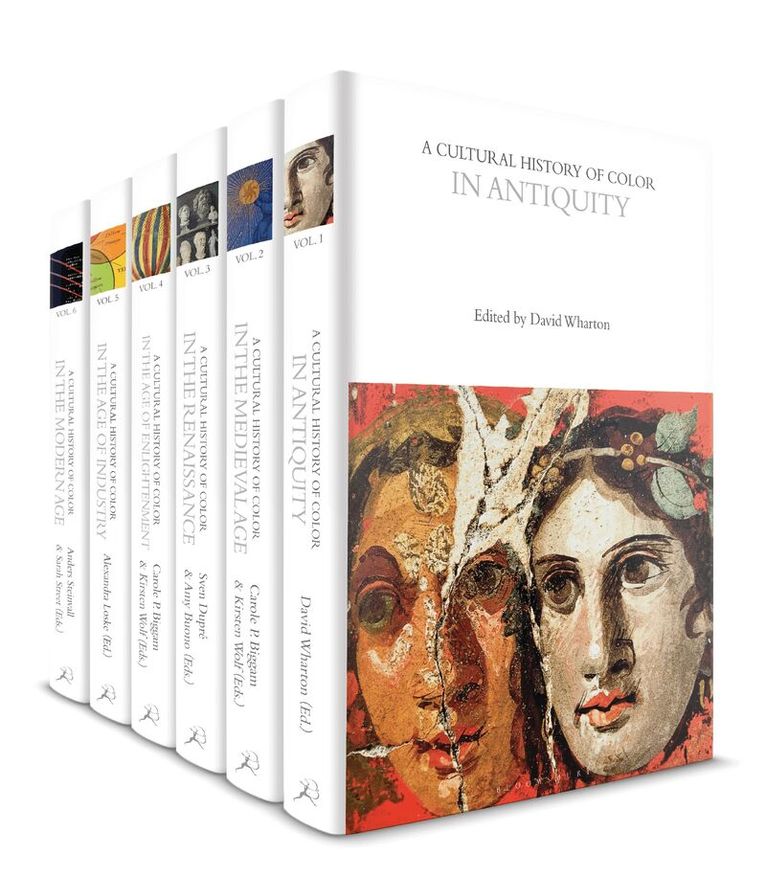
A Cultural History of Color presents a history of 5000 years of color in western culture. The first systematic and comprehensive history, the work examines how color has been perceived, developed, produced and traded, and how it has been used in all aspects of performance - from the political to the religious to the artistic - and how it shapes all we see, from food and nature to interiors and architecture, to objects and art, to fashion and adornment, to the color of the naked human body, and to the way our minds work and our languages are created.Chapter titles are identical across each of the volumes. This gives the choice of reading about a specific period in one of the volumes, or following a theme across history by reading the relevant chapter in each of the six. The themes (and chapter titles) are: Color Philosophy and Science; Color Technology and Trade; Power and Identity; Religion and Ritual; Body and Clothing; Language and Psychology; Literature and the Performing Arts; Art; Architecture and Interiors; Artefacts.The six volumes cover: 1 – Antiquity (3,000 BCE to 500 CE); 2 – Medieval Age (500 to 1400); 3 – Renaissance (1400 to 1650); 4 – Age of Enlightenment (1650 to 1800); 5 – Age of Industry (1800 to 1920); 6 – Modern Age (1920 to the present).The page extent for the pack is approximately 1720pp. Each volume opens with Notes on Contributors and an Introduction and concludes with Notes, Bibliography, and an Index.The Cultural Histories SeriesA Cultural History of Color is part of The Cultural Histories Series. Titles are available as hardcover sets for libraries needing just one subject or preferring a tangible reference for their shelves or as part of a fully-searchable digital library. The digital product is available to institutions by annual subscription or on perpetual access via www.bloomsburyculturalhistory.com . Individual volumes for academics and researchers interested in specific historical periods are also available in print or digitally via www.bloomsburycollections.com .
9 958 kr
Tillfälligt slut
A Cultural History of Color presents a history of 5000 years of color in western culture. The first systematic and comprehensive history, the work examines how color has been perceived, developed, produced and traded, and how it has been used in all aspects of performance - from the political to the religious to the artistic - and how it shapes all we see, from food and nature to interiors and architecture, to objects and art, to fashion and adornment, to the color of the naked human body, and to the way our minds work and our languages are created. Chapter titles are identical across each of the volumes. This gives the choice of reading about a specific period in one of the volumes, or following a theme across history by reading the relevant chapter in each of the six. The themes (and chapter titles) are: Color Philosophy and Science; Color Technology and Trade; Power and Identity; Religion and Ritual; Body and Clothing; Language and Psychology; Literature and the Performing Arts; Art; Architecture and Interiors; Artefacts.The six volumes cover: 1 – Antiquity (3,000 BCE to 500 CE); 2 – Medieval Age (500 to 1400); 3 – Renaissance (1400 to 1650); 4 – Age of Enlightenment (1650 to 1800); 5 – Age of Industry (1800 to 1920); 6 – Modern Age (1920 to the present).The page extent for the pack is approximately 1760pp. Each volume opens with Notes on Contributors and an Introduction and concludes with Notes, Bibliography, and an Index.The Cultural Histories SeriesA Cultural History of Color is part of The Cultural Histories Series. Titles are available as hardcover sets for libraries needing just one subject or preferring a tangible reference for their shelves or as part of a fully-searchable digital library. The digital product is available to institutions by annual subscription or on perpetual access via www.bloomsburyculturalhistory.com . Individual volumes for academics and researchers interested in specific historical periods are also available in print or digitally via www.bloomsburycollections.com .
1 524 kr
Skickas inom 11-20 vardagar
This volume presents recent research in colour studies with a particular focus on language, offering both continuity and innovation within the field. All chapters are developed from papers first presented at the Progress in Colour Studies 2022 (PICS2022) conference, held at Tallinn University, Estonia. Building on the results of earlier PICS meetings and publications, this book continues the series’ tradition of offering fresh perspectives on colour across languages and cultures.The contributions examine colour in linguistic contexts ranging from semantics and pragmatics to translation, lexicography, and discourse, employing approaches such as corpus-based analysis and experimental methods. Some chapters formulate broad discussions on colour and its role in language and culture, while others present in-depth studies of single colour terms such those denoting red, green, grey, orange, or beige. The volume’s international scope is reflected in the diversity of languages represented.The book opens with an editorial preface situating the contributions within the broader field. It also includes a comprehensive subject index and numerous illustrations. Taken together, these studies make the volume an essential resource for scholars interested in the linguistic dimensions of colour and their broader cognitive and cultural implications.