Caroline Sharples – författare
Visar alla böcker från författaren Caroline Sharples. Handla med fri frakt och snabb leverans.
14 produkter
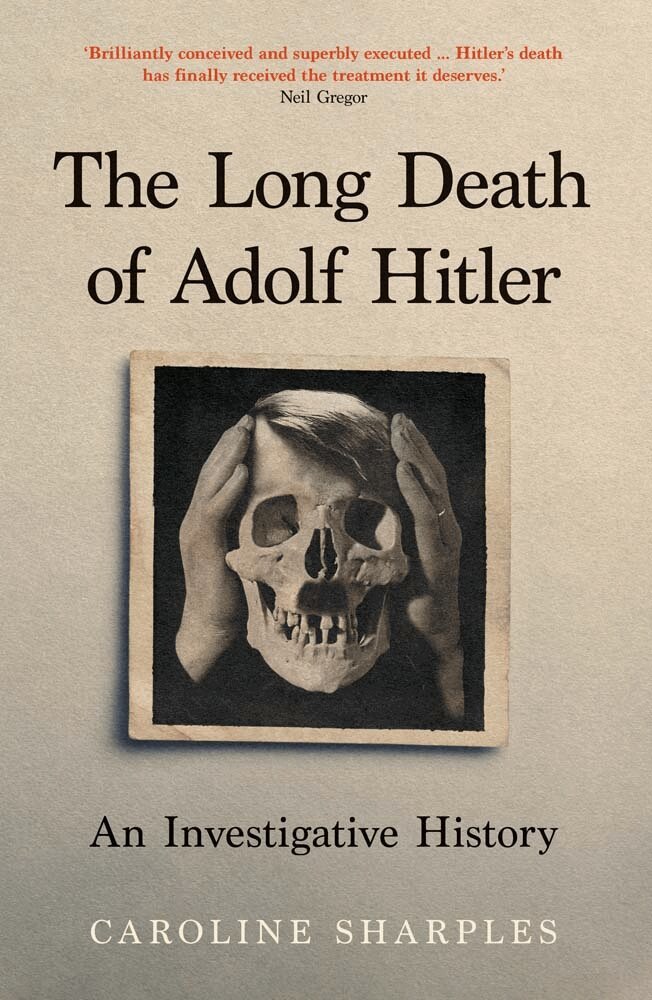
Long Death of Adolf Hitler
An Investigative History
Inbunden, 2026
304 kr
Lägg i varukorg
A fascinating exploration of why Hitler’s death was only confirmed in 2018 Adolf Hitler has taken a long time to die, despite the lethal efficiency of the gun he put to his head in April 1945. Although eagerly anticipated around the world, there were no available witnesses to his suicide—and his …
West Germans and the Nazi Legacy
Inbunden, 2011
2586 kr
Lägg i varukorg
This book constitutes a new history of the complex memory cultures that persisted within post-war West Germany, examining the attitudes of ordinary people to the second wave of Nazi war crimes trials ushered in during the 1960s. It explores responses to the prospect of continuing investigations, …
West Germans and the Nazi Legacy
Häftad, 2024
667 kr
Lägg i varukorg
This book constitutes a new history of the complex memory cultures that persisted within post-war West Germany, examining the attitudes of ordinary people to the second wave of Nazi war crimes trials ushered in during the 1960s. It explores responses to the prospect of continuing investigations, …
West Germans and the Nazi Legacy
E-bok, 2011
768 kr
Lägg i varukorg
This book constitutes a new history of the complex memory cultures that persisted within post-war West Germany, examining the attitudes of ordinary people to the second wave of Nazi war crimes trials ushered in during the 1960s. It explores responses to the prospect of continuing investigations, …
West Germans and the Nazi Legacy
E-bok, 2011
785 kr
Lägg i varukorg
This book constitutes a new history of the complex memory cultures that persisted within post-war West Germany, examining the attitudes of ordinary people to the second wave of Nazi war crimes trials ushered in during the 1960s. It explores responses to the prospect of continuing investigations, …
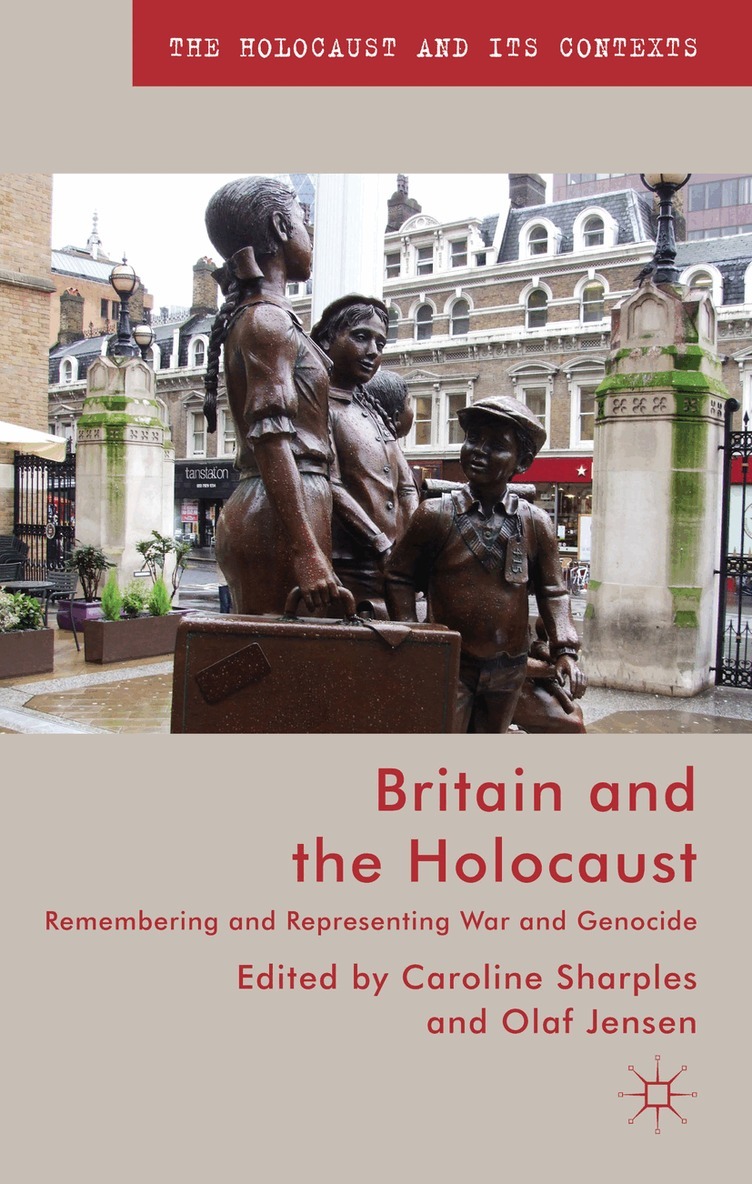
Britain and the Holocaust
Remembering and Representing War and Genocide
Av Caroline Sharples, Olaf Jensen m. fl.
Inbunden, 2013
569 kr
Lägg i varukorg
How has Britain understood the Holocaust? This interdisciplinary volume explores popular narratives of the Second World War and cultural representations of the Holocaust from the Nuremberg trials of 1945-6, to the establishment of a national memorial day by the start of the twenty-first century.
Britain and the Holocaust
Remembering and Representing War and Genocide
Av Olaf Jensen, Caroline Sharples
E-bok, 2013
803 kr
Lägg i varukorg
How has Britain understood the Holocaust? This interdisciplinary volume explores popular narratives of the Second World War and cultural representations of the Holocaust from the Nuremberg trials of 1945-6, to the establishment of a national memorial day by the start of the twenty-first century.
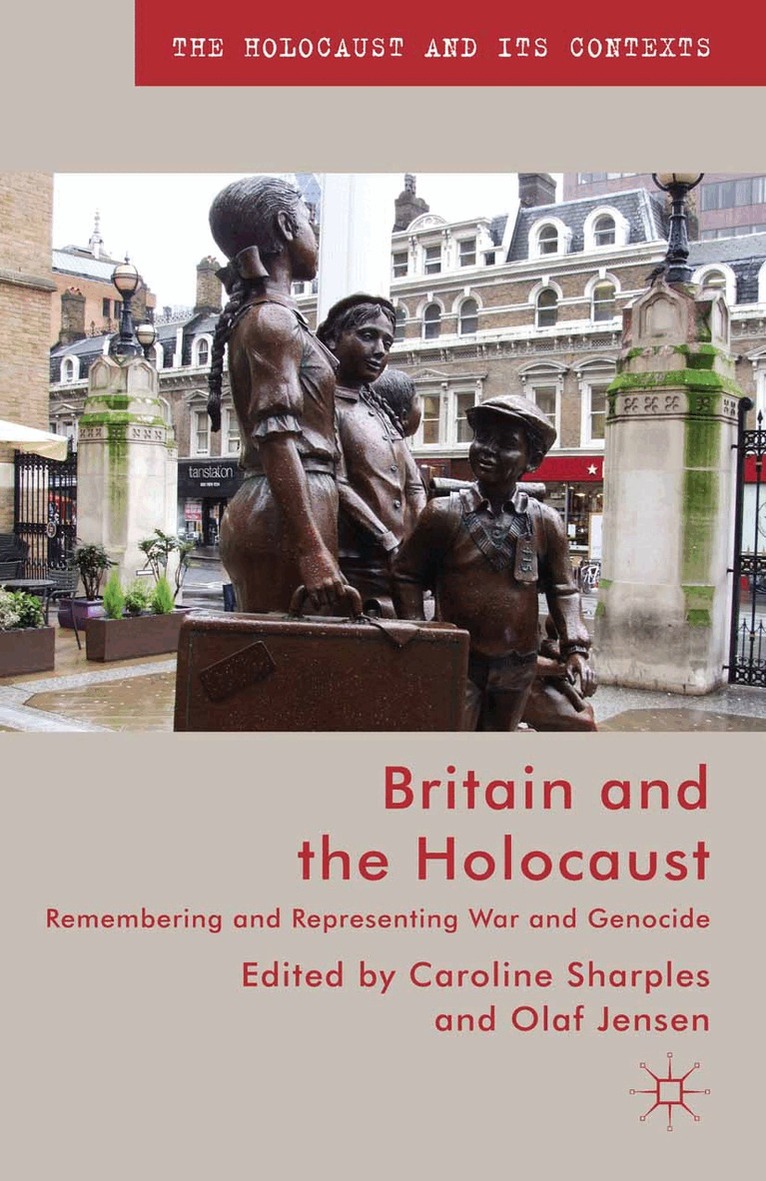
Britain and the Holocaust
Remembering and Representing War and Genocide
Av Caroline Sharples, Olaf Jensen
Häftad, 2013
569 kr
Lägg i varukorg
How has Britain understood the Holocaust? This interdisciplinary volume explores popular narratives of the Second World War and cultural representations of the Holocaust from the Nuremberg trials of 1945-6, to the establishment of a national memorial day by the start of the twenty-first century.
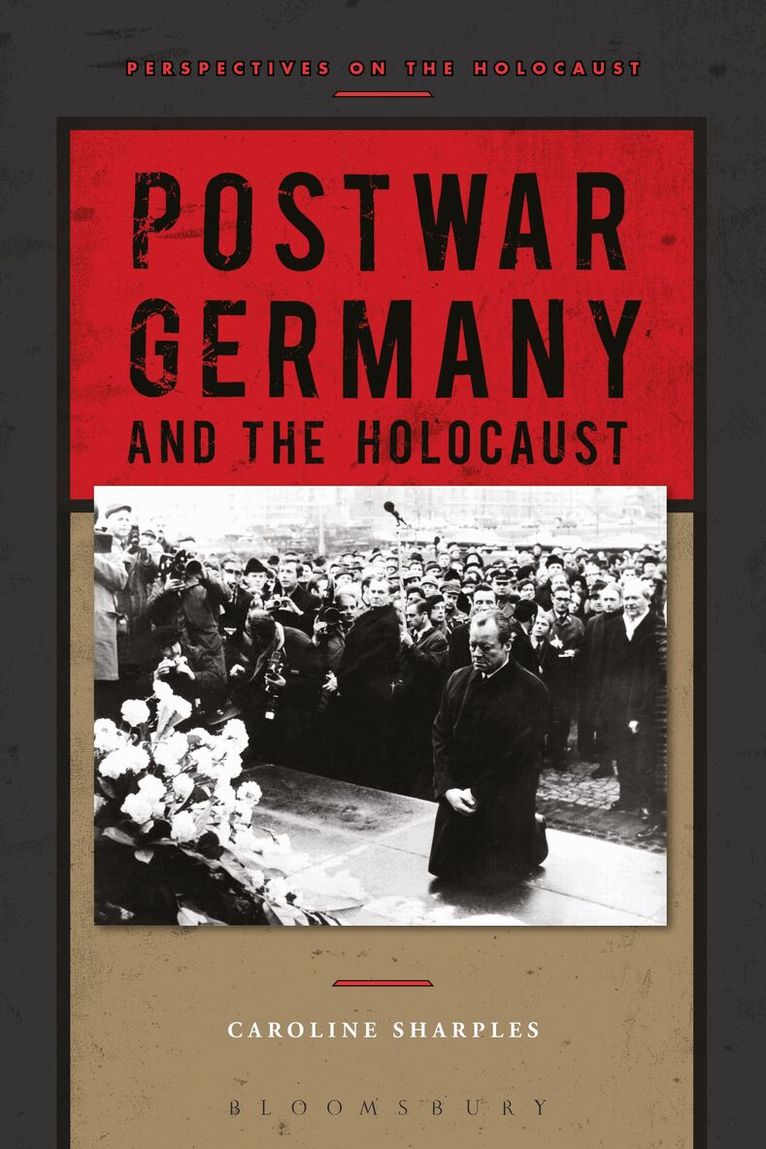
Postwar Germany and the Holocaust
Häftad, 2015
387 kr
Lägg i varukorg
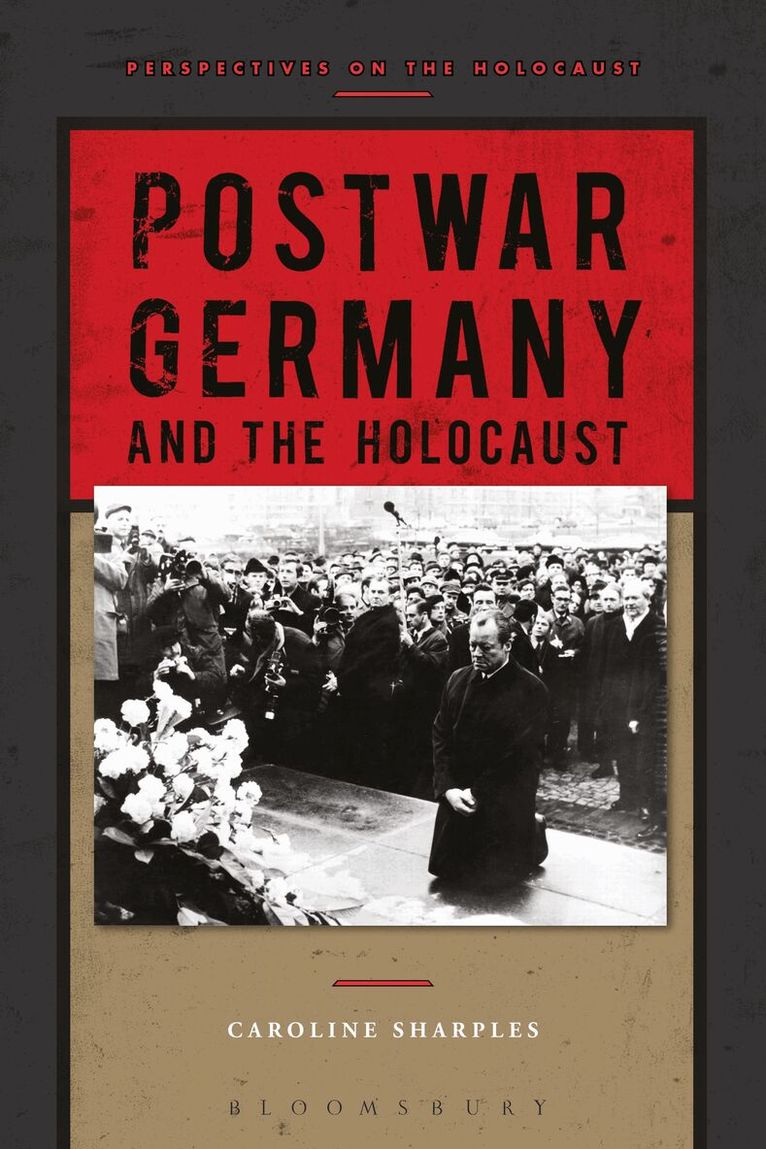
CHOICE Outstanding Academic Title 2016Focussing on German responses to the Holocaust since 1945, Postwar Germany and the Holocaust traces the process of Vergangenheitsbewältigung ('overcoming the past'), the persistence of silences, evasions and popular mythologies with regards to the Nazi era, and …
Postwar Germany and the Holocaust
E-bok, 2015
405 kr
Lägg i varukorg
CHOICE Outstanding Academic Title 2016 Focussing on German responses to the Holocaust since 1945, Postwar Germany and the Holocaust traces the process of Vergangenheitsbewältigung (''overcoming the past''), the persistence of silences, evasions and popular mythologies with regards to the Nazi era, …
Postwar Germany and the Holocaust
E-bok, 2015
418 kr
Lägg i varukorg
CHOICE Outstanding Academic Title 2016 Focussing on German responses to the Holocaust since 1945, Postwar Germany and the Holocaust traces the process of Vergangenheitsbewältigung (''overcoming the past''), the persistence of silences, evasions and popular mythologies with regards to the Nazi era, …
Postwar Germany and the Holocaust
Inbunden, 2015
1613 kr
Lägg i varukorg
CHOICE Outstanding Academic Title 2016Focussing on German responses to the Holocaust since 1945, Postwar Germany and the Holocaust traces the process of Vergangenheitsbewältigung ('overcoming the past'), the persistence of silences, evasions and popular mythologies with regards to the Nazi era, and …
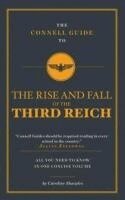
Third Reich
The Rise and Fall of the Nazis
Häftad, 2018
116 kr
Lägg i varukorg
Between 1933 and 1945, Germany was under the grip of the Third Reich. Headed by Adolf Hitler, this National Socialist state endeavoured to control every aspect of the nation’s political, social, economic, religious and cultural life, and indoctrinate every German citizen in its ideology. This …