Caroline Tee – författare
Visar alla böcker från författaren Caroline Tee. Handla med fri frakt och snabb leverans.
6 produkter
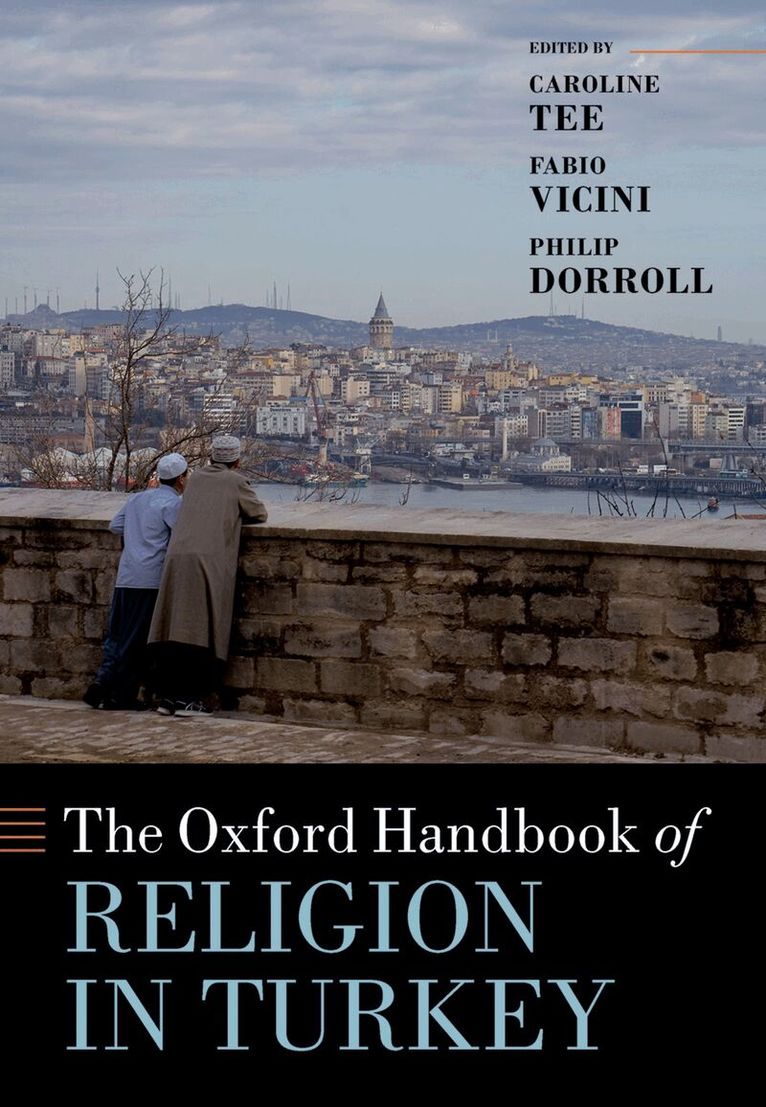
The Oxford Handbook of Religion in Turkey
Av Caroline Tee, Fabio Vicini m. fl.
Inbunden, 2026
2207 kr
Lägg i varukorg
Since its foundation in 1923, the Republic of Turkey has had a complex and often misunderstood relationship with religion. The constitutional laïcité implemented by its founders is unique in a Muslim context, and although the majority of the population identifies as Muslim, the state recognizes no …
Oxford Handbook of Religion in Turkey
Av Philip Dorroll, Fabio Vicini m. fl.
E-bok, 2024
1834 kr
Lägg i varukorg
Since its foundation in 1923, the Republic of Turkey has had a complex and often misunderstood relationship with religion. The constitutional laicite implemented by its founders is unique in a Muslim context, and although the majority of the population identifies as Muslim, the state recognizes no …
Oxford Handbook of Religion in Turkey
Av Philip Dorroll, Fabio Vicini m. fl.
E-bok, 2024
1834 kr
Lägg i varukorg
Since its foundation in 1923, the Republic of Turkey has had a complex and often misunderstood relationship with religion. The constitutional laicite implemented by its founders is unique in a Muslim context, and although the majority of the population identifies as Muslim, the state recognizes no …
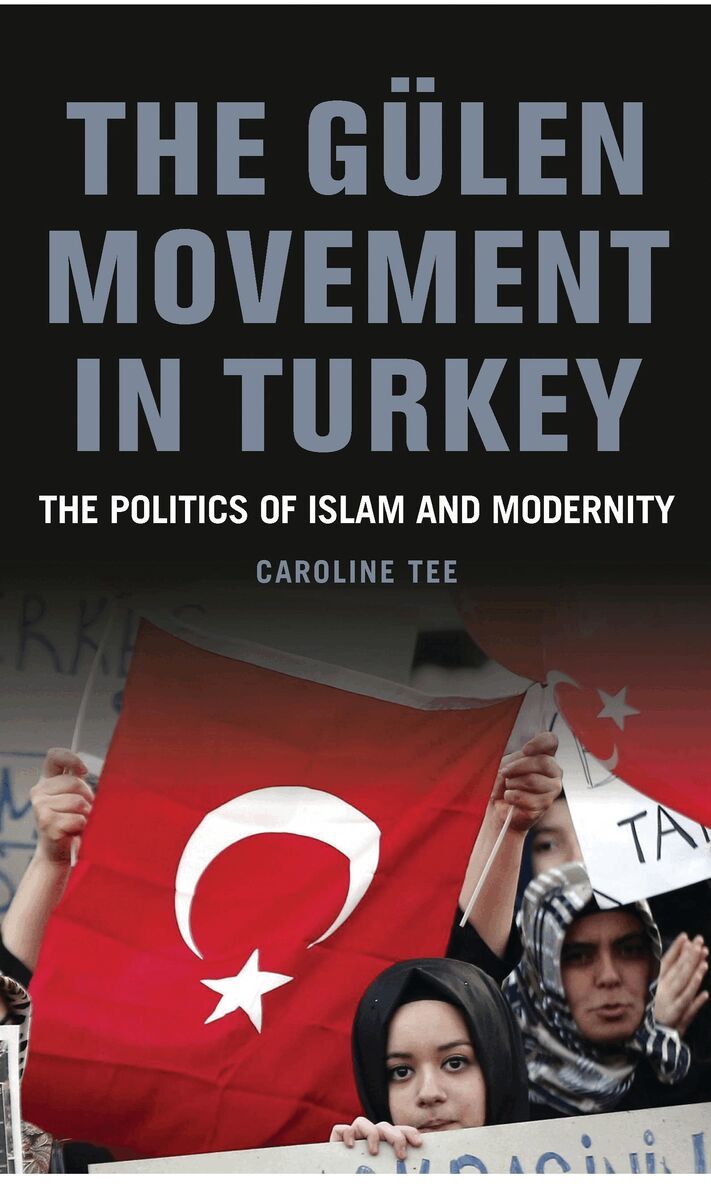
Gülen Movement in Turkey
The Politics of Islam and Modernity
Av Caroline Tee
Inbunden, 2016
655 kr
Lägg i varukorg
What is the Gulen Movement and why is Turkey's President Erdogan so convinced that the organisation and its charismatic leader were behind the failed military coup of 15th July 2016? The Gulen, or Hizmet, movement in Turkey was until recently the country's most powerful and affluent religious …
Gülen Movement in Turkey
The Politics of Islam and Modernity
Av Caroline Tee
E-bok, 2016
702 kr
Lägg i varukorg
What is the Gulen Movement and why is Turkey's President Erdogan so convinced that the organisation and its charismatic leader were behind the failed military coup of 15th July 2016? The Gulen, or Hizmet, movement in Turkey was until recently the country's most powerful and affluent religious …
Gülen Movement in Turkey
The Politics of Islam and Modernity
Av Caroline Tee
E-bok, 2016
717 kr
Lägg i varukorg
What is the Gulen Movement and why is Turkey's President Erdogan so convinced that the organisation and its charismatic leader were behind the failed military coup of 15th July 2016? The Gulen, or Hizmet, movement in Turkey was until recently the country's most powerful and affluent religious …