Carolyn G. Heilbrun – författare
Visar alla böcker från författaren Carolyn G. Heilbrun. Handla med fri frakt och snabb leverans.
8 produkter
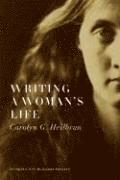
Writing a Woman's Life
Häftad, 2008
229 kr
Lägg i varukorg
In this modern classic, Carolyn G. Heilbrun builds an eloquent argument demonstrating that writers conform all too often to society's expectations of what women should be like at the expense of the truth of the female experience. Drawing on the careers of celebrated authors including Virginia …
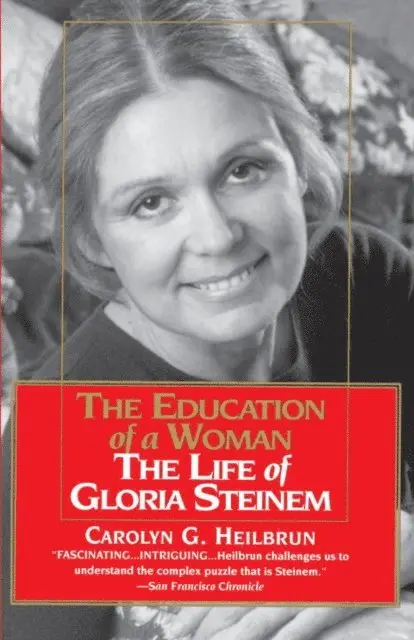
Education of a Woman: The Life of Gloria Steinem
E-bok, 2011
80 kr
Lägg i varukorg
From one of America''s most respected critics comes an acclaimed biography of the controversial feminist. Here, Heilbrun illuminates the life and explores the many facets of Steinem''s complex life, from her difficult childhood to the awakening that changed her into the most famous feminist in the …
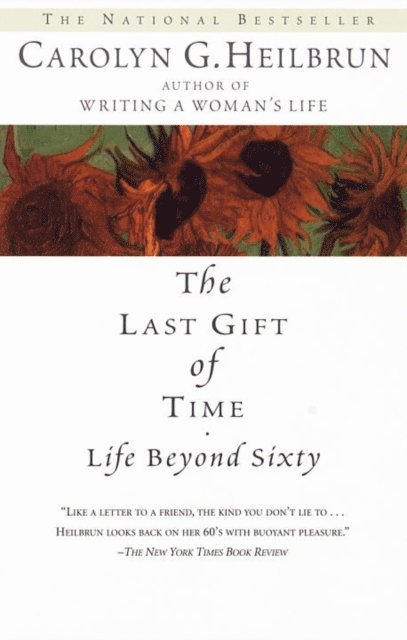
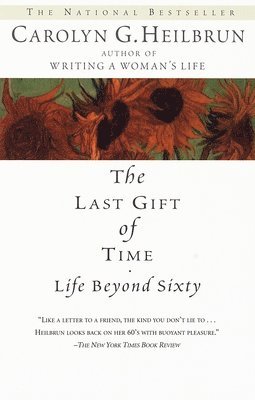
Last Gift of Time
Life Beyond Sixty
E-bok, 2011
128 kr
Lägg i varukorg
When she was young, distinguished author and critic Carolyn Heilbrun solemnly vowed to end her life when she turned seventy. But on the advent of that fateful birthday, she realized that her golden years had been full of unforeseen pleasures. Now, the astute and ever-insightful Heilbrun muses on …
Toward a Recognition of Androgyny
Häftad, 1982
290 kr
Lägg i varukorg
In this quietly provocative book, Carolyn G. Heilbrun opens our eyes to the ways in which the concept of androgyny—the realization of man in woman and woman in man—has run, like a hidden river, from its source in pre-Hellenic myth through the literature of the Western world. The androgynous ideal …
Reinventing Womanhood
Häftad, 1993
279 kr
Lägg i varukorg
"Men have monopolized human experience, leaving women unable to imagine themselves as both ambitious and female. If I imagine myself (woman has always asked) whole, active, a self, will I not cease, in some profound way, to be a woman? The answer must be: imagine, and the old idea of womanhood be …
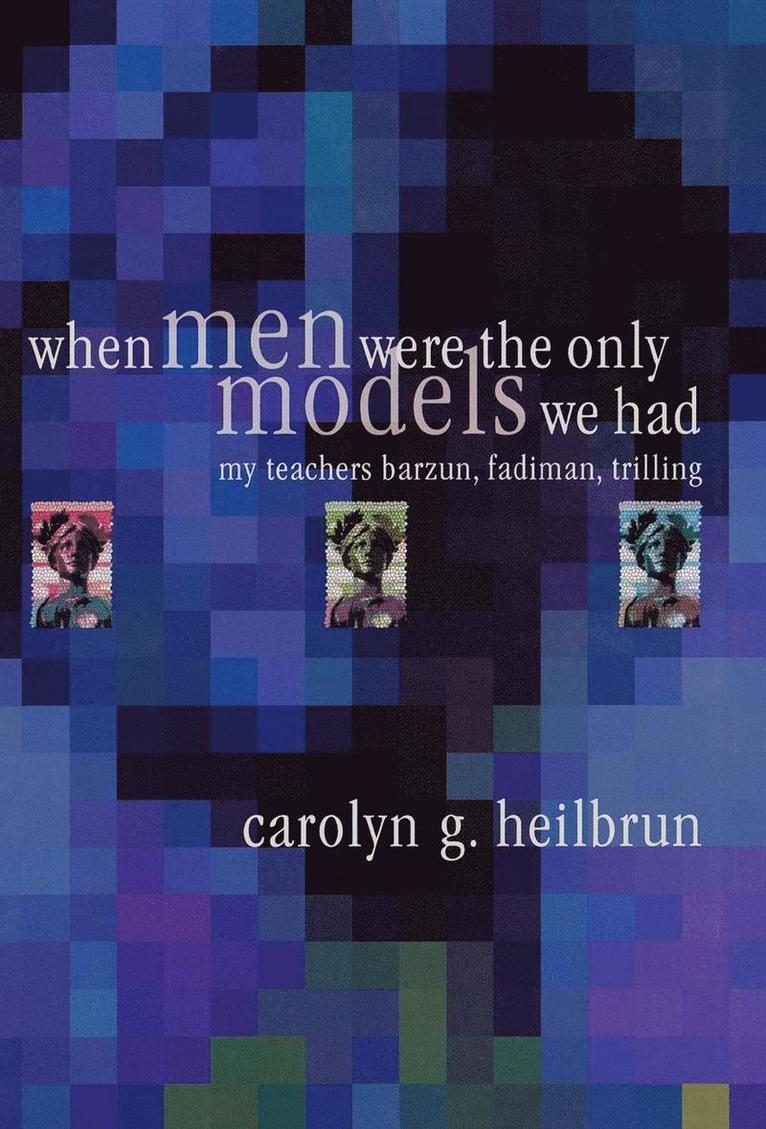
When Men Were the Only Models We Had
My Teachers Fadiman, Barzun, Trilling
Inbunden, 2001
462 kr
Lägg i varukorg
"Once upon a time there were three men who exemplified, without knowing it, my ideal in life. All of them became famous as writers, influential thinkers, and public figures. Their names are Clifton Fadiman, Lionel Trilling, and Jacques Barzun. They met in college, they remained aware of one another …